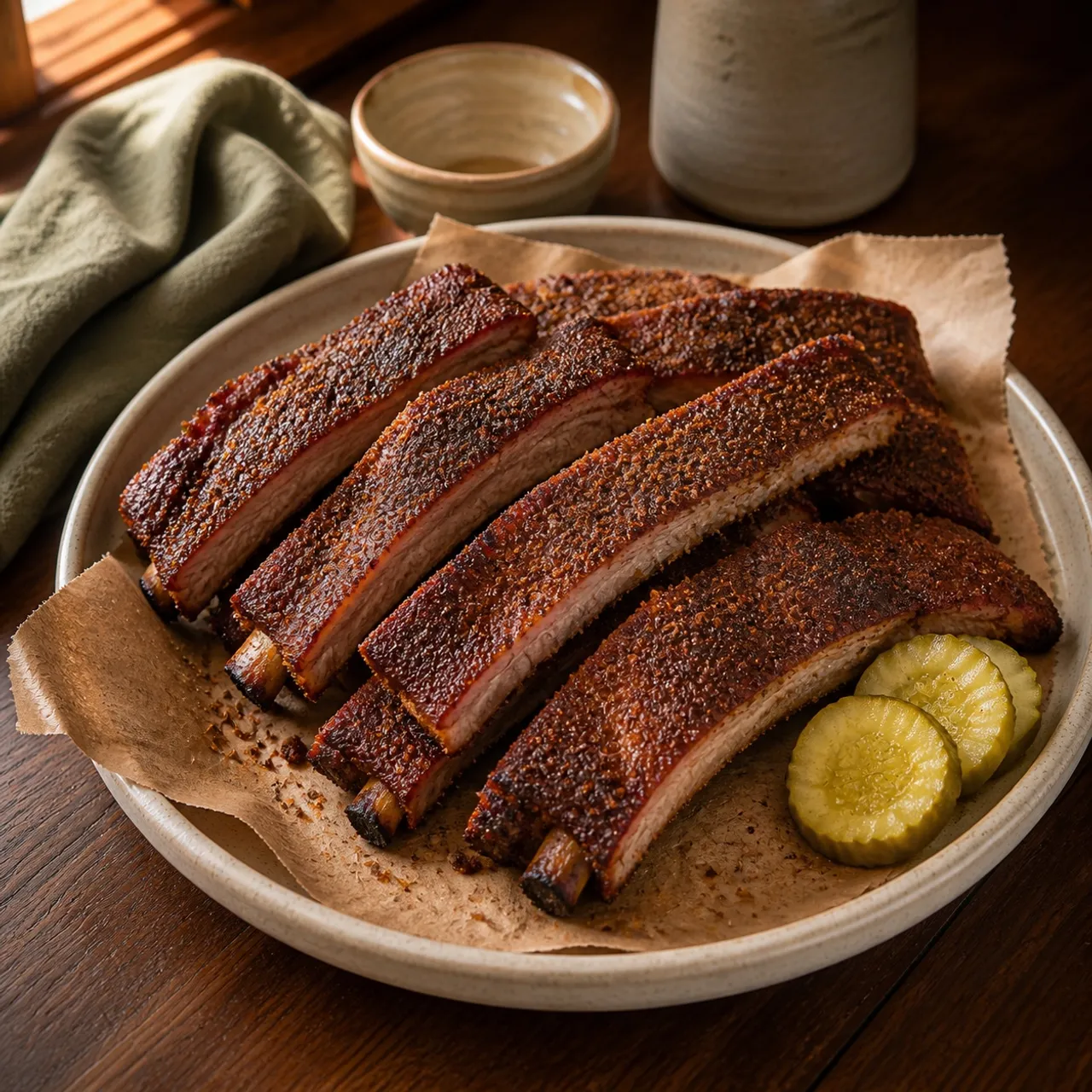
 Bbq Images are for illustrative purposes only, may be inaccurate, and do not guarantee the presence or absence of specific ingredients.
 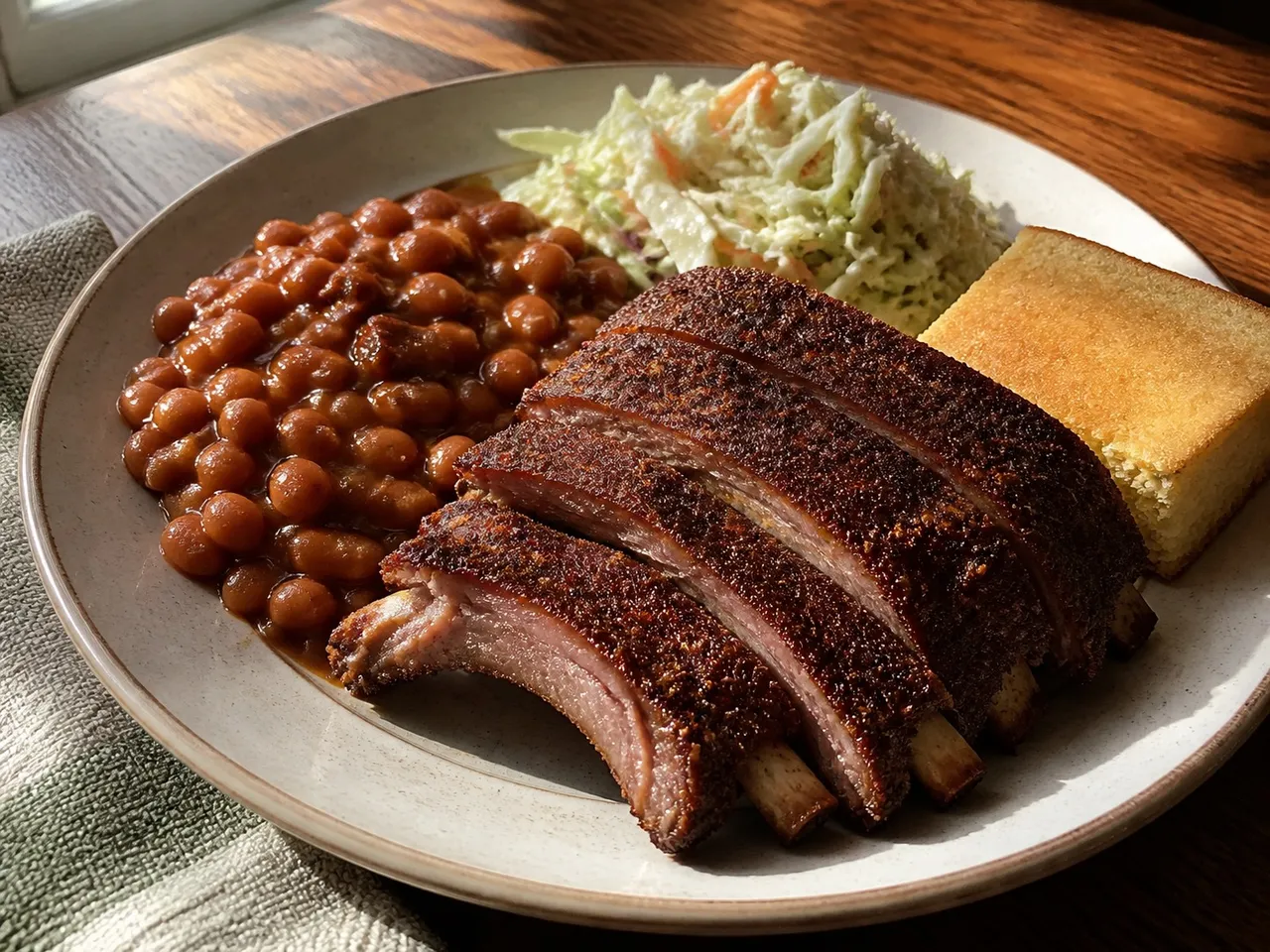 Serving Images are for illustrative purposes only, may be inaccurate, and do not guarantee the presence or absence of specific ingredients.
 Memphis Dry Rub Ribs
Pork spareribs coated in a bold, sweet-and-spicy dry rub and smoked without sauce, Memphis-style.
Contains common allergens
In the app, Listahan checks these against your household automatically.
Instructions
6 steps- 1
Remove the membrane from the back of each rib rack and pat the ribs dry.
- 2
Combine the paprika, brown sugar, salt, garlic powder, onion powder, black pepper, and cayenne to make the Memphis dry rub.
- 3
Brush the ribs lightly with yellow mustard, then coat generously with the dry rub on both sides and let sit 30 minutes.
- 4
Smoke over hickory or oak at 250 degrees Fahrenheit, spritzing with apple cider vinegar every hour, until the meat has pulled back from the bone tips, about 4 to 5 hours.
- 5
Dust with a final light layer of dry rub off the heat.
- 6
Rest 10 minutes, cut between the bones, and serve Memphis-style with no sauce — extra dry rub or a thin vinegar sauce on the side.
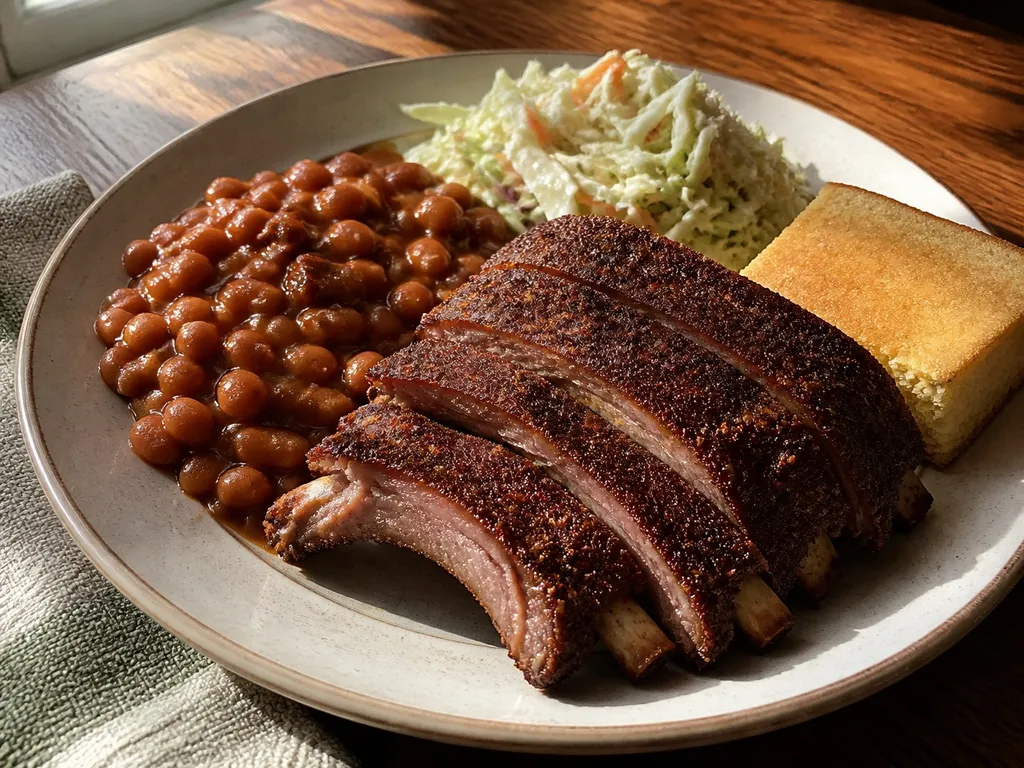 Images are for illustrative purposes only, may be inaccurate, and do not guarantee the presence or absence of specific ingredients.
 Listahan Family Score™
66/100
Works for many families
Score reflects how well this recipe fits a typical busy household. In the app, your Family Score is personalized to your household's allergens, kids, and pantry.
Nutrition
per serving45
Calories
1 g
Protein
9 g
Carbs
1 g
Fat
Estimated per serving. Actual values depend on the brands and portions you use.
Listahan cooking guide
Chef notes & practical guide
Technique notes, ingredient swaps, serve-alongside ideas, storage guidance, and equipment for this recipe.
Cultural context
Memphis is one of the four recognized pillars of American barbecue, and the city is unique in championing dry ribs as a finished product rather than treating the rub as merely a precursor to sauce. The tradition is anchored by places like the Rendezvous, where ribs have been served over direct charcoal heat without sauce since 1948. Memphis dry rubs typically feature paprika, garlic, onion, celery salt, and cayenne in varying proportions — each pitmaster guards the exact formula closely. Serving ribs dry does not mean serving them plain; the rub dusted on after cooking creates a flavor-concentrated finish that diners who prefer sauce often find surprising in its depth.
Listahan note
This version uses a deeply spiced Memphis-style rub applied heavily before and after cooking, and relies on a thin apple cider vinegar mop during the smoke to keep the surface moist without washing away the crust.
Technique cues
- Apply the dry rub to both sides of the rack at least two hours before smoking and ideally the night before; the longer rest allows the salt in the rub to draw out moisture and then reabsorb it, effectively brining the meat while building a drier surface for bark formation.
- A vinegar mop — cider vinegar, a little black pepper, and a pinch of cayenne — applied every 45 minutes during the smoke keeps the surface from drying out and adds a gentle tang without diluting the rub the way a wet sauce would.
- Dust the ribs with a final light coat of dry rub just after pulling them from the smoker while the surface is still sticky from heat; this outer dusting stays loose and powdery and provides a different texture and flavor intensity than the cooked inner rub.
Kitchen flow
- Parallel prep
- Mix a double batch of rub and store half in a jar; it keeps for months and means the next rib cook starts with zero additional prep work.
- Make-ahead
- Dry-rubbed ribs can be smoked a day ahead and refrigerated; reheat at 300 degrees covered in foil for 20 minutes, then dust with fresh rub and allow to air dry for 5 minutes before serving.
- Leftover move
- Cut leftover dry ribs between the bones and serve at room temperature with a jar of hot sauce and white bread — the cold, concentrated rub flavor is outstanding on its own.
- Cleanup rhythm
- Keep a damp cloth nearby when applying the rub since the mix stains hands and surfaces; line the smoker drip tray with foil and dispose of it after the cook.
Ingredient brief
Role, handling, and swap guidance for each key ingredient.
pork spare ribs
primary protein
Purpose: Spare ribs provide more meat and fat than baby backs, producing a richer, more gelatinous result that holds up through a long smoke without a foil wrap.
Handling: Remove the silverskin membrane from the bone side; for dry ribs, a very dry surface is especially important so pat thoroughly with paper towels before applying rub.
Adaptation: Baby back ribs can be used with the same technique and cook about 1 to 2 hours faster; reduce the mop frequency since they are leaner and dry out more quickly.
sweet paprika
rub base and color
Purpose: Paprika is the bulk of a Memphis rub by volume, providing color, mild sweetness, and a neutral backdrop against which the sharper spices stand out.
Handling: Measure into a bowl with the remaining spices and mix thoroughly before applying; a consistent blend ensures even coverage.
Adaptation: Hot paprika or a blend of sweet and smoked paprika intensifies the flavor; reducing paprika and increasing chile powder shifts the profile toward more heat.
celery salt
distinctive savory note
Purpose: Celery salt is a signature ingredient in Memphis rubs, adding a savory, slightly herbal edge that distinguishes the style from the simpler salt-and-pepper Texas tradition.
Handling: Add in moderation since it is already a salt-based ingredient; account for it when measuring total sodium in the rub.
Adaptation: Celery seed plus regular salt is an acceptable substitute; omit entirely if unavailable, though the flavor profile will shift noticeably.
cayenne pepper
background heat
Purpose: Memphis ribs carry a dry heat that builds over eating — cayenne provides that background warmth without the vinegar punch that Carolina hot sauce would add.
Handling: Adjust to taste; a quarter teaspoon per rack is mild, a half teaspoon is the traditional range.
Adaptation: Ground chipotle chile adds heat plus a smoky dimension; white pepper gives clean, sharp heat without the color.
apple cider vinegar
mop liquid
Purpose: Vinegar mopping prevents the surface from drying out during a long smoke without diluting the rub the way a sugary sauce would.
Handling: Combine with a pinch of salt, black pepper, and cayenne in a spray bottle; apply lightly every 45 minutes.
Adaptation: White wine vinegar or beer makes a heavier mop that contributes a yeasty richness; plain water with a squeeze of lemon works in a pinch.
Technique notes
- The hallmark of a properly cooked dry rib is that the meat pulls cleanly from the bone with a light bite but does not fall off — Memphis pitmasters call this 'competition pull' rather than 'fall-off-the-bone,' which signals the meat has gone slightly past ideal.
- Resist any impulse to wrap the ribs in foil during the smoke; the foil phase adds moisture and softness, but for dry ribs the goal is a firmer, more concentrated bark that defines the eating experience.
- The thickness of the rub matters: press a generous coat in firmly rather than dusting lightly — this dense rub layer is what creates the crust that stands on its own as the signature of the style.
Ingredient swaps
- Gluten-free direction
- The dry rub is naturally gluten-free; confirm that commercial paprika and spice blends are certified gluten-free, as some share facilities with wheat products.
- Lower-sodium direction
- Replace half the salt with ground mushroom powder or nutritional yeast, which add umami depth and reduce the need for as much sodium to achieve satisfying savoriness.
- Oven version
- Rub-coated ribs baked at 275 degrees on a rack over a foil-lined pan for 3 hours develop a dry crust; finish under the broiler for 4 to 5 minutes to char the spices and develop extra depth.
Serve alongside
- Vinegar-dressed coleslaw (no mayo)
- Baked sweet potatoes with butter and hot honey
- White beans with smoked sausage
- Any American-style IPA
- Hot sauce-spiked lemonade over ice
Serving suggestions only — check pairings for your household's allergens.
Storage & reheating
- Store dry ribs wrapped in foil or in an airtight container in the refrigerator for up to 4 days; the rub crust softens somewhat but re-crisps quickly under a broiler.
- Reheat individual portions at 300 degrees covered in foil for 15 minutes, then uncovered for 5 minutes; dust with a pinch of fresh rub before serving.
- Freeze fully cooked dry ribs tightly wrapped in foil for up to 2 months; the rub flavor holds well through freezing and thawing.
Equipment
- Offset smoker or covered charcoal grill set up for indirect cooking
- Spray bottle or mop brush for vinegar application
- Rimmed baking sheet with a wire rack for refrigerator dry-brining
Make this household-aware
Listahan Pro checks this recipe against your household's allergens, finds pantry-aware swaps, builds the shopping list, and helps you plan the week around it.
Plan it in Listahan
Add Memphis Dry Rub Ribs to your week, check it against your household's allergens, and build the shopping list automatically.
More Bbq recipes
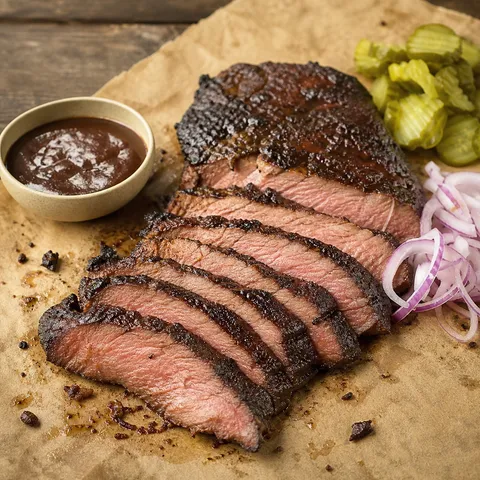 Bbq Lens Verified Images are for illustrative purposes only, may be inaccurate, and do not guarantee the presence or absence of specific ingredients.
 Santa Maria Tri-Tip
California-style Santa Maria tri-tip roast seasoned simply with garlic, pepper, and salt, then grilled over red oak for a smoky crust.
 Bbq Lens Verified Images are for illustrative purposes only, may be inaccurate, and do not guarantee the presence or absence of specific ingredients.
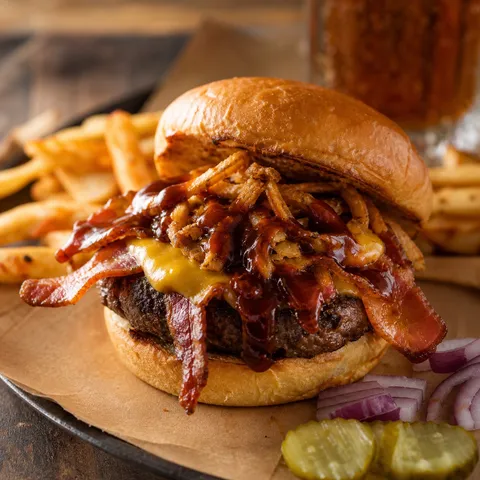
 BBQ Bacon Cheeseburgers
Thick beef patties grilled over an open flame, topped with crispy bacon, melted cheddar, and smoky BBQ sauce on a toasted bun.
 Bbq Lens Verified Images are for illustrative purposes only, may be inaccurate, and do not guarantee the presence or absence of specific ingredients.
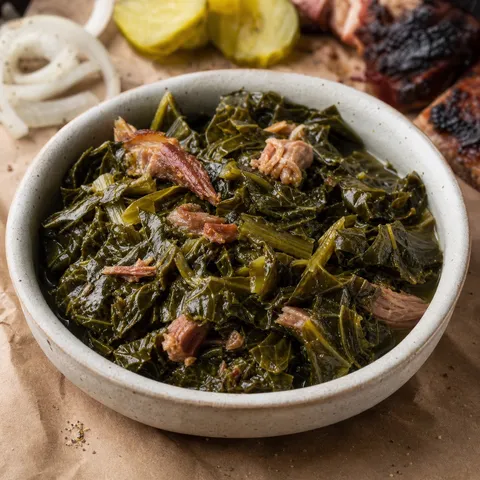
 Southern Collard Greens
Slow-simmered collard greens with smoked ham hock, cider vinegar, and a touch of heat, a soulful Southern BBQ side.