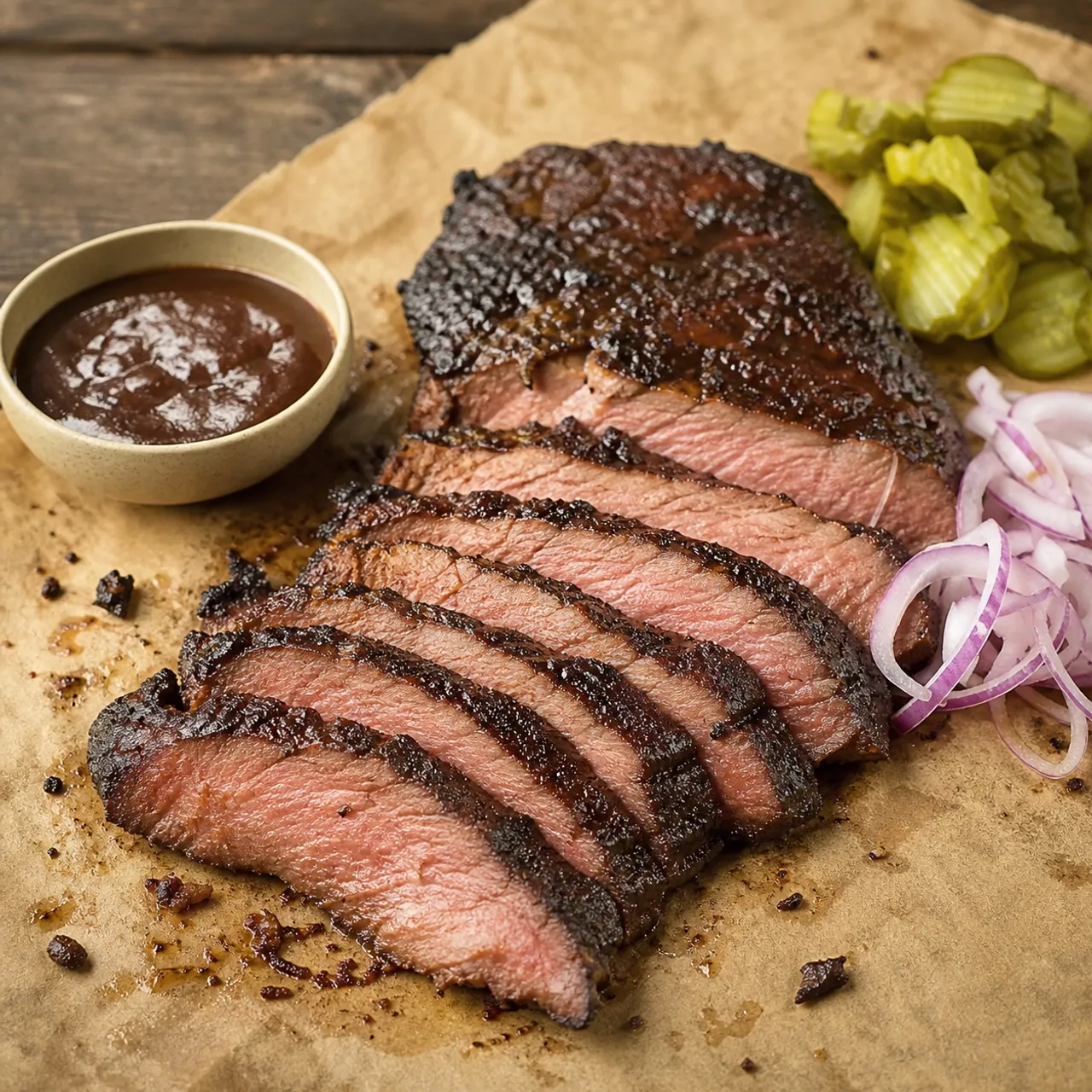
 Bbq Images are for illustrative purposes only, may be inaccurate, and do not guarantee the presence or absence of specific ingredients.
 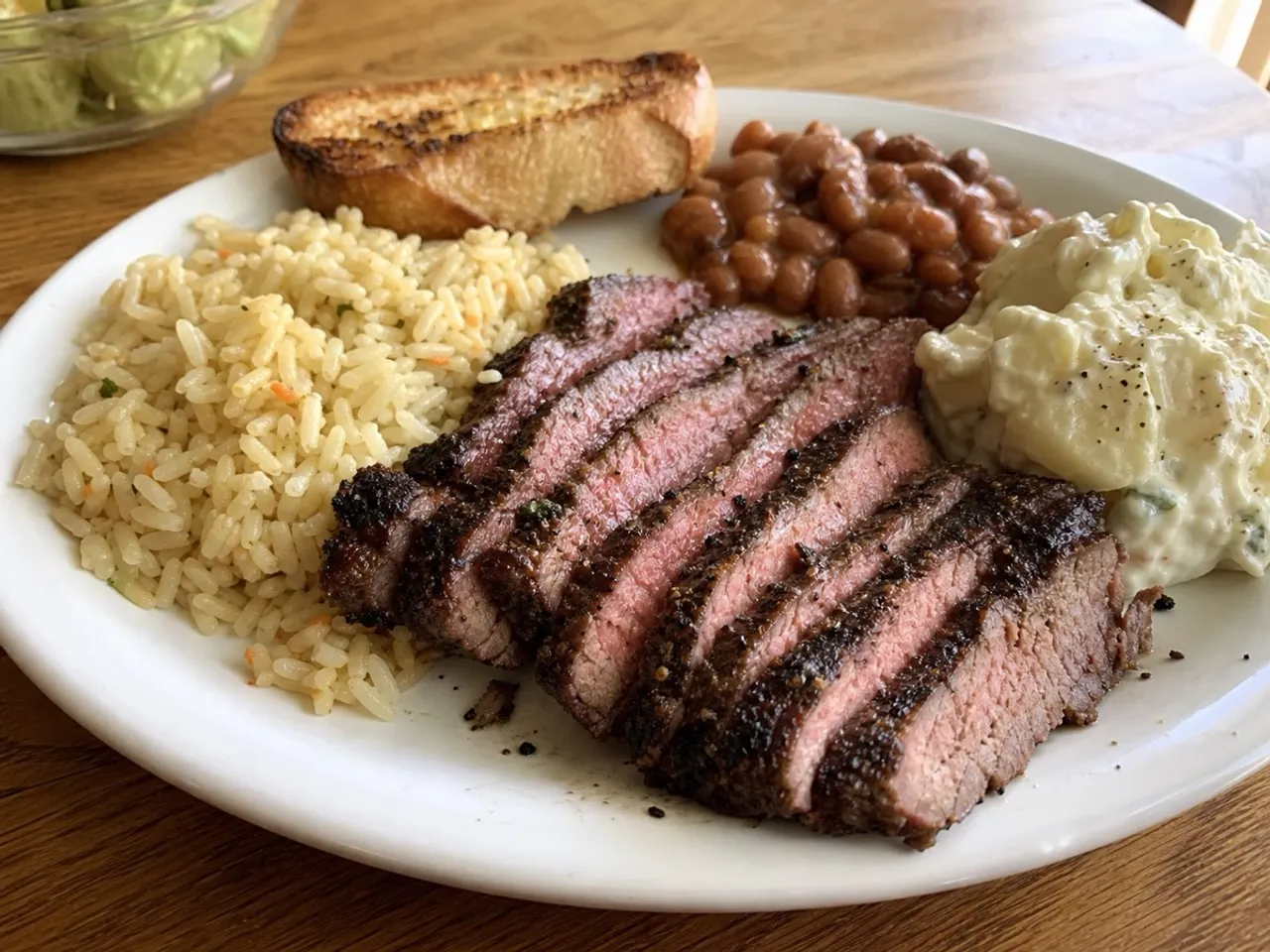 Serving Images are for illustrative purposes only, may be inaccurate, and do not guarantee the presence or absence of specific ingredients.
 Santa Maria Tri-Tip
California-style Santa Maria tri-tip roast seasoned simply with garlic, pepper, and salt, then grilled over red oak for a smoky crust.
No common allergens detected
Based on this recipe's ingredient list. Always verify with your own brands and labels.
Instructions
8 steps- 1
Pat the tri-tip dry and rub all over with olive oil.
- 2
Mix kosher salt, black pepper, garlic powder, rosemary, and cayenne, and coat the roast evenly.
- 3
Let the meat rest at room temperature for 30 minutes.
- 4
Preheat grill for two-zone cooking with a hot direct side and a cooler indirect side, ideally with oak wood chunks for smoke.
- 5
Sear the tri-tip over direct heat 4-5 minutes per side until well browned.
- 6
Move to the indirect side, cover, and cook until internal temperature reaches 130°F for medium-rare, about 25-35 minutes.
- 7
Rest the roast 10 minutes under loose foil.
- 8
Slice thinly against the grain, noting the grain changes direction across the roast, and serve.
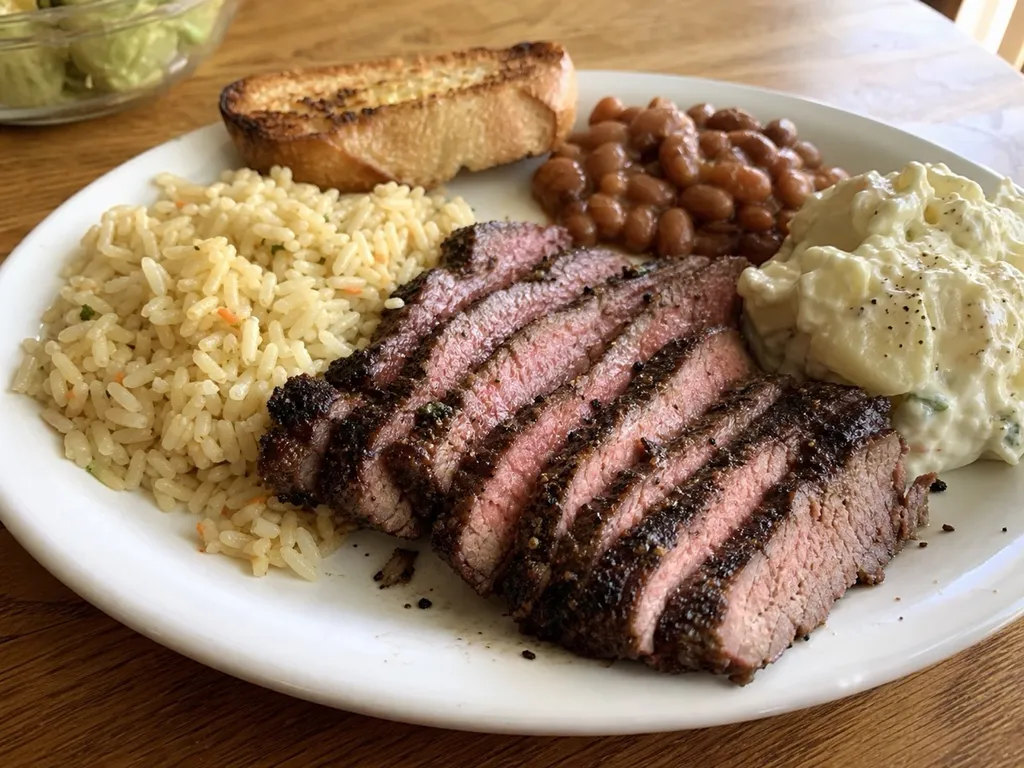 Images are for illustrative purposes only, may be inaccurate, and do not guarantee the presence or absence of specific ingredients.
 Listahan Family Score™
69/100
Works for many families
Score reflects how well this recipe fits a typical busy household. In the app, your Family Score is personalized to your household's allergens, kids, and pantry.
Nutrition
per serving45
Calories
0 g
Protein
1 g
Carbs
5 g
Fat
Estimated per serving. Actual values depend on the brands and portions you use.
Listahan cooking guide
Chef notes & practical guide
Technique notes, ingredient swaps, serve-alongside ideas, storage guidance, and equipment for this recipe.
Cultural context
Santa Maria tri-tip comes from California's Central Coast barbecue tradition, where beef was cooked over red oak and served simply with beans, bread, salsa, and salad. The cut became closely tied to the region in the mid-20th century, when local butchers and cooks treated the triangular sirloin roast as something worth grilling whole rather than grinding or stewing.
Listahan note
This version keeps the seasoning direct and pantry-friendly, then focuses on the two things that make tri-tip work: a dark seared crust and careful slicing across the shifting grain.
Technique cues
- Tri-tip is uneven by design, with one thinner end and one thicker end. Position the thicker side closer to the hotter part of the indirect zone so the roast cooks more evenly.
- The grain changes direction across the roast, so look before slicing. Cutting the roast into two sections first makes it easier to slice each half properly.
- Oak smoke is part of the Santa Maria profile, but the rub should still taste like beef first. Use enough wood for a steady smoke note, not a heavy campfire flavor.
Kitchen flow
- Parallel prep
- Set up the two-zone grill while the rubbed tri-tip rests, then use that 30 minutes to make beans, salsa, or a salad.
- Make-ahead
- Mix the dry rub earlier in the day and trim the roast ahead; oil and season it closer to grilling so the crust stays clean and dry.
- Leftover move
- Slice cold leftovers thin for tri-tip sandwiches with salsa, grilled onions, or a simple cabbage slaw.
- Cleanup rhythm
- Brush the grates right after the sear while they are still hot, then let the cutting board soak briefly once the roast is sliced.
Ingredient brief
Role, handling, and swap guidance for each key ingredient.
1 whole tri-tip roast (about 2 1/2 lb), trimmed
Main cut
Purpose: Tri-tip has enough beefy flavor and fat edge to take a hard sear while staying sliceable for a crowd.
Handling: Pat it very dry and trim only thick, waxy fat so some surface fat can still help the crust.
Adaptation: A sirloin flap or coulotte can take similar seasoning, but the shape and slicing pattern will be different.
Olive oil
Rub binder
Purpose: A thin coat helps the dry seasoning cling and encourages browning on the grill.
Handling: Rub on just enough to shine the surface without making the roast slick.
Adaptation: Avocado oil or another neutral high-heat oil gives a cleaner flavor if you want the oak and beef to stand out more.
Coarse black pepper
Crust seasoning
Purpose: Coarse pepper gives the outside a gritty, steakhouse-style bite that fits the simple Santa Maria approach.
Handling: Press it into the oiled meat so it stays put through the sear.
Adaptation: Fresh cracked pepper works well; finely ground pepper tastes sharper and can darken faster over direct heat.
Garlic powder
Savory backbone
Purpose: Garlic powder spreads evenly over the roast and seasons the crust without fresh garlic burning on the grill.
Handling: Mix it thoroughly with the other spices before coating so no dusty pockets remain.
Adaptation: Granulated garlic is a close substitute and gives a slightly rougher texture on the surface.
Dried rosemary, crushed
Herbal accent
Purpose: Rosemary gives a piney, Central Coast-friendly note that stands up to beef and oak smoke.
Handling: Crush it between your fingers or in a mortar so the pieces do not feel twiggy on the crust.
Adaptation: Dried thyme is softer and less resinous if you want a quieter herb note.
Cayenne pepper
Low heat
Purpose: A small amount adds warmth behind the pepper and garlic without turning the roast into a spicy dish.
Handling: Measure lightly and blend it evenly into the rub before applying.
Adaptation: Smoked paprika can replace it for color and mild warmth with less direct heat.
Technique notes
- Sear with the lid open if flare-ups start, then close the lid once the roast moves to indirect heat so the thicker center cooks through evenly.
- Start checking temperature early because tri-tip can move from medium-rare to medium quickly near the end.
- Rest before slicing, but do not wrap tightly; loose foil keeps some heat in without softening the crust too much.
Ingredient swaps
- No red oak setup
- Use oak chips or chunks if you have them; if not, charcoal plus the garlic-pepper rub still gives the dish the right direct, beef-forward feel.
- Oven finish
- Sear on the grill or in a cast iron pan, then finish in a 375°F oven until the center reaches your preferred doneness.
- Milder rub
- Skip the cayenne and add a little more coarse black pepper for warmth without chile heat.
- Smaller roast
- For a smaller tri-tip, keep the sear timing similar but begin checking the indirect cook much earlier.
Serve alongside
- Pinquito-style beans
- Grilled garlic bread
- Tomato salsa fresca
- Romaine salad with red wine vinaigrette
- California red blend
- Amber lager
- Sparkling lemonade
Serving suggestions only — check pairings for your household's allergens.
Storage & reheating
- Refrigerate leftover tri-tip in a sealed container, keeping slices with any resting juices so they do not dry out.
- Reheat gently in a covered skillet with a spoonful of juices or water, or warm slices briefly and use them in sandwiches.
- Freeze sliced tri-tip with its juices, then thaw overnight before reheating slowly.
Equipment
- Two-zone grill
- Oak wood chunks or chips
- Instant-read thermometer
- Sharp slicing knife
Make this household-aware
Listahan Pro checks this recipe against your household's allergens, finds pantry-aware swaps, builds the shopping list, and helps you plan the week around it.
Plan it in Listahan
Add Santa Maria Tri-Tip to your week, check it against your household's allergens, and build the shopping list automatically.
More Bbq recipes
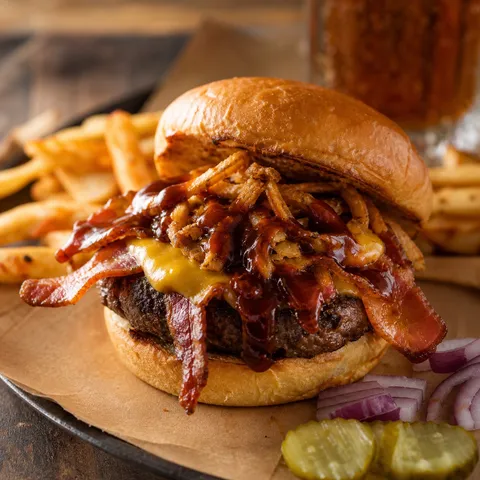 Bbq Lens Verified Images are for illustrative purposes only, may be inaccurate, and do not guarantee the presence or absence of specific ingredients.
 BBQ Bacon Cheeseburgers
Thick beef patties grilled over an open flame, topped with crispy bacon, melted cheddar, and smoky BBQ sauce on a toasted bun.
 Bbq Lens Verified Images are for illustrative purposes only, may be inaccurate, and do not guarantee the presence or absence of specific ingredients.
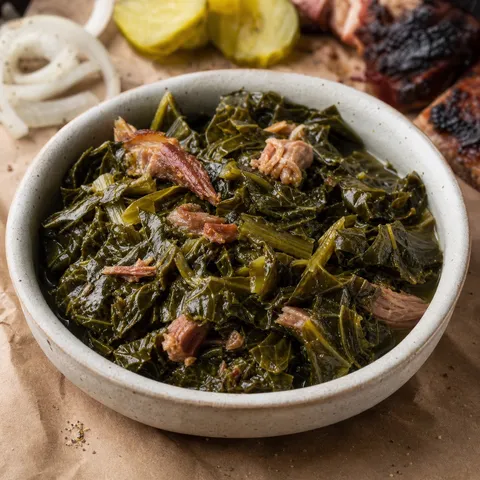
 Southern Collard Greens
Slow-simmered collard greens with smoked ham hock, cider vinegar, and a touch of heat, a soulful Southern BBQ side.
 Bbq Lens Verified Images are for illustrative purposes only, may be inaccurate, and do not guarantee the presence or absence of specific ingredients.
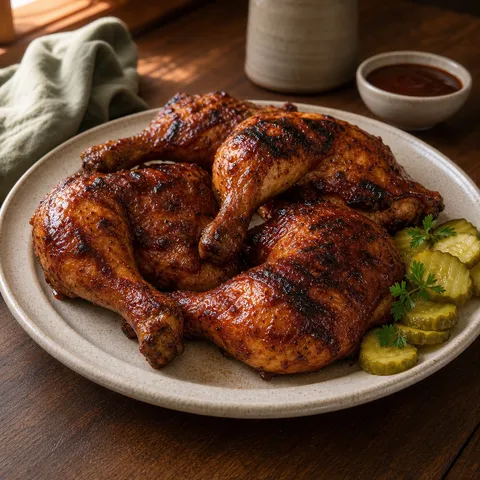
 BBQ Chicken Quarters
Bone-in chicken leg quarters seasoned with a sweet-smoky rub and grilled until glazed with barbecue sauce.