 Bbq Images are for illustrative purposes only, may be inaccurate, and do not guarantee the presence or absence of specific ingredients.
  Serving Images are for illustrative purposes only, may be inaccurate, and do not guarantee the presence or absence of specific ingredients.
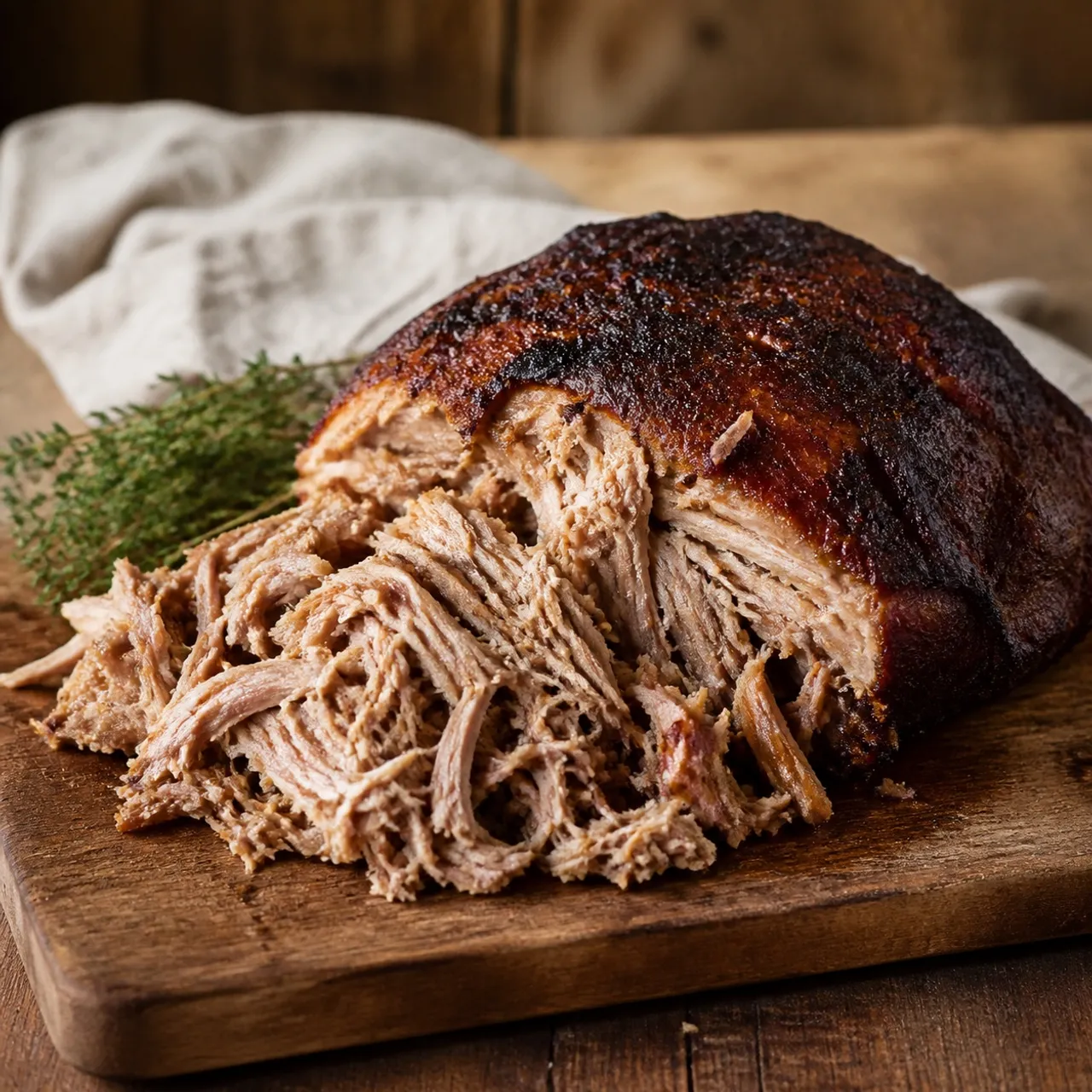
 Smoked Pork Shoulder
A whole bone-in pork shoulder smoked low and slow for hours until fork-tender, ready to shred for sandwiches or plates.
Contains common allergens
In the app, Listahan checks these against your household automatically.
Instructions
8 steps- 1
Trim excess hard fat from the pork shoulder, leaving a thin fat cap.
- 2
Coat the shoulder in mustard, then pack on a rub of brown sugar, paprika, salt, pepper, garlic powder, onion powder, and cayenne.
- 3
Preheat smoker to 225°F with oak or hickory wood.
- 4
Place the shoulder fat-side up and smoke, spritzing with cider vinegar every hour, until internal temperature reaches 165°F, about 5-6 hours.
- 5
Wrap tightly in foil and continue smoking until internal temperature reaches 203°F and the bone wiggles freely, another 3-4 hours.
- 6
Rest wrapped in a cooler for at least 45 minutes before unwrapping.
- 7
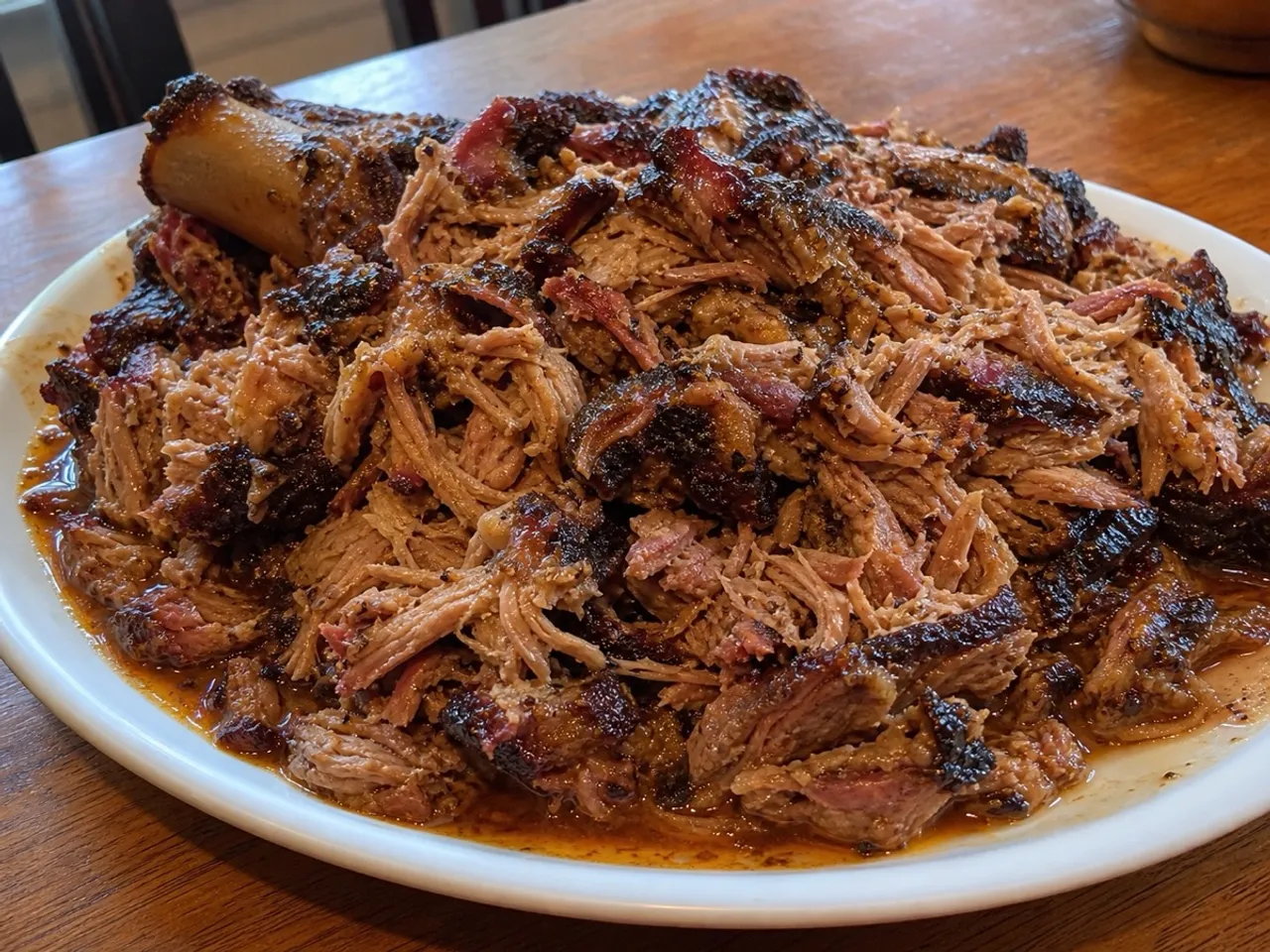
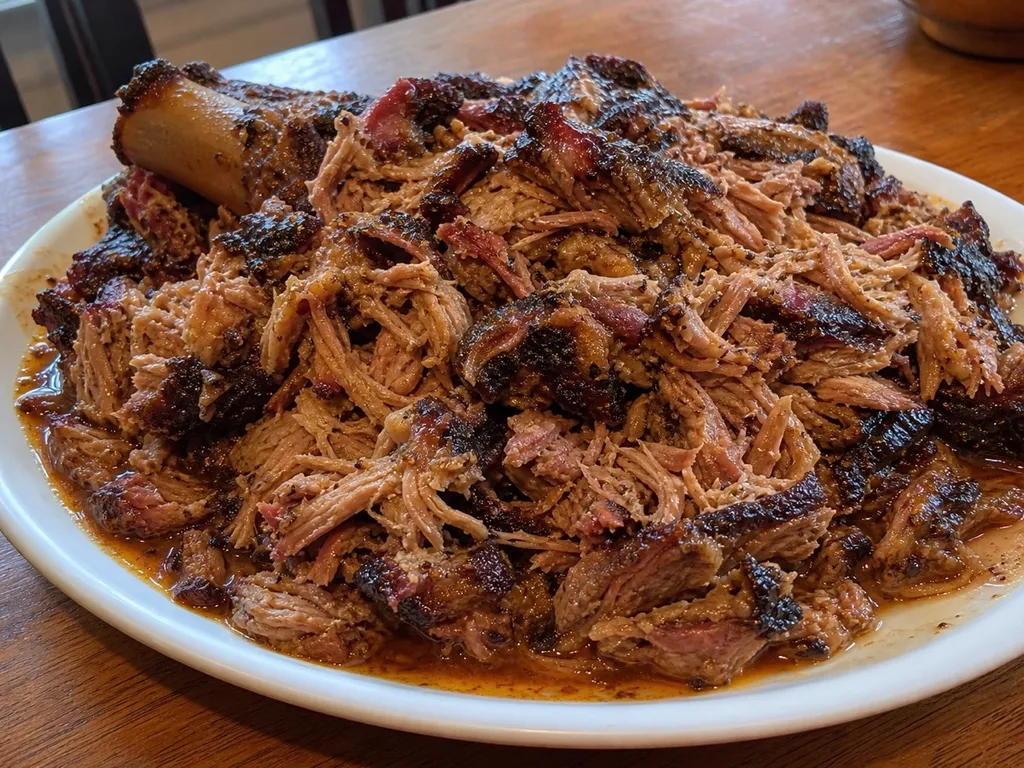
Shred the meat with forks or bear claws, discarding excess fat, and mix in a little of the collected juices.
- 8
Serve piled on buns or plates with extra BBQ sauce.
 Images are for illustrative purposes only, may be inaccurate, and do not guarantee the presence or absence of specific ingredients.
 Listahan Family Score™
66/100
Works for many families
Score reflects how well this recipe fits a typical busy household. In the app, your Family Score is personalized to your household's allergens, kids, and pantry.
Nutrition
per serving35
Calories
1 g
Protein
7 g
Carbs
0 g
Fat
Estimated per serving. Actual values depend on the brands and portions you use.
Listahan cooking guide
Chef notes & practical guide
Technique notes, ingredient swaps, serve-alongside ideas, storage guidance, and equipment for this recipe.
Cultural context
Slow-smoked pork shoulder sits deep in Southern barbecue traditions, especially in places where a tough, well-used cut could be turned tender with time, smoke, and patience. The shoulder's fat and connective tissue make it suited to long cooking, which is why pulled pork became a practical centerpiece for big gatherings, sandwiches, and plate lunches.
Listahan note
This version keeps the method straightforward: a mustard binder, a sweet-spiced rub, steady smoke, a vinegar spritz, and a foil wrap to carry the shoulder through the long tenderizing stretch. It prioritizes shreddable meat and usable juices over a fussy competition-style process.
Technique cues
- Trim hard surface fat, but do not strip the shoulder bare. A thin fat cap helps protect the meat during the long smoke and leaves better texture after shredding.
- The 165 F mark is usually where the shoulder looks dark and the bark has set. Wrapping at that point helps it push through the stall without drying the edges too much.
- Resting wrapped before shredding is part of the cook, not a pause after it. The juices settle back into the meat, and the shoulder becomes easier to pull cleanly.
Kitchen flow
- Parallel prep
- Mix the rub and trim the pork while the smoker comes up to 225 F, then set up the spritz bottle before the shoulder goes on.
- Make-ahead
- Smoke the shoulder a day ahead, keep it whole with its juices, then shred after reheating so the meat stays moister.
- Leftover move
- Fold pulled pork into hash with potatoes and onions, or pile it onto toasted buns with slaw for a faster second meal.
- Cleanup rhythm
- Line the wrap tray before the cook and empty the spritz bottle right away; sticky rub and pork juices are easier to wash before they dry.
Ingredient brief
Role, handling, and swap guidance for each key ingredient.
Bone-in pork shoulder (Boston butt)
Main cut
Purpose: This cut has enough fat and connective tissue to become tender and shreddable after a long smoke.
Handling: Trim away thick, hard fat while leaving a thin cap and any softer fat that will render during cooking.
Adaptation: A boneless pork shoulder can work, but it may cook a little faster and gives you one less tenderness cue because there is no bone to wiggle.
Yellow mustard
Rub binder
Purpose: It helps the dry rub stick evenly and fades into the background during the smoke.
Handling: Spread it in a thin, complete layer so the seasoning has something to cling to without becoming pasty.
Adaptation: A light coating of neutral oil gives less tang and a slightly softer bark.
Brown sugar
Bark builder
Purpose: It supports browning and adds a gentle sweetness that balances smoke, salt, and cayenne.
Handling: Break up any clumps before mixing the rub so it coats the shoulder evenly.
Adaptation: Use less brown sugar for a darker, less sweet bark with a more pepper-forward finish.
Paprika
Color and mild pepper base
Purpose: Paprika gives the rub its warm red color and a rounded pepper note without taking over.
Handling: Mix it thoroughly with the other dry seasonings before applying so the color is even.
Adaptation: Smoked paprika pushes the flavor deeper and woodier; sweet paprika keeps the profile softer.
Garlic powder and onion powder
Savory rub foundation
Purpose: They add steady background flavor that holds up through hours of smoke better than fresh aromatics would.
Handling: Use fresh, free-flowing powders so the rub distributes evenly over the mustard-coated surface.
Adaptation: Granulated garlic or granulated onion works similarly, though the texture of the rub may feel a bit coarser.
Apple cider vinegar
Spritzing liquid
Purpose: It keeps the surface lightly tacky and adds a sharp note that suits rich pulled pork.
Handling: Spritz lightly every hour once the surface looks set, aiming for moisture rather than soaking.
Adaptation: Apple juice gives a sweeter surface, while a half-and-half mix of apple juice and cider vinegar lands in the middle.
Technique notes
- Keep the smoker steady instead of chasing tiny temperature swings. Pork shoulder is forgiving, but repeated lid opening stretches the cook and dries the surface.
- Do not wrap before the bark has color and texture. If the outside still looks pale or wet, give it more smoke time before sealing it in foil.
- Mix in the collected juices gradually after shredding. Add just enough to gloss the pork without making the pile greasy or soupy.
Ingredient swaps
- Milder heat
- Cut the cayenne pepper in half or leave it out; the rub will lean sweeter and more paprika-forward.
- Less sweet bark
- Reduce the brown sugar and let the black pepper, garlic powder, and onion powder carry more of the flavor.
- No-bun plate
- Serve the pulled pork over baked beans, potato salad, or rice instead of buns for a fork-and-plate meal.
- Oven finish
- After the smoking phase, wrap tightly and finish in a 250 F oven; the bark will be a little softer, but the schedule is easier to manage.
Serve alongside
- Vinegar coleslaw
- Baked beans with molasses
- Skillet cornbread
- Dill pickle potato salad
- Unsweetened iced tea
- Amber lager
- Sparkling apple cider
Serving suggestions only — check pairings for your household's allergens.
Storage & reheating
- Refrigerate shredded pork with its juices in a sealed container for up to 4 days.
- Reheat gently in a covered skillet or low oven with a splash of reserved juices, cider vinegar, or water until the meat loosens.
- Freeze shredded pork with some juices for up to 3 months; thaw overnight in the refrigerator before reheating.
Equipment
- Smoker with oak or hickory wood
- Instant-read thermometer or probe thermometer
- Spray bottle for apple cider vinegar
- Heavy foil and insulated cooler for resting
Make this household-aware
Listahan Pro checks this recipe against your household's allergens, finds pantry-aware swaps, builds the shopping list, and helps you plan the week around it.
Plan it in Listahan
Add Smoked Pork Shoulder to your week, check it against your household's allergens, and build the shopping list automatically.
More Bbq recipes
 Bbq Lens Verified Images are for illustrative purposes only, may be inaccurate, and do not guarantee the presence or absence of specific ingredients.
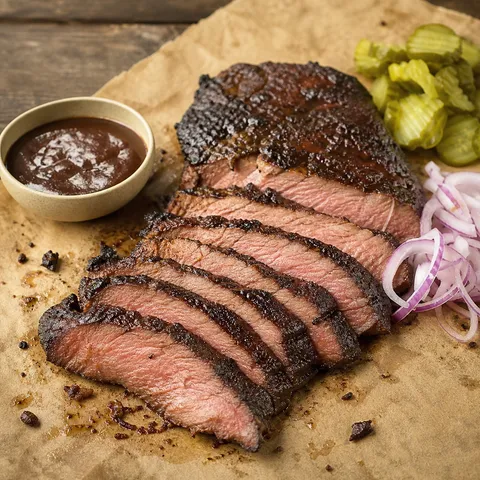
 Santa Maria Tri-Tip
California-style Santa Maria tri-tip roast seasoned simply with garlic, pepper, and salt, then grilled over red oak for a smoky crust.
 Bbq Lens Verified Images are for illustrative purposes only, may be inaccurate, and do not guarantee the presence or absence of specific ingredients.
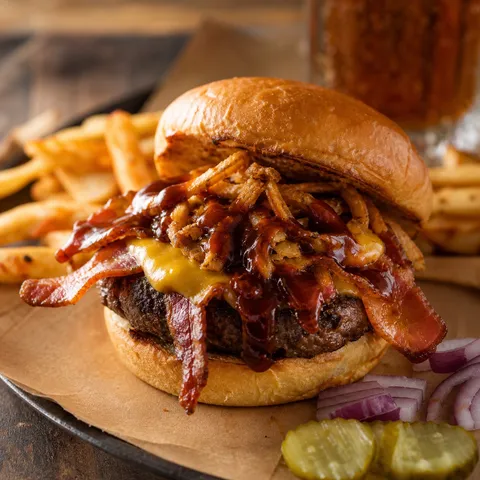
 BBQ Bacon Cheeseburgers
Thick beef patties grilled over an open flame, topped with crispy bacon, melted cheddar, and smoky BBQ sauce on a toasted bun.
 Bbq Lens Verified Images are for illustrative purposes only, may be inaccurate, and do not guarantee the presence or absence of specific ingredients.
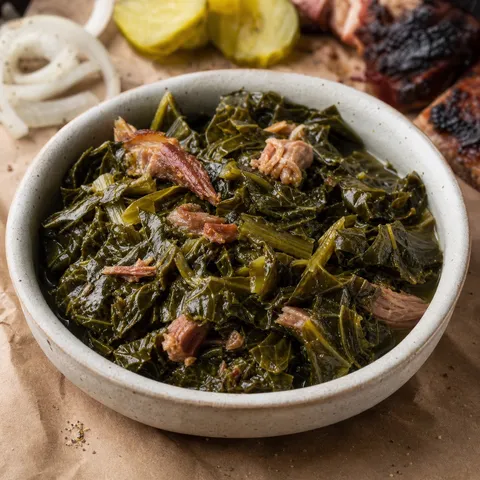
 Southern Collard Greens
Slow-simmered collard greens with smoked ham hock, cider vinegar, and a touch of heat, a soulful Southern BBQ side.