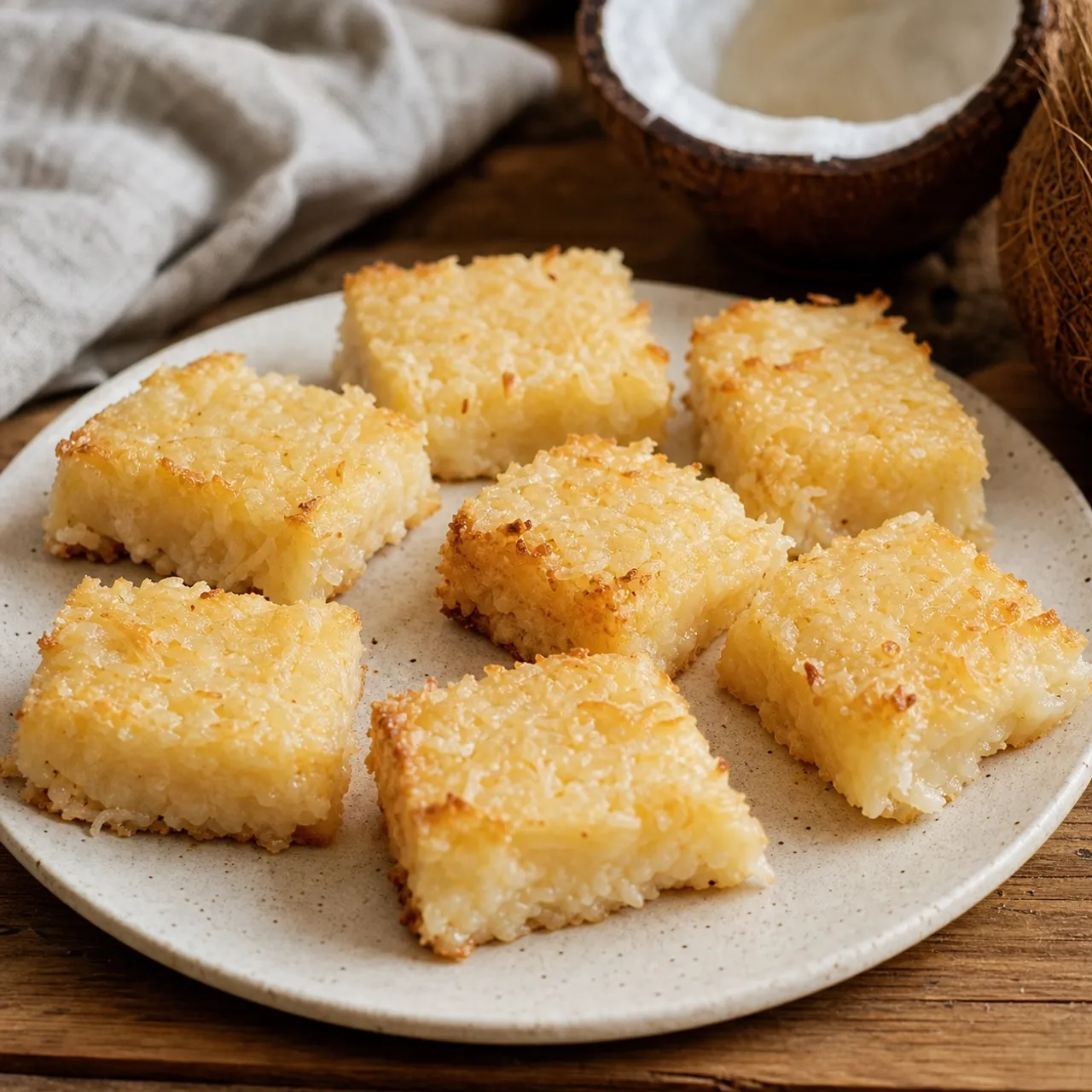
 Brazilian Images are for illustrative purposes only, may be inaccurate, and do not guarantee the presence or absence of specific ingredients.
 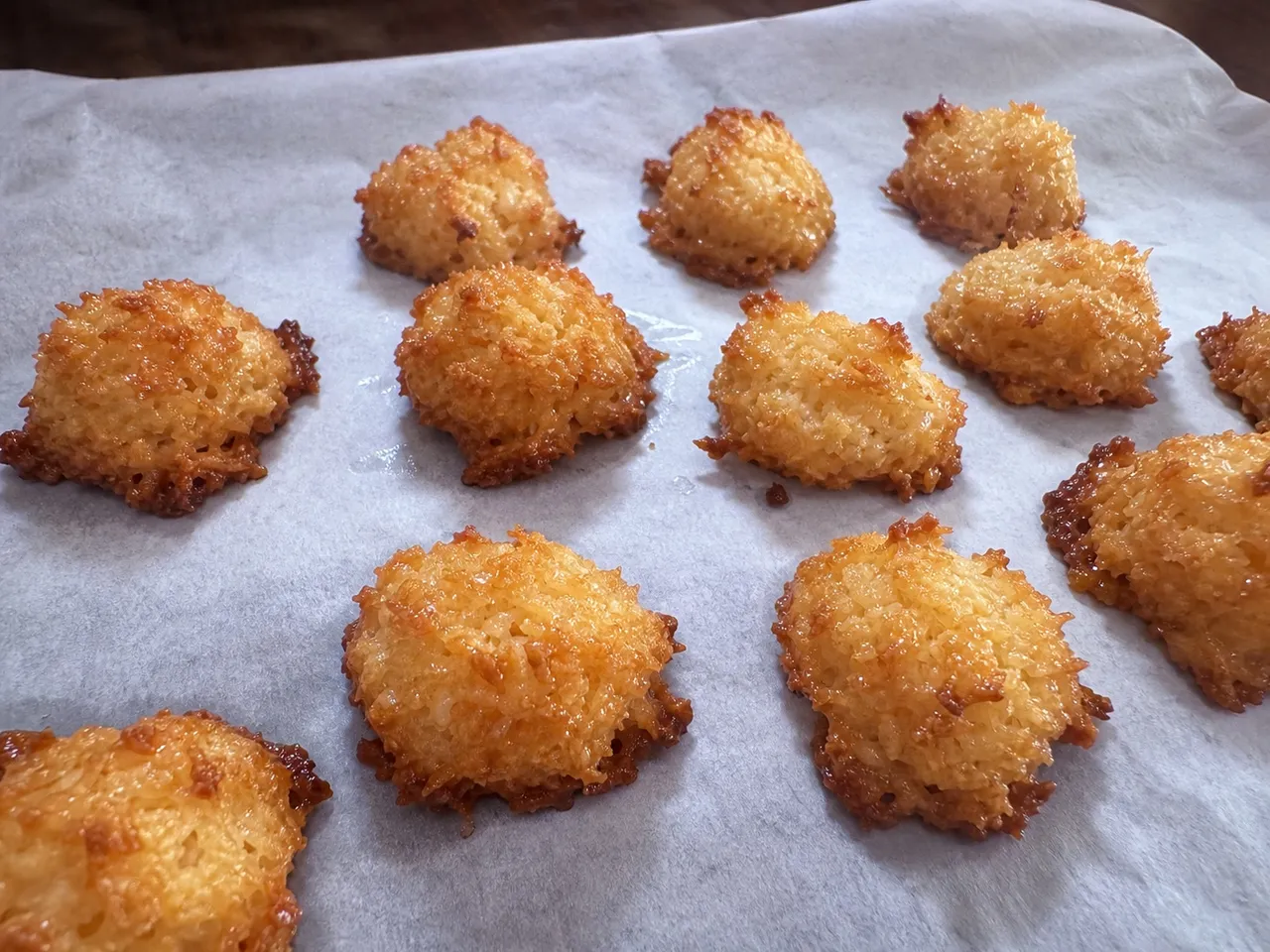 Serving Images are for illustrative purposes only, may be inaccurate, and do not guarantee the presence or absence of specific ingredients.
 Cocada (Brazilian Coconut Candy)
Chewy-sweet coconut candy clusters cooked down with sugar and milk until glossy and caramelized, a beachside treat sold from baskets across Brazil.
Contains common allergens
In the app, Listahan checks these against your household automatically.
Good to know
- One-pot
Matched from this dish's own ingredients and timing. Browse more: one-pot dinners
Instructions
7 steps- 1
In a heavy saucepan, combine the shredded coconut, sugar, coconut milk, and cloves.
- 2
Cook over medium heat, stirring frequently, for 15-20 minutes until the mixture thickens and turns slightly golden and sticky.
- 3
Remove the cloves and continue cooking for another 3-5 minutes until the mixture pulls away from the sides of the pan.
- 4
Grease a baking sheet or piece of parchment with butter.
- 5
Drop spoonfuls of the hot coconut mixture onto the prepared surface, shaping into small mounds.
- 6
Let cool completely at room temperature until set and firm, about 20 minutes.
- 7
Serve at room temperature or store in an airtight container.
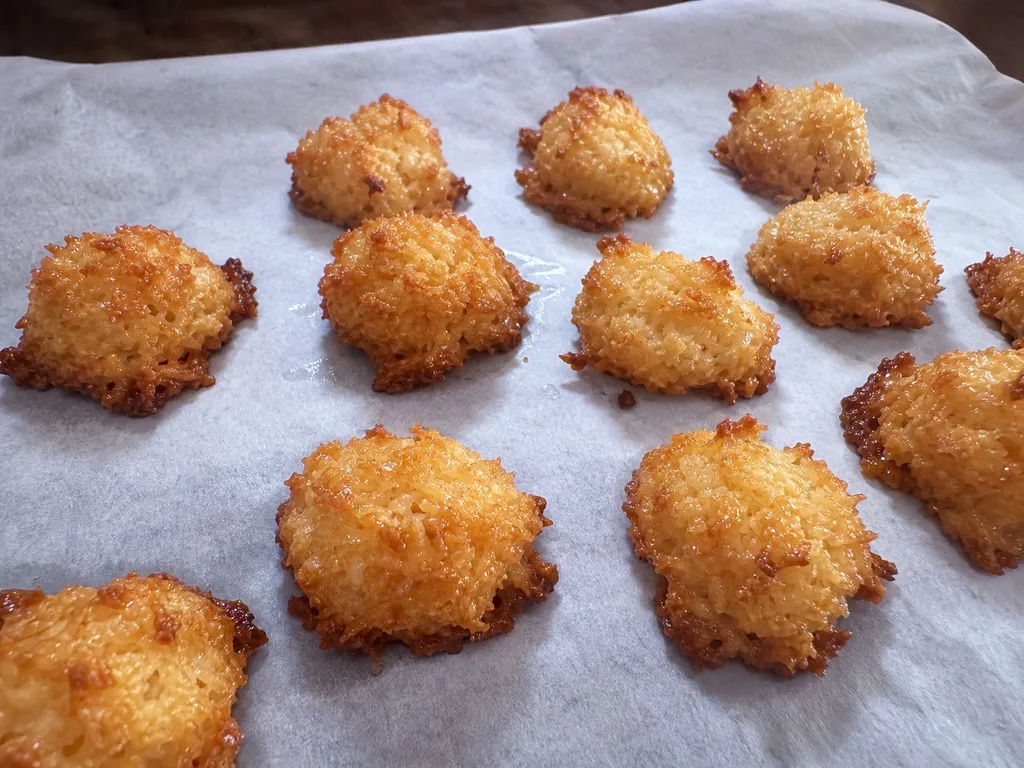 Images are for illustrative purposes only, may be inaccurate, and do not guarantee the presence or absence of specific ingredients.
 Listahan Family Score™
77/100
Good fit for most families
Score reflects how well this recipe fits a typical busy household. In the app, your Family Score is personalized to your household's allergens, kids, and pantry.
Nutrition
per serving335
Calories
2 g
Protein
44 g
Carbs
19 g
Fat
Estimated per serving. Actual values depend on the brands and portions you use.
Listahan cooking guide
Chef notes & practical guide
Technique notes, ingredient swaps, serve-alongside ideas, storage guidance, and equipment for this recipe.
Cultural context
Cocada blends Portuguese colonial sugar-cane confectionery with the coconut palms cultivated along Brazil's coastline, and its Afro-Brazilian variations, especially in Bahia, are historically tied to enslaved and free Black women who sold it as street food to support their households. It remains a common beach and street vendor sweet today, sold from trays balanced on vendors' heads along the shore. Regional versions range from soft and creamy in Bahia to firm and brittle further south.
Listahan note
This version cooks shredded coconut down with sugar and coconut milk into thick, golden mounds, closer to the firmer, chewy street-vendor style than the very soft Bahian version.
Technique cues
- Stirring frequently rather than constantly is enough here, but the mixture needs close attention in the final minutes since sugar-coconut mixtures can go from perfectly golden to scorched quickly.
- Removing the whole cloves before continuing to cook is important, leaving them in too long can make the finished candy taste bitter and overly perfumed rather than subtly spiced.
- The mixture is ready to portion once it visibly pulls away from the pan's sides, the same doneness cue used across Brazilian condensed sugar candies like beijinho.
Kitchen flow
- Parallel prep
- Grease the baking sheet or parchment before you start cooking so it's ready the moment the mixture is done and needs to be portioned quickly.
- Make-ahead
- Cocada holds well made a day or two ahead and stored airtight, the flavor if anything deepens slightly overnight.
- Leftover move
- Leftover cocada is eaten as is at room temperature; it isn't reheated or refreshed once fully cooled and set.
- Cleanup rhythm
- Soak the saucepan in hot water right away, the sugar-coconut mixture hardens onto the pan quickly once it cools.
Ingredient brief
Role, handling, and swap guidance for each key ingredient.
unsweetened shredded coconut
the entire candy's body and texture
Purpose: coconut is both the flavor and structural bulk of cocada, unlike beijinho or quindim which use condensed milk or egg yolks as the primary base
Handling: cook it slowly with the sugar and coconut milk until it absorbs the liquid and turns golden and sticky
Adaptation: sweetened shredded coconut can be used with a reduction in added sugar to avoid an overly sweet result
coconut milk
moisture and deeper coconut flavor
Purpose: coconut milk reinforces the coconut flavor beyond what the shredded coconut alone provides and helps the sugar dissolve into a cohesive syrup
Handling: add it alongside the sugar and coconut at the start so it has time to reduce and thicken with everything else
Adaptation: whole milk can substitute in a pinch but will noticeably mute the coconut flavor
granulated sugar
sweetness and the candy's setting structure
Purpose: as the sugar cooks with the coconut milk it reduces into a syrup that coats and eventually binds the coconut into a firm, chewy mass once cooled
Handling: combine directly with the coconut and coconut milk from the start of cooking
Adaptation: there's limited room to substitute significantly without changing the candy's characteristic chew and set
whole cloves
a warm background spice note
Purpose: a small number of cloves infuse a subtle warmth into the coconut and sugar as they cook, a traditional touch in many regional cocada recipes
Handling: add whole at the start and fish them back out partway through cooking so they don't overpower the candy
Adaptation: a small pinch of ground cinnamon can replace cloves for a different but still warm spice note
Technique notes
- Use a heavy-bottomed saucepan rather than a thin one, an uneven pan creates hot spots where sugar can scorch before the rest of the batch is ready.
- Drop the mounds while the mixture is still quite hot and workable, it firms up fast and becomes difficult to shape into neat mounds once it starts to cool.
- Let the finished mounds cool undisturbed on the counter, moving them before they've set can cause them to lose their shape.
Ingredient swaps
- Dairy-free confirmation
- This recipe is naturally dairy-free as written using only coconut milk, making it suitable as-is for a dairy-free household.
- Lower-sugar direction
- Reduce the sugar by about a quarter for a less sweet, slightly softer-set candy.
- Color variation
- Add a small spoonful of brown sugar in place of some of the granulated sugar for a deeper caramel color and flavor, a common regional variation.
Serve alongside
- fresh pineapple spears
- quindim
- beijinho for a full dessert tray
- cafezinho
- chilled coconut water
Serving suggestions only — check pairings for your household's allergens.
Storage & reheating
- Store in an airtight container at room temperature for up to a week.
- Not reheated; served at room temperature.
- Can be frozen in an airtight container for up to 2 months; thaw at room temperature before serving.
Equipment
- heavy-bottomed saucepan
- baking sheet or parchment paper
- wooden spoon
Make this household-aware
Listahan Pro checks this recipe against your household's allergens, finds pantry-aware swaps, builds the shopping list, and helps you plan the week around it.
Plan it in Listahan
Add Cocada (Brazilian Coconut Candy) to your week, check it against your household's allergens, and build the shopping list automatically.
More Brazilian recipes
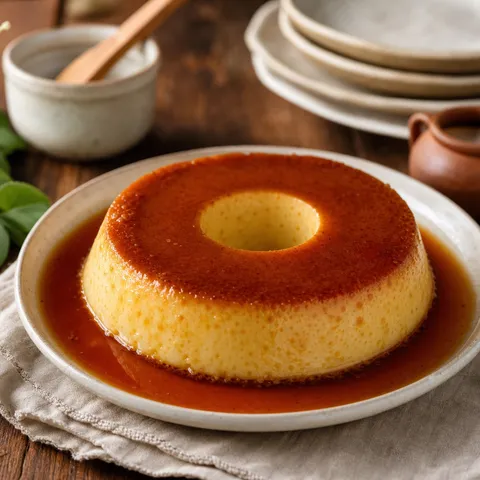 Brazilian Lens Verified Images are for illustrative purposes only, may be inaccurate, and do not guarantee the presence or absence of specific ingredients.
 Pudim de Leite (Brazilian Flan)
A silky caramel-topped milk pudding made with sweetened condensed milk, the most requested dessert at any Brazilian family gathering.
 Brazilian Lens Verified Images are for illustrative purposes only, may be inaccurate, and do not guarantee the presence or absence of specific ingredients.
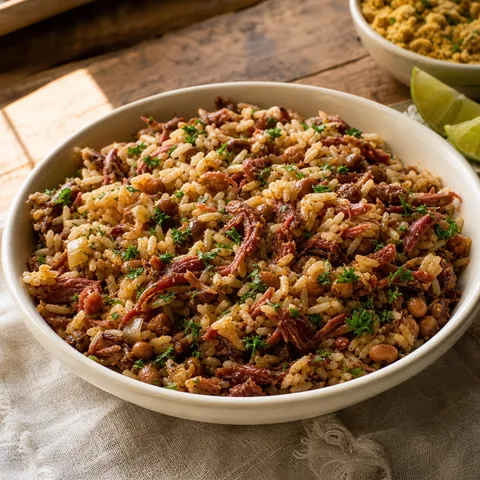
 Arroz Carreteiro (Brazilian Rice with Dried Beef)
A smoky one-pot rice from the gaúcho cattle-drivers of southern Brazil, cooked with shredded dried beef, tomato, and peppers.
 Brazilian Lens Verified Images are for illustrative purposes only, may be inaccurate, and do not guarantee the presence or absence of specific ingredients.
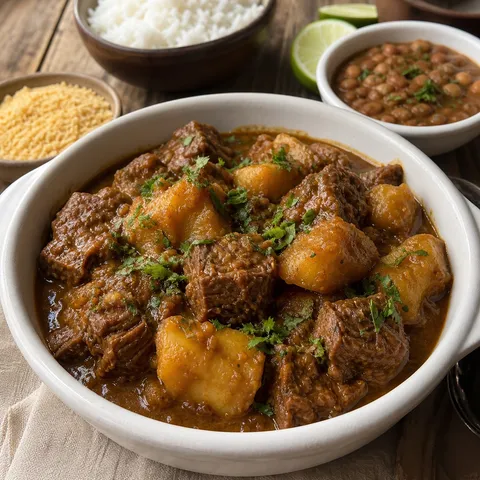
 Vaca Atolada (Beef and Cassava Stew)
"Stuck cow" stew: fall-apart beef short ribs braised with cassava until the pot turns thick and glossy, a Minas Gerais farmhouse classic.