 Nordic Images are for illustrative purposes only, may be inaccurate, and do not guarantee the presence or absence of specific ingredients.
  Serving Images are for illustrative purposes only, may be inaccurate, and do not guarantee the presence or absence of specific ingredients.
 Hákarl
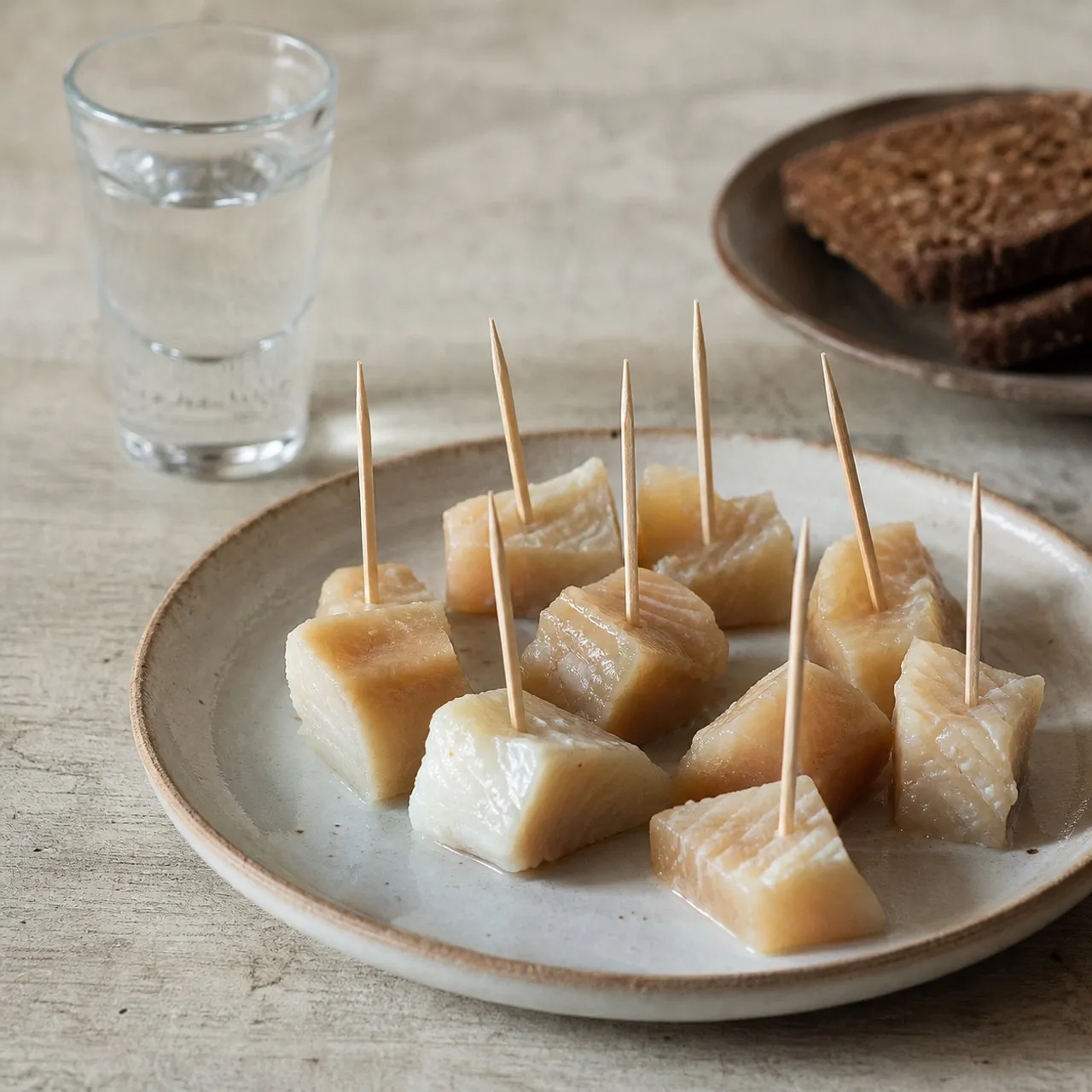
Fermented Greenlandic shark — cured for months until pungent and ammonia-sharp, then air-dried and served in small cubes; Iceland's most notorious delicacy, best chased with brennivín.
Contains common allergens
In the app, Listahan checks these against your household automatically.
Instructions
7 steps- 1
Clean the shark meat thoroughly, as fresh Greenland shark contains high levels of urea and trimethylamine oxide that make it toxic if eaten unprocessed, this is the entire reason for the traditional cure.
- 2
Cut the meat into large chunks and place it in a shallow pit lined with gravel, then bury it under a bed of sand, gravel, and stones to press out the fluids as it ferments.
- 3
Leave the buried meat to ferment for 6 to 12 weeks, during which the toxic compounds break down and the ammonia-heavy fermentation odor develops.
- 4
Dig up the fermented meat, cut it into strips, and hang the strips in a drying shed with good airflow.
- 5
Air-dry the strips for a further 4 to 5 months, until a dark, hardened crust forms on the outside and the interior has firmed into a dense, pungent flesh.
- 6
Cut away and discard the dark outer crust just before serving, exposing the pale, waxy meat underneath.
- 7
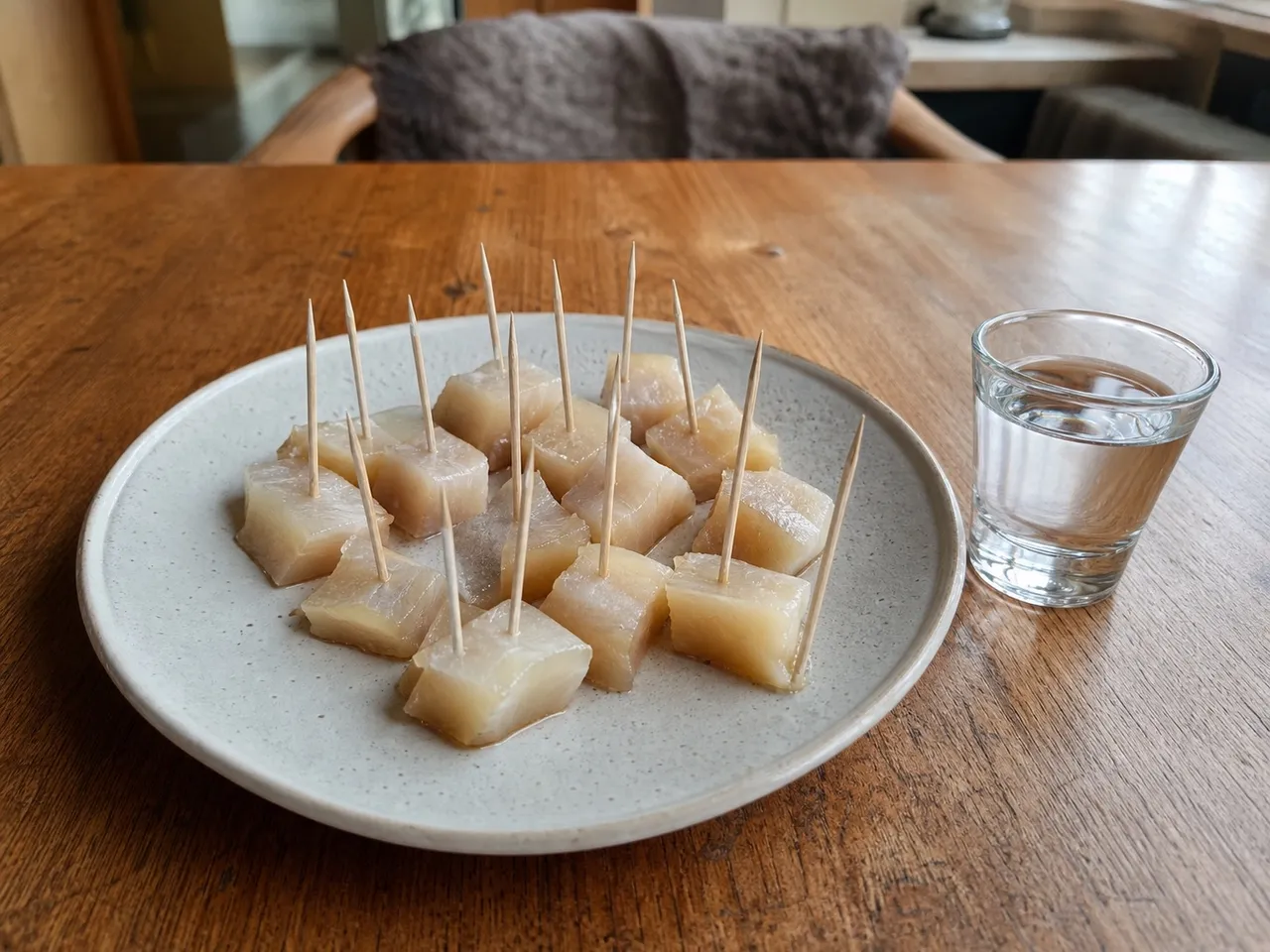
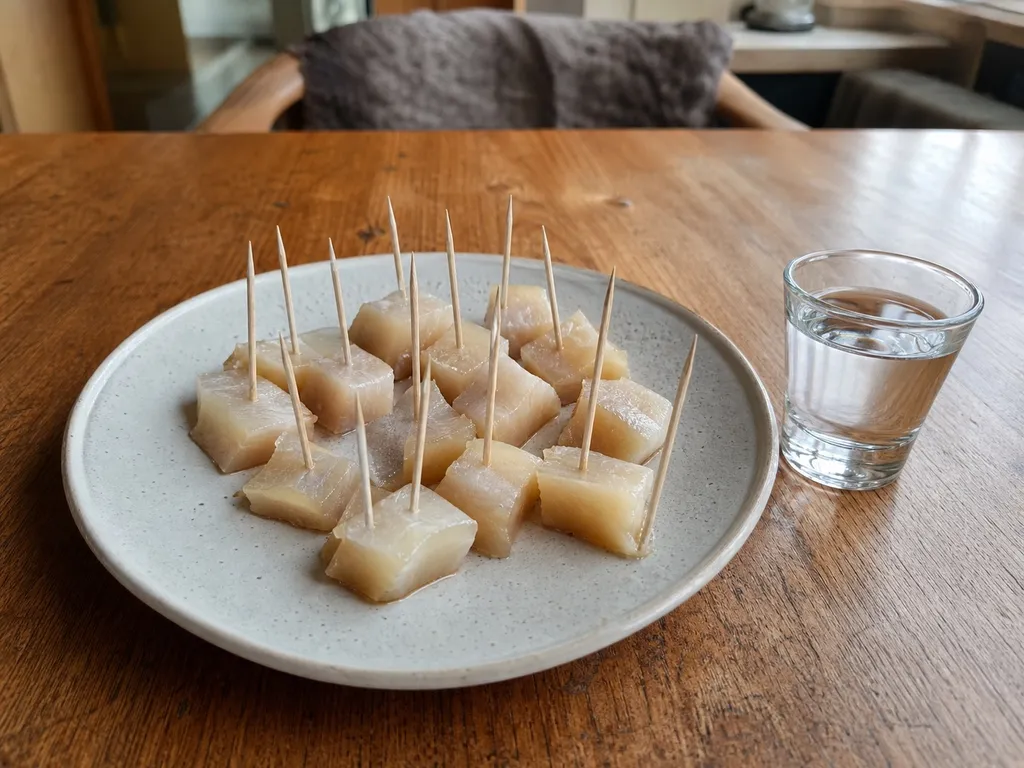
Slice into small bite-sized cubes and serve on toothpicks, traditionally chased immediately with a shot of ice-cold brennivín to cut the sharp ammonia bite.
 Images are for illustrative purposes only, may be inaccurate, and do not guarantee the presence or absence of specific ingredients.
 Listahan Family Score™
65/100
Works for many families
Score reflects how well this recipe fits a typical busy household. In the app, your Family Score is personalized to your household's allergens, kids, and pantry.
Nutrition
per serving125
Calories
13 g
Protein
0 g
Carbs
8 g
Fat
Estimated per serving. Actual values depend on the brands and portions you use.
Listahan cooking guide
Chef notes & practical guide
Technique notes, ingredient swaps, serve-alongside ideas, storage guidance, and equipment for this recipe.
Cultural context
Hákarl is an Icelandic preserved food made from Greenland shark, traditionally fermented and then air-dried before serving. It comes from a practical coastal preservation tradition, but today it is often eaten in very small pieces as a marker of Icelandic food heritage rather than as an everyday main dish.
Listahan note
This version treats hákarl as a tasting plate, not a cooking project. The focus is on small cuts, clean serving, and letting the brennivín sit beside it as the classic sharp counterpoint.
Technique cues
- Cut the hákarl into small, even cubes so each bite stays manageable; oversized pieces can make the aroma feel much stronger.
- Serve it cool or just slightly below room temperature, not warmed. Heat pushes the pungent aroma forward and changes the intended texture.
- Keep the presentation plain: toothpicks, a small plate, and a chilled glass of brennivín are closer to how this is usually approached than a heavily garnished platter.
Kitchen flow
- Parallel prep
- Chill the brennivín first, then cut the hákarl while the glasses frost.
- Make-ahead
- Cut the cubes a short time before serving and keep them covered in the refrigerator so the aroma does not spread.
- Leftover move
- Keep extra pieces for another small tasting plate rather than mixing them into a cooked dish.
- Cleanup rhythm
- Use a dedicated small cutting board, rinse it promptly, and seal scraps before they sit in the kitchen.
Ingredient brief
Role, handling, and swap guidance for each key ingredient.
Fermented Greenlandic shark (Hákarl)
Central preserved seafood
Purpose: It provides the firm chew, pale color, and ammonia-sharp aroma that define the dish.
Handling: Trim into small bite-size cubes and keep the pieces uniform for easier serving.
Adaptation: There is no direct substitute for hákarl; a different cured fish will make a different tasting plate rather than the same dish.
Brennivín schnapps (for serving)
Traditional drink pairing
Purpose: Its caraway note and clean spirit finish stand up to the shark's intensity.
Handling: Serve well chilled in small pours alongside the cubes.
Adaptation: Aquavit gives a similar caraway direction, while chilled vodka keeps the pairing cleaner and less herbal.
toothpick
Serving pick
Purpose: Small picks make it easy to take a single cube without handling the fish directly.
Handling: Set one toothpick per cube or provide a small cup of picks next to the plate.
Adaptation: Small cocktail forks work if you want a tidier table setup.
Fermented Greenlandic shark (Hákarl)
Portioning guide
Purpose: The dish is best treated as a strong tasting bite, so portion size matters as much as the ingredient itself.
Handling: Slice only what you plan to serve and keep the remaining piece covered until needed.
Adaptation: Serve fewer, smaller cubes for first-time tasters rather than trying to soften the dish with extra ingredients.
Technique notes
- Use a very sharp knife so the cubes stay clean-edged instead of ragged.
- Open the package close to serving time; the aroma is part of the food, but it can take over the room quickly.
- Pour small drinks rather than full shots if people are tasting hákarl for the first time.
Ingredient swaps
- Drink backup
- Use chilled aquavit if brennivín is hard to find; it keeps the Nordic caraway direction without changing the plate.
- No-alcohol serving
- Serve with very cold sparkling water and a lemon wedge on the side; it will not mimic brennivín, but it gives the palate a clean reset.
- First-timer portion
- Cut smaller cubes and serve only a few at a time so the tasting stays controlled.
Serve alongside
- Rugbraud with butter
- Boiled new potatoes with dill
- Pickled cucumber slices
- Icelandic rye flatbread
- Chilled brennivín
- Aquavit
- Lemon sparkling water
Serving suggestions only — check pairings for your household's allergens.
Storage & reheating
- Refrigerate leftover hákarl tightly covered in a sealed container.
- Do not reheat; serve leftovers cold or let them sit briefly before serving so the texture loosens slightly.
- Freezing is not a good move for a small prepared portion because it can make the texture drier after thawing.
Equipment
- Sharp paring knife
- Small cutting board
- Small serving plate
- Shot glasses
Make this household-aware
Listahan Pro checks this recipe against your household's allergens, finds pantry-aware swaps, builds the shopping list, and helps you plan the week around it.
Plan it in Listahan
Add Hákarl to your week, check it against your household's allergens, and build the shopping list automatically.
More Nordic recipes
 Nordic Lens Verified Images are for illustrative purposes only, may be inaccurate, and do not guarantee the presence or absence of specific ingredients.
 Risalamande
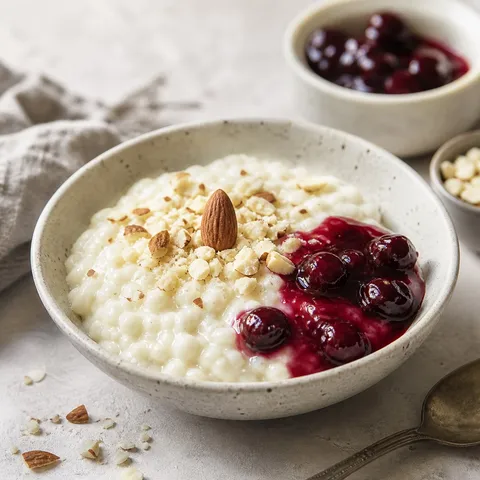
A creamy Danish cold rice pudding folded with whipped cream and chopped almonds, served with a glossy warm cherry sauce on Christmas Eve.
 Nordic Lens Verified Images are for illustrative purposes only, may be inaccurate, and do not guarantee the presence or absence of specific ingredients.
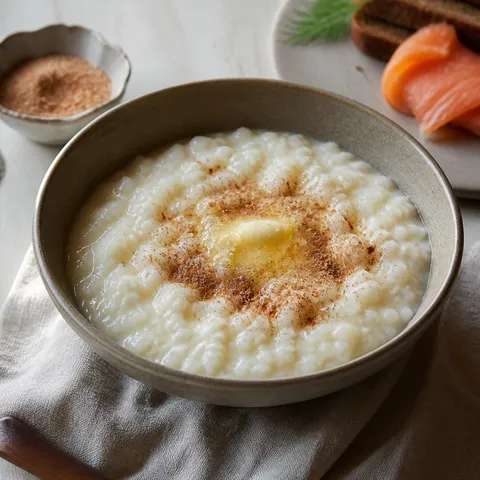
 Risgrynsgröt
Creamy Nordic rice porridge, slow-cooked until thick and comforting, scented with cinnamon and served with a pat of melting butter — Christmas morning in a bowl.
 Nordic Lens Verified Images are for illustrative purposes only, may be inaccurate, and do not guarantee the presence or absence of specific ingredients.
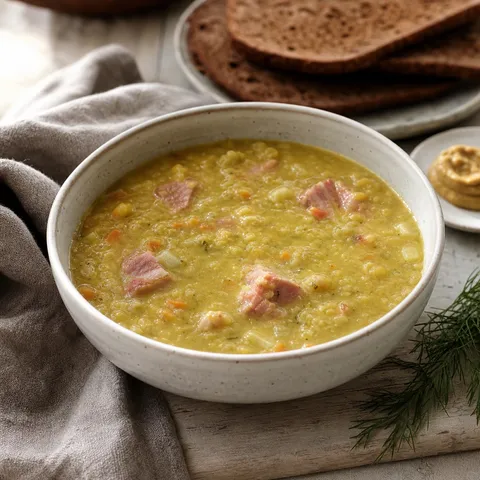
 Hernekeitto
Finland's beloved Thursday pea soup — yellow split peas simmered with smoky ham until thick and hearty, traditionally served with a shot of Finnish mustard and pancakes.