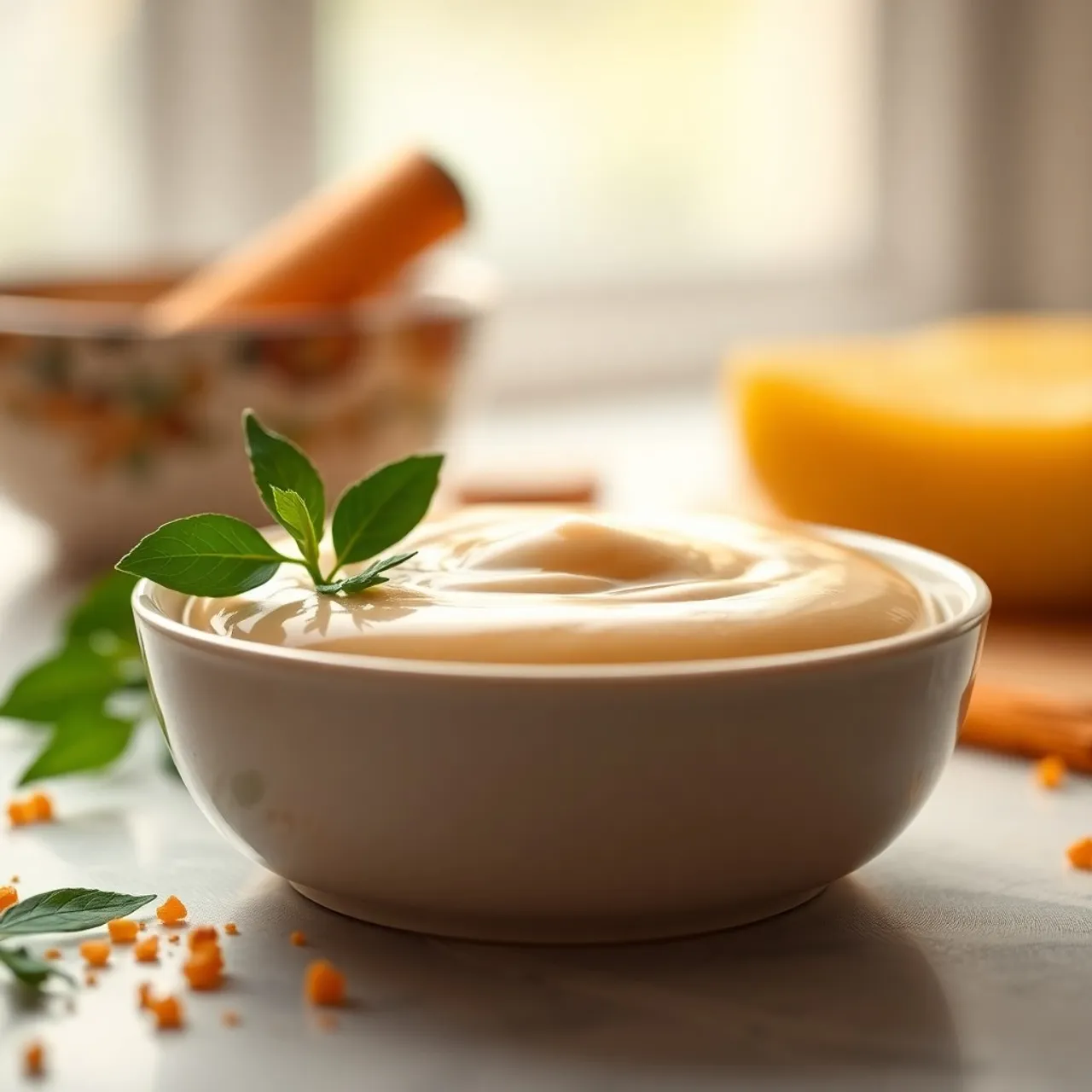
 Sauces & Dressings Images are for illustrative purposes only, may be inaccurate, and do not guarantee the presence or absence of specific ingredients.
 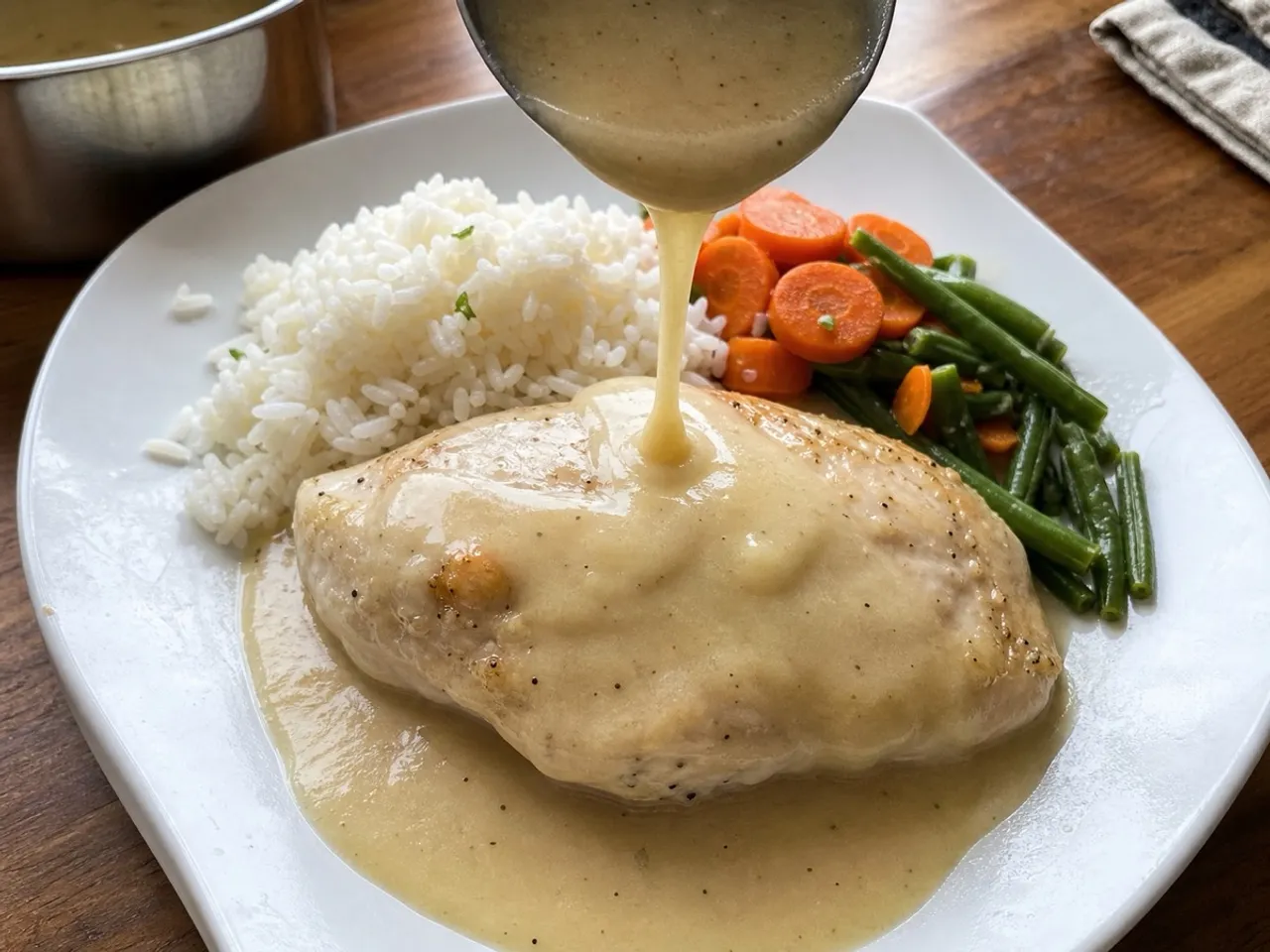 Serving Images are for illustrative purposes only, may be inaccurate, and do not guarantee the presence or absence of specific ingredients.
 Velouté Sauce
A light mother sauce built from a blond roux and clear stock, the velvety base for chicken pot pie, supreme sauce, and creamy soups.
Contains common allergens
In the app, Listahan checks these against your household automatically.
Good to know
- One-pot
- Ready in under 30 minutes
Matched from this dish's own ingredients and timing. Browse more: one-pot dinners30-minute meals
Instructions
5 steps- 1
Melt the butter in a saucepan over medium heat until it foams.
- 2
Whisk in the flour and cook the blond roux for 2 to 3 minutes, keeping it pale.
- 3
Gradually whisk in the warm stock until smooth, breaking up any lumps.
- 4
Simmer gently for 15 to 20 minutes, skimming any foam, until lightly thickened and glossy.
- 5
Stir in the cream and season with salt and white pepper, then strain through a fine sieve.
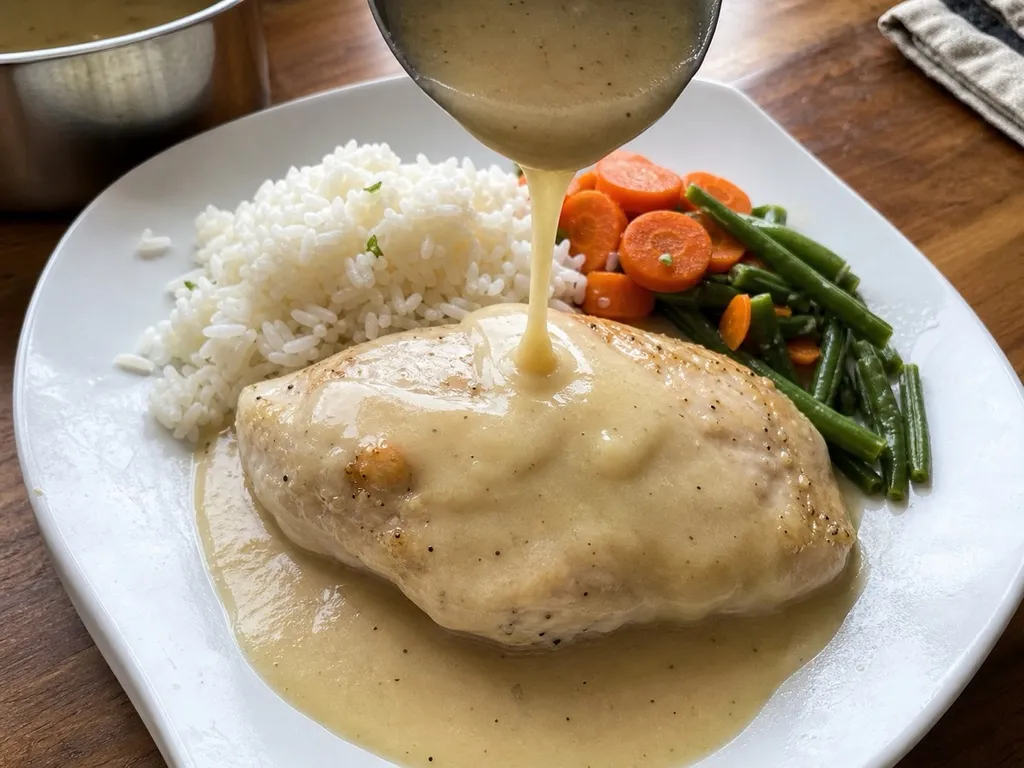 Images are for illustrative purposes only, may be inaccurate, and do not guarantee the presence or absence of specific ingredients.
 Listahan Family Score™
71/100
Good fit for most families
Score reflects how well this recipe fits a typical busy household. In the app, your Family Score is personalized to your household's allergens, kids, and pantry.
Nutrition
per serving180
Calories
13 g
Protein
3 g
Carbs
13 g
Fat
Estimated per serving. Actual values depend on the brands and portions you use.
Listahan cooking guide
Chef notes & practical guide
Technique notes, ingredient swaps, serve-alongside ideas, storage guidance, and equipment for this recipe.
Cultural context
Velouté is one of the five French mother sauces codified by Antonin Careme in the early 1800s and later refined by Auguste Escoffier. Its name comes from the French word for velvety, which describes the silky texture that comes from cooking a blond roux into a light stock instead of milk. Unlike a creamy bechamel, a velouté tastes of whatever stock it is built on, which is why it became the base for countless classic chicken and fish sauces.
Listahan note
This version keeps the roux blond rather than brown so the sauce stays pale and lets the stock flavor lead. It is built thin enough to nap a piece of chicken without turning gluey.
Technique cues
- Cook the flour and butter together for two to three minutes until it smells faintly of toasted nuts but has not colored, so the sauce loses any raw-flour taste while staying pale.
- Add the stock hot and in stages while whisking, which keeps the roux from seizing into lumps that you would otherwise have to strain out later.
- Let it simmer gently for at least fifteen minutes and skim the skin that rises, because that slow reduction is what turns a starchy paste into something genuinely velvety.
Kitchen flow
- Parallel prep
- Heat the stock in a separate pan while the roux cooks so it is ready to stream in the moment the flour is done.
- Make-ahead
- Make the velouté up to two days ahead and press plastic wrap onto the surface to stop a skin from forming.
- Leftover move
- Thin leftover velouté with a splash of stock and fold in cooked chicken and peas for a quick pot-pie filling.
- Cleanup rhythm
- Soak the whisk and pan in hot water right away, since cooled roux glues itself to metal.
Ingredient brief
Role, handling, and swap guidance for each key ingredient.
Butter
roux fat
Purpose: Butter carries the flour into suspension and adds a quiet richness that rounds out the finished sauce.
Handling: Melt it over medium heat until foaming but not browning before adding the flour.
Adaptation: A neutral oil or a dairy-free butter works if you need to avoid dairy, though you lose a little richness.
All-purpose flour
thickener
Purpose: Flour cooked into the butter forms the roux that gives the sauce its body and signature velvety cling.
Handling: Whisk it into the melted butter and cook just until it stops smelling raw.
Adaptation: A measure-for-measure gluten-free flour blend or a cornstarch slurry stirred in at the end thickens just as well.
Chicken stock
flavor base
Purpose: The stock is the whole personality of the sauce, so its depth determines whether the velouté tastes flat or savory.
Handling: Warm it before adding so it blends into the roux without lumping.
Adaptation: Fish or vegetable stock builds a different but equally classic velouté for seafood or meatless dishes.
White pepper
seasoning
Purpose: White pepper adds warmth without the dark specks that would mar the pale color of a classic velouté.
Handling: Add a small pinch near the end and taste before adding more.
Adaptation: Finely ground black pepper works if you do not mind the flecks.
Technique notes
- Whisk in a small spoonful of cold butter off the heat just before serving to give the surface a glossy, restaurant-style sheen.
- If lumps form, push the sauce through a fine sieve rather than whisking harder, which only beats the lumps smaller.
- Reduce slightly longer than you think for a sauce that coats the back of a spoon and leaves a clean line when you run a finger through it.
Ingredient swaps
- Gluten-free direction
- Replace the flour roux with a cornstarch or rice-flour slurry whisked in at the end for the same body without wheat.
- Dairy-free option
- Build the roux with olive oil or a vegan butter and finish with a splash of unsweetened oat cream.
- Lower-sodium direction
- Use unsalted or low-sodium stock and season only at the very end so you control the salt yourself.
Serve alongside
- Roast chicken breast
- Steamed asparagus spears
- Buttered egg noodles
- Poached white fish fillets
- Unoaked Chardonnay
- Dry Riesling
- Sparkling water with lemon
Serving suggestions only — check pairings for your household's allergens.
Storage & reheating
- Keep velouté in a sealed container in the fridge for up to three days, with plastic pressed to the surface to prevent a skin.
- Reheat gently over low heat while whisking and loosen with a little warm stock if it has thickened too much.
- Freezing is not recommended because the roux can separate and turn grainy on thawing.
Equipment
- Heavy-bottomed saucepan
- Balloon whisk
- Fine-mesh sieve
- Second small pan for warming stock
Make this household-aware
Listahan Pro checks this recipe against your household's allergens, finds pantry-aware swaps, builds the shopping list, and helps you plan the week around it.
Plan it in Listahan
Add Velouté Sauce to your week, check it against your household's allergens, and build the shopping list automatically.
More Sauces & Dressings recipes
 Sauces & Dressings Lens Verified Images are for illustrative purposes only, may be inaccurate, and do not guarantee the presence or absence of specific ingredients.
 Espagnole Sauce
A deep brown mother sauce of dark roux, mirepoix, and beef stock that forms the foundation for demi-glace and rich meat sauces.
 Sauces & Dressings Lens Verified Images are for illustrative purposes only, may be inaccurate, and do not guarantee the presence or absence of specific ingredients.
 Hollandaise Sauce
A silky, buttery emulsion brightened with lemon that crowns eggs Benedict, asparagus, and poached fish in golden luxury.
 Sauces & Dressings Lens Verified Images are for illustrative purposes only, may be inaccurate, and do not guarantee the presence or absence of specific ingredients.
 Peanut Satay Sauce
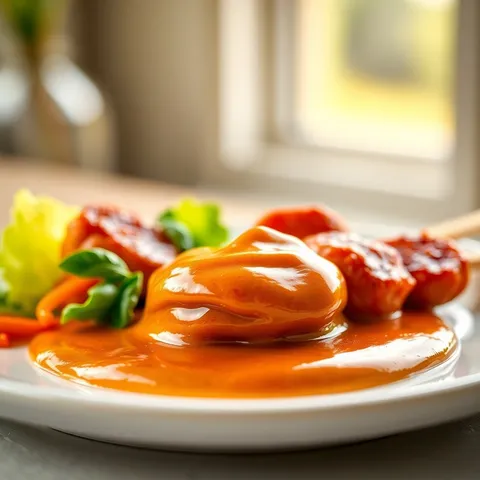
A rich, creamy Southeast Asian dipping sauce of peanut butter, coconut milk, and soy with a sweet-spicy lime finish for grilled skewers.