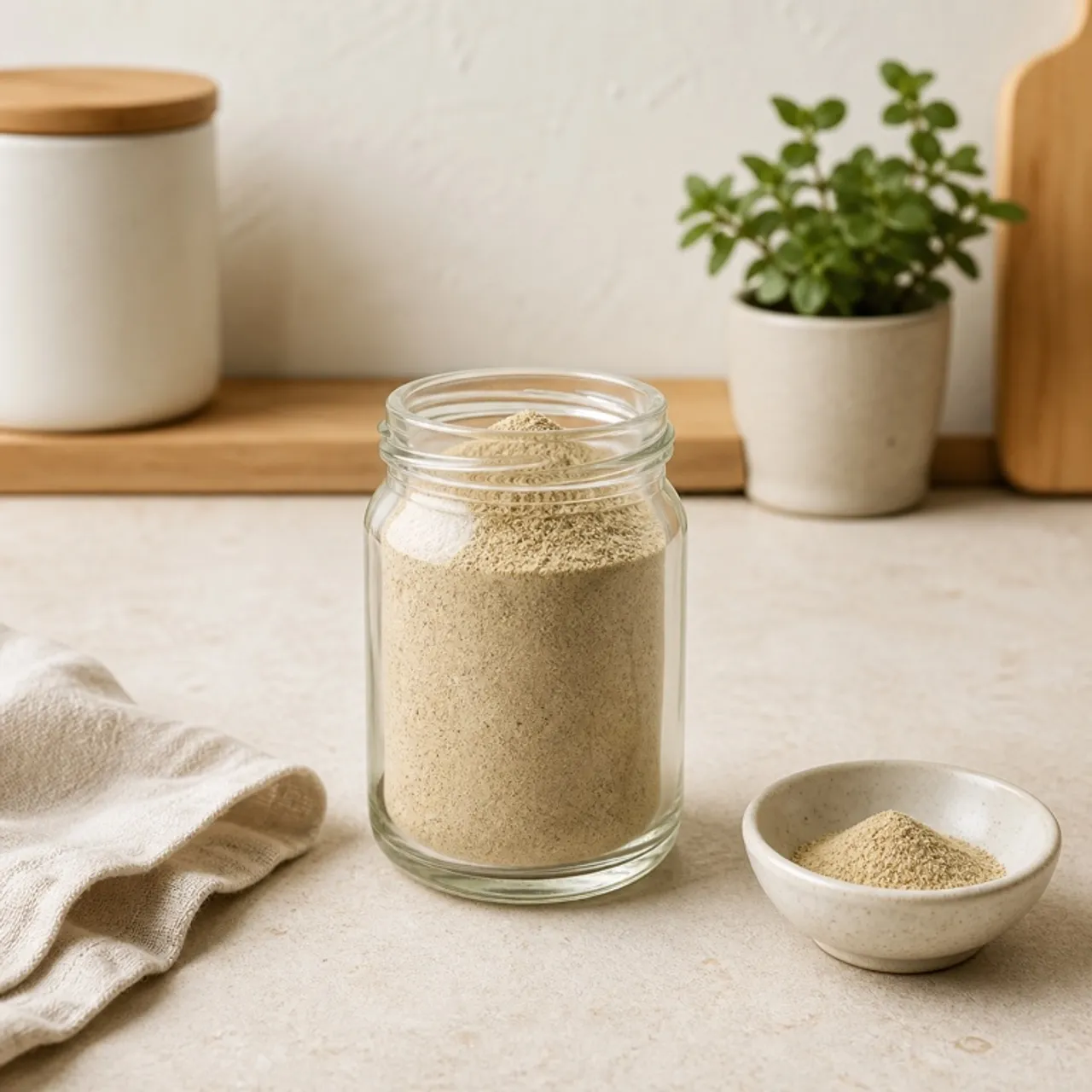
 Food Lens Images are for illustrative purposes only, may be inaccurate, and do not guarantee the presence or absence of specific ingredients.
 Food Lens · Recipe ingredients
White Pepper
Sharp, earthy heat with a slightly musty, fermented bite and less floral brightness than black pepper.
Lens VerifiedWhite pepper is the fully ripened inner seed of the black pepper berry, with the dark outer hull removed, yielding a milder heat and an earthy, almost musty sharpness that is prized in Asian and European cooking. It is especially common in Chinese, Thai, and French cuisines where flecks of black pepper would be unwelcome visually.
Where it comes from
The same pepper vine produces both black and white peppercorns — the difference lies entirely in when the berry is picked and how it is processed. White pepper's more fermented, earthy note made it the preferred choice in Chinese and Southeast Asian kitchens, and immigrant cooks carried that preference to North America, making it a staple ingredient in Asian grocery stores and specialty spice shops.
Varieties — Ground white pepper is the most common form in North American stores. Whole white peppercorns are also available for grinders or long-cooked stocks. Vietnamese and Indonesian white peppers are the main commercial varieties, each with slightly different heat profiles.
In Chinese cooking, white pepper is nearly always preferred over black — a dash in wonton soup or congee is considered essential. In French cuisine it seasons béchamel and velouté sauces where a clean white appearance matters.
In a modern kitchen — White pepper's heat is front-of-mouth and fades quickly, while black pepper lingers. If a recipe feels flat but black pepper would ruin the look, white pepper is the fix.
Buying it
Buy pre-ground white pepper in small quantities because it loses its aroma quickly; purchase whole peppercorns and grind fresh when possible. Pale, creamy-colored peppercorns are fresh; yellowing or grey indicates age.
Storing it
Keep sealed in a cool, dark cupboard away from the stove. Ground white pepper fades in punch faster than expected — a musty or dull smell means it's due for replacing.
Keeps about 1 year in the pantry.
Out of white pepper? Good swaps
- Black pepper — Use 1:1 for heat — the flavor is bolder and more complex, and the dark color will show in light-colored dishes.
- Ground ginger — A small pinch (¼ ratio) mimics some of white pepper's earthy warmth in Asian soups without the visual concern.
- Cayenne pepper — Use sparingly (¼ ratio) for heat in cooked dishes where appearance is not critical; quite different in flavor.
General cooking guidance — always check the labels on the products you use. Listahan’s allergen checks run automatically when you plan a recipe in the app. Not medical advice.
Recipes that use white pepper
Common questions about white pepper
Is white pepper vegan?
White Pepper is generally plant-based and suitable for a vegan diet, but brands differ — confirm on the label.
What can I use instead of white pepper?
Good swaps include Black pepper, Ground ginger, Cayenne pepper. Each behaves a little differently — see the swaps above for notes, and always check labels for allergens.
How do I store white pepper?
Keep sealed in a cool, dark cupboard away from the stove. Ground white pepper fades in punch faster than expected — a musty or dull smell means it's due for replacing. It keeps about 1 year in the pantry.
More recipe ingredients
See all


Make white pepper about your kitchen — with Listahan Pro
Everything above is free, forever. Pro adds the Household Lens — the same food, seen for your family:
-
Checked for each member
Flags white pepper per person against your household's allergies and school rules — not just a generic "contains" tag.
-
Pantry-aware
Knows whether you already have it, what is running low, and the best swap from what is in your kitchen tonight.
-
What it costs near you
A real price from the Presyo community index, so you can plan the budget — not guess.
-
Your household memory
Who likes it, plus your own private notes — brand, where you keep it, who skips it.
Allergen safety is always free — Pro adds the automation, never the safety.
Cook with white pepper — safely
Plan a recipe in Listahan and the household allergen check runs automatically — every plan, every swap, every lunchbox. Safety is never paywalled.