 Nordic Images are for illustrative purposes only, may be inaccurate, and do not guarantee the presence or absence of specific ingredients.
  Serving Images are for illustrative purposes only, may be inaccurate, and do not guarantee the presence or absence of specific ingredients.
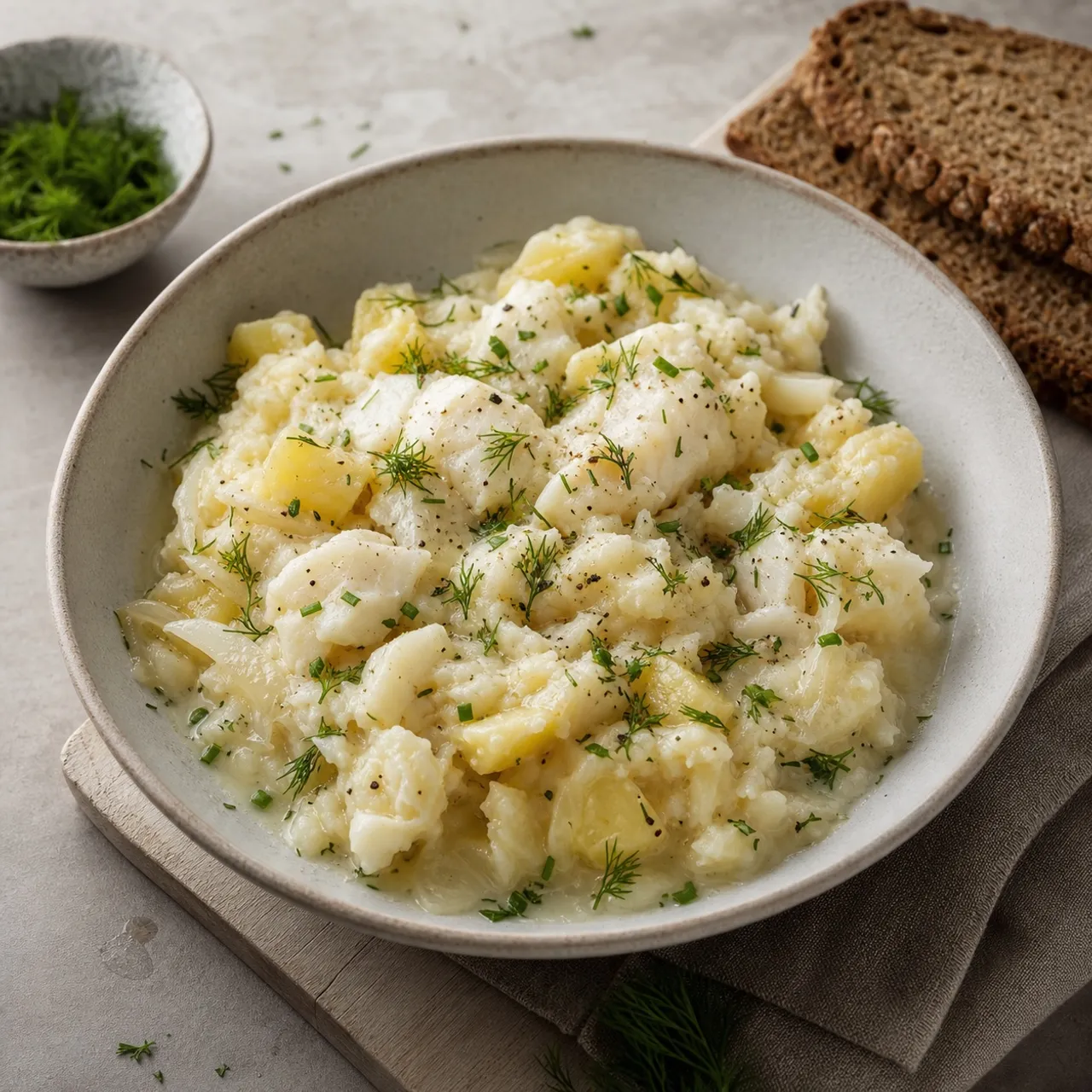
 Plokkfiskur
Iceland's rustic fish hash — flaky white fish and tender potatoes bound in a creamy béchamel, baked until bubbling; humble, hearty, and deeply satisfying on a cold evening.
Contains common allergens
In the app, Listahan checks these against your household automatically.
Instructions
7 steps- 1
Boil the potatoes in salted water until fork-tender, about 15 minutes, drain and set aside.
- 2
Meanwhile, poach the fish in a shallow pan of barely simmering salted water for 6 to 8 minutes, until just cooked through, then drain and flake into large chunks, discarding any bones.
- 3
Melt 2 tablespoons of the butter in a saucepan, add the onion, and cook until soft and translucent.
- 4
Sprinkle in the flour and cook, stirring, for 1 minute to form a roux, then gradually whisk in the milk to make a smooth bechamel, simmering until thickened.
- 5
Season the sauce with nutmeg, salt, and white pepper, then gently fold in the flaked fish and boiled potatoes, breaking the potatoes slightly to help thicken the mixture.
- 6
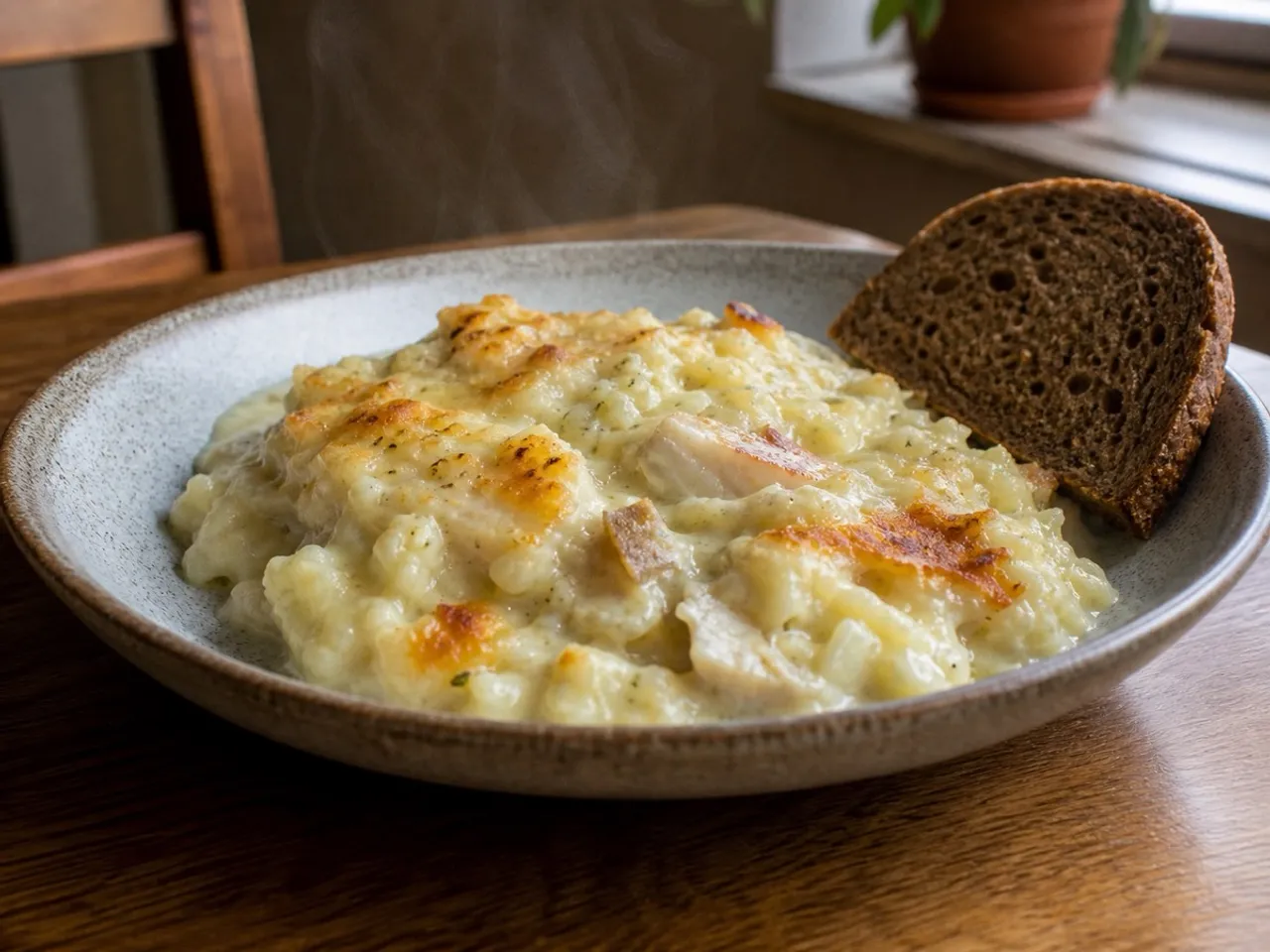
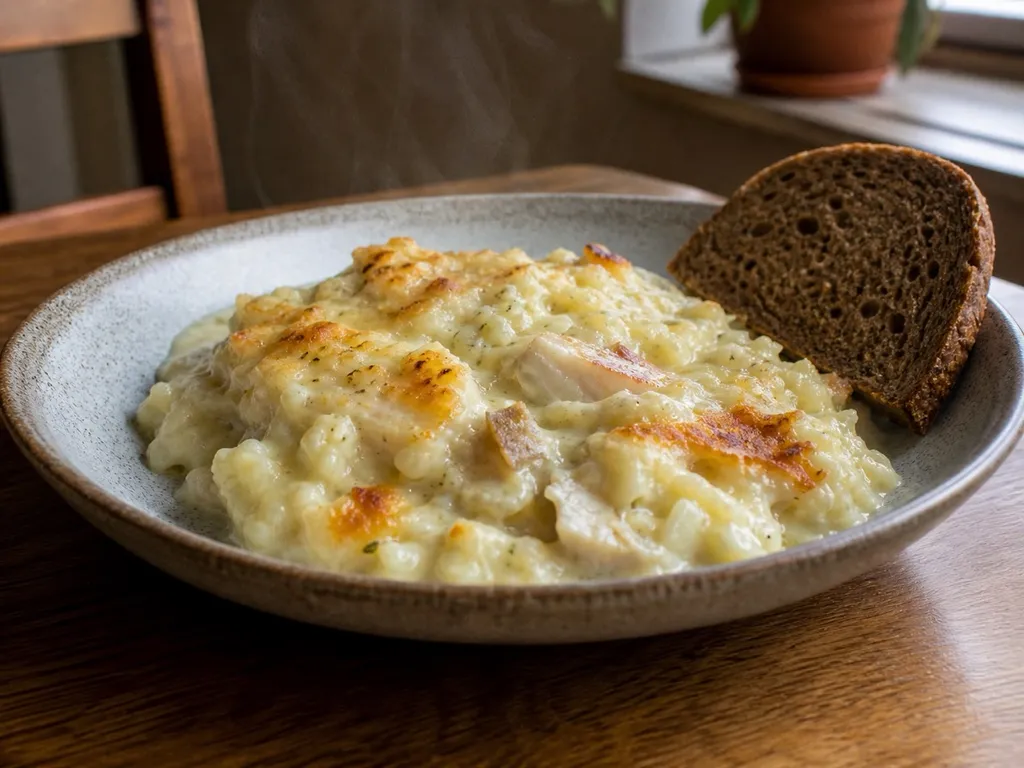
Spread into a buttered baking dish, dot with the remaining butter, and bake at 400 F for 15 to 20 minutes, until bubbling and lightly golden on top.
- 7
Serve hot straight from the dish with buttered rye bread.
 Images are for illustrative purposes only, may be inaccurate, and do not guarantee the presence or absence of specific ingredients.
 Listahan Family Score™
62/100
Works for many families
Score reflects how well this recipe fits a typical busy household. In the app, your Family Score is personalized to your household's allergens, kids, and pantry.
Nutrition
per serving340
Calories
37 g
Protein
28 g
Carbs
9 g
Fat
Estimated per serving. Actual values depend on the brands and portions you use.
Listahan cooking guide
Chef notes & practical guide
Technique notes, ingredient swaps, serve-alongside ideas, storage guidance, and equipment for this recipe.
Cultural context
Plokkfiskur, which translates roughly as 'plucked fish,' is an Icelandic fisherman's dish with roots in the practical need to use every piece of the daily catch, including smaller or broken fillets that would not present well whole. Potatoes were a staple of the Icelandic diet by the 18th century, and the combination of poached white fish, boiled potato, and onion in a thick milk sauce became a Tuesday-night fixture in Icelandic homes. It is the Nordic equivalent of shepherd's pie in its comfort-food status, eaten from deep bowls with dense rye bread on the side.
Listahan note
This version focuses on getting the white sauce thick enough to bind the fish and potato without becoming gluey, and on keeping the fish in generous flakes rather than mashing the whole dish to a uniform paste.
Technique cues
- Poach the fish gently in salted water or milk just until it flakes without resistance, then remove it before it tightens; overcooked fish breaks into dry threads that get lost in the sauce.
- The milk-based bechamel needs to be seasoned aggressively at the end, as potatoes and white fish both absorb salt and the dish will taste flat if the sauce is timid.
- Fold the fish and potato into the sauce off the heat in a single gentle motion to preserve flake size; returning the pan to heat briefly to warm through is enough without further stirring.
Kitchen flow
- Parallel prep
- Boil the potatoes and poach the fish at the same time in separate pots; sweat the onion in a third pan simultaneously so everything is ready to combine within the same window.
- Make-ahead
- The assembled dish keeps refrigerated for up to 2 days; reheat gently on the stovetop with a splash of milk stirred in to loosen the sauce.
- Leftover move
- Press cold leftover plokkfiskur into patties, coat lightly in breadcrumbs, and pan-fry in butter for fish cakes that are crispier and arguably better than the original.
- Cleanup rhythm
- Deglaze the sauce pan with water immediately after plating; the starch from the bechamel sets quickly and is harder to remove once cold.
Ingredient brief
Role, handling, and swap guidance for each key ingredient.
White fish
main protein and flavor base
Purpose: Cod or haddock provide the mild, flaky body of the dish; their neutral flavor lets the cream sauce and onion come forward.
Handling: Poach in lightly salted water for 6 to 8 minutes until just opaque, then drain and break into large flakes by hand.
Adaptation: Pollock or tilapia work well; avoid oily fish like salmon, which will make the sauce greasy.
potatoes
starchy bulk and texture
Purpose: Waxy potatoes hold their shape in diced form and give the dish substance without making it heavy.
Handling: Boil in salted water until just tender enough to pierce with a fork, then drain and cut into rough 1 cm dice while still warm.
Adaptation: Parsnip or turnip can replace a portion of the potato for a slightly earthier, less starchy result.
onions
aromatic backbone
Purpose: Slowly sweated onion adds sweetness and depth that keep the dish from tasting one-dimensional.
Handling: Dice finely and cook in butter over medium-low heat until fully soft and translucent, about 10 minutes, before building the sauce.
Adaptation: Leeks give a milder, slightly more delicate flavor and work especially well if available.
milk
sauce base
Purpose: Whole milk creates a lighter bechamel than cream, which suits the dish's heritage as working-class everyday food.
Handling: Warm gently before adding to the roux to prevent lumps from forming.
Adaptation: Unsweetened oat milk thickens similarly and keeps the dish dairy-free; increase the flour slightly for a firmer set.
Technique notes
- A grating of fresh nutmeg into the bechamel is traditional and adds a subtle warmth that is easy to skip but worth adding.
- If the sauce breaks or looks grainy, whisk in a tablespoon of cold milk off the heat and stir vigorously; it will come back together.
- Finish with a little white pepper rather than black; the heat is similar but it disappears into the pale sauce without visible specks.
Ingredient swaps
- Dairy-free direction
- Use oat milk for the sauce and vegan butter for the roux; the result is slightly less rich but still cohesive.
- Gluten-free direction
- Replace the flour in the roux with an equal weight of fine potato starch; whisk constantly as it thickens faster and can clump.
- Budget swap
- Canned cod or drained canned tuna can replace fresh fish in a pinch; add it at the very end without any further cooking to prevent it from drying out.
Serve alongside
- dense Icelandic rye bread (rugbraud) or dark sourdough rye slices
- pickled red cabbage with caraway
- simple green salad with cider vinegar and mustard dressing
- cold whole milk or buttermilk
- dry Icelandic or Nordic pale lager
Serving suggestions only — check pairings for your household's allergens.
Storage & reheating
- Refrigerate in a covered container for up to 2 days; the sauce thickens considerably when cold.
- Reheat on the stovetop over medium-low heat, stirring and adding a splash of milk to restore the original consistency.
- Freezing is not recommended as the bechamel separates on thawing and the potato texture degrades.
Equipment
- medium saucepan for poaching fish
- separate pot for boiling potatoes
- heavy-bottomed saucepan for the bechamel
- whisk
Make this household-aware
Listahan Pro checks this recipe against your household's allergens, finds pantry-aware swaps, builds the shopping list, and helps you plan the week around it.
Plan it in Listahan
Add Plokkfiskur to your week, check it against your household's allergens, and build the shopping list automatically.
More Nordic recipes
 Nordic Lens Verified Images are for illustrative purposes only, may be inaccurate, and do not guarantee the presence or absence of specific ingredients.
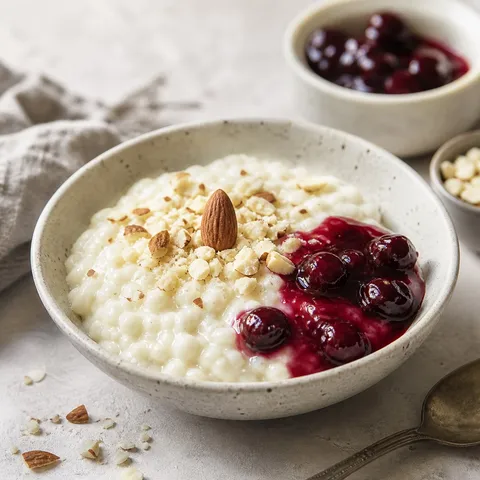
 Risalamande
A creamy Danish cold rice pudding folded with whipped cream and chopped almonds, served with a glossy warm cherry sauce on Christmas Eve.
 Nordic Lens Verified Images are for illustrative purposes only, may be inaccurate, and do not guarantee the presence or absence of specific ingredients.
 Risgrynsgröt
Creamy Nordic rice porridge, slow-cooked until thick and comforting, scented with cinnamon and served with a pat of melting butter — Christmas morning in a bowl.
 Nordic Lens Verified Images are for illustrative purposes only, may be inaccurate, and do not guarantee the presence or absence of specific ingredients.
 Hernekeitto
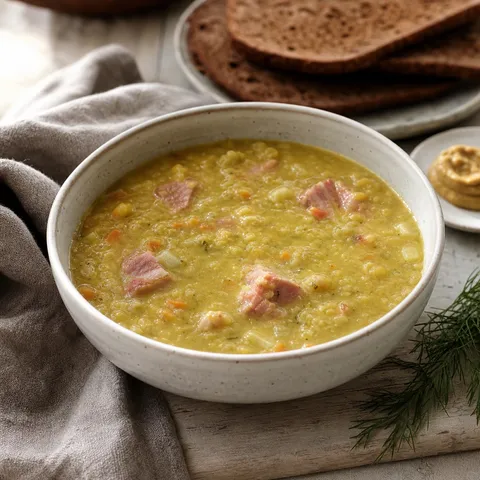
Finland's beloved Thursday pea soup — yellow split peas simmered with smoky ham until thick and hearty, traditionally served with a shot of Finnish mustard and pancakes.