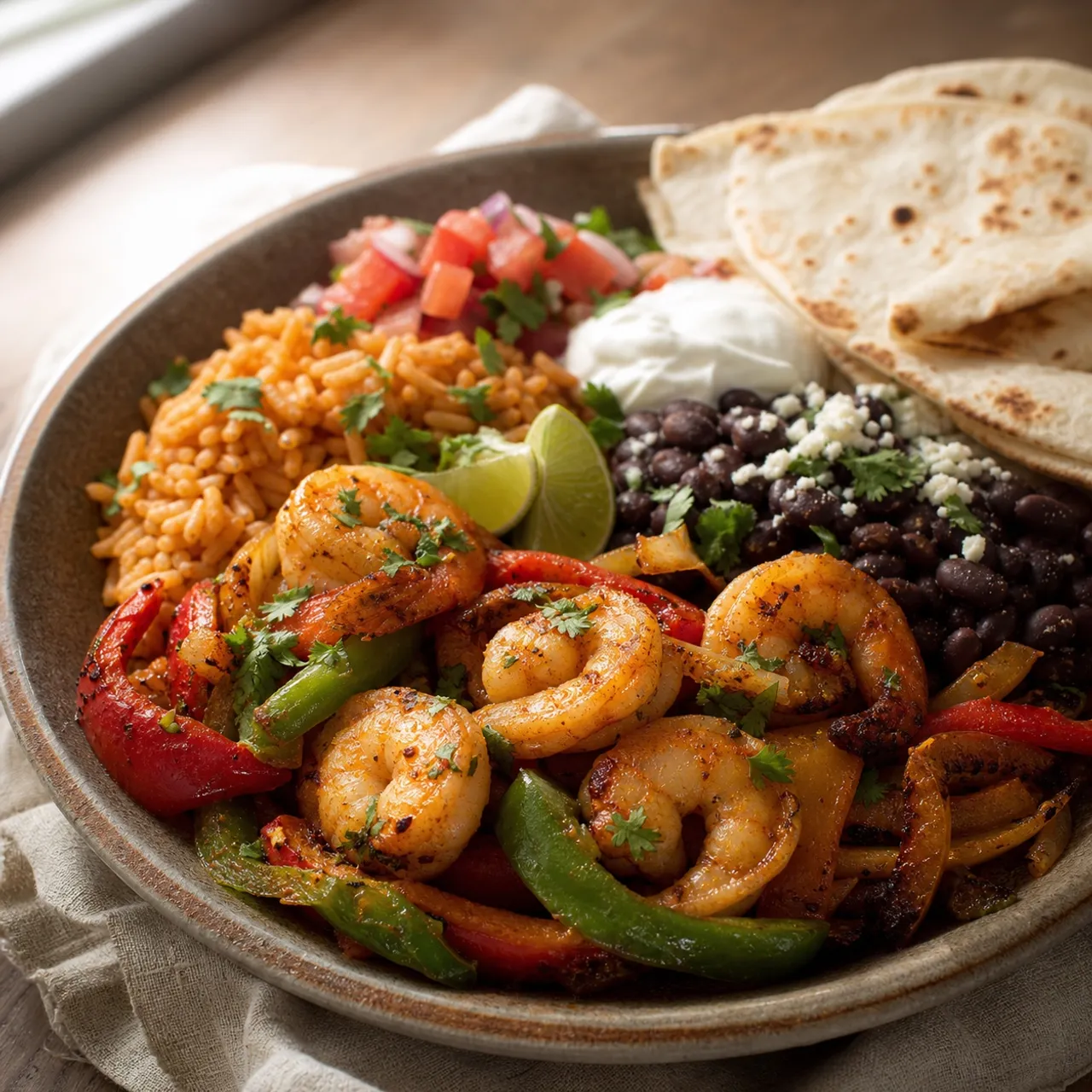
 Tex Mex Images are for illustrative purposes only, may be inaccurate, and do not guarantee the presence or absence of specific ingredients.
 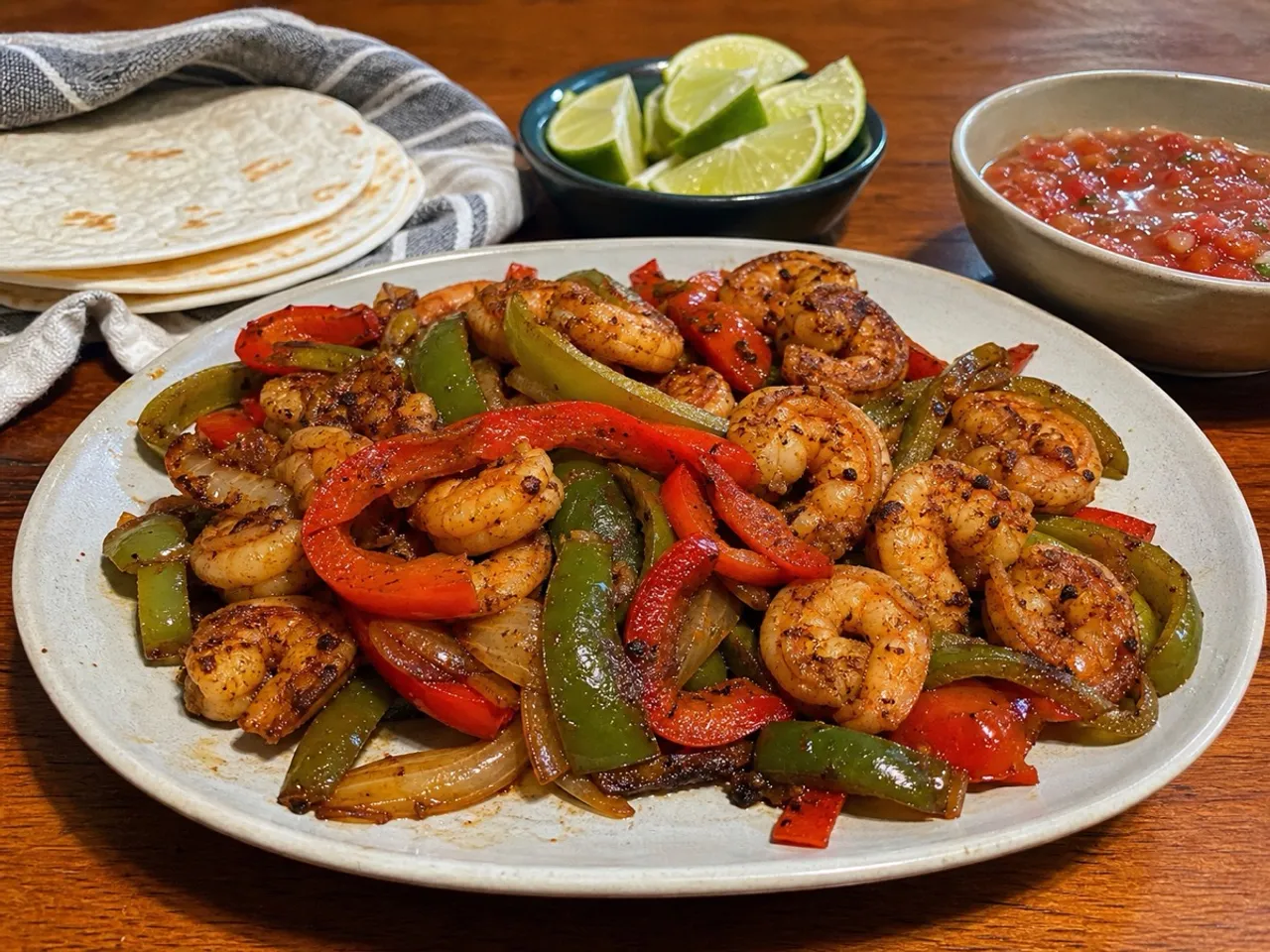 Serving Images are for illustrative purposes only, may be inaccurate, and do not guarantee the presence or absence of specific ingredients.
 Shrimp Fajitas
Quick-seared garlicky shrimp with charred peppers and onions, wrapped in warm tortillas for a light Tex-Mex dinner.
Contains common allergens
In the app, Listahan checks these against your household automatically.
Good to know
- Ready in under 30 minutes
Matched from this dish's own ingredients and timing. Browse more: 30-minute meals
Instructions
6 steps- 1
Toss the shrimp with lime juice, 1 tablespoon oil, chili powder, cumin, garlic, and salt; let marinate for 10 minutes.
- 2
Heat 1 tablespoon oil in a large skillet over high heat and saute the peppers and onion until charred and tender-crisp, about 6 minutes; remove and set aside.
- 3
Add the remaining oil to the skillet and cook the shrimp in a single layer for 1-2 minutes per side until pink and just cooked through.
- 4
Return the peppers and onion to the skillet and toss everything together over high heat until sizzling.
- 5
Remove from heat immediately to avoid overcooking the shrimp.
- 6
Serve hot with warm tortillas, lime wedges, and salsa.
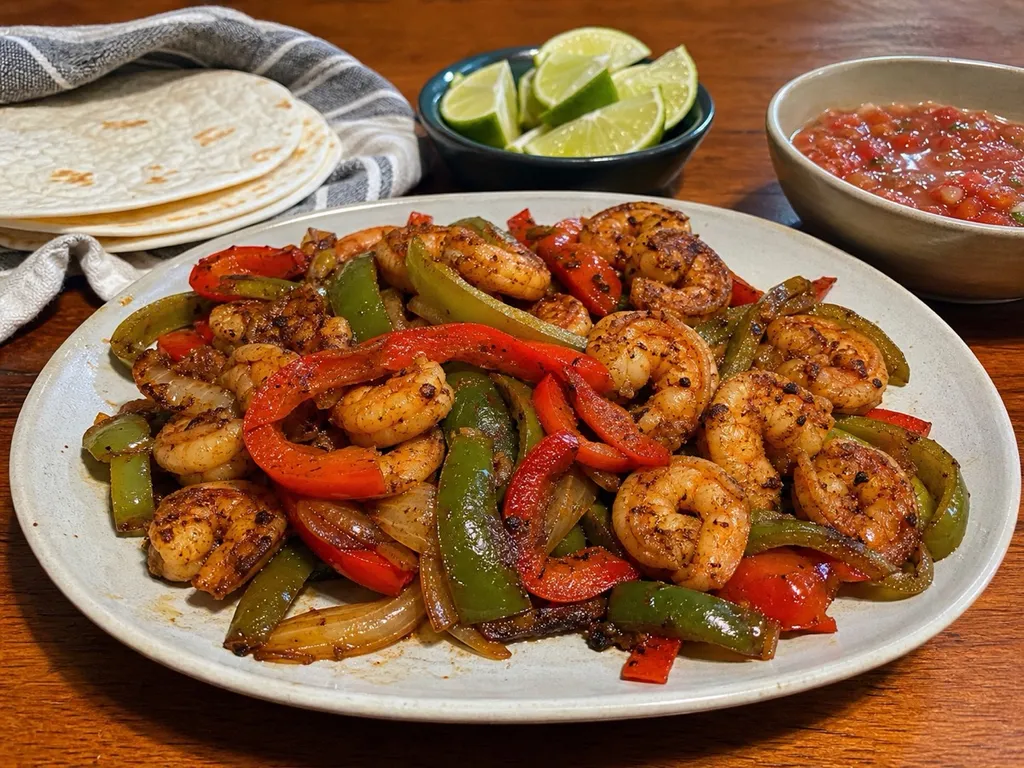 Images are for illustrative purposes only, may be inaccurate, and do not guarantee the presence or absence of specific ingredients.
 Listahan Family Score™
58/100
Works for many families
Score reflects how well this recipe fits a typical busy household. In the app, your Family Score is personalized to your household's allergens, kids, and pantry.
Nutrition
per serving295
Calories
42 g
Protein
9 g
Carbs
11 g
Fat
Estimated per serving. Actual values depend on the brands and portions you use.
Listahan cooking guide
Chef notes & practical guide
Technique notes, ingredient swaps, serve-alongside ideas, storage guidance, and equipment for this recipe.
Cultural context
Fajitas grew out of Texas borderland ranch cooking, where the word pointed to strips of skirt steak cut from the beef 'faja,' or belt. The restaurant version people know now, with sizzling peppers, onions, and warm tortillas, became a Tex-Mex format that works well with quick-cooking proteins. Shrimp is a faster, coastal-leaning version: it takes the same charred vegetable base and spice-lime seasoning, but needs a much shorter time in the pan.
Listahan note
This version keeps the cooking hot and fast so the peppers get some char before the shrimp goes in. The main priority is timing: marinate briefly, cook the vegetables first, then pull the skillet off the heat before the shrimp tightens up.
Technique cues
- A short marinade is enough for shrimp. Lime juice seasons quickly, but a long soak can make the surface feel firm before it ever hits the pan.
- High heat matters for the peppers and onion because fajitas should taste a little smoky and blistered, not steamed. Let the vegetables sit in the pan for moments at a time before tossing.
- Warm the tortillas before serving so they bend around the shrimp without cracking or cooling everything down too quickly.
Kitchen flow
- Parallel prep
- Slice the peppers and onion first, then let the shrimp marinate while the skillet heats and the tortillas warm.
- Make-ahead
- Slice the vegetables and mix the dry spices earlier in the day; marinate and cook the shrimp right before dinner.
- Leftover move
- Chop leftover shrimp and peppers into rice bowls with salsa, lime, and a spoonful of beans.
- Cleanup rhythm
- Use one large skillet and a bowl for marinating; rinse the marinade bowl while the vegetables cook so only the skillet is left after serving.
Ingredient brief
Role, handling, and swap guidance for each key ingredient.
Large shrimp, peeled and deveined
Quick-cooking protein
Purpose: Large shrimp are easier to sear without overcooking and give each tortilla a clear, juicy bite.
Handling: Pat them dry before marinating so the oil and spices cling instead of sliding off.
Adaptation: Medium shrimp work, but cook them for less time and watch the color closely.
Lime juice
Bright marinade base
Purpose: It cuts through the olive oil and spices and gives the shrimp the sharp, fresh edge fajitas need.
Handling: Add it only for the short 10-minute marinade so the shrimp stays tender.
Adaptation: Lemon juice can stand in, though it tastes less specifically Tex-Mex than lime.
Chili powder and ground cumin
Fajita seasoning core
Purpose: Chili powder brings mild chile depth while cumin adds the warm, earthy note associated with Tex-Mex skillet dishes.
Handling: Mix them into the oil before cooking so the spices coat the shrimp evenly.
Adaptation: A salt-free fajita seasoning can replace both, but taste before adding extra salt.
Garlic
Aromatic punch
Purpose: Minced garlic makes the shrimp taste fuller without needing a long sauce or simmer.
Handling: Keep the shrimp moving once it hits the pan so the garlic does not scorch on the hot surface.
Adaptation: Garlic powder is useful in a pinch and is less likely to burn, but the flavor is flatter.
Red bell pepper, green bell pepper, and onion
Charred vegetable base
Purpose: The peppers bring sweetness and color while the onion gives the skillet mixture its savory backbone.
Handling: Slice them evenly so they soften at the same pace and still keep a little bite.
Adaptation: Yellow bell pepper or poblano can replace one pepper; poblano adds a deeper, roasted flavor.
Small flour tortillas
Serving wrap
Purpose: Soft flour tortillas hold the shrimp, peppers, and salsa without competing with the skillet flavors.
Handling: Warm them just before serving and keep them covered so they stay flexible.
Adaptation: Corn tortillas bring toasted corn flavor and a firmer bite; warm them carefully so they fold cleanly.
Technique notes
- Do not crowd the shrimp. If they overlap, they release moisture and steam before they can pick up any skillet flavor.
- Cook the vegetables before the shrimp because peppers and onions can handle high heat longer. Shrimp should be the final fast step.
- Return the vegetables to the pan only long enough to sizzle everything together. The carryover heat will keep cooking the shrimp after the burner is off.
Ingredient swaps
- Corn tortilla direction
- Use small corn tortillas instead of flour tortillas for a toasted corn flavor and a slightly firmer wrap.
- Milder skillet
- Use less chili powder and add a little more cumin if you want warmth without as much chile flavor.
- Vegetable boost
- Add sliced mushrooms with the peppers and onion; they brown well and make the filling feel more substantial.
- Taco-night shortcut
- Use a pre-sliced fajita vegetable mix, but cook it over high heat in batches if it looks crowded.
Serve alongside
- Cilantro-lime rice
- Black beans with cumin
- Charred corn salad
- Avocado tomato salad
- Lime agua fresca
- Mexican lager
- Iced hibiscus tea
Serving suggestions only — check pairings for your household's allergens.
Storage & reheating
- Refrigerate the shrimp and vegetables in a sealed container for up to 2 days, keeping tortillas separate.
- Reheat briefly in a hot skillet or microwave just until warmed through so the shrimp does not turn rubbery.
- Freezing is not ideal for the finished fajita mixture because reheated shrimp can lose its snap and the peppers soften.
Equipment
- Large cast-iron skillet or heavy stainless skillet
- Mixing bowl for marinating shrimp
- Tongs for tossing vegetables and shrimp
- Clean kitchen towel or tortilla warmer
Make this household-aware
Listahan Pro checks this recipe against your household's allergens, finds pantry-aware swaps, builds the shopping list, and helps you plan the week around it.
Plan it in Listahan
Add Shrimp Fajitas to your week, check it against your household's allergens, and build the shopping list automatically.
More Tex Mex recipes
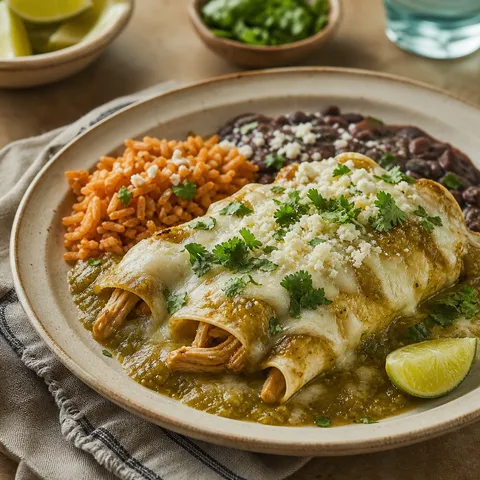 Tex Mex Lens Verified Images are for illustrative purposes only, may be inaccurate, and do not guarantee the presence or absence of specific ingredients.
 Chicken Enchiladas Verdes
Shredded chicken rolled into corn tortillas and smothered in tangy roasted tomatillo-green chile sauce and melted cheese.
 Tex Mex Lens Verified Images are for illustrative purposes only, may be inaccurate, and do not guarantee the presence or absence of specific ingredients.
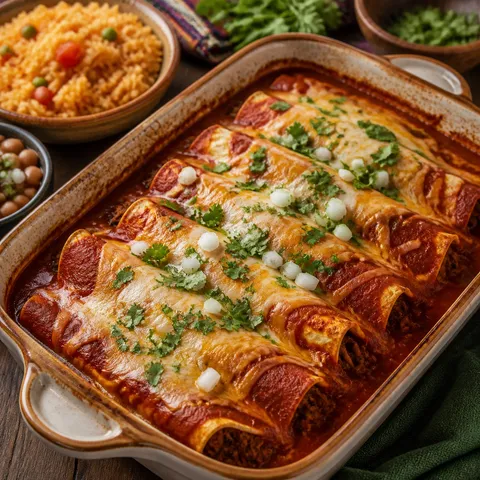
 Beef Enchiladas with Red Sauce
A comforting Tex-Mex classic consisting of corn tortillas rolled tightly around seasoned ground beef, smothered in a rich, earthy red chile sauce, and baked with melted cheese.
 Tex Mex Lens Verified Images are for illustrative purposes only, may be inaccurate, and do not guarantee the presence or absence of specific ingredients.
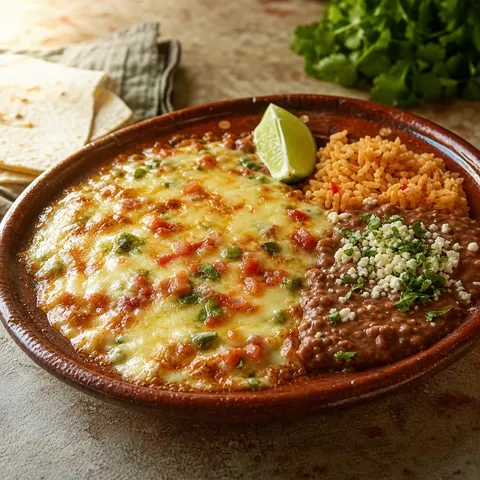
 Queso Flameado
A sizzling skillet of melted cheese with spicy Mexican chorizo, served bubbling hot with warm tortillas.