 Vegan Images are for illustrative purposes only, may be inaccurate, and do not guarantee the presence or absence of specific ingredients.
  Serving Images are for illustrative purposes only, may be inaccurate, and do not guarantee the presence or absence of specific ingredients.
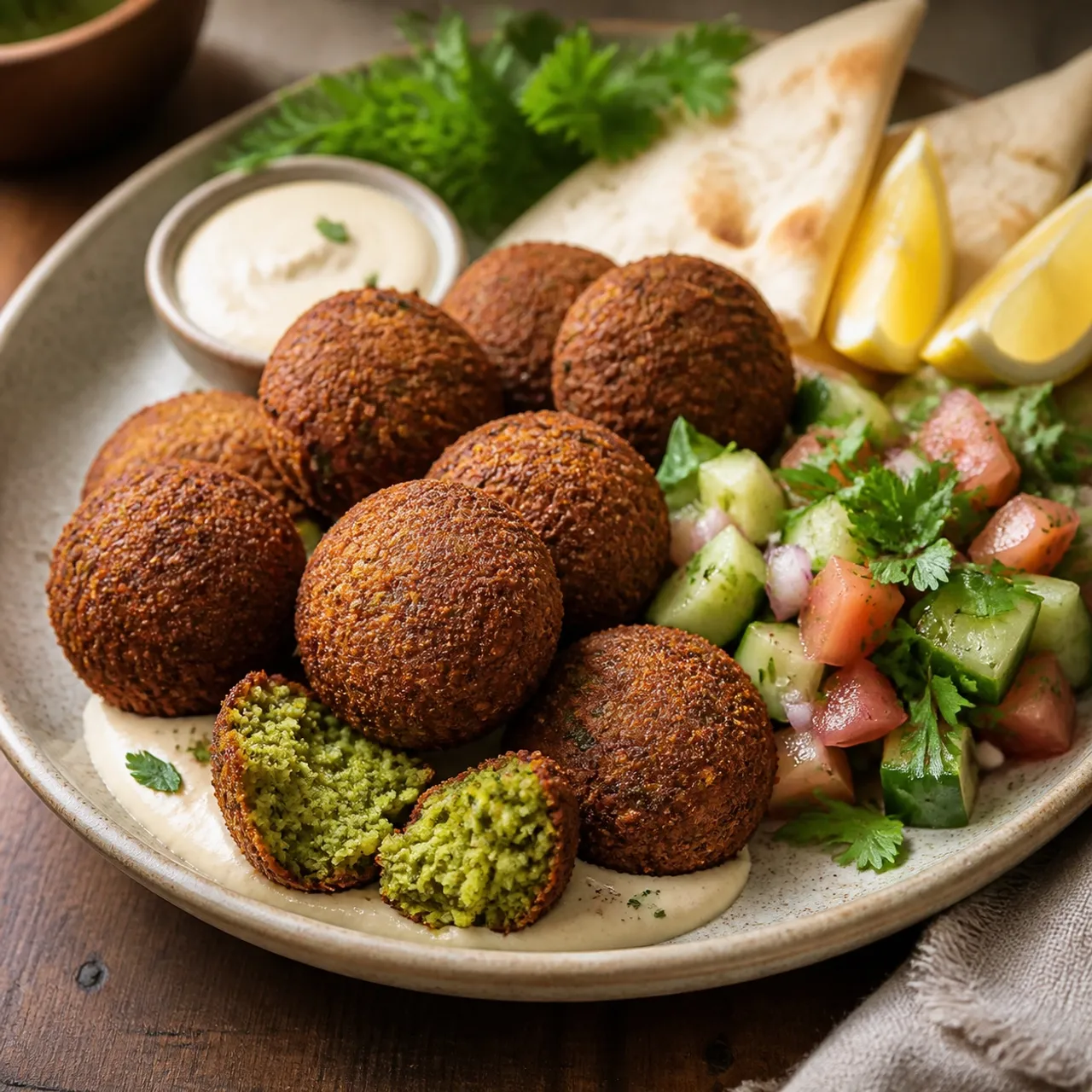
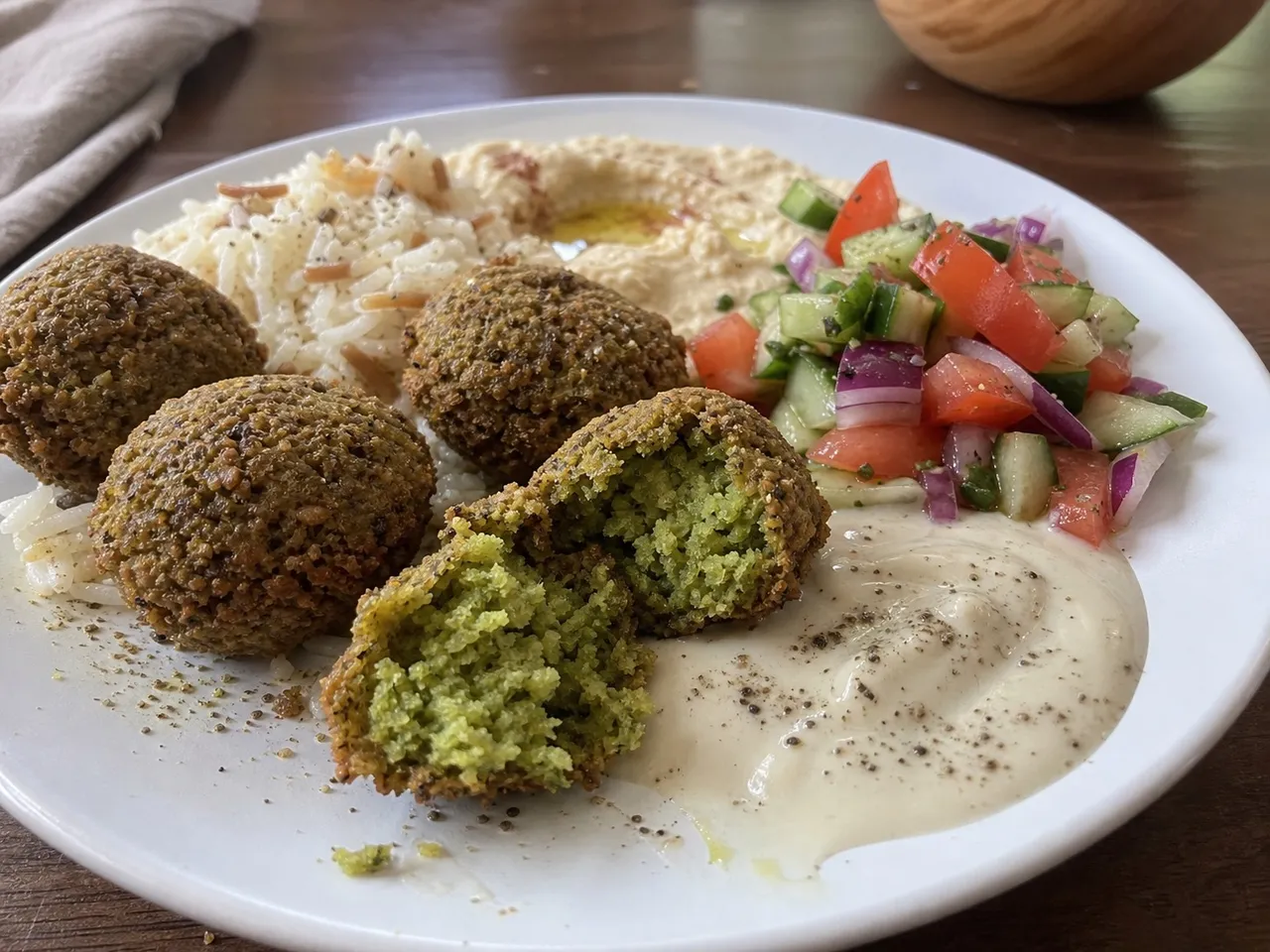
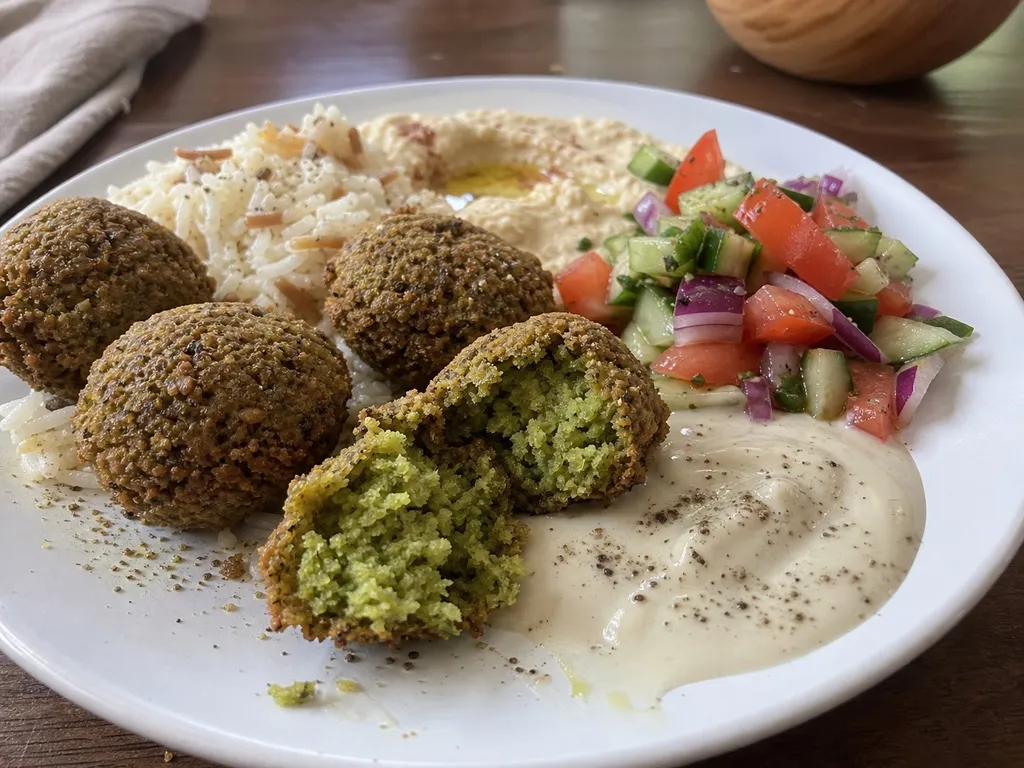
 Vegan Falafel
Dried chickpeas blended with parsley, garlic, and cumin into a herby, spiced batter fried crisp, a plant-based Middle Eastern classic.
Contains common allergens
In the app, Listahan checks these against your household automatically.
Good to know
- Crispy
Matched from this dish's own ingredients and timing. Browse more: crispy recipes
Instructions
8 steps- 1
Drain the soaked chickpeas well and pat them dry; do not use canned chickpeas, as the extra moisture will keep the falafel from binding.
- 2
In a food processor, pulse the chickpeas, onion, parsley, and garlic until finely chopped and the mixture just begins to hold together, scraping down the sides as needed.
- 3
Add the cumin, coriander, baking powder, cayenne, flour, salt, and pepper and pulse a few more times to combine.
- 4
Transfer the mixture to a bowl, cover, and refrigerate for at least 30 minutes to firm up.
- 5
Heat 2 inches of neutral oil in a deep pot to 350 F.
- 6
Scoop the mixture into small balls or patties, about 2 tablespoons each, and gently flatten slightly.
- 7
Fry in batches for 3 to 4 minutes, turning occasionally, until deeply golden brown and crisp on the outside.
- 8
Drain on paper towels and serve warm.
 Images are for illustrative purposes only, may be inaccurate, and do not guarantee the presence or absence of specific ingredients.
 Listahan Family Score™
67/100
Works for many families
Score reflects how well this recipe fits a typical busy household. In the app, your Family Score is personalized to your household's allergens, kids, and pantry.
Nutrition
per serving75
Calories
4 g
Protein
12 g
Carbs
1 g
Fat
Estimated per serving. Actual values depend on the brands and portions you use.
Listahan cooking guide
Chef notes & practical guide
Technique notes, ingredient swaps, serve-alongside ideas, storage guidance, and equipment for this recipe.
Cultural context
Falafel comes from the Middle East, with Egypt, the Levant, and surrounding regions all laying claim to versions made from ground chickpeas or fava beans, herbs, and spices. It is naturally vegan, a centuries-old street food that long predates the modern plant-based movement, traditionally fried into crisp, herb-flecked fritters. What makes it distinct is that the chickpeas must be soaked raw rather than cooked, since canned or boiled chickpeas turn the mix mushy and the falafel will not hold its crisp, fluffy structure.
Listahan note
This version uses soaked dried chickpeas and plenty of fresh herbs for the proper light, green interior. It is built to crisp up well whether you fry or bake, and to slot into wraps, bowls, or platters.
Technique cues
- Use dried chickpeas soaked overnight, never cooked or canned, because only the raw soaked legume gives the right crumbly-fluffy texture.
- Process the mix until it is finely ground but still has some texture, and chill it so the fritters hold together during frying.
- Fry at a steady medium-high temperature so the outside crisps and browns before the inside overcooks or the fritter absorbs oil.
Kitchen flow
- Parallel prep
- While the oil heats, shape all the falafel and whisk the tahini sauce so frying and serving run back to back.
- Make-ahead
- Soak the chickpeas and grind the mix a day ahead, keeping it chilled, then shape and fry fresh.
- Leftover move
- Crumble leftover falafel over a grain bowl or stuff into a pita with salad for a next-day lunch.
- Cleanup rhythm
- Strain and store the frying oil while warm, and wash the processor right after grinding before the chickpea paste dries.
Ingredient brief
Role, handling, and swap guidance for each key ingredient.
dried chickpeas
main body
Purpose: Soaked raw chickpeas give falafel its signature crisp shell and fluffy, crumbly interior.
Handling: Soak overnight in plenty of water, then drain and dry well before grinding.
Adaptation: Dried split fava beans make a traditional Egyptian-style falafel; avoid canned chickpeas entirely.
fresh parsley and cilantro
herb backbone
Purpose: Generous fresh herbs give falafel its green interior and bright, characteristic flavor.
Handling: Wash, dry, and add to the processor with the chickpeas.
Adaptation: Use all parsley if cilantro is not to taste; dill also works for a different herbal note.
garlic
aromatic depth
Purpose: Garlic brings the savory punch that defines falafel's flavor.
Handling: Peel and add whole to the processor to grind with the chickpeas.
Adaptation: Garlic powder works in a pinch but fresh gives a brighter result.
cumin
warm spice base
Purpose: Cumin and coriander give falafel its warm, earthy backbone.
Handling: Add ground or toast and grind whole seeds for deeper flavor.
Adaptation: A pre-mixed shawarma or baharat blend can stand in for the spices.
tahini
serving sauce
Purpose: A lemony tahini sauce is the classic creamy partner that ties falafel into a meal.
Handling: Whisk tahini with lemon, garlic, and water until pourable.
Adaptation: A garlicky cashew sauce or vegan yogurt sauce both work alongside falafel.
Technique notes
- Chill the shaped falafel before frying so they firm up and are far less likely to fall apart in the oil.
- Add a small amount of chickpea flour or a pinch of baking soda if the mix seems loose, to help it bind and stay light.
- Fry in small batches to keep the oil temperature steady, since crowding the pan makes greasy, pale falafel.
Ingredient swaps
- Baked direction
- Brush shaped falafel with oil and bake at high heat, flipping once, for a lighter version with less oil.
- Gluten-free note
- Falafel itself is gluten-free; serve over rice or in a gluten-free wrap and check the tahini brand.
- Sesame-free option
- Swap the tahini sauce for a garlicky cashew or sunflower-seed sauce to avoid sesame.
Serve alongside
- Warm pita and hummus
- Israeli chopped salad
- Pickled turnips and cucumbers
- Lemon herb rice
- Mint lemonade
- Sparkling water with lemon
- Iced mint tea
Serving suggestions only — check pairings for your household's allergens.
Storage & reheating
- Store cooked falafel in the fridge for up to four days. Reheat in an oven or pan to restore the crisp shell, since the microwave makes them soft and dense. They freeze well cooked or as shaped raw balls for up to two months; bake or fry frozen with a few extra minutes.
Equipment
- Food processor
- Heavy pot or deep fryer for frying
- Slotted spoon
- Ice cream scoop for even portioning
Make this household-aware
Listahan Pro checks this recipe against your household's allergens, finds pantry-aware swaps, builds the shopping list, and helps you plan the week around it.
Plan it in Listahan
Add Vegan Falafel to your week, check it against your household's allergens, and build the shopping list automatically.
More Vegan recipes
 Vegan Lens Verified Images are for illustrative purposes only, may be inaccurate, and do not guarantee the presence or absence of specific ingredients.
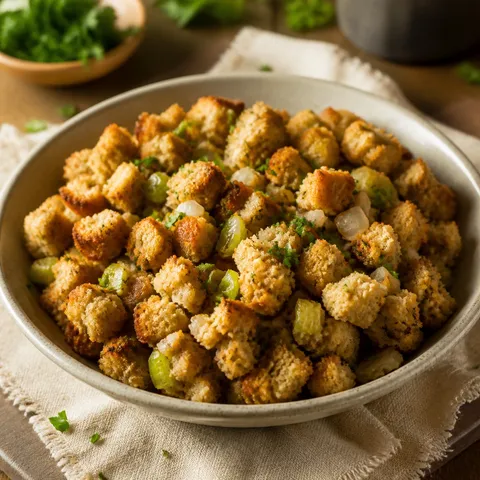
 Vegan Stuffing
A classic holiday side dish made with vegetable broth and herbs.
 Vegan Lens Verified Images are for illustrative purposes only, may be inaccurate, and do not guarantee the presence or absence of specific ingredients.
 Vegan Pancakes
Wake up to these incredibly fluffy and golden vegan pancakes, kissed with vanilla and ready to soak up your favorite maple syrup. A perfect weekend breakfast treat made entirely from plant-based ingredients!
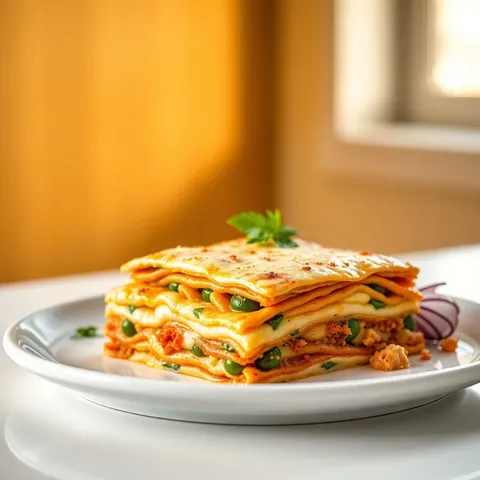 Vegan Lens Verified Images are for illustrative purposes only, may be inaccurate, and do not guarantee the presence or absence of specific ingredients.
 Vegan Lasagna
Indulge in generous layers of tender pasta, robust marinara, and a remarkably creamy tofu ricotta. This show-stopping baked lasagna is the ultimate crowd-pleasing centerpiece!