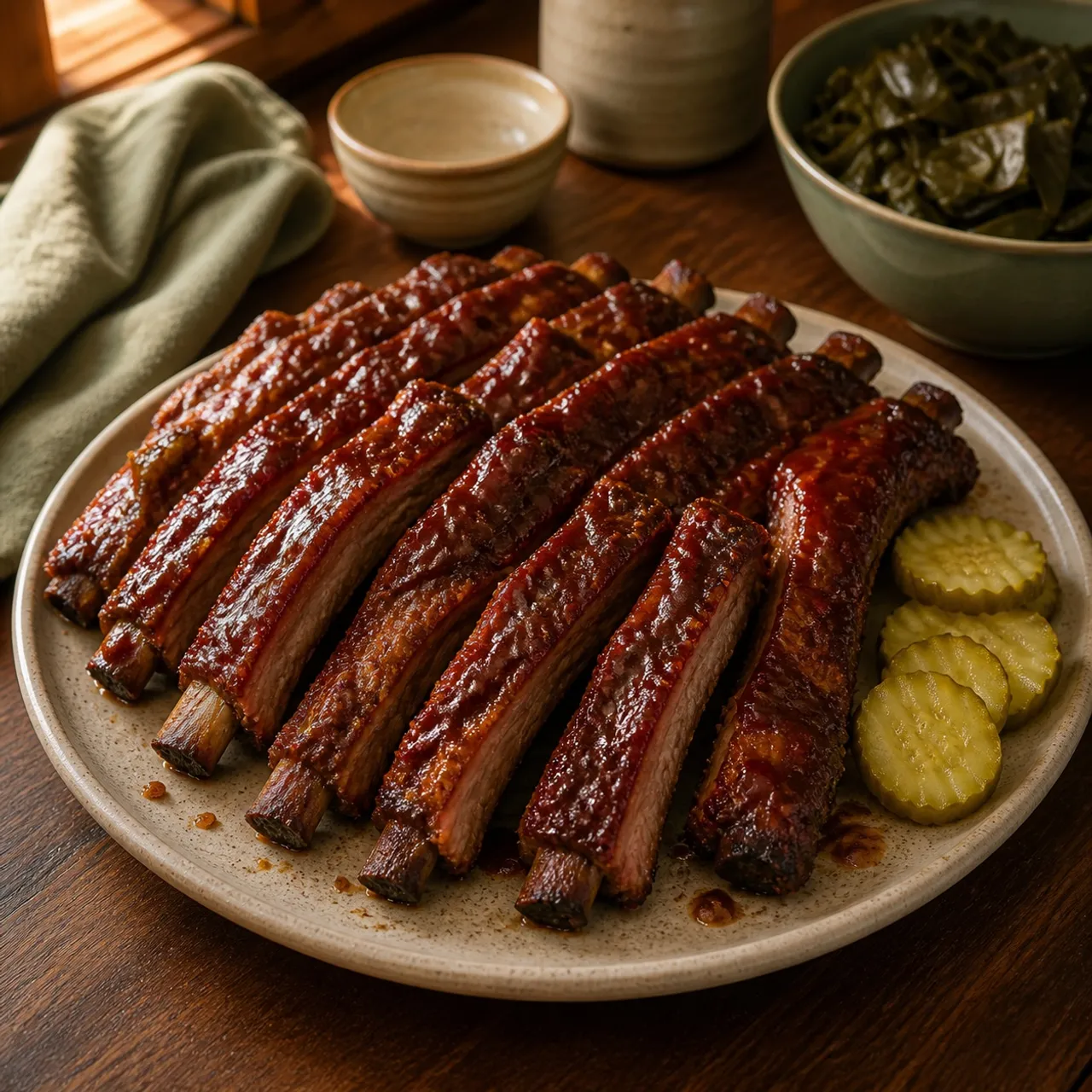
 Bbq Images are for illustrative purposes only, may be inaccurate, and do not guarantee the presence or absence of specific ingredients.
 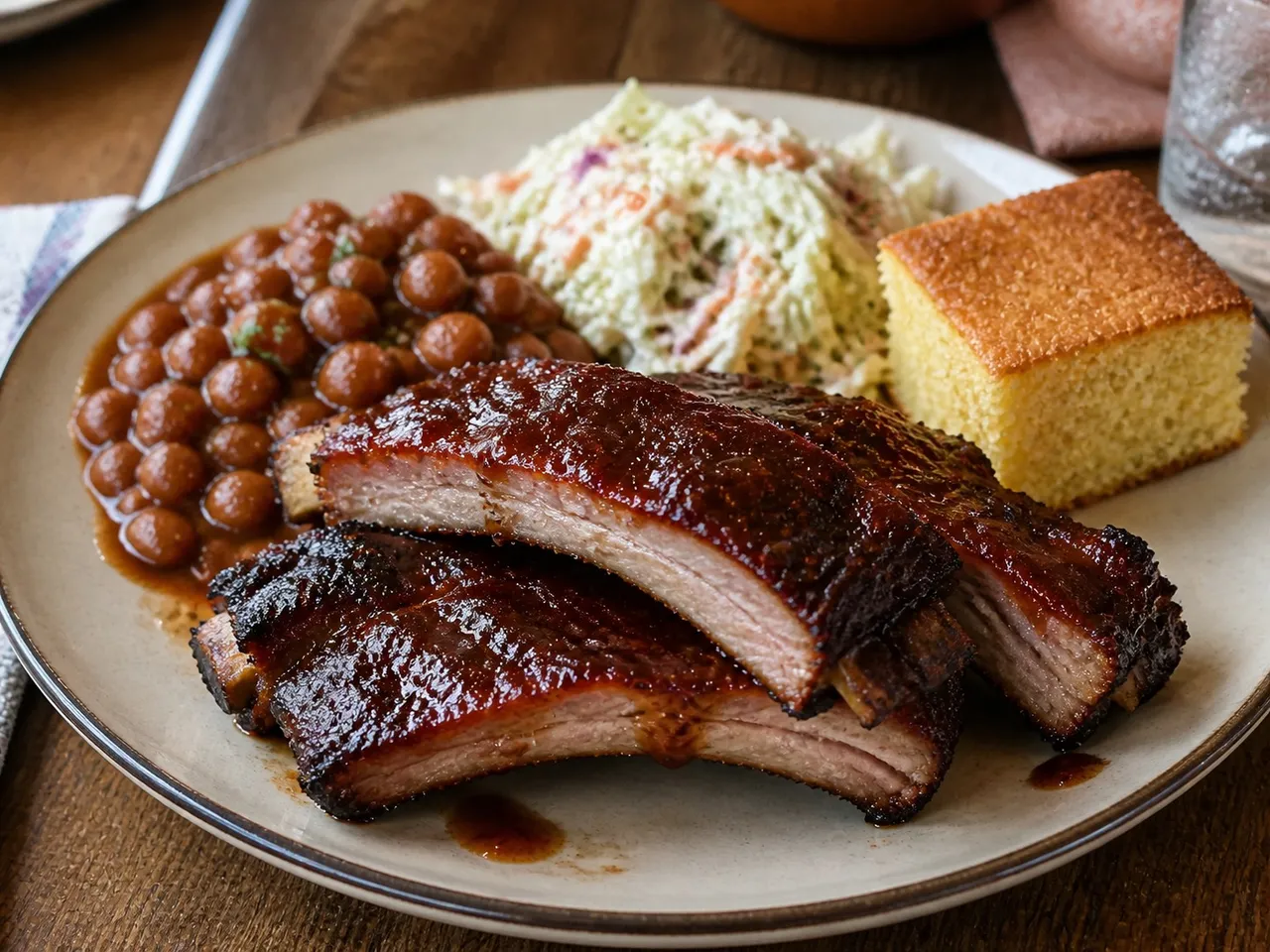 Serving Images are for illustrative purposes only, may be inaccurate, and do not guarantee the presence or absence of specific ingredients.
 Kansas City Pork Ribs
Pork spare ribs smoked low and slow, then glazed in a sweet, sticky Kansas City-style tomato barbecue sauce.
Contains common allergens
In the app, Listahan checks these against your household automatically.
Instructions
6 steps- 1
Pat the ribs dry and remove the membrane from the bone side of each rack.
- 2
Mix the paprika, brown sugar, salt, garlic powder, onion powder, celery salt, pepper, and cayenne; coat the ribs evenly on both sides and let sit 30 minutes.
- 3
Smoke at 250 degrees Fahrenheit over oak or hickory for about 3 hours, until the color sets and a bark begins to form.
- 4
Wrap the ribs in foil with a splash of apple juice and continue smoking 1.5 to 2 hours, until tender.
- 5
Unwrap, brush both sides generously with Kansas City barbecue sauce, and return to the smoker or a hot grill for 15 to 20 minutes, until the sauce tackifies and caramelizes.
- 6
Rest 10 minutes, slice between the bones, and serve with extra sauce.
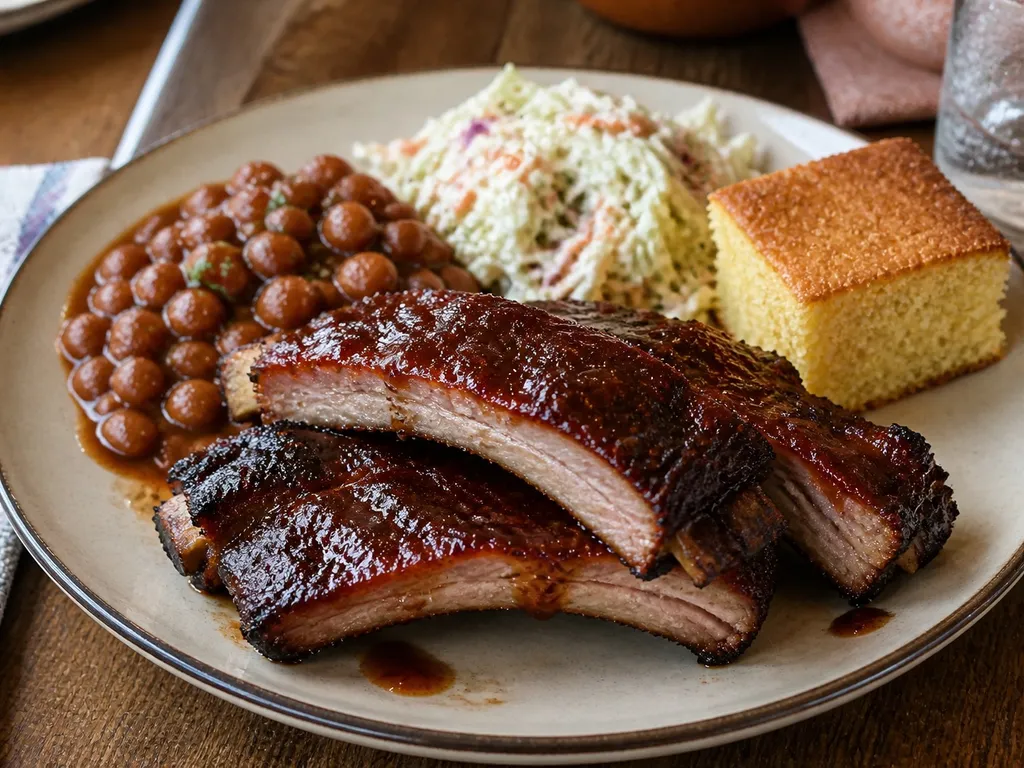 Images are for illustrative purposes only, may be inaccurate, and do not guarantee the presence or absence of specific ingredients.
 Listahan Family Score™
66/100
Works for many families
Score reflects how well this recipe fits a typical busy household. In the app, your Family Score is personalized to your household's allergens, kids, and pantry.
Nutrition
per serving150
Calories
1 g
Protein
35 g
Carbs
1 g
Fat
Estimated per serving. Actual values depend on the brands and portions you use.
Listahan cooking guide
Chef notes & practical guide
Technique notes, ingredient swaps, serve-alongside ideas, storage guidance, and equipment for this recipe.
Cultural context
Kansas City became a barbecue capital in the early 20th century, partly because of its position as a major meatpacking hub where cuts that did not sell as table steaks went into the pits. The KC style is defined by its sweet, thick tomato-based sauce — a direct contrast to Carolina vinegar traditions — and by its willingness to smoke almost any protein, from beef burnt ends to lamb ribs. Pork spare ribs trimmed to the St. Louis cut became the city's calling card, sauced low and slow until they pull cleanly from the bone but never fall off on their own.
Listahan note
This version uses St. Louis-trimmed spare ribs with a sweet-spiced rub and a Kansas City-style sauce applied in the last 30 minutes of cooking to caramelize rather than burn.
Technique cues
- Remove the membrane from the back of the rack by sliding a butter knife under it at one end, gripping it with a paper towel for traction, and peeling it away in one sheet — leaving it on creates a chewy barrier that blocks smoke and rub from penetrating.
- The 3-2-1 method — three hours unwrapped, two hours foil-wrapped with a little liquid, one hour unwrapped with sauce — works well for spare ribs because it separates the smoke phase, the braise phase that tenderizes the meat, and the glaze phase.
- Sauce ribs only in the last 20 to 30 minutes of cooking; earlier application causes the sugars to scorch and turn bitter before the meat is tender enough to eat.
Kitchen flow
- Parallel prep
- Apply the dry rub the night before and refrigerate uncovered; this gives the salt time to work into the meat and the surface time to dry so the rub sticks better during smoking.
- Make-ahead
- Smoked ribs hold well; complete the smoke and foil phases a day ahead, refrigerate, then finish with sauce on a medium grill or under a broiler for 10 minutes before serving.
- Leftover move
- Cut leftover ribs between the bones and reheat in a covered pan at 300 degrees with a splash of apple juice; serve as a rice bowl topper with pickled cucumbers and sesame dressing.
- Cleanup rhythm
- Use a foil-lined drip pan under the rack and dispose of it after the cook; soak the grill grates in hot soapy water while you eat and they will scrub clean in minutes.
Ingredient brief
Role, handling, and swap guidance for each key ingredient.
St. Louis-cut pork spare ribs
primary protein
Purpose: The St. Louis cut removes the brisket bone and cartilage from the spare rib rack, producing a uniform rectangle that cooks evenly and presents well for slicing between the bones.
Handling: Remove the silverskin membrane from the bone side of the rack and pat dry before applying the rub.
Adaptation: Baby back ribs cook faster (about 4 to 5 hours versus 5 to 6 for spare ribs) and are leaner; reduce foil time to 90 minutes in the 3-2-1 method.
brown sugar
rub sweetener and bark builder
Purpose: Brown sugar caramelizes into the rich, lacquered mahogany bark characteristic of KC-style ribs and balances the salt and heat in the rub.
Handling: Combine with paprika, garlic powder, onion powder, cayenne, salt, and black pepper; press the rub firmly into both sides of the rack.
Adaptation: Coconut sugar or honey granules work similarly; for a sugar-free version, use smoked paprika and ground ancho chile as the primary rub base.
Kansas City-style BBQ sauce
finishing glaze
Purpose: The thick, sweet tomato and molasses sauce is the defining flavor element of KC ribs — it builds a sticky, caramelized exterior layer that contrasts with the smoky interior meat.
Handling: Thin the sauce slightly with a splash of apple cider vinegar if it is very thick, which helps it adhere evenly without pooling.
Adaptation: Any tomato-based sweet barbecue sauce works; for a sharper profile, a Carolina mustard sauce adds a welcome tang.
apple juice
braising liquid and spritz
Purpose: Apple juice keeps the ribs moist during the foil-wrapped phase and adds a subtle fruit sweetness that complements pork naturally.
Handling: Pour about a quarter cup into the foil packet before sealing it; for a spritz, load it into a spray bottle and mist the ribs every 45 minutes during the unwrapped phases.
Adaptation: Beer, chicken broth, or a mix of water and vinegar all work as braising liquids; cherry juice adds color and a slightly deeper sweetness.
Technique notes
- The bend test is the most reliable doneness check for ribs: pick up the rack with tongs at one end and let it hang — if the surface cracks and the bones begin to separate, the collagen has rendered and the ribs are done; if the rack stays rigid, they need more time.
- Layering the sauce in two or three thin coats instead of one thick application builds a deeper, more complex glaze; brush on a coat, let it set for 10 minutes, then apply the next coat.
- Resting ribs meat-side down on the cutting board for five minutes after pulling them from the smoker lets the juices redistribute toward the surface rather than running out when you slice.
Ingredient swaps
- Gluten-free direction
- Confirm the barbecue sauce is gluten-free labeled; many commercial sauces contain soy sauce or modified starch — check labels or use a certified GF brand.
- Lower-sugar direction
- Replace brown sugar in the rub with a mix of smoked paprika and granulated garlic, and finish with an unsweetened tomato-based sauce spiked with a small amount of molasses substitute.
- Oven method
- Bake rub-coated ribs at 275 degrees wrapped in foil for 2.5 hours, unwrap and sauce, then broil for 5 minutes; add a half teaspoon of liquid smoke to the foil packet to approximate a wood-smoke character.
Serve alongside
- KC-style baked beans with burnt end pieces
- Creamy macaroni and cheese
- Thick-cut onion rings
- Boulevard Wheat beer or any American wheat ale
- Lemonade with a splash of grenadine
Serving suggestions only — check pairings for your household's allergens.
Storage & reheating
- Refrigerate leftover rib racks wrapped in foil or in an airtight container for up to 4 days; store whole rather than pre-cut to retain moisture.
- Reheat individual ribs in a 300-degree oven covered with foil for 15 to 20 minutes, or microwave covered with a damp paper towel for 2 minutes on medium power.
- Freeze fully cooked ribs vacuum-sealed or tightly foil-wrapped for up to 2 months; thaw in the refrigerator and refresh the glaze with fresh sauce before reheating.
Equipment
- Charcoal kettle grill or offset smoker
- Heavy-duty aluminum foil for the 2-hour wrap phase
- Silicone basting brush for layered sauce application
Make this household-aware
Listahan Pro checks this recipe against your household's allergens, finds pantry-aware swaps, builds the shopping list, and helps you plan the week around it.
Plan it in Listahan
Add Kansas City Pork Ribs to your week, check it against your household's allergens, and build the shopping list automatically.
More Bbq recipes
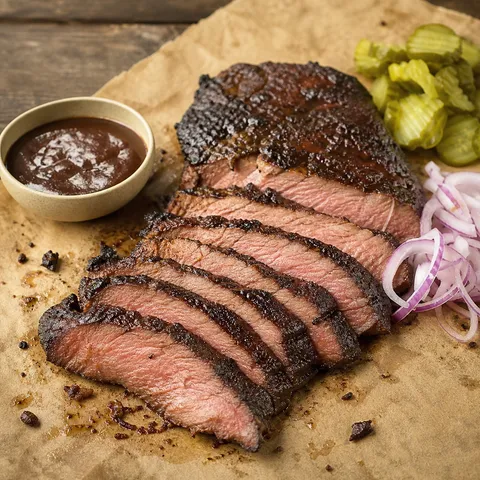 Bbq Lens Verified Images are for illustrative purposes only, may be inaccurate, and do not guarantee the presence or absence of specific ingredients.
 Santa Maria Tri-Tip
California-style Santa Maria tri-tip roast seasoned simply with garlic, pepper, and salt, then grilled over red oak for a smoky crust.
 Bbq Lens Verified Images are for illustrative purposes only, may be inaccurate, and do not guarantee the presence or absence of specific ingredients.
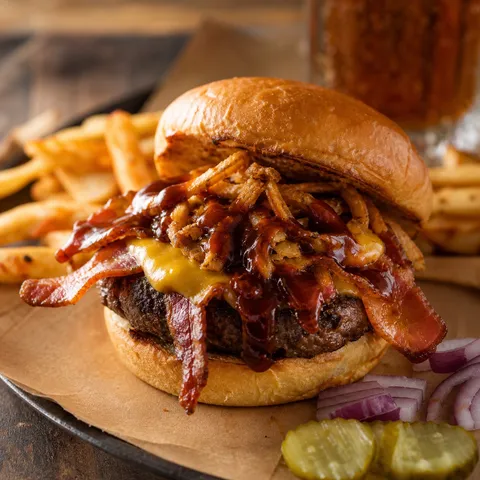
 BBQ Bacon Cheeseburgers
Thick beef patties grilled over an open flame, topped with crispy bacon, melted cheddar, and smoky BBQ sauce on a toasted bun.
 Bbq Lens Verified Images are for illustrative purposes only, may be inaccurate, and do not guarantee the presence or absence of specific ingredients.
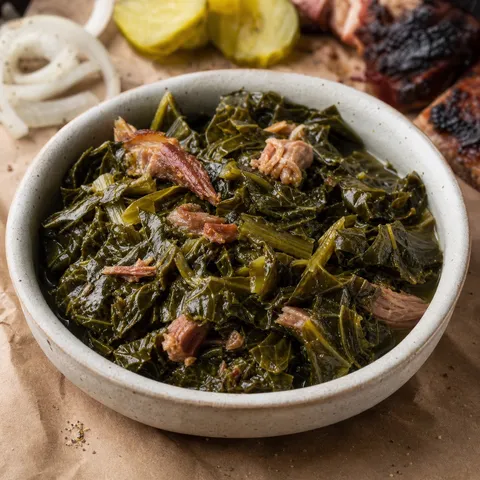
 Southern Collard Greens
Slow-simmered collard greens with smoked ham hock, cider vinegar, and a touch of heat, a soulful Southern BBQ side.