 Brazilian Images are for illustrative purposes only, may be inaccurate, and do not guarantee the presence or absence of specific ingredients.
  Serving Images are for illustrative purposes only, may be inaccurate, and do not guarantee the presence or absence of specific ingredients.
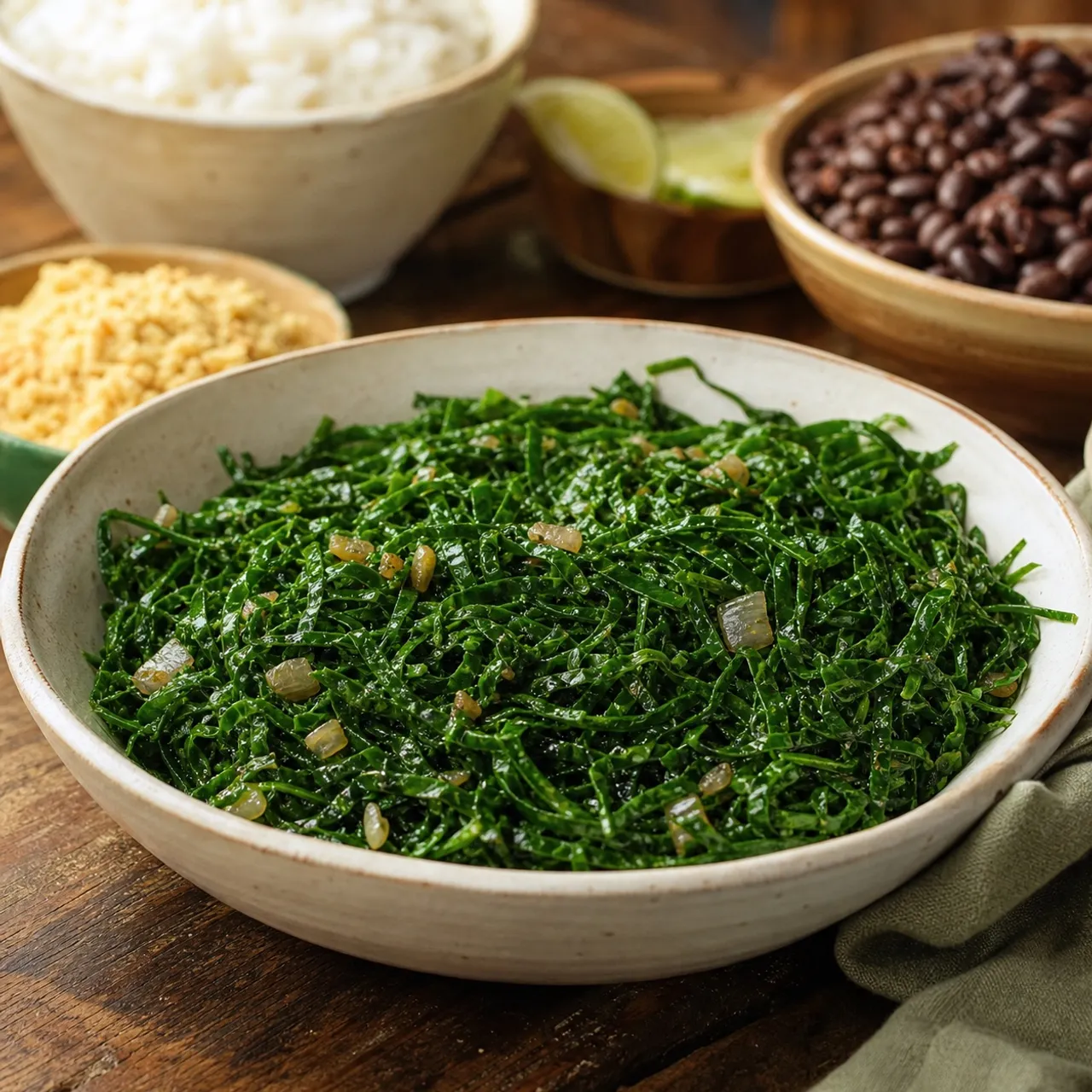
 Couve à Mineira (Sautéed Collard Greens)
Ribbons of collard greens flash-sautéed in garlic and olive oil, the classic bright, slightly bitter counterpoint to feijoada.
No common allergens detected
Based on this recipe's ingredient list. Always verify with your own brands and labels.
Good to know
- Ready in under 30 minutes
Matched from this dish's own ingredients and timing. Browse more: 30-minute meals
Instructions
6 steps- 1
Stack the collard leaves, roll them tightly, and slice crosswise into very thin ribbons.
- 2
Heat the olive oil in a large skillet over medium-high heat.
- 3
Add the garlic and sauté for 30 seconds until fragrant, being careful not to burn it.
- 4
Add the collard ribbons in batches, tossing constantly, and cook for 3-4 minutes until just wilted and still bright green.
- 5
Season with salt and pepper and toss once more.
- 6
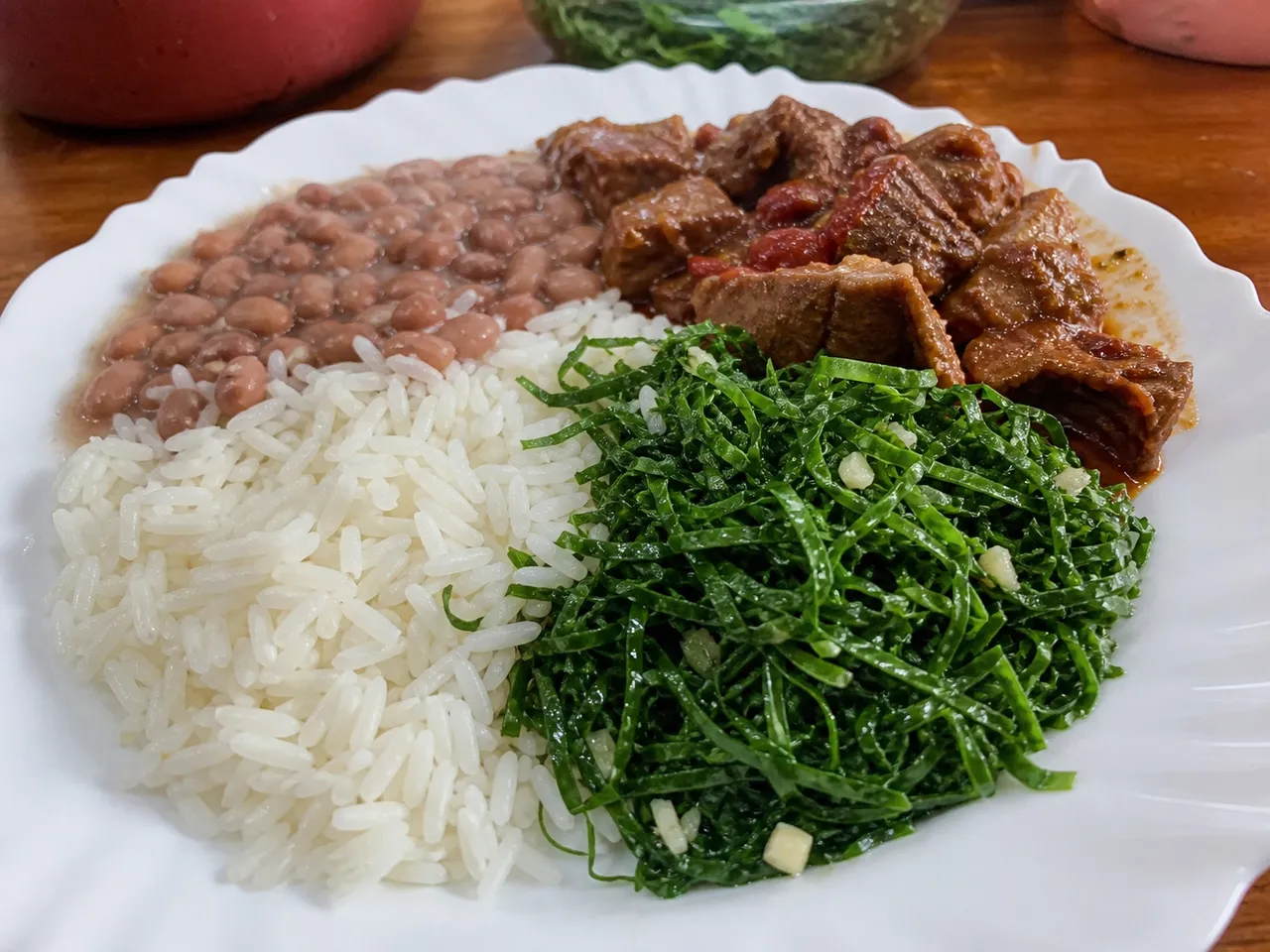
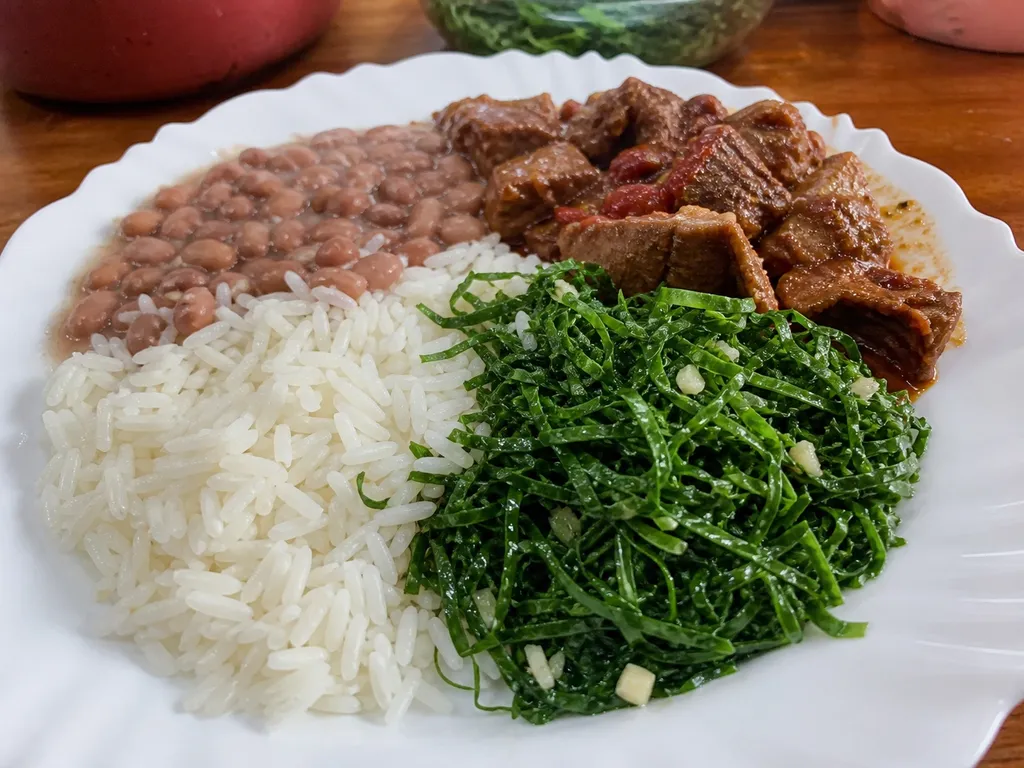
Serve immediately alongside feijoada or grilled meats.
 Images are for illustrative purposes only, may be inaccurate, and do not guarantee the presence or absence of specific ingredients.
 Listahan Family Score™
77/100
Good fit for most families
Score reflects how well this recipe fits a typical busy household. In the app, your Family Score is personalized to your household's allergens, kids, and pantry.
Nutrition
per serving65
Calories
0 g
Protein
1 g
Carbs
7 g
Fat
Estimated per serving. Actual values depend on the brands and portions you use.
Listahan cooking guide
Chef notes & practical guide
Technique notes, ingredient swaps, serve-alongside ideas, storage guidance, and equipment for this recipe.
Cultural context
Named for Minas Gerais, the landlocked state famous for its rustic tavern cooking, couve à mineira is the classic partner to feijoada and roasted pork across Brazil. The dish's defining move is a chiffonade cut so fine the collard ribbons wilt almost instantly in hot oil, a technique refined in Minas kitchens where every part of a simple vegetable garden had to stretch across a large family table.
Listahan note
This version keeps the collards moving constantly in a hot pan for just a few minutes, so they wilt without releasing much liquid and stay a vivid green rather than turning gray and watery.
Technique cues
- The tightness of the roll before slicing determines the ribbon width - a loose roll gives uneven, thick shreds that cook unevenly.
- High heat and constant tossing keep the collards from steaming in their own moisture; a crowded, low-heat pan turns them soggy instead of just-wilted.
- Garlic goes in before the greens specifically so it has thirty seconds to bloom in the oil without burning, since it would scorch if left in the pan as long as the greens need.
Kitchen flow
- Parallel prep
- Slice the collards into ribbons while the oil heats so there's no gap between prepping and cooking
- Make-ahead
- The greens can be sliced up to a day ahead and stored in a sealed bag in the fridge, but cook them fresh since they don't hold well once wilted
- Leftover move
- Stir leftover couve into a hot pan of rice or eggs the next morning rather than reheating it alone
- Cleanup rhythm
- Rinse the pan immediately after cooking since any residual oil hardens quickly once cool
Ingredient brief
Role, handling, and swap guidance for each key ingredient.
collard greens
The dish's entire focus
Purpose: Their sturdy leaves hold up to a hot, fast sauté better than more delicate greens like spinach
Handling: Stack the leaves, roll tightly, and slice crosswise into very thin ribbons for even, quick cooking
Adaptation: Kale or mustard greens both work with a similarly fast sauté, though mustard greens bring more bite
olive oil
Cooking fat and flavor carrier
Purpose: A generous amount coats every ribbon so the greens cook evenly instead of sticking or scorching
Handling: Heat until shimmering before adding the garlic so the pan is hot enough to wilt the greens fast
Adaptation: Neutral vegetable oil works if you prefer a less pronounced olive flavor
garlic
Aromatic base
Purpose: Briefly bloomed in the hot oil, it perfumes the fat that then coats every piece of greens
Handling: Mince and add just before the greens, stirring constantly for about thirty seconds
Adaptation: A halved garlic clove left whole and removed before serving gives a milder background note
salt and black pepper
Final seasoning
Purpose: Added at the very end, they season the greens without drawing out extra moisture during cooking
Handling: Sprinkle over the wilted greens and toss once more just before serving
Adaptation: A finishing squeeze of lime in place of some of the salt brightens the dish further
Technique notes
- Cook in batches if your pan is small - overcrowding the collards traps steam and turns them limp and dull instead of bright and just-wilted.
- Keep a spatula moving constantly during the thirty-second garlic bloom; even a few extra seconds turns it bitter.
- Pull the greens off the heat the moment they turn bright green and just tender - carryover heat continues cooking them off the stove.
Ingredient swaps
- Vegan direction
- The dish is naturally vegan as written; just confirm the oil isn't a butter blend if buying pre-made
- Lower-sodium direction
- Season with a splash of lime juice and cracked pepper instead of salt, adding only a small pinch at the table
- Weeknight shortcut
- Buy pre-shredded collard ribbons to skip the rolling and slicing step entirely
Serve alongside
- Feijoada (Brazilian black bean and pork stew)
- Farofa (Toasted Cassava Flour with Bacon)
- grilled linguiça sausage
- white rice
- Cold Brazilian lager
- caipirinha
- sparkling water with lime
Serving suggestions only — check pairings for your household's allergens.
Storage & reheating
- Best eaten fresh; leftovers keep refrigerated up to 2 days
- Reheat briefly in a hot dry skillet just until warmed through
- Not recommended for freezing since the leaves turn mushy once thawed
Equipment
- Large skillet or wok
- Sharp knife for the chiffonade cut
- Tongs or a wooden spoon for constant tossing
- Cutting board
Make this household-aware
Listahan Pro checks this recipe against your household's allergens, finds pantry-aware swaps, builds the shopping list, and helps you plan the week around it.
Plan it in Listahan
Add Couve à Mineira (Sautéed Collard Greens) to your week, check it against your household's allergens, and build the shopping list automatically.
More Brazilian recipes
 Brazilian Lens Verified Images are for illustrative purposes only, may be inaccurate, and do not guarantee the presence or absence of specific ingredients.
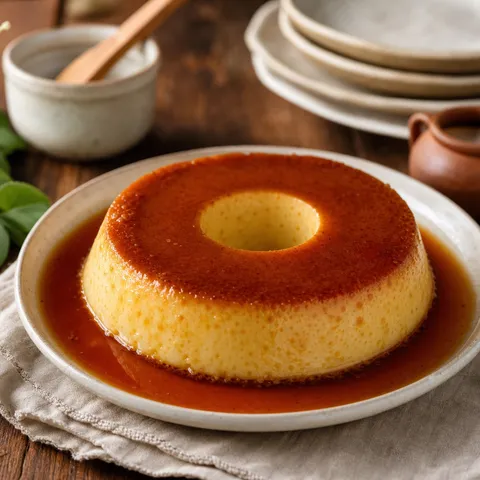
 Pudim de Leite (Brazilian Flan)
A silky caramel-topped milk pudding made with sweetened condensed milk, the most requested dessert at any Brazilian family gathering.
 Brazilian Lens Verified Images are for illustrative purposes only, may be inaccurate, and do not guarantee the presence or absence of specific ingredients.
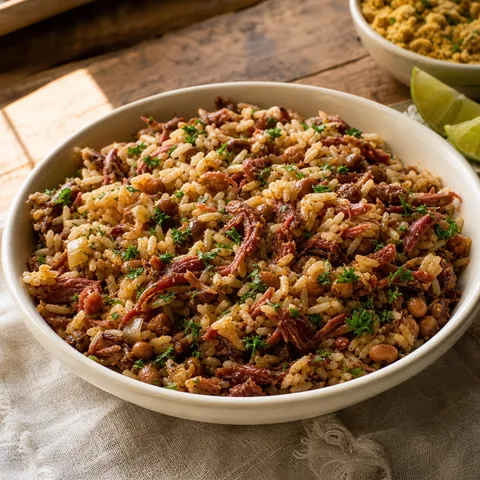
 Arroz Carreteiro (Brazilian Rice with Dried Beef)
A smoky one-pot rice from the gaúcho cattle-drivers of southern Brazil, cooked with shredded dried beef, tomato, and peppers.
 Brazilian Lens Verified Images are for illustrative purposes only, may be inaccurate, and do not guarantee the presence or absence of specific ingredients.
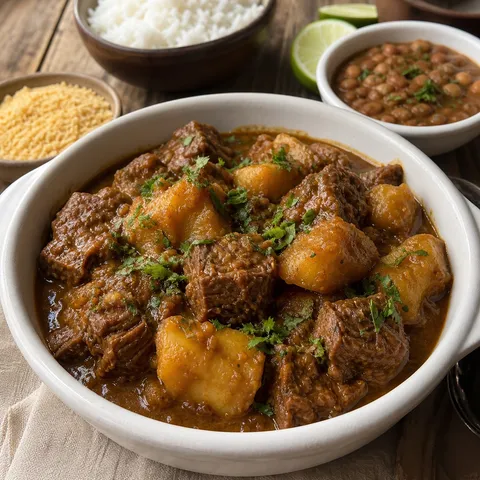
 Vaca Atolada (Beef and Cassava Stew)
"Stuck cow" stew: fall-apart beef short ribs braised with cassava until the pot turns thick and glossy, a Minas Gerais farmhouse classic.