 Brazilian Images are for illustrative purposes only, may be inaccurate, and do not guarantee the presence or absence of specific ingredients.
  Serving Images are for illustrative purposes only, may be inaccurate, and do not guarantee the presence or absence of specific ingredients.
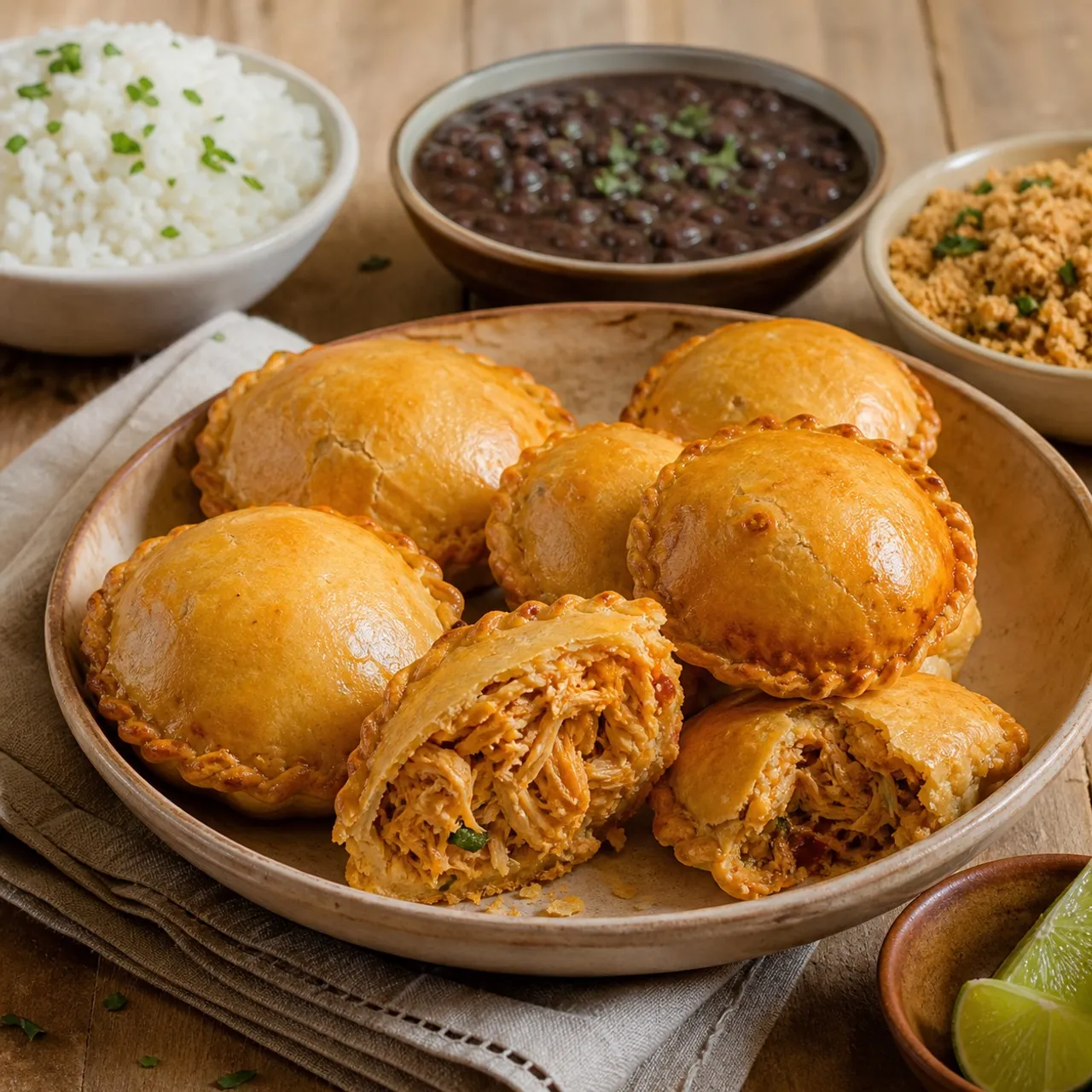
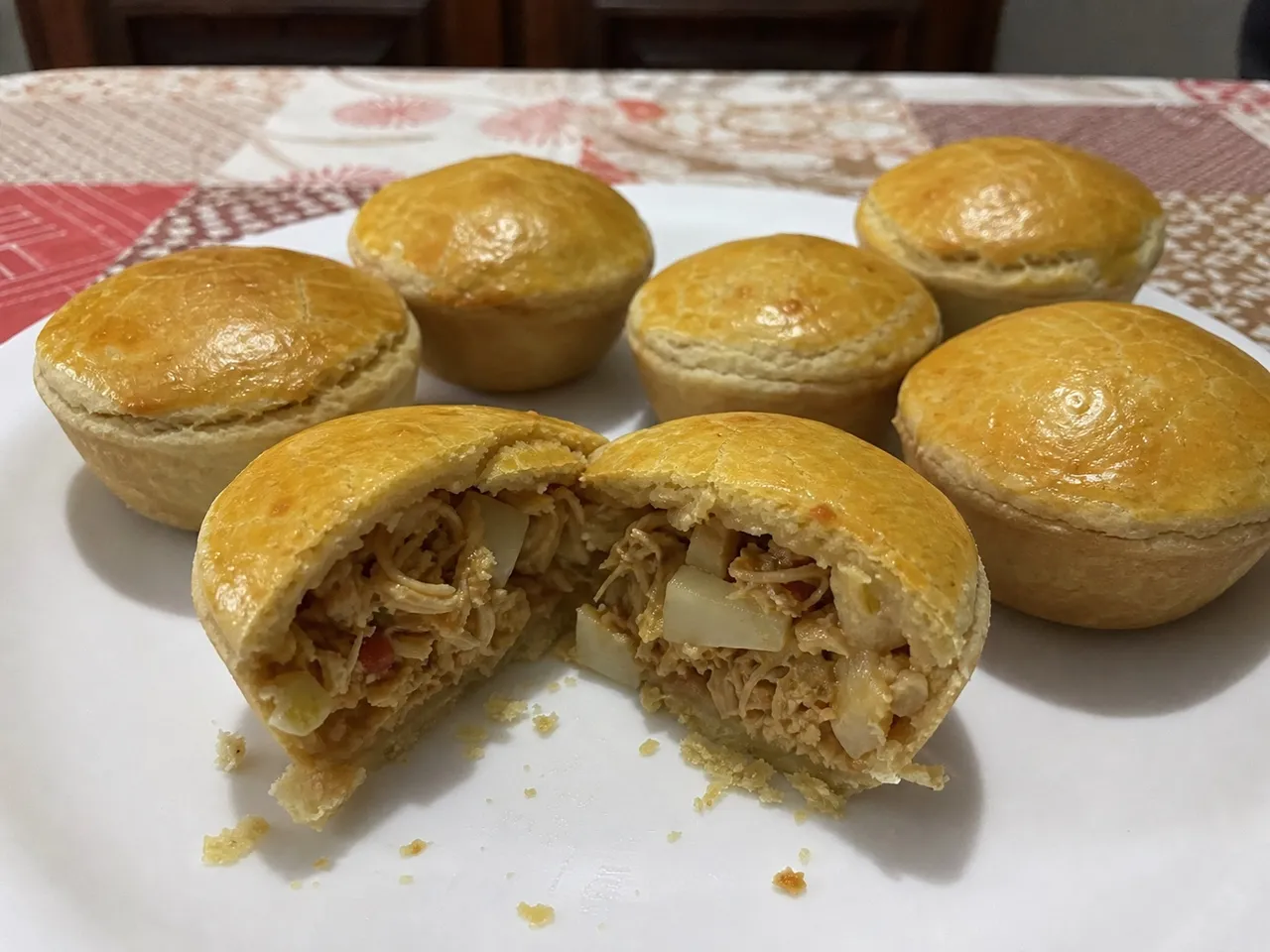
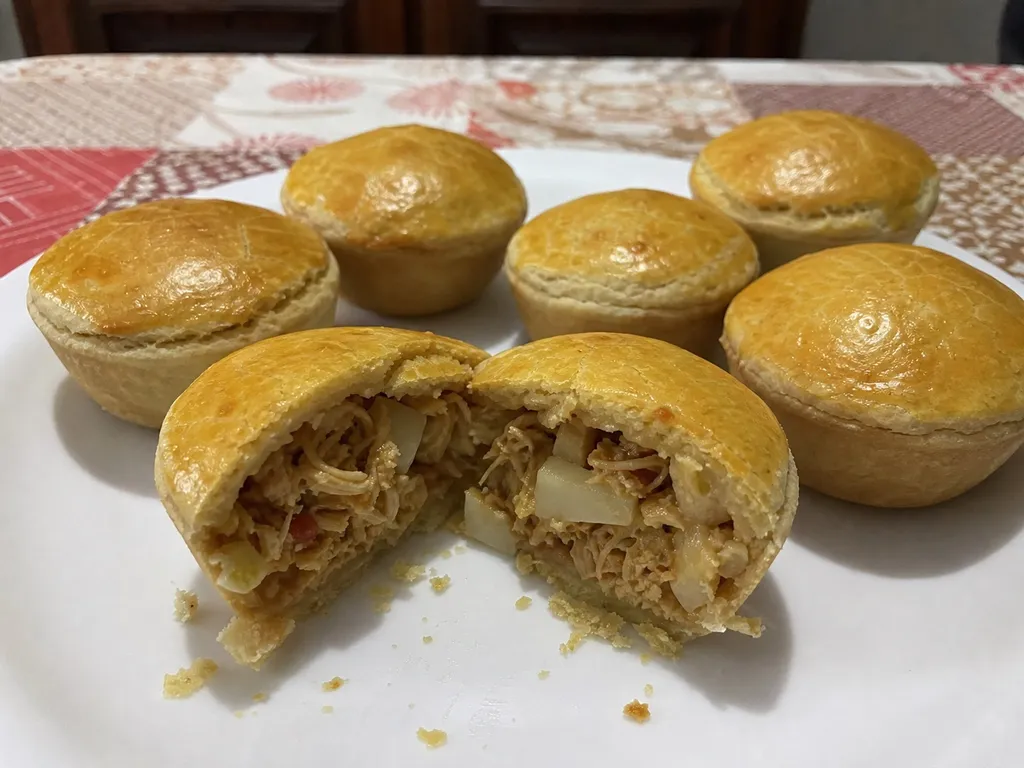
 Empada de Frango (Brazilian Chicken Hand Pie)
Buttery, flaky individual pies filled with saucy shredded chicken, olives, and hearts of palm — a party-table favorite.
Contains common allergens
In the app, Listahan checks these against your household automatically.
Instructions
7 steps- 1
Make the dough by pulsing flour, butter, and salt in a food processor until crumbly, then add the egg yolk and cold water and pulse until it forms a dough; wrap and chill for 30 minutes.
- 2
Meanwhile, heat olive oil in a skillet and sauté onion and garlic until soft, then add tomatoes and cook until thickened, about 8 minutes.
- 3
Stir in the shredded chicken, hearts of palm, and olives, and cook for 5 minutes until well combined; let cool.
- 4
Preheat the oven to 375°F.
- 5
Roll out the dough and cut circles to line individual empada molds or muffin tins, pressing dough up the sides.
- 6
Fill each with the chicken mixture, top with a smaller dough circle, and pinch the edges to seal, brushing tops with egg wash.
- 7
Bake for 25-30 minutes until golden brown, then cool slightly before unmolding and serving.
 Images are for illustrative purposes only, may be inaccurate, and do not guarantee the presence or absence of specific ingredients.
 Listahan Family Score™
72/100
Good fit for most families
Score reflects how well this recipe fits a typical busy household. In the app, your Family Score is personalized to your household's allergens, kids, and pantry.
Nutrition
per serving500
Calories
19 g
Protein
38 g
Carbs
30 g
Fat
Estimated per serving. Actual values depend on the brands and portions you use.
Listahan cooking guide
Chef notes & practical guide
Technique notes, ingredient swaps, serve-alongside ideas, storage guidance, and equipment for this recipe.
Cultural context
Empadas arrived with Portuguese colonists but Brazilians reshaped them into something distinct: smaller, thicker-walled, and baked in individual molds rather than the larger open Portuguese empada. They are a fixture of Rio de Janeiro bakeries and birthday buffets, prized for a sturdy, slightly crumbly crust that can hold a wet filling without collapsing when eaten by hand. Hearts of palm, a distinctly Brazilian ingredient harvested from palm trees, is what gives the filling its regional signature.
Listahan note
This version builds a from-scratch butter crust around a chicken, tomato, and hearts-of-palm filling, closer to a bakery-style empada than a quick puff-pastry shortcut, so it rewards the extra chilling and resting time.
Technique cues
- The dough is pulsed just until it forms crumbs before the egg yolk and water go in; overworking it at this stage builds gluten that makes the baked shell tough instead of short and crumbly.
- Cooking the tomato base until it visibly thickens before adding the chicken matters, a wet filling steams the bottom crust and leaves it soggy after baking.
- Chilling the dough for the full 30 minutes relaxes the gluten and firms the butter, both of which keep the crust from shrinking or slumping in the mold during baking.
Kitchen flow
- Parallel prep
- Start the dough chilling first, then use that 30 minutes to cook the chicken filling and let it cool before assembly.
- Make-ahead
- Both the dough and the cooled filling can be made a day ahead and refrigerated separately, then assembled and baked fresh.
- Leftover move
- Baked empadas reheat well in a 350F oven for 10 minutes to re-crisp the crust; microwaving leaves the pastry soft.
- Cleanup rhythm
- Clean the food processor bowl right after making the dough before the butter residue hardens on the blade.
Ingredient brief
Role, handling, and swap guidance for each key ingredient.
cold butter, cubed
fat that creates a short, flaky-tender crust
Purpose: keeping it cold means it stays in small solid pieces through mixing, which melt during baking and create pockets of tenderness rather than a dense, greasy dough
Handling: cube it straight from the fridge and work quickly so it doesn't soften before baking
Adaptation: a firm dairy-free block butter substitute works but produces a slightly less flaky texture
cooked shredded chicken breast
the primary savory filling protein
Purpose: pre-cooked chicken means the filling only needs to warm through and absorb the tomato sauce rather than cook raw meat inside a delicate pie shell
Handling: shred it into small, even pieces so each bite of filling distributes evenly
Adaptation: shredded rotisserie chicken or leftover roast chicken both work and add extra flavor depth
chopped hearts of palm
a distinctly Brazilian textural addition
Purpose: hearts of palm add a mild, faintly briny crunch that is a signature of Brazilian empada fillings and sets it apart from a generic chicken pot pie
Handling: drain and chop into small pieces similar in size to the shredded chicken
Adaptation: canned artichoke hearts are the closest textural substitute if hearts of palm are unavailable
diced green olives
briny, salty punctuation
Purpose: the sharp saltiness of green olives cuts through the richness of the buttery crust and creamy tomato-chicken filling
Handling: dice small so a bite of olive doesn't overwhelm any single mouthful
Adaptation: capers in smaller quantity give a similar briny hit if olives aren't on hand
Technique notes
- Press the bottom dough circles up the sides of the mold firmly so there are no thin spots that could tear or leak filling during baking.
- Let the filling cool before it goes into the shells, a warm filling can soften the raw dough and make it harder to seal the top crust cleanly.
- Pinch the top and bottom crust edges together firmly rather than just resting the lid on top, a loose seal lets steam escape and dries out the filling.
Ingredient swaps
- Gluten-free direction
- A 1:1 gluten-free flour blend can replace the all-purpose flour in the dough, though the crust will be slightly more delicate to handle.
- Dairy-free option
- Use a plant-based butter block for the crust and skip a dairy egg wash in favor of a plant-milk brush for color.
- Lower-sodium direction
- Reduce or omit the olives and use low-sodium canned tomatoes to bring the salt content down significantly.
- Make-ahead freezer batch
- Assemble unbaked empadas, freeze them on a tray, then bake straight from frozen with an added 8 to 10 minutes.
Serve alongside
- farofa
- Brazilian potato salad (salpicao)
- a simple green salad with palm hearts
- chilled guarana soda
- passion fruit juice (suco de maracuja)
- a cold chopp (draft beer) for an adult gathering
Serving suggestions only — check pairings for your household's allergens.
Storage & reheating
- Refrigerate baked empadas in an airtight container for up to 3 days.
- Reheat in a 350F oven for 8 to 10 minutes to restore a crisp crust.
- Unbaked assembled empadas freeze well for up to 2 months; bake from frozen adding extra time.
Equipment
- food processor
- empada molds or a standard muffin tin
- rolling pin
- pastry brush for the egg wash
Make this household-aware
Listahan Pro checks this recipe against your household's allergens, finds pantry-aware swaps, builds the shopping list, and helps you plan the week around it.
Plan it in Listahan
Add Empada de Frango (Brazilian Chicken Hand Pie) to your week, check it against your household's allergens, and build the shopping list automatically.
More Brazilian recipes
 Brazilian Lens Verified Images are for illustrative purposes only, may be inaccurate, and do not guarantee the presence or absence of specific ingredients.
 Pudim de Leite (Brazilian Flan)
A silky caramel-topped milk pudding made with sweetened condensed milk, the most requested dessert at any Brazilian family gathering.
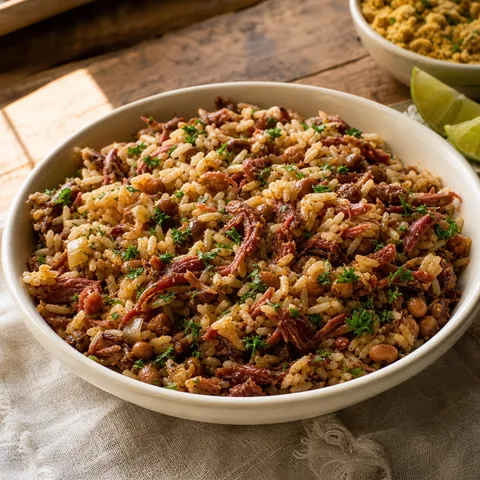 Brazilian Lens Verified Images are for illustrative purposes only, may be inaccurate, and do not guarantee the presence or absence of specific ingredients.
 Arroz Carreteiro (Brazilian Rice with Dried Beef)
A smoky one-pot rice from the gaúcho cattle-drivers of southern Brazil, cooked with shredded dried beef, tomato, and peppers.
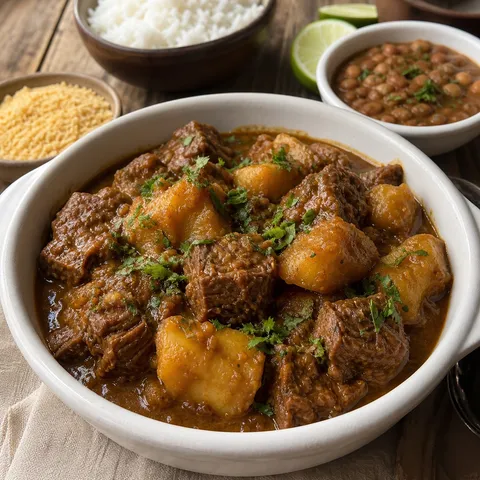 Brazilian Lens Verified Images are for illustrative purposes only, may be inaccurate, and do not guarantee the presence or absence of specific ingredients.
 Vaca Atolada (Beef and Cassava Stew)
"Stuck cow" stew: fall-apart beef short ribs braised with cassava until the pot turns thick and glossy, a Minas Gerais farmhouse classic.