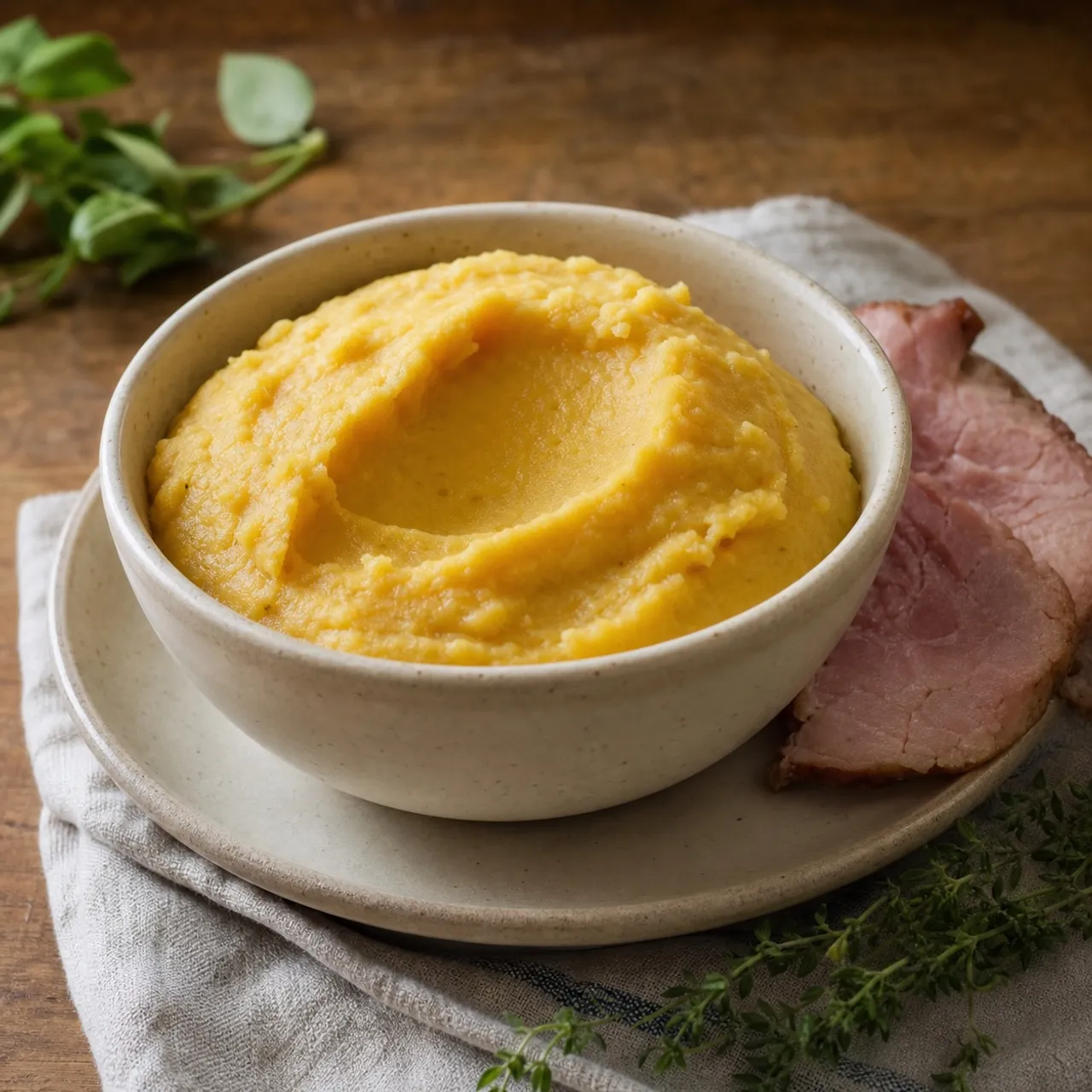
 British & Irish Images are for illustrative purposes only, may be inaccurate, and do not guarantee the presence or absence of specific ingredients.
 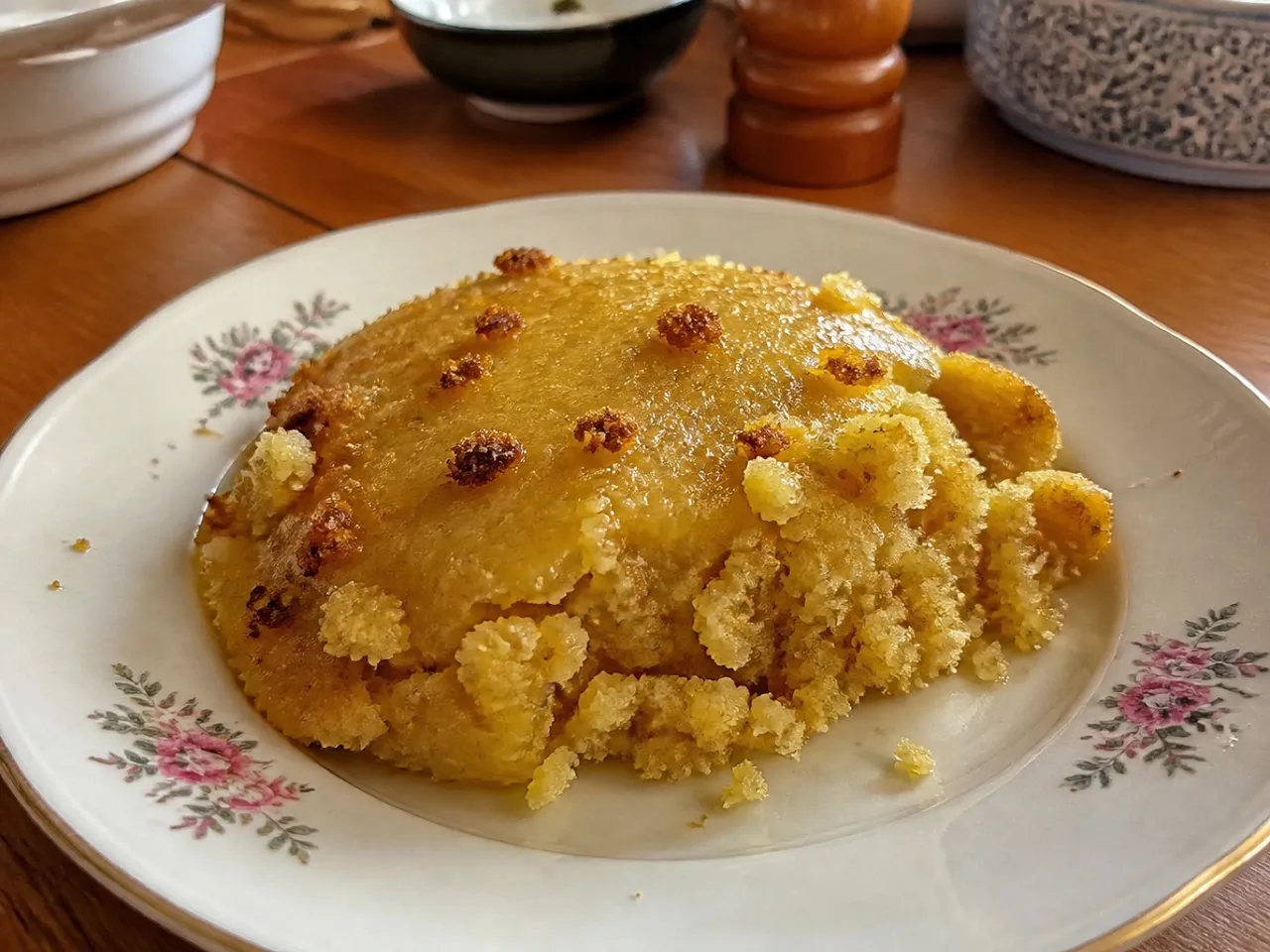 Serving Images are for illustrative purposes only, may be inaccurate, and do not guarantee the presence or absence of specific ingredients.
 Pease Pudding
Split yellow peas slow-cooked until thick and velvety, seasoned with herbs — a North East English staple, traditionally served alongside pork or ham.
Contains common allergens
In the app, Listahan checks these against your household automatically.
Good to know
- One-pot
Matched from this dish's own ingredients and timing. Browse more: one-pot dinners
Instructions
8 steps- 1
Drain the soaked peas and place them in a large pot with the ham hock, onion, and bay leaf, then cover generously with water (or use stock if not using a hock).
- 2
Bring to the boil, skim off any scum, then reduce to a gentle simmer.
- 3
Cover and cook for 1 1/2 to 2 hours, topping up with water as needed, until the peas are completely soft and starting to break down.
- 4
Remove the ham hock and bay leaf; if using a hock, pull the meat from the bone and set aside or reserve for another use.
- 5
Drain the peas, reserving a little of the cooking liquid, and discard the bay leaf.
- 6
Mash or blend the peas until smooth, loosening with a little reserved cooking liquid if needed.
- 7
Beat in the butter and season to taste with salt and pepper.
- 8
Serve warm alongside ham, bacon, or pork.
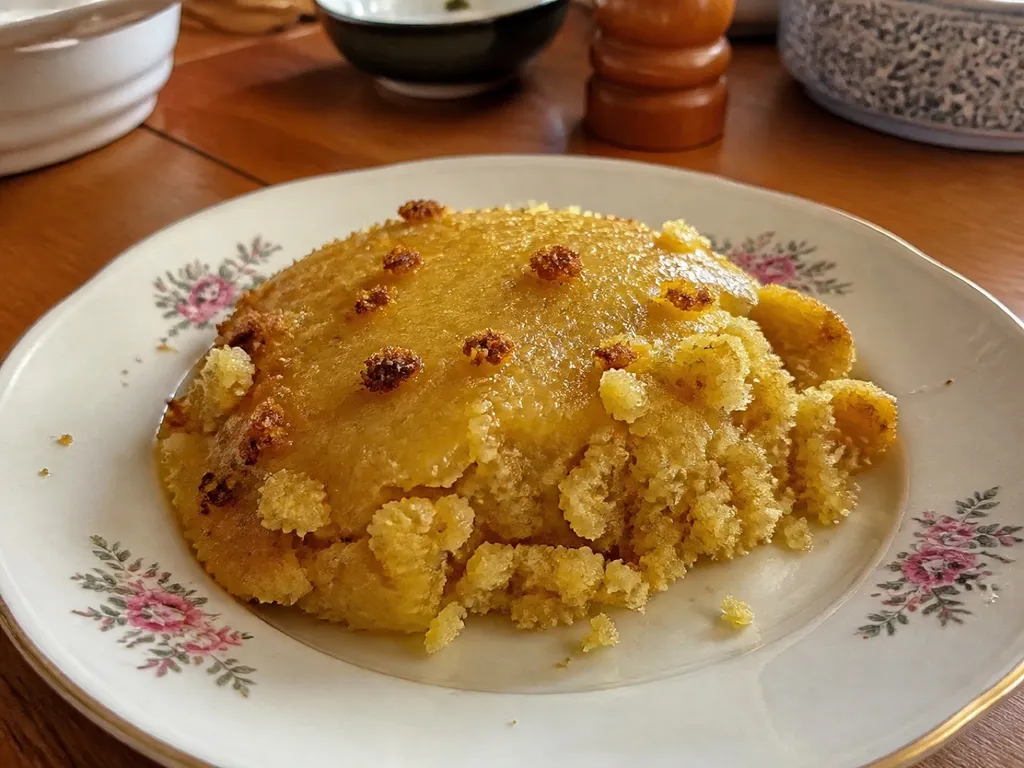 Images are for illustrative purposes only, may be inaccurate, and do not guarantee the presence or absence of specific ingredients.
 Listahan Family Score™
78/100
Good fit for most families
Score reflects how well this recipe fits a typical busy household. In the app, your Family Score is personalized to your household's allergens, kids, and pantry.
Nutrition
per serving100
Calories
9 g
Protein
15 g
Carbs
1 g
Fat
Estimated per serving. Actual values depend on the brands and portions you use.
Listahan cooking guide
Chef notes & practical guide
Technique notes, ingredient swaps, serve-alongside ideas, storage guidance, and equipment for this recipe.
Cultural context
Pease pudding is a North East England staple, traditionally simmered inside a cloth bag suspended in the same pot as a boiling ham or bacon joint so the split peas absorb the meat's fat and salt while both cook together, a pairing old enough to appear in the centuries-old English nursery rhyme about pease pudding hot and pease pudding cold.
Listahan note
This version simmers the split peas directly in a well-seasoned stock rather than requiring an actual ham joint sharing the pot, so the dish can stand on its own as a side.
Technique cues
- Split peas need a long, low simmer, typically an hour or more, until they fully break down; peas still holding their shape at the end mash into a grainy, uneven pudding rather than a smooth one.
- A gentle simmer rather than a hard boil keeps the starchy peas from scorching onto the bottom of the pot before their centers have softened.
- A ham or bacon-based stock, rather than water alone, is what gives the pudding its traditional savory depth, since split peas on their own are fairly neutral in flavor.
- The mashed peas thicken further as they cool, so they should be mashed to a slightly looser consistency than the final texture wanted on the plate.
Kitchen flow
- Parallel prep
- Start Pease Pudding first if it takes longer than the main dish, and use the wait to prep other sides. This one leans on the ham or vegetable stock. The boil step is what sets the pace here.
- Make-ahead
- Most of Pease Pudding can be prepped ahead; finish the last step just before serving so texture and temperature stay right. This one leans on the ham or vegetable stock. Plan around the boil; that's the slow part.
- Leftover move
- Fold leftover Pease Pudding into a grain bowl or omelet the next day rather than reheating it plain. This one leans on the ham or vegetable stock. Everything else is quick — the boil is the one step that takes real time.
- Cleanup rhythm
- Clean the prep bowls for Pease Pudding while the main dish finishes cooking, so nothing's left stacked at the end of the meal. This one leans on the ham or vegetable stock. Plan around the boil; that's the slow part.
Ingredient brief
Role, handling, and swap guidance for each key ingredient.
Split peas
Flavor support
Purpose: Split peas supports the balance of Pease Pudding and should taste integrated.
Handling: Prep before heat is high so the cooking step can move without rushing.
Adaptation: Use the closest fresh equivalent and expect a modest shift in flavor or texture.
stock
Flavor support
Purpose: stock supports the balance of Pease Pudding and should taste integrated.
Handling: Prep before heat is high so the cooking step can move without rushing.
Adaptation: Use the closest fresh equivalent and expect a modest shift in flavor or texture.
Pease Pudding
Dish identity
Purpose: Pease Pudding is the core item, so the cooking method and seasoning need to match the expected dish.
Handling: Confirm the base ingredients and prep them before heating so the method is not rushed.
Adaptation: Use the closest household-safe equivalent and expect the dish to shift in texture or flavor.
Technique notes
- Pease pudding is traditionally served warm alongside a boiled ham or bacon joint, and it also spreads well cold on bread, which is where the old rhyme's hot and cold both come from.
- Leftover pudding firms up considerably once chilled and can be sliced and pan-fried for a crisp-edged second use.
- A small pat of butter stirred in at the end rounds out the flavor if the stock alone tastes thin.
Ingredient swaps
- Lower-sodium direction
- Use a low-sodium or no-salt-added version of the ham or vegetable stock, then season to taste with fresh herbs, citrus, or vinegar at the end instead of more salt.
- Weeknight shortcut
- For a faster version, prep the longest-cooking component a day ahead so the night-of cook is mostly assembly and finishing. This one leans on the ham or vegetable stock.
Serve alongside
- Fresh berries
- Citrus fruit salad
- Mint leaves
- Black coffee
- Hot tea
- Sparkling water with lemon
Serving suggestions only — check pairings for your household's allergens.
Storage & reheating
- Store covered for 3 to 4 days, refrigerated when dairy, eggs, custard, or fresh fruit are involved.
- Reheat gently only when warmth improves the texture.
- Freeze sturdy baked portions up to 2 months; avoid freezing delicate fresh toppings.
Equipment
- Mixing bowls
- Baking dish or pan
- Cooling rack
Make this household-aware
Listahan Pro checks this recipe against your household's allergens, finds pantry-aware swaps, builds the shopping list, and helps you plan the week around it.
Plan it in Listahan
Add Pease Pudding to your week, check it against your household's allergens, and build the shopping list automatically.
More British & Irish recipes
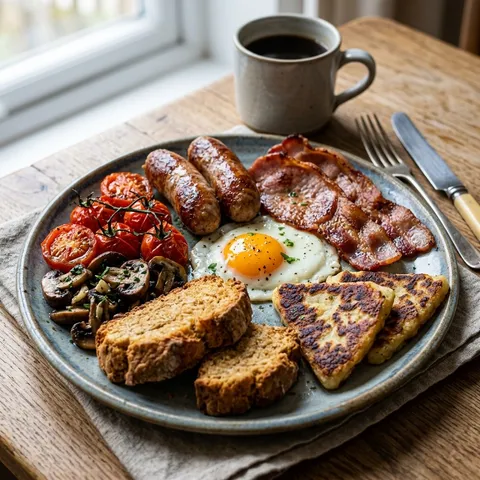 British & Irish Lens Verified Images are for illustrative purposes only, may be inaccurate, and do not guarantee the presence or absence of specific ingredients.
 Ulster Fry
Northern Ireland's legendary fry-up: bacon, sausages, eggs, black pudding, potato bread, and soda bread — fuller and heartier than its English cousin.
 British & Irish Lens Verified Images are for illustrative purposes only, may be inaccurate, and do not guarantee the presence or absence of specific ingredients.
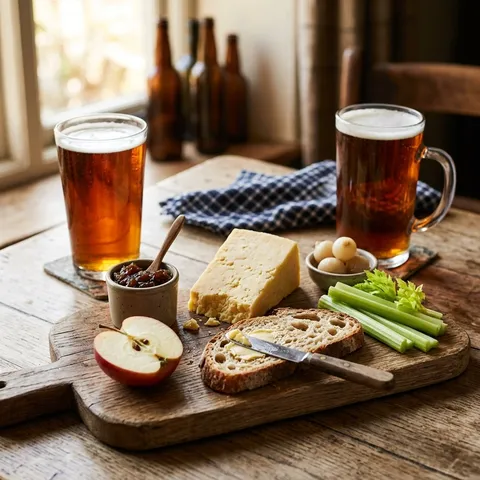
 Ploughman's Lunch
Sharp aged cheddar, crusty bread, tangy Branston pickle, and a boiled egg — a beloved no-cook British lunch that's greater than the sum of its parts.
 British & Irish Lens Verified Images are for illustrative purposes only, may be inaccurate, and do not guarantee the presence or absence of specific ingredients.
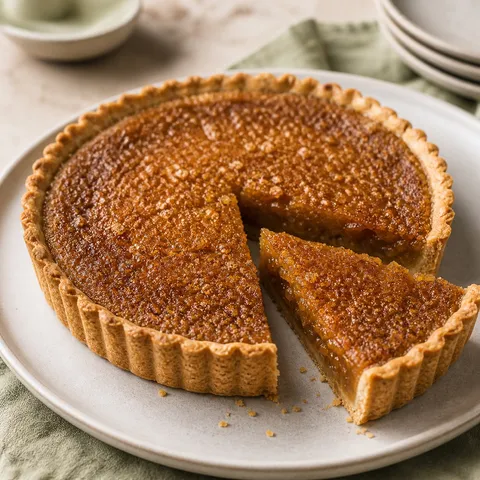
 Treacle Tart
A sweet, sticky tart filled with golden syrup and fresh breadcrumbs, with a gently caramelized top and a hint of lemon — Harry Potter's favorite dessert.