 Cajun & Creole Images are for illustrative purposes only, may be inaccurate, and do not guarantee the presence or absence of specific ingredients.
  Serving Images are for illustrative purposes only, may be inaccurate, and do not guarantee the presence or absence of specific ingredients.
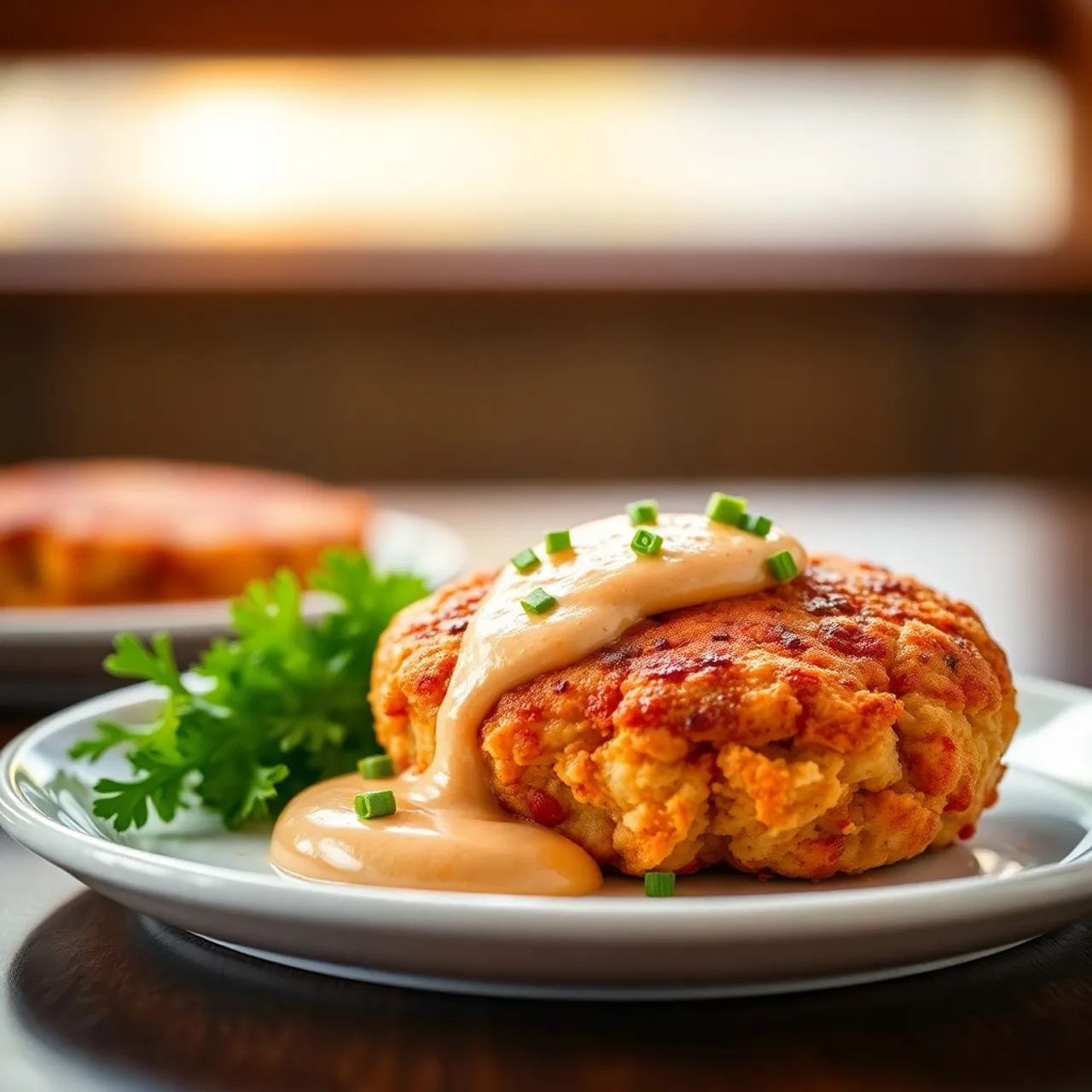
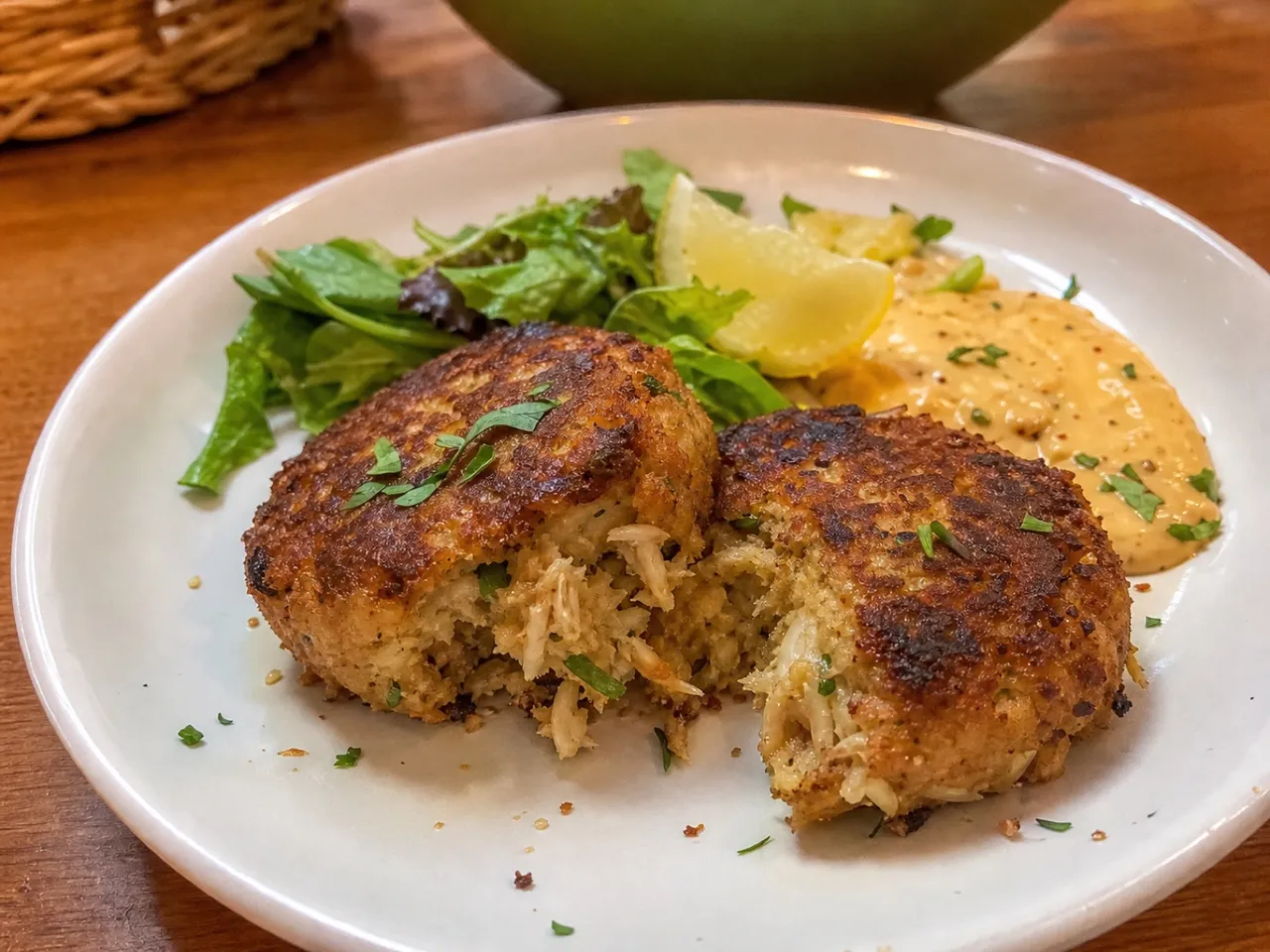
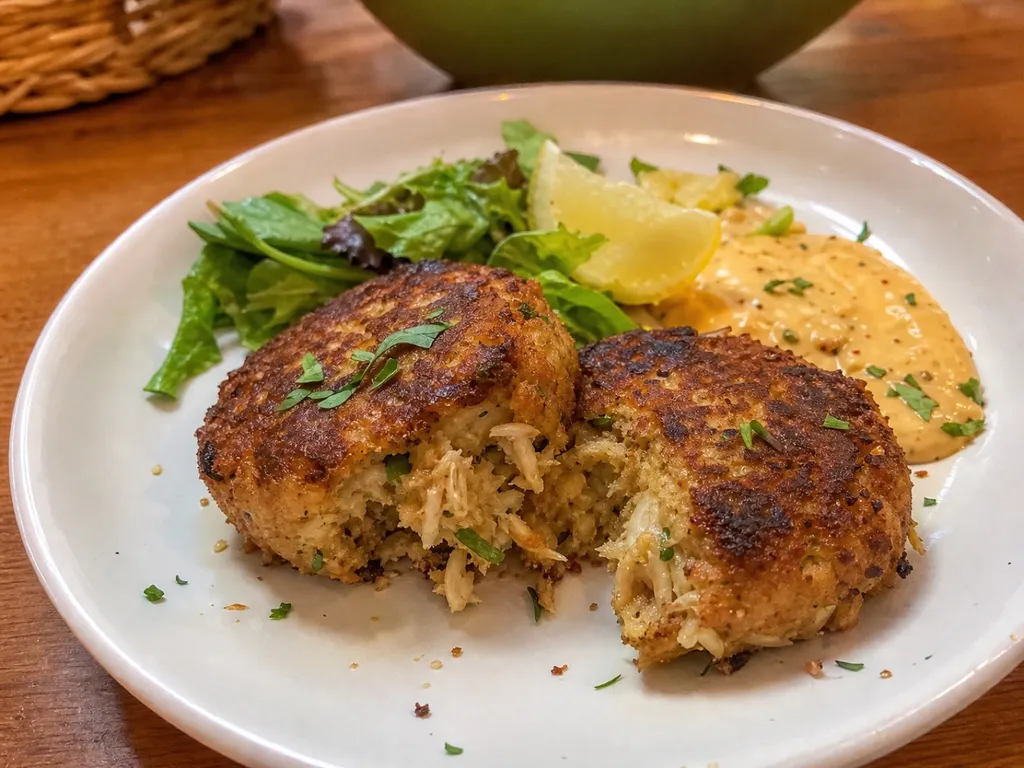
 Cajun Crab Cakes
Lump crab cakes seasoned with Creole spices, pan-fried to a golden crisp, and served with zesty remoulade — sweet, briny, and satisfyingly indulgent.
Contains common allergens
In the app, Listahan checks these against your household automatically.
Good to know
- Crispy
- Ready in under 30 minutes
Matched from this dish's own ingredients and timing. Browse more: crispy recipes30-minute meals
Instructions
6 steps- 1
Gently combine the crab meat, breadcrumbs, egg, mayonnaise, Cajun seasoning, mustard, and parsley in a bowl, being careful not to break up the crab too much.
- 2
Shape the mixture into 6 to 8 patties and place on a plate; refrigerate for at least 20 minutes to help them hold together.
- 3
Heat the oil in a skillet over medium heat.
- 4
Cook the crab cakes until golden brown and heated through, about 3 to 4 minutes per side.
- 5
Drain briefly on paper towels.
- 6
Serve hot with lemon wedges or remoulade sauce.
 Images are for illustrative purposes only, may be inaccurate, and do not guarantee the presence or absence of specific ingredients.
 Listahan Family Score™
59/100
Works for many families
Score reflects how well this recipe fits a typical busy household. In the app, your Family Score is personalized to your household's allergens, kids, and pantry.
Nutrition
per serving400
Calories
34 g
Protein
21 g
Carbs
20 g
Fat
Estimated per serving. Actual values depend on the brands and portions you use.
Listahan cooking guide
Chef notes & practical guide
Technique notes, ingredient swaps, serve-alongside ideas, storage guidance, and equipment for this recipe.
Cultural context
Crab cakes as a dish are most associated with the Chesapeake, but Louisiana's Gulf Coast has its own long-running blue crab harvest, and the Cajun version leans on a Cajun seasoning blend and a remoulade rather than tartar sauce to mark it as distinctly Louisiana rather than mid-Atlantic.
Listahan note
This version keeps the breadcrumb-to-crab ratio light on purpose, so the crab itself leads the dish instead of tasting like a breaded filler patty.
Technique cues
- Folding the breadcrumbs and seasoning into the crab meat gently, rather than stirring vigorously, keeps the lumps of crab mostly intact instead of breaking down into a paste that loses its characteristic texture.
- Chilling the formed patties for at least 30 minutes firms the binder enough that the cakes hold together in the hot pan rather than falling apart on the first flip.
- A hot pan with a shallow layer of oil, rather than a full deep fry, browns the crust while keeping the delicate interior from overcooking.
- Cajun seasoning blends vary widely in salt content, so tasting a small cooked portion of the mixture before shaping the rest of the batch helps avoid over-salting the whole batch.
Kitchen flow
- Parallel prep
- Prep dips or garnishes for Cajun Crab Cakes while the main component cooks or chills, so everything lands on the platter at once. This one leans on the Cajun seasoning. Everything else is quick — the fry is the one step that takes real time.
- Make-ahead
- Cajun Crab Cakes can be assembled a few hours ahead and held, covered, until serving. This one leans on the Cajun seasoning. Plan around the fry; that's the slow part.
- Leftover move
- Leftover Cajun Crab Cakes reheats best in an oven or air fryer rather than a microwave, which keeps it from turning soft. This one leans on the Cajun seasoning.
- Cleanup rhythm
- Wash serving dishes for Cajun Crab Cakes promptly if they held dips or sauces, which dry into a harder film than most other foods. This one leans on the Cajun seasoning. Everything else is quick — the fry is the one step that takes real time.
Ingredient brief
Role, handling, and swap guidance for each key ingredient.
Crab meat
Flavor support
Purpose: Crab meat supports the balance of Cajun Crab Cakes and should taste integrated.
Handling: Prep before heat is high so the cooking step can move without rushing.
Adaptation: Use a non-seafood protein only with adjusted seasoning and cooking time.
breadcrumbs
Structural base
Purpose: breadcrumbs defines the shape and texture of the dish.
Handling: Prep before heat is high so the cooking step can move without rushing.
Adaptation: Use a certified gluten-free alternative when needed and expect a small texture change.
cajun seasoning
Seasoning backbone
Purpose: cajun seasoning gives the dish its recognizable flavor direction.
Handling: Measure before heating and break up clumps so the mix distributes evenly.
Adaptation: Use the closest fresh equivalent and expect a modest shift in flavor or texture.
Technique notes
- Serve with a cold remoulade rather than tartar sauce, since its mustard and hot sauce base complements the Cajun seasoning already in the cakes.
- A wide, flat spatula works better than tongs for turning, since the cakes are more delicate than most pan-fried patties.
- Day-old crab cakes reheat better in a skillet than a microwave, which keeps the crust from turning rubbery.
Ingredient swaps
- Gluten-free direction
- Swap in a certified gluten-free 1:1 flour blend or gluten-free noodles/breadcrumbs wherever the recipe calls for a wheat product, and read packaged-item labels closely. This one leans on the Cajun seasoning.
- Seafood-aware direction
- Replace the crab meat with a vegetarian fish-sauce alternative or extra soy sauce and a pinch of dried seaweed for umami to keep the savory depth without any fish or shellfish. This one leans on the Cajun seasoning.
- Lower-sodium direction
- Hold back roughly a third of the salt at first; taste once everything else has had time to come together. This one leans on the Cajun seasoning.
- Weeknight shortcut
- For a faster version, prep the longest-cooking component a day ahead so the night-of cook is mostly assembly and finishing. This one leans on the Cajun seasoning.
Serve alongside
- Fresh berries
- Citrus fruit salad
- Mint leaves
- Black coffee
- Hot tea
- Sparkling water with lemon
Serving suggestions only — check pairings for your household's allergens.
Storage & reheating
- Store covered for 3 to 4 days, refrigerated when dairy, eggs, custard, or fresh fruit are involved.
- Reheat gently only when warmth improves the texture.
- Freeze sturdy baked portions up to 2 months; avoid freezing delicate fresh toppings.
Equipment
- Mixing bowls
- Baking dish or pan
- Cooling rack
Make this household-aware
Listahan Pro checks this recipe against your household's allergens, finds pantry-aware swaps, builds the shopping list, and helps you plan the week around it.
Plan it in Listahan
Add Cajun Crab Cakes to your week, check it against your household's allergens, and build the shopping list automatically.
More Cajun & Creole recipes
 Cajun & Creole Lens Verified Images are for illustrative purposes only, may be inaccurate, and do not guarantee the presence or absence of specific ingredients.
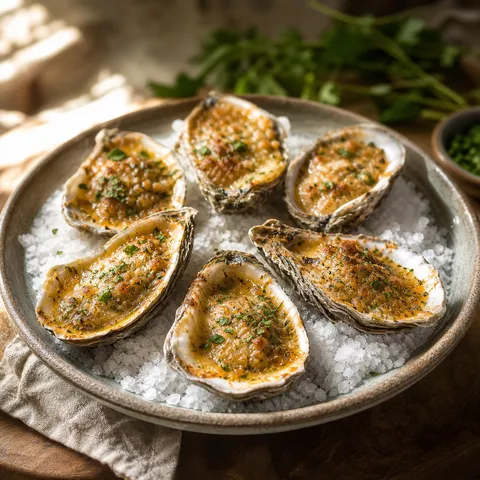
 Oysters Bienville
A classic New Orleans baked oyster dish crowned with a rich shrimp-and-mushroom cream sauce, browned to perfection on the half shell.
 Cajun & Creole Lens Verified Images are for illustrative purposes only, may be inaccurate, and do not guarantee the presence or absence of specific ingredients.
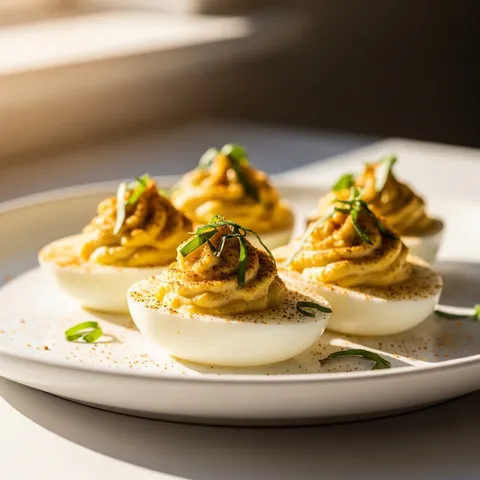
 Cajun Deviled Eggs
Classic deviled eggs with a Louisiana twist — creamy yolk filling spiked with hot sauce, Creole mustard, and cayenne, topped with a sprinkle of smoked paprika.
 Cajun & Creole Lens Verified Images are for illustrative purposes only, may be inaccurate, and do not guarantee the presence or absence of specific ingredients.
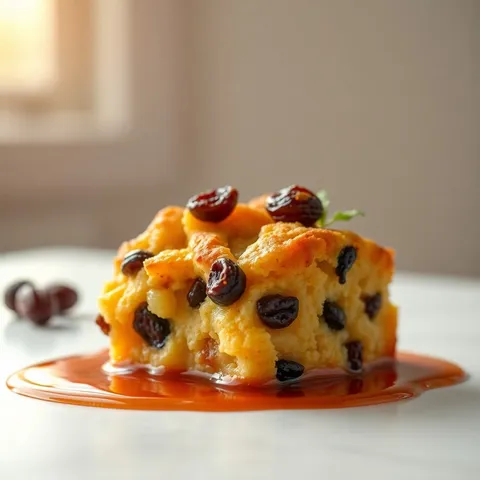
 Creole Bread Pudding
Day-old French bread soaked in a rich custard of cream, eggs, and vanilla, baked golden, then drowned in a warm bourbon-laced whiskey sauce.