 Chicken & Poultry Images are for illustrative purposes only, may be inaccurate, and do not guarantee the presence or absence of specific ingredients.
  Serving Images are for illustrative purposes only, may be inaccurate, and do not guarantee the presence or absence of specific ingredients.
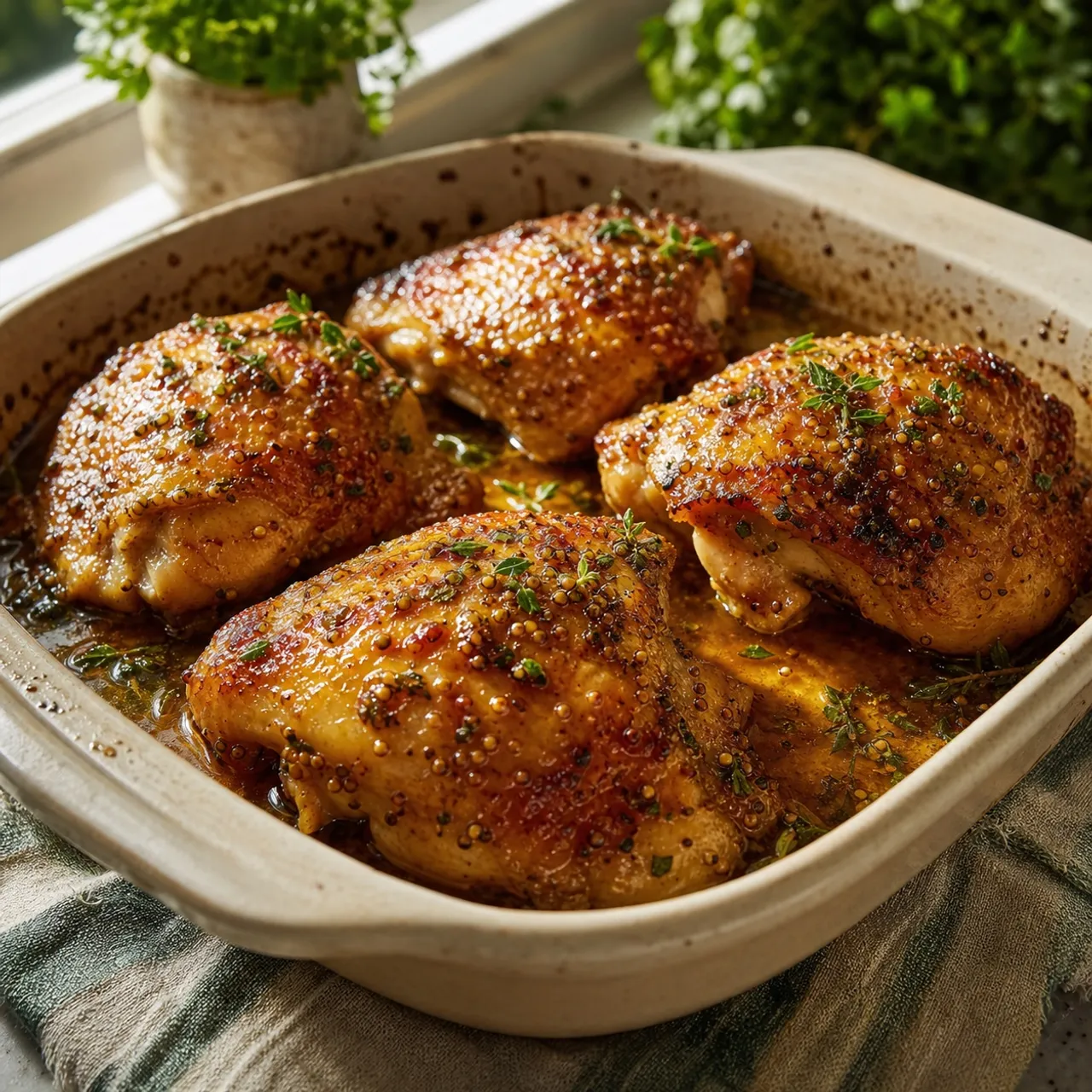
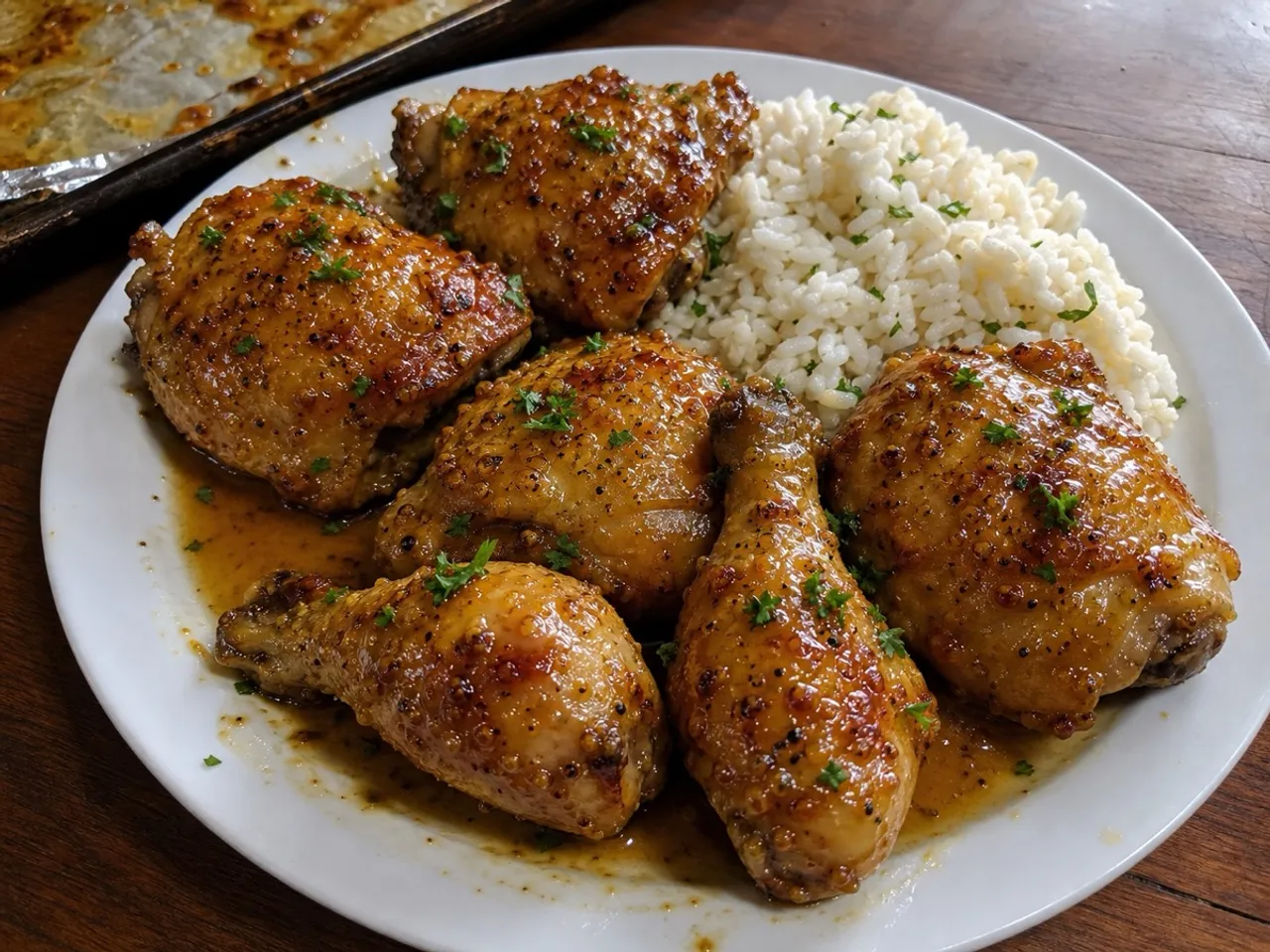
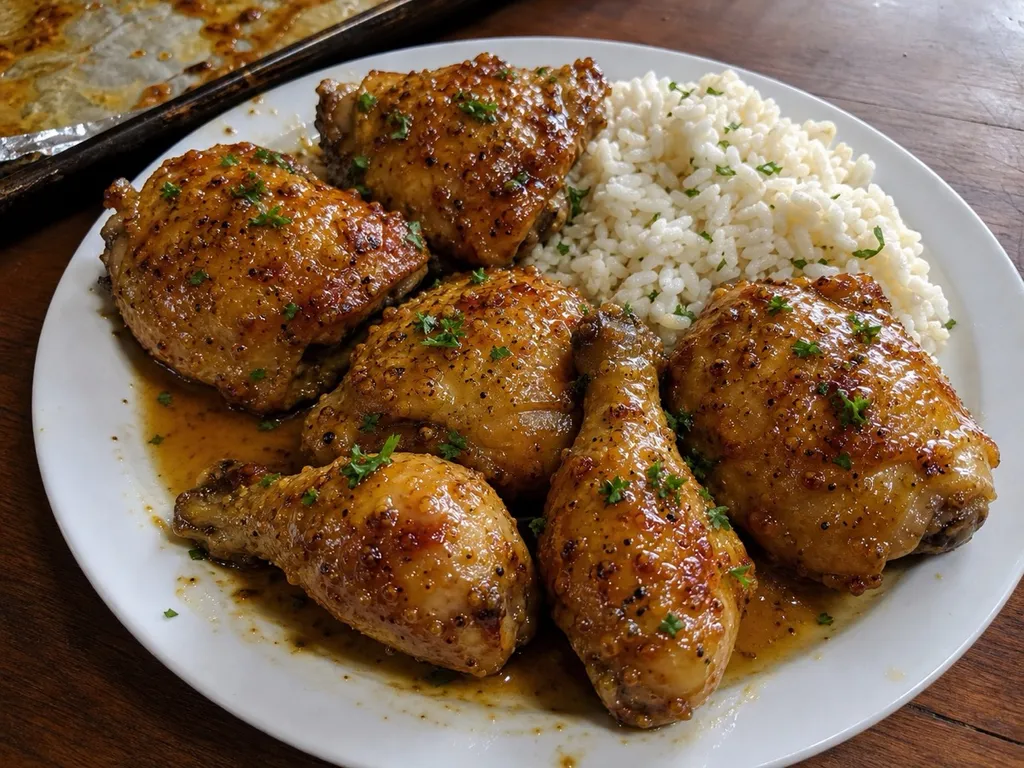
 Honey Mustard Baked Chicken
Bone-in chicken pieces baked in a sticky honey mustard glaze until golden and tender.
Contains common allergens
In the app, Listahan checks these against your household automatically.
Instructions
5 steps- 1
Preheat oven to 400°F (200°C) and line a baking sheet with foil.
- 2
Whisk together honey, Dijon mustard, yellow mustard, olive oil, garlic, salt, and pepper.
- 3
Arrange chicken pieces on the baking sheet and pour the honey mustard mixture over top, turning to coat.
- 4
Bake 35-40 minutes, basting halfway through, until chicken is golden and cooked through (internal temperature 165°F/74°C).
- 5
Garnish with parsley and serve.
 Images are for illustrative purposes only, may be inaccurate, and do not guarantee the presence or absence of specific ingredients.
 Listahan Family Score™
79/100
Good fit for most families
Score reflects how well this recipe fits a typical busy household. In the app, your Family Score is personalized to your household's allergens, kids, and pantry.
Nutrition
per serving185
Calories
2 g
Protein
26 g
Carbs
9 g
Fat
Estimated per serving. Actual values depend on the brands and portions you use.
Listahan cooking guide
Chef notes & practical guide
Technique notes, ingredient swaps, serve-alongside ideas, storage guidance, and equipment for this recipe.
Cultural context
Honey and mustard have been paired in European and North American kitchens for a long time because the sweetness softens mustard's sharp edge without hiding it. Baked chicken versions became a practical home-cooking staple: one pan, pantry condiments, and enough glaze to make bone-in pieces feel finished without making a separate sauce.
Listahan note
This version leans into a sticky, tangy glaze rather than a creamy sauce. The mix of Dijon and yellow mustard keeps the flavor familiar but gives it more depth than either mustard would alone.
Technique cues
- Line the pan well because honey can darken fast where it touches the hot metal. Foil also makes it easier to lift any sticky glaze back over the chicken instead of losing it to the pan.
- Baste halfway through baking so the glaze builds in layers. The first coating seasons the chicken; the second helps the top turn glossy and golden.
- Give the chicken a few minutes to rest before serving. The glaze thickens slightly as it cools, so it clings better to the skin and meat.
Kitchen flow
- Parallel prep
- Start roasted potatoes, rice, or a simple grain before mixing the glaze; the chicken mostly takes care of itself once it is in the oven.
- Make-ahead
- Whisk the glaze earlier in the day and refrigerate it separately, then coat the chicken right before baking.
- Leftover move
- Pull the chicken from the bone and tuck it into warm rolls with sliced cucumber or cabbage for a quick lunch.
- Cleanup rhythm
- Use foil on the baking sheet and soak the whisk and bowl while the chicken bakes so the honey mustard residue releases easily.
Ingredient brief
Role, handling, and swap guidance for each key ingredient.
Bone-in, skin-on chicken thighs
Rich dark meat
Purpose: Thighs stay tender during high-heat baking and the skin gives the glaze a surface to caramelize on.
Handling: Arrange them skin-side up with a little space around each piece.
Adaptation: Boneless thighs bake faster but will not give the same roasted skin or pan juices.
Bone-in chicken drumsticks
Juicy serving piece
Purpose: Drumsticks cook well alongside thighs and make the meal easy to portion.
Handling: Turn them in the glaze so the narrower sides are coated, not just the top.
Adaptation: Use all thighs or all drumsticks if you want more even timing.
Honey
Sweet glaze base
Purpose: Honey balances the mustard and helps the chicken bake up sticky and browned.
Handling: Whisk it thoroughly with the mustards so it does not sit in a thick pocket on the pan.
Adaptation: Maple syrup gives a looser glaze with a woodsy sweetness.
Dijon mustard
Sharp mustard backbone
Purpose: Dijon brings a cleaner, more savory bite than yellow mustard alone.
Handling: Whisk it first with the honey before adding oil so the glaze comes together smoothly.
Adaptation: Whole-grain mustard adds texture and a milder, seedier finish.
Yellow mustard
Bright tang
Purpose: Yellow mustard keeps the flavor recognizable and adds color to the glaze.
Handling: Use it in the measured amount so it supports the Dijon without taking over.
Adaptation: Leave it out and increase the Dijon slightly for a sharper, less picnic-style flavor.
Garlic, minced
Aromatic lift
Purpose: Garlic rounds out the sweetness and makes the glaze taste cooked rather than just mixed.
Handling: Mince it finely so it disperses through the sauce and does not burn in large pieces.
Adaptation: A small amount of garlic powder blends easily into the glaze when fresh garlic is not available.
Technique notes
- Keep the chicken in a single layer. Crowding traps steam and makes the glaze thinner instead of sticky.
- If the tops brown before the chicken is done, move the pan to a lower rack rather than scraping off the glaze.
- Spoon pan juices over the chicken right before serving; the best bits are the darker mustard-honey drips around the edges.
Ingredient swaps
- Mustard-forward direction
- Use more Dijon and less yellow mustard for a sharper, less sweet profile.
- Sweeter family-style path
- Add an extra spoonful of honey and serve with something crisp, like slaw or cucumber salad, to keep the plate balanced.
- Skinless route
- Use skinless bone-in pieces and baste more generously; the glaze will cling to the meat but the finish will be less roasted.
- Sheet-pan dinner move
- Add small potato chunks or carrot sticks around the chicken, keeping them out from under the pieces so everything browns.
Serve alongside
- Roasted baby potatoes with parsley
- Buttered egg noodles
- Apple-cabbage slaw
- Green beans almondine
- Unsweetened iced tea
- Sparkling apple cider
- Dry hard cider
Serving suggestions only — check pairings for your household's allergens.
Storage & reheating
- Refrigerate leftovers with any extra glaze in a sealed container for up to 4 days.
- Reheat covered in a low oven or in a skillet with a splash of water until the glaze loosens.
- Freeze cooked chicken pieces up to 2 months; thaw overnight and reheat gently so the glaze does not scorch.
Equipment
- Rimmed baking sheet
- Aluminum foil
- Mixing bowl and whisk
- Basting brush or spoon
Make this household-aware
Listahan Pro checks this recipe against your household's allergens, finds pantry-aware swaps, builds the shopping list, and helps you plan the week around it.
Plan it in Listahan
Add Honey Mustard Baked Chicken to your week, check it against your household's allergens, and build the shopping list automatically.
More Chicken & Poultry recipes
 Chicken & Poultry Lens Verified Images are for illustrative purposes only, may be inaccurate, and do not guarantee the presence or absence of specific ingredients.
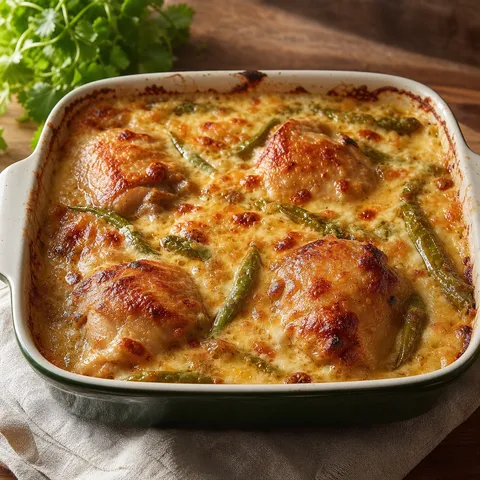
 Chicken and Green Chili Casserole
A hearty layered Tex-Mex casserole of tender chicken, tortillas, green chilies, and melted cheese in a creamy sauce.
 Chicken & Poultry Lens Verified Images are for illustrative purposes only, may be inaccurate, and do not guarantee the presence or absence of specific ingredients.
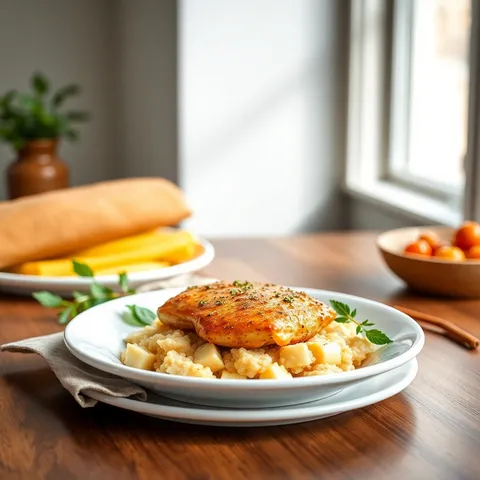
 Garlicky Baked Chicken
Tender baked chicken in a quick, garlicky mayonnaise marinade with a hint of Italian herbs.
 Chicken & Poultry Lens Verified Images are for illustrative purposes only, may be inaccurate, and do not guarantee the presence or absence of specific ingredients.
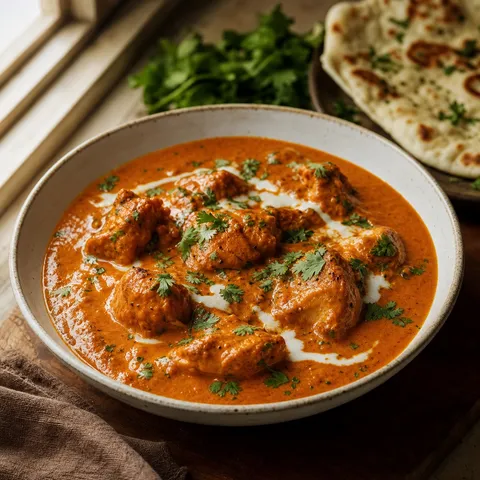
 Butter Chicken (Murgh Makhani)
Tender marinated chicken simmered in a rich, spiced tomato-butter cream sauce, a beloved Indian restaurant classic.