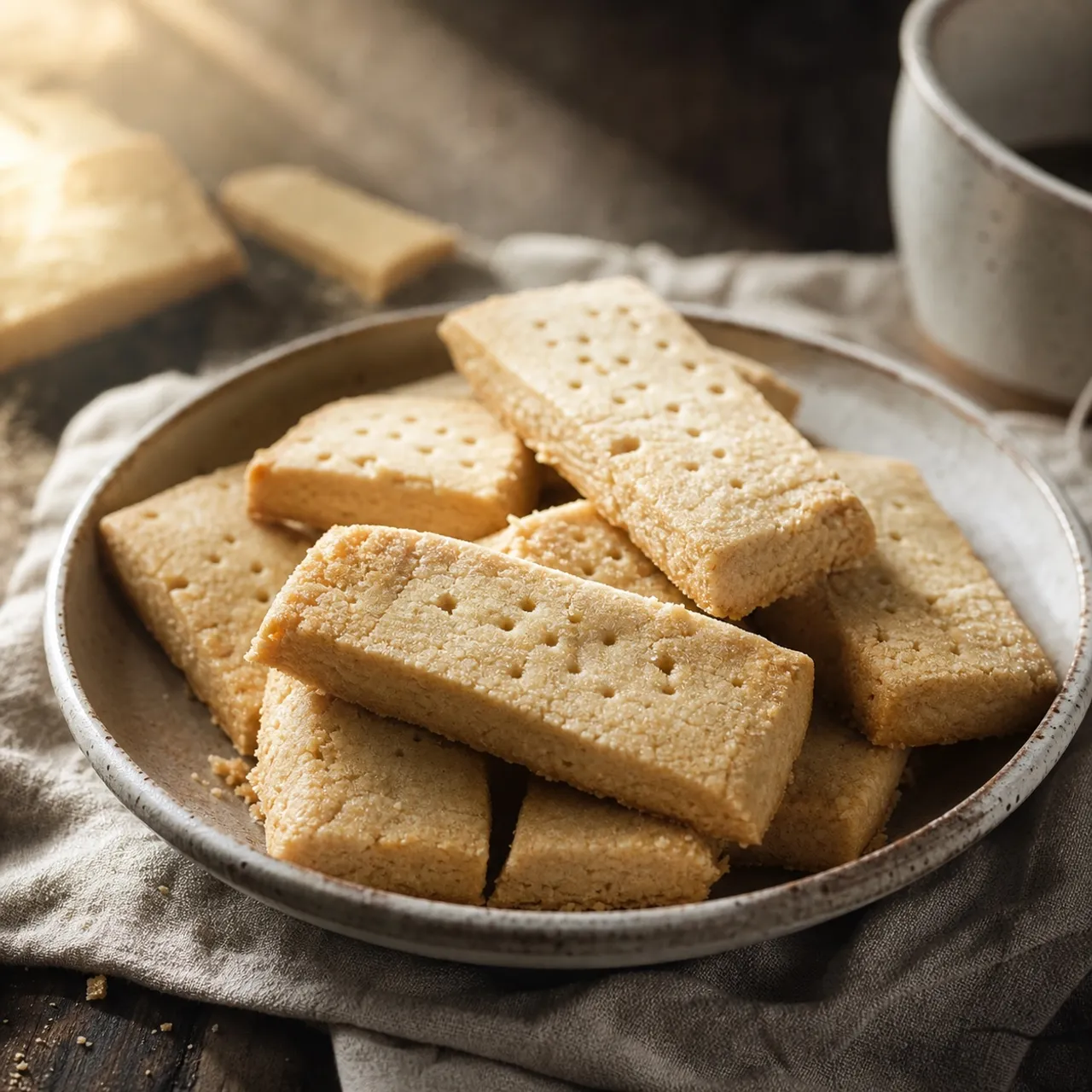
 Desserts Images are for illustrative purposes only, may be inaccurate, and do not guarantee the presence or absence of specific ingredients.
 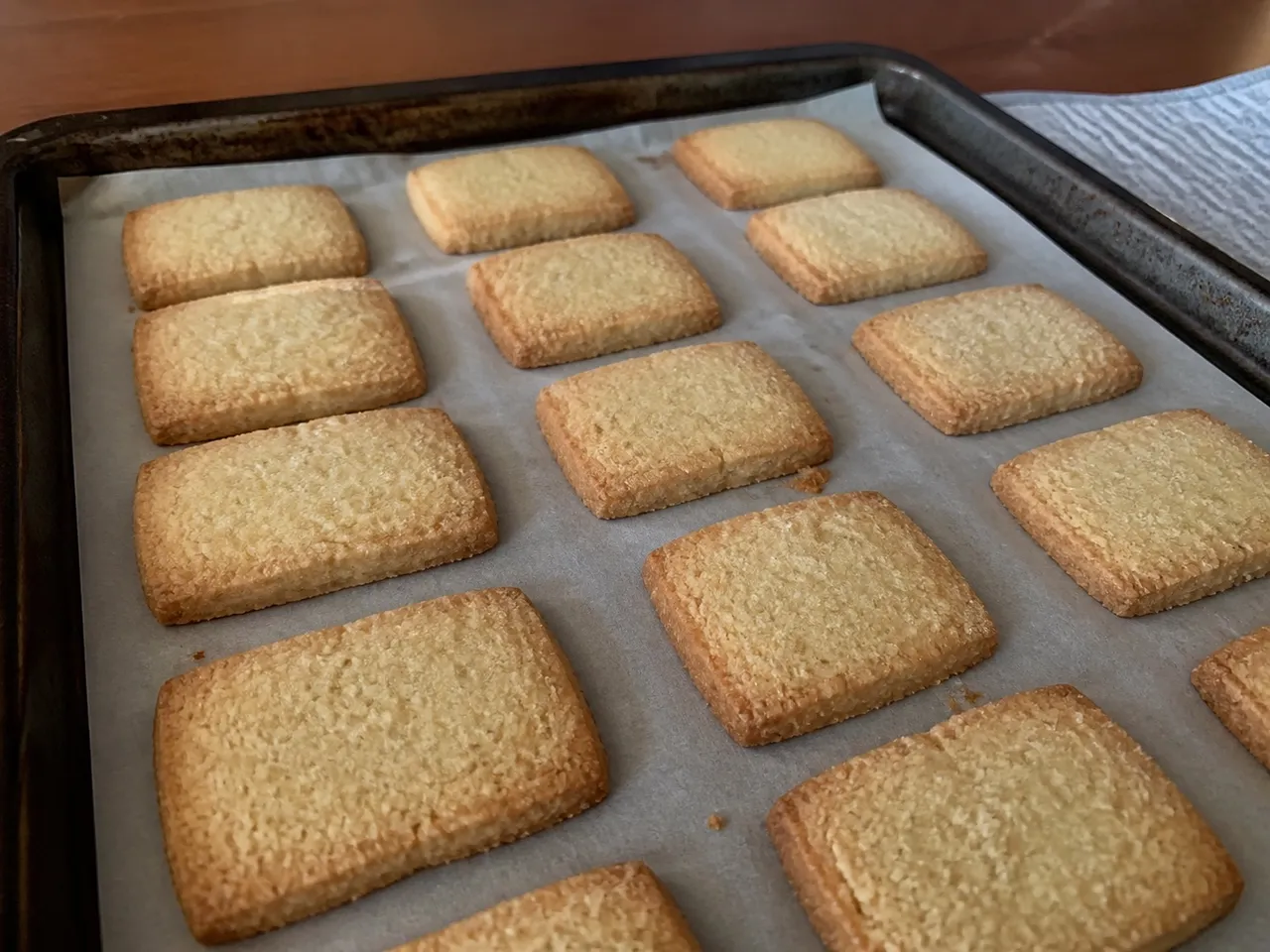 Serving Images are for illustrative purposes only, may be inaccurate, and do not guarantee the presence or absence of specific ingredients.
 Brown Sugar Shortbread
Buttery, melt-in-your-mouth shortbread with a warm caramel note from brown sugar.
Contains common allergens
In the app, Listahan checks these against your household automatically.
Instructions
6 steps- 1
In a mixing bowl, cream together the softened butter and brown sugar until light and smooth.
- 2
Gradually stir in the flour until a soft dough forms.
- 3
Turn the dough out onto a lightly floured surface and knead until smooth, about 3 minutes.
- 4
Pat the dough to about 1/3-inch thickness and cut into 1x3-inch strips (or your preferred shape), placing them about 1 inch apart on ungreased cookie sheets. Prick each piece several times with a fork.
- 5
Bake at 300°F (150°C) for about 25 minutes, or until the bottoms just begin to brown.
- 6
Let the shortbread cool on the pan for 5 minutes, then transfer to a wire rack to cool completely.
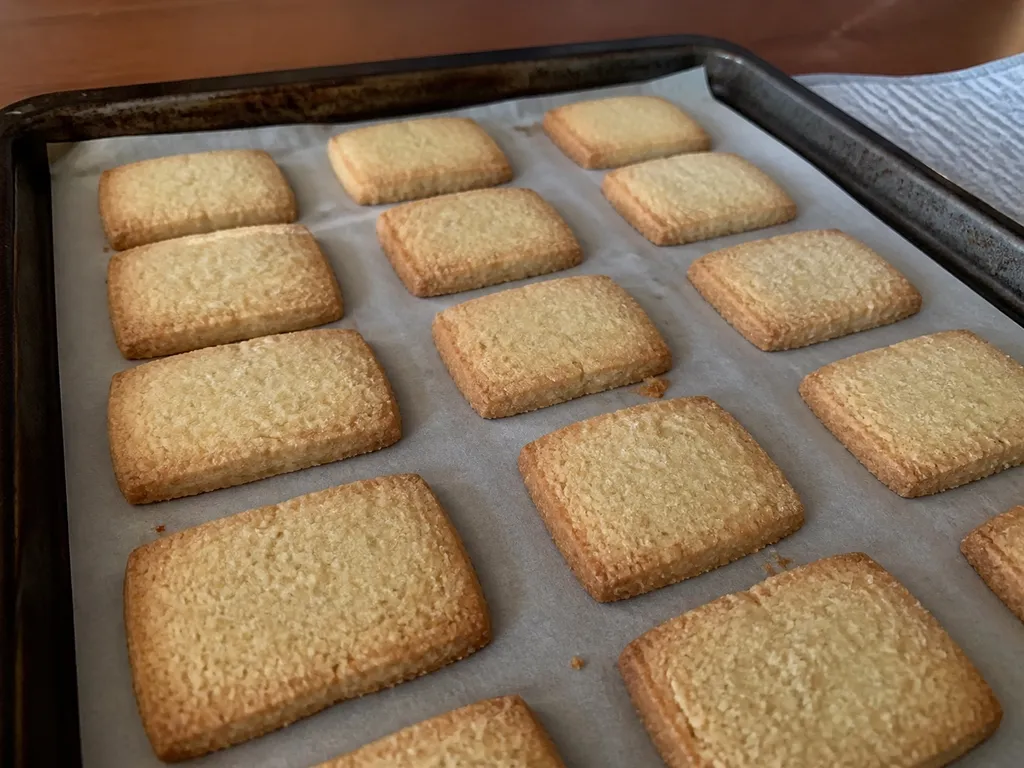 Images are for illustrative purposes only, may be inaccurate, and do not guarantee the presence or absence of specific ingredients.
 Listahan Family Score™
70/100
Good fit for most families
Score reflects how well this recipe fits a typical busy household. In the app, your Family Score is personalized to your household's allergens, kids, and pantry.
Nutrition
per serving130
Calories
1 g
Protein
13 g
Carbs
8 g
Fat
Estimated per serving. Actual values depend on the brands and portions you use.
Listahan cooking guide
Chef notes & practical guide
Technique notes, ingredient swaps, serve-alongside ideas, storage guidance, and equipment for this recipe.
Cultural context
Shortbread originated in medieval Scotland, where leftover bread dough was dried in the oven to create a hard biscuit; by the 16th century, the yeast was replaced with butter, and Mary Queen of Scots is credited with popularizing a refined version. The shift to brown sugar is a later American adaptation that deepens the flavor with molasses notes absent from the traditional white-sugar or powdered-sugar versions. Today shortbread remains one of the simplest cookies to make, requiring just three ingredients and no leavening.
Listahan note
This version uses packed brown sugar rather than the traditional icing sugar, yielding a slightly chewier center and a deeper toffee-like flavor with only three pantry staples.
Technique cues
- Butter temperature is the single biggest variable: it must be soft enough to cream but not greasy or oily, which happens fast in a warm kitchen. Aim for butter that holds a fingerprint but does not smear.
- Brown sugar packs more moisture than white, so the dough may feel softer and slightly stickier than classic shortbread. Chilling the shaped dough for 20-30 minutes before baking prevents spread and keeps edges clean.
- Shortbread browns slowly and evenly; pull it when the edges are just barely golden and the center still looks pale, as residual heat will finish the bake. Over-baking makes it hard rather than sandy.
Kitchen flow
- Parallel prep
- While butter comes to temperature, line baking sheets with parchment and preheat the oven. No other active prep is required.
- Make-ahead
- Dough can be shaped into a log, wrapped in plastic, and refrigerated up to 3 days or frozen up to 2 months. Slice and bake straight from cold.
- Leftover move
- Crumble day-old shortbread over vanilla ice cream or use it as a cheesecake crust pressed into a springform pan.
- Cleanup rhythm
- One bowl, one sheet pan, and a mixer — wipe the bowl and beaters immediately after mixing while the butter residue is still soft.
Ingredient brief
Role, handling, and swap guidance for each key ingredient.
1 cup (2 sticks) butter, softened
fat base and primary flavor
Purpose: The high butter ratio is what gives shortbread its signature crumbly, melt-in-the-mouth texture rather than a chewy or crisp one.
Handling: Pull butter from the fridge 30-45 minutes before mixing; press a finger in — it should yield without melting.
Adaptation: European-style cultured butter raises the flavor noticeably; do not use margarine or reduced-fat spreads.
1/2 cup packed brown sugar
sweetener and moisture source
Purpose: Molasses in brown sugar adds caramel depth and a slight chew that white sugar does not provide.
Handling: Pack firmly into the measuring cup so the sugar holds its shape when turned out, ensuring consistent sweetness.
Adaptation: Light or dark brown sugar both work; dark gives a stronger molasses note. Coconut sugar works as a 1:1 substitute with a nuttier result.
2 1/4 cups all-purpose flour
structure
Purpose: The high flour-to-fat ratio is what creates the dense, dry crumb shortbread is known for.
Handling: Spoon flour into the measuring cup and level with a knife rather than scooping to avoid a dense, dry result.
Adaptation: Replace up to half the flour with rice flour or cornstarch for an even more tender, fine-crumbed texture.
Technique notes
- Score the dough with a fork or skewer before baking (the classic prick pattern) — this allows steam to escape and prevents puffing, keeping the texture tight and sandy.
- For slice-and-bake logs, roll the log on the counter after wrapping to eliminate flat spots, then refrigerate upright in a tall glass if possible to keep a round cross-section.
- Do not over-mix once the flour is added; mix only until the dough just comes together, because overworking develops gluten and makes the finished cookie tough rather than crumbly.
Ingredient swaps
- Gluten-free direction
- Use a 1:1 gluten-free flour blend (such as Bob's Red Mill or King Arthur Measure for Measure); add 1 tablespoon cornstarch for extra tenderness.
- Dairy-free option
- Vegan butter sticks (such as Miyoko's or Earth Balance) work at a 1:1 ratio and maintain the crumbly texture; coconut oil is too oily and is not recommended.
- Flavor variation
- Add 1 teaspoon vanilla extract, 1 tablespoon finely grated lemon zest, or 1/2 teaspoon ground cardamom to the creamed butter for a distinct flavor profile.
Serve alongside
- fresh raspberry compote with a squeeze of lemon
- clotted cream or creme fraiche
- thin slices of aged cheddar for a sweet-savory plate
- strong black Scottish breakfast tea
- milky Earl Grey
- cold whole milk
Serving suggestions only — check pairings for your household's allergens.
Storage & reheating
- Store baked shortbread in an airtight tin at room temperature for up to 10 days; a piece of bread in the tin helps maintain moisture.
- Do not refrigerate baked cookies as the moisture causes them to lose their sandy texture.
- Freeze baked shortbread in a single layer, then transfer to a freezer bag for up to 3 months; thaw at room temperature for 20 minutes.
Equipment
- stand mixer or hand mixer
- parchment-lined baking sheet
- sharp knife or pastry wheel for cutting
- fork or skewer for docking
Make this household-aware
Listahan Pro checks this recipe against your household's allergens, finds pantry-aware swaps, builds the shopping list, and helps you plan the week around it.
Plan it in Listahan
Add Brown Sugar Shortbread to your week, check it against your household's allergens, and build the shopping list automatically.
More Desserts recipes
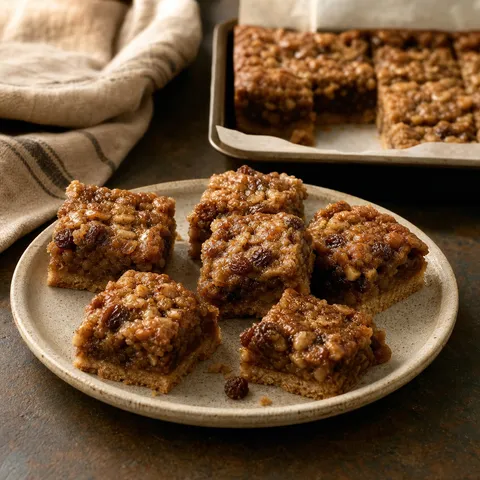 Desserts Lens Verified Images are for illustrative purposes only, may be inaccurate, and do not guarantee the presence or absence of specific ingredients.
 Buttertart Squares
Chewy butter tart squares with a shortbread base and a gooey brown sugar, raisin, and walnut topping.
 Desserts Lens Verified Images are for illustrative purposes only, may be inaccurate, and do not guarantee the presence or absence of specific ingredients.
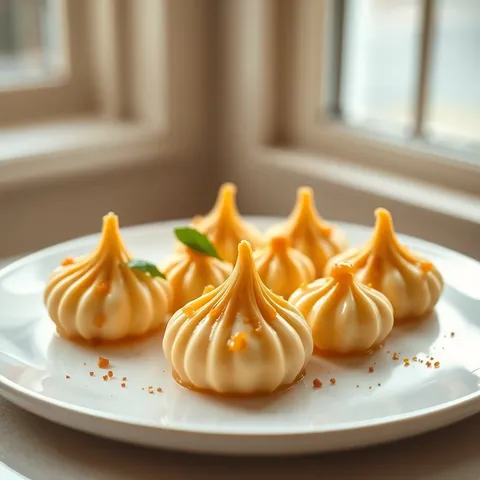
 Amber and Zach's Kisses
Light, crisp meringue kisses that melt in your mouth and make a pretty edible decoration.
 Desserts Lens Verified Images are for illustrative purposes only, may be inaccurate, and do not guarantee the presence or absence of specific ingredients.
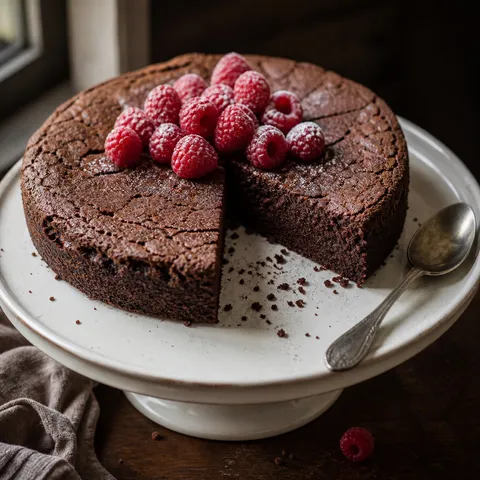
 Passover Flourless Chocolate Cake
A rich, dense flourless chocolate cake with no flour, matzo meal, or leavening — a naturally kosher-for-Passover dessert perfect for the seder table.