 Desserts Images are for illustrative purposes only, may be inaccurate, and do not guarantee the presence or absence of specific ingredients.
  Serving Images are for illustrative purposes only, may be inaccurate, and do not guarantee the presence or absence of specific ingredients.
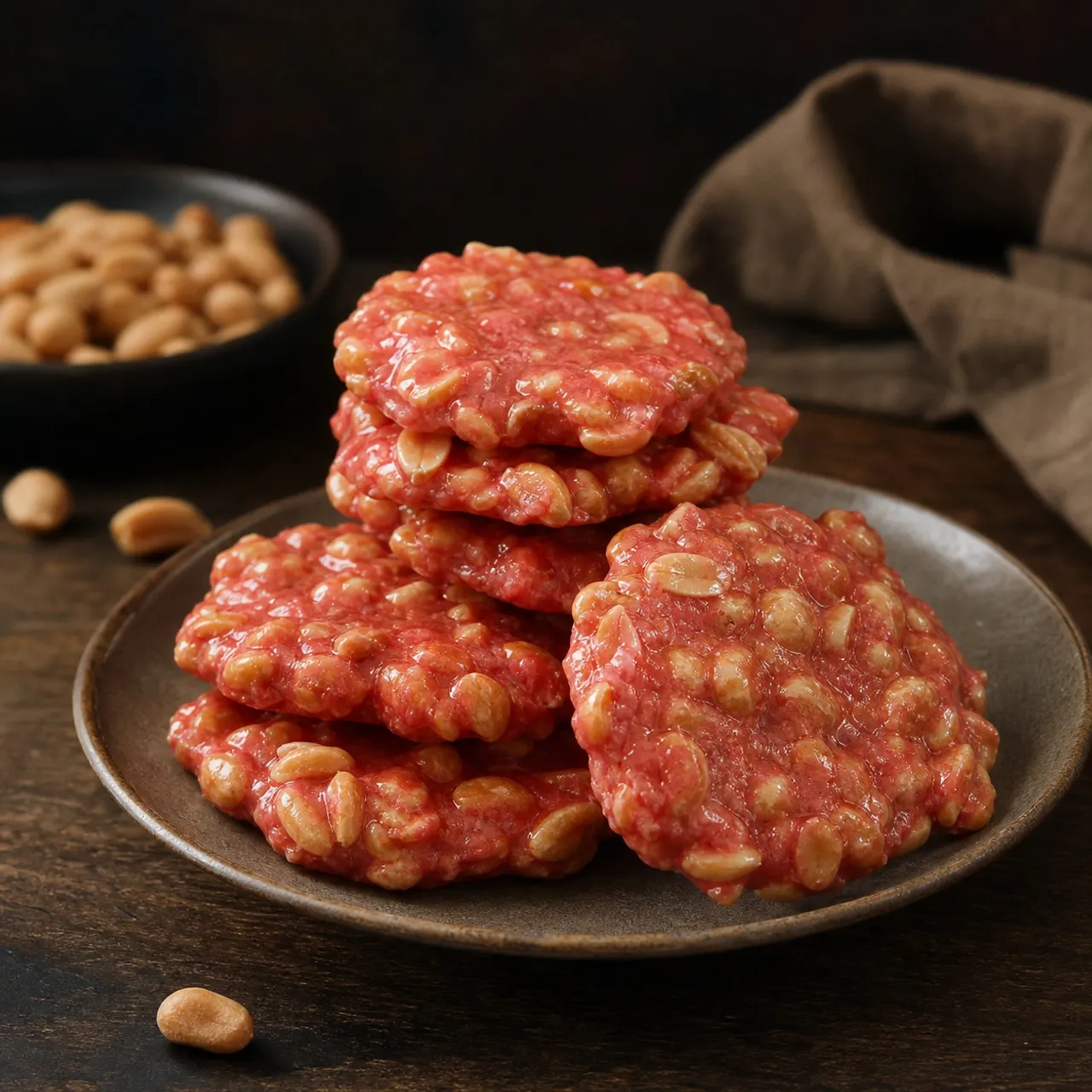
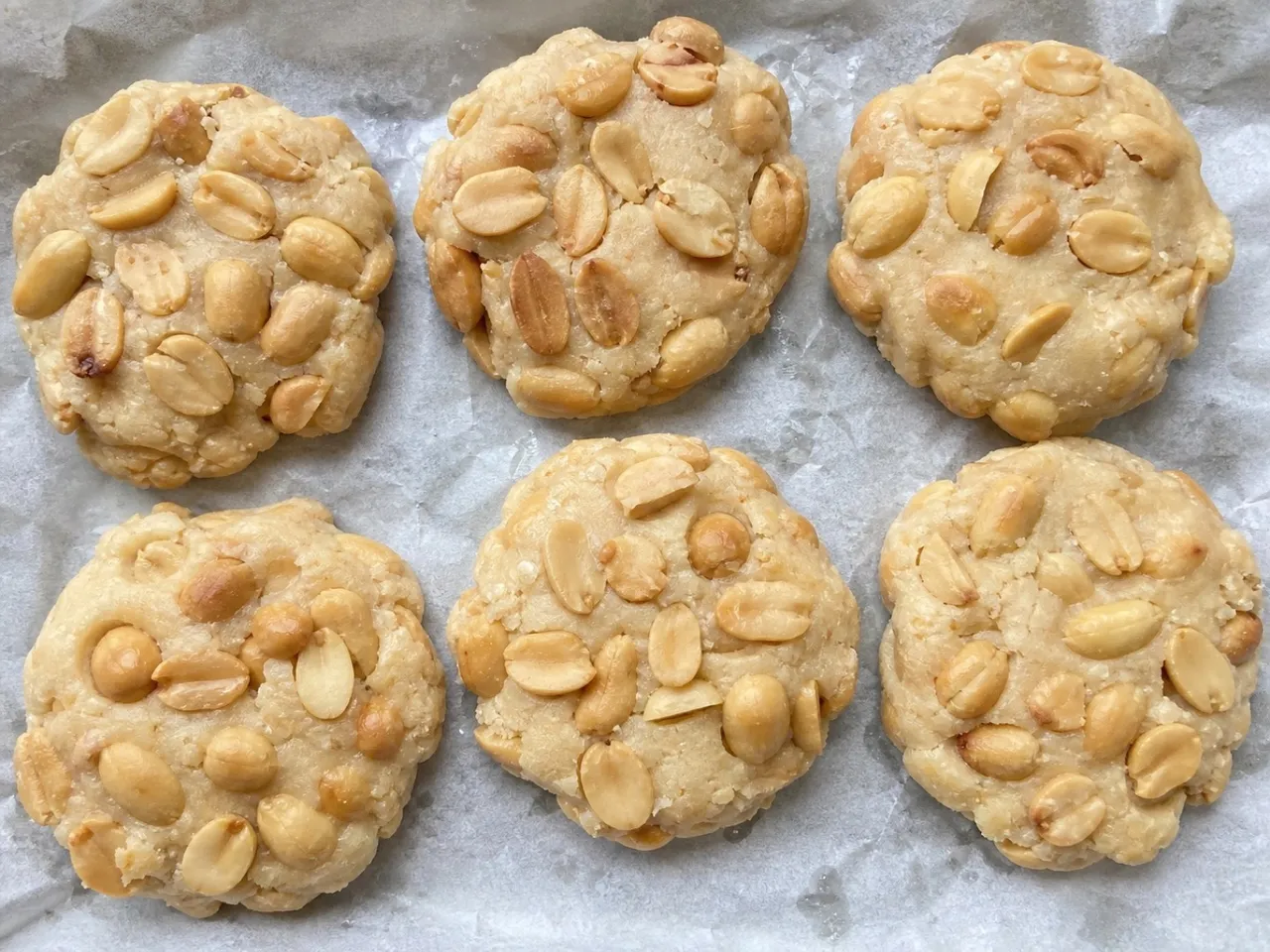
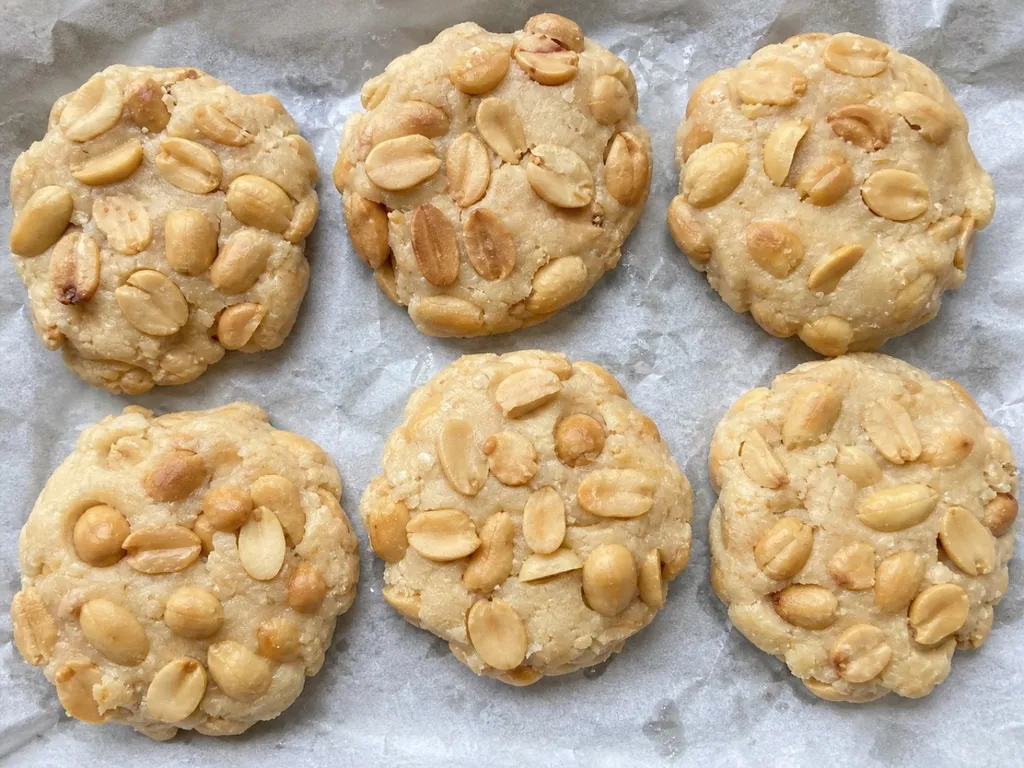
 Peanut Patties
Old-fashioned creamy peanut candy patties cooked low and slow, then beaten until they set.
Contains common allergens
In the app, Listahan checks these against your household automatically.
Good to know
- One-pot
Matched from this dish's own ingredients and timing. Browse more: one-pot dinners
Instructions
4 steps- 1
In a heavy pot or large saucepan, combine the sugar, milk, corn syrup, and raw peanuts. Bring to a boil over medium-high heat, stirring to dissolve the sugar.
- 2
Reduce the heat to a low simmer and cook for about 1 hour, stirring occasionally, until the mixture is thick and the peanuts are cooked through.
- 3
Remove from the heat and stir in the vanilla. Beat the mixture vigorously with a spoon as it cools until it turns creamy and begins to thicken; this beating is essential for the patties to set properly.
- 4
Quickly spoon the mixture into a buttered muffin pan to form patties, and let cool completely until firm.
 Images are for illustrative purposes only, may be inaccurate, and do not guarantee the presence or absence of specific ingredients.
 Listahan Family Score™
75/100
Good fit for most families
Score reflects how well this recipe fits a typical busy household. In the app, your Family Score is personalized to your household's allergens, kids, and pantry.
Nutrition
per serving355
Calories
9 g
Protein
49 g
Carbs
16 g
Fat
Estimated per serving. Actual values depend on the brands and portions you use.
Listahan cooking guide
Chef notes & practical guide
Technique notes, ingredient swaps, serve-alongside ideas, storage guidance, and equipment for this recipe.
Cultural context
Peanut patties are a Southern American confection most strongly associated with Texas, where they have been sold as a commercial roadside candy since at least the 1930s. The classic version is bright pink from red food coloring, though the base recipe is a simple peanut praline made by cooking sugar, corn syrup, and raw peanuts to the soft-ball candy stage. The candy is closely related to Southern pralines and brittle but distinguishes itself by the softer chew produced by the corn syrup and by being shaped into rounds rather than irregular broken shards. Homemade versions are typically white or cream-colored as this recipe omits the commercial pink dye.
Listahan note
This version uses raw peanuts cooked directly in the sugar syrup, which allows the nuts to toast as the candy cooks rather than adding roasted peanuts at the end, producing a deeper peanut flavor throughout.
Technique cues
- Candy-making here requires reaching the soft-ball stage (235-240 F), which is a specific temperature range where the sugar-syrup mixture, when dropped into cold water, forms a soft, pliable ball rather than a hard candy. Without a candy thermometer, the cold-water test is the only reliable method; do not guess based on time or color alone.
- Raw peanuts are specified rather than roasted because they continue to cook in the hot sugar syrup and emerge fully roasted with their natural oils integrating into the candy. Roasted peanuts added to hot syrup at this stage would overcook and turn bitter.
- Once the mixture reaches temperature and is taken off the heat, it must be spooned onto parchment quickly; peanut praline candy seizes and stiffens very rapidly as it cools. Have the parchment-lined surface prepared before the syrup reaches temperature, not after.
Kitchen flow
- Parallel prep
- Line two large baking sheets with parchment and have them positioned near the stove before you start cooking; the candy must be spooned immediately when it reaches temperature.
- Make-ahead
- Peanut patties keep extremely well; they can be made up to 2 weeks ahead and stored in an airtight container. They are an ideal make-ahead candy for gifts or events.
- Leftover move
- Crush leftover or broken patties and use as a topping for vanilla ice cream, stir into cookie dough, or layer into banana pudding for a crunchy peanut accent.
- Cleanup rhythm
- Fill the candy-cooking pot with hot water immediately after spooning the candy and bring to a boil on the stovetop; the sugar dissolves in minutes. Do not try to scrape hardened sugar out of a cold pot.
Ingredient brief
Role, handling, and swap guidance for each key ingredient.
granulated sugar
candy base and crystallization control
Purpose: Sugar provides the structural matrix of the candy; its concentration and cooking temperature determine whether the finished candy is soft-chew or brittle.
Handling: Combine with milk and corn syrup before heating; do not stir vigorously once the mixture starts boiling or it may crystallize prematurely.
Adaptation: No substitute; sugar is the essential candy-forming ingredient.
white corn syrup
crystallization inhibitor and chew modifier
Purpose: Corn syrup's glucose molecules interfere with sugar crystallization, producing a softer, chewier candy rather than a grainy or crunchy one.
Handling: Measure into the pan before heating; it pours more easily when the measuring cup is lightly greased with cooking spray.
Adaptation: Light agave nectar can be used in the same quantity for a slightly different but similarly soft result; golden syrup (Lyle's) also works.
raw peanuts
primary flavor and texture
Purpose: Raw peanuts cook in the hot sugar syrup, emerging fully roasted with their oils released into the candy matrix, providing a more integrated peanut flavor than pre-roasted nuts.
Handling: Add at the beginning with the other ingredients; stir to coat and cook throughout the process.
Adaptation: Raw cashews or raw almonds can replace peanuts for a nut-free-peanut (but not nut-free) variation; verify allergy needs carefully.
milk
dairy for a softer, creamier set
Purpose: Milk proteins and fat soften the crystalline sugar structure and provide a slight dairy richness that distinguishes peanut patties from plain peanut brittle.
Handling: Combine with sugar and syrup at the start; full-fat milk produces a richer result.
Adaptation: Whole coconut milk (full fat) substitutes for a dairy-free version with a slight coconut background note.
vanilla extract
aromatic finish
Purpose: Vanilla added off the heat (not during cooking, when alcohol evaporates) provides a warm aromatic note that rounds out the sweet peanut flavor.
Handling: Have measured and ready to stir in immediately when the pan comes off the heat; it should be added as you are already reaching for the spoon to portion the candy.
Adaptation: Butter extract can replace vanilla for a slightly more buttery, praline-adjacent flavor.
Technique notes
- A candy thermometer is essential for reliable results; the difference between 230 F and 240 F is the difference between candy that never sets and candy that is properly firm. Clip it to the side of the pot before heating so you can watch continuously.
- Stir constantly once the milk is added; milk sugar scorches on the bottom of the pan if left unattended at candy-making temperatures. A heavy-bottomed saucepan distributes heat more evenly and reduces scorching risk.
- If the candy starts to crystallize during cooking (visible sugary crust on the pan walls), brush down the interior walls with a pastry brush dipped in cold water to dissolve the crystals before they seed the whole batch.
Ingredient swaps
- Dairy-free option
- Replace whole milk with full-fat coconut milk; the coconut fat produces a similar soft-set with a subtle coconut background note that complements peanut well.
- Nut-free direction
- Peanut patties cannot be made nut-free given that peanuts are the core ingredient; for peanut allergies, sunflower seeds can be substituted but the flavor profile changes significantly.
- Pink classic version
- Add 5-8 drops of red food coloring with the vanilla at the end for the traditional bright-pink color associated with commercial peanut patties.
Serve alongside
- vanilla ice cream
- peach cobbler (as a crunchy garnish crumbled on top)
- banana pudding with vanilla wafers
- sweet iced tea (classic Southern pairing)
- cold whole milk
- black coffee to cut the sweetness
Serving suggestions only — check pairings for your household's allergens.
Storage & reheating
- Store in a single layer in an airtight tin or container at room temperature for up to 2 weeks; humidity is the enemy and will make them sticky.
- Do not refrigerate; the moisture in the fridge causes the candy surface to become tacky and wet.
- Freeze individual patties separated by parchment in a zip-lock bag for up to 3 months; thaw at room temperature and let any surface condensation dry before handling.
Equipment
- heavy-bottomed 3-quart saucepan
- candy thermometer
- two large rimmed baking sheets lined with parchment
- tablespoon-sized spoon or cookie scoop for portioning
Make this household-aware
Listahan Pro checks this recipe against your household's allergens, finds pantry-aware swaps, builds the shopping list, and helps you plan the week around it.
Plan it in Listahan
Add Peanut Patties to your week, check it against your household's allergens, and build the shopping list automatically.
More Desserts recipes
 Desserts Lens Verified Images are for illustrative purposes only, may be inaccurate, and do not guarantee the presence or absence of specific ingredients.
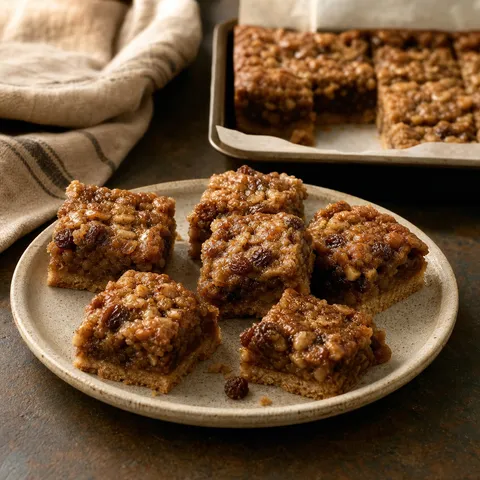
 Buttertart Squares
Chewy butter tart squares with a shortbread base and a gooey brown sugar, raisin, and walnut topping.
 Desserts Lens Verified Images are for illustrative purposes only, may be inaccurate, and do not guarantee the presence or absence of specific ingredients.
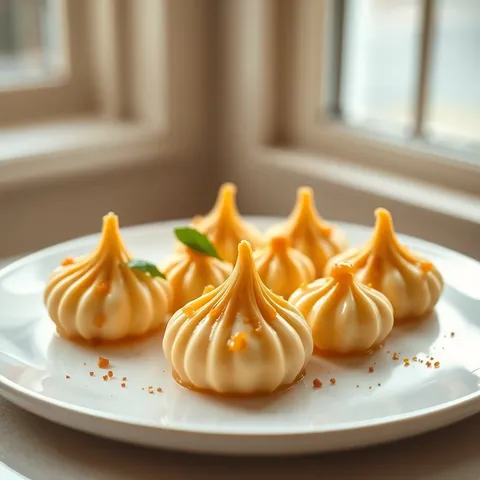
 Amber and Zach's Kisses
Light, crisp meringue kisses that melt in your mouth and make a pretty edible decoration.
 Desserts Lens Verified Images are for illustrative purposes only, may be inaccurate, and do not guarantee the presence or absence of specific ingredients.
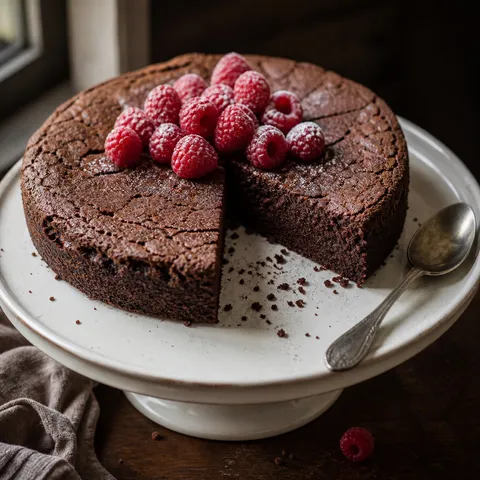
 Passover Flourless Chocolate Cake
A rich, dense flourless chocolate cake with no flour, matzo meal, or leavening — a naturally kosher-for-Passover dessert perfect for the seder table.