 Mediterranean Images are for illustrative purposes only, may be inaccurate, and do not guarantee the presence or absence of specific ingredients.
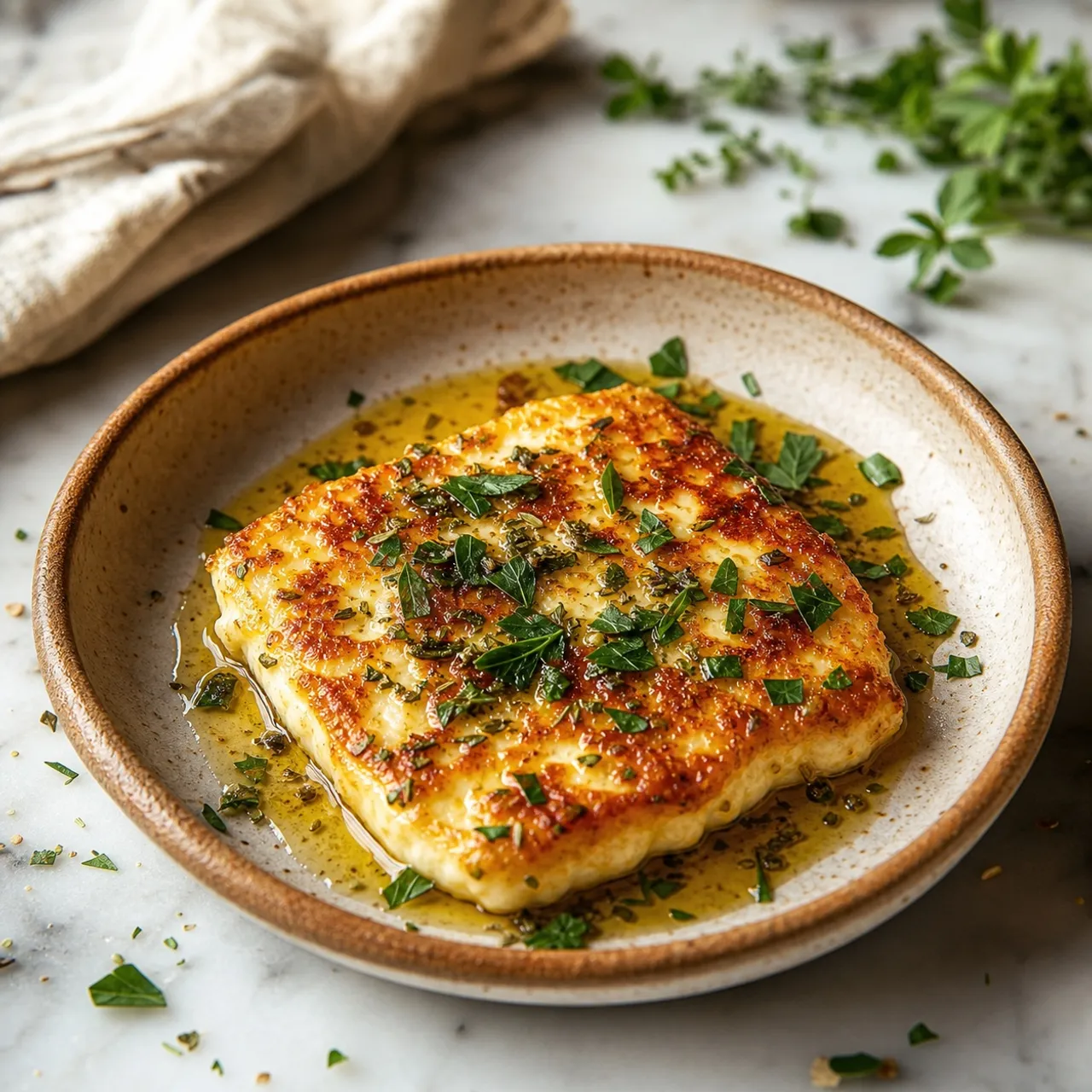
 Saganaki
A sizzling Greek meze of pan-fried cheese with a crisp golden crust, finished with a squeeze of bright lemon.
Contains common allergens
In the app, Listahan checks these against your household automatically.
Good to know
- Crispy
- Ready in under 30 minutes
Matched from this dish's own ingredients and timing. Browse more: crispy recipes30-minute meals
Instructions
5 steps- 1
Cut the cheese into slabs about 1/2 inch thick and pat the surfaces dry with paper towels so they sear rather than steam.
- 2
Run the cheese briefly under cold water, then dredge each piece in the flour, pressing to coat all sides and shaking off the excess.
- 3
Heat the olive oil in a small skillet over medium-high until shimmering, about 2 minutes.
- 4
Add the cheese and fry 1 1/2 to 2 minutes per side until a deep golden crust forms and the interior just begins to soften.
- 5
Transfer to a warm plate, squeeze lemon over the top, sprinkle with the fresh oregano, and serve immediately while the crust is crisp and the center is molten.
Listahan Family Score™
78/100
Good fit for most families
Score reflects how well this recipe fits a typical busy household. In the app, your Family Score is personalized to your household's allergens, kids, and pantry.
Nutrition
per serving335
Calories
16 g
Protein
11 g
Carbs
26 g
Fat
Estimated per serving. Actual values depend on the brands and portions you use.
Listahan cooking guide
Chef notes & practical guide
Technique notes, ingredient swaps, serve-alongside ideas, storage guidance, and equipment for this recipe.
Cultural context
Saganaki takes its name from the small two-handled frying pan traditionally used to cook it, a common piece of cookware across Greek kitchens. Pan-fried cheese with a golden crust has long been a staple of Greek meze spreads, valued for turning a simple block of cheese into a dramatic, quickly cooked appetizer.
Listahan note
This version keeps the technique simple and stovetop-only, focused on getting a genuinely crisp crust rather than a flambéed tableside presentation, which isn't part of every regional saganaki tradition anyway.
Technique cues
- Patting the cheese slabs dry before dredging is what allows them to sear rather than steam once they hit the hot oil.
- Running the cheese briefly under cold water before dredging in flour actually helps the flour adhere better to the surface, giving a more even coating.
- Frying just until a deep golden crust forms keeps the interior only just beginning to soften, which is the textural contrast that makes saganaki exciting to eat.
Kitchen flow
- Parallel prep
- Slice the cheese and set up the flour dredge while the oil heats, so frying can start the moment the oil is ready.
- Make-ahead
- This dish is best fried fresh right before serving; the crisp crust doesn't hold up well if prepared too far in advance.
- Leftover move
- Leftover saganaki can be chopped and added to a salad, though it won't have the same crisp texture reheated.
- Cleanup rhythm
- Fry directly in the serving skillet if it's oven- and stove-safe, bringing it straight to the table for a rustic presentation.
Ingredient brief
Role, handling, and swap guidance for each key ingredient.
Kefalograviera or Halloumi cheese
Main ingredient
Purpose: These firm, high-melting-point cheeses hold their shape under high heat, developing a crisp crust without fully melting and collapsing.
Handling: Cut into thick slabs so they have enough structure to survive the quick, hot fry.
Adaptation: Halloumi is the most widely available substitute if Kefalograviera isn't in your local market, and both fry with a similar crisp result.
All-purpose flour
Crust
Purpose: A thin dredge of flour is what forms the golden, crisp exterior once the cheese hits the hot oil.
Handling: Dredge each piece fully, pressing to coat, then shake off the excess before frying.
Adaptation: A gluten-free flour blend can replace all-purpose flour for a version without wheat.
Olive oil
Frying fat
Purpose: Heated until shimmering, it's what sears the floured cheese into a golden crust quickly enough that the inside doesn't fully melt.
Handling: Heat until it's genuinely hot before adding the cheese, since a cool pan will make the coating soggy instead of crisp.
Adaptation: A neutral oil with a higher smoke point can be used if you prefer a milder background flavor.
Lemon and fresh oregano
Finishing brightness
Purpose: Added right at the end, they cut through the richness of the fried cheese with acidity and herbal freshness.
Handling: Squeeze the lemon over the cheese immediately after frying, while it's still hot, so the flavors meld quickly.
Adaptation: Fresh thyme can replace oregano for a slightly different herbal note.
Technique notes
- Pat the cheese completely dry before dredging; residual moisture is what causes spattering and an uneven crust in the hot oil.
- Don't walk away once frying starts; the crust can go from golden to burnt within moments given how hot the oil needs to be.
- Serve immediately while the crust is still crisp and the center still slightly soft; saganaki firms up and loses its appeal as it cools.
Ingredient swaps
- Gluten-free direction
- Use a gluten-free flour blend for the dredge to keep the same crisp result without wheat.
- Flambé direction
- For a more traditional restaurant presentation, splash with a small amount of brandy and carefully ignite tableside, letting the flame burn out before serving.
- Extra herb direction
- Add a pinch of dried oregano to the flour dredge itself for herb flavor baked into the crust.
Serve alongside
- Warm pita
- Marinated olives
- Greek salad
- Ouzo
- Dry white wine
- Sparkling water with lemon
Serving suggestions only — check pairings for your household's allergens.
Storage & reheating
- Refrigerate leftovers in an airtight container for up to 3 days.
- Reheat briefly in a hot, dry skillet to regain some crispness; microwaving will make the coating soft.
- Freezing is not recommended, as the fried crust and cheese texture don't hold up well after thawing.
Equipment
- Small skillet
- Paper towels for drying the cheese
- Tongs
Make this household-aware
Listahan Pro checks this recipe against your household's allergens, finds pantry-aware swaps, builds the shopping list, and helps you plan the week around it.
Plan it in Listahan
Add Saganaki to your week, check it against your household's allergens, and build the shopping list automatically.
More Mediterranean recipes
 Mediterranean Lens Verified Images are for illustrative purposes only, may be inaccurate, and do not guarantee the presence or absence of specific ingredients.
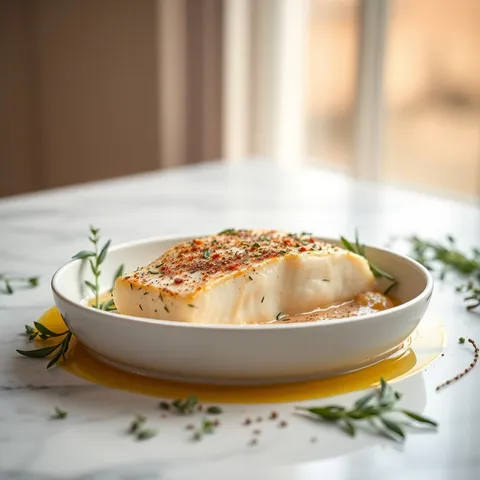
 Mediterranean Baked Cod
Cod fillets baked with cherry tomatoes, Kalamata olives, and capers in garlicky olive oil, a bright one-pan Mediterranean fish dinner finished with parsley and lemon.
 Mediterranean Lens Verified Images are for illustrative purposes only, may be inaccurate, and do not guarantee the presence or absence of specific ingredients.
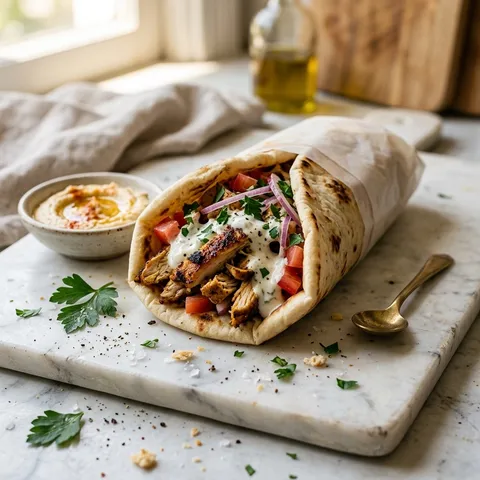
 Shawarma Wraps
Marinated, thinly sliced meat wrapped in a flatbread with vegetables.
 Mediterranean Lens Verified Images are for illustrative purposes only, may be inaccurate, and do not guarantee the presence or absence of specific ingredients.
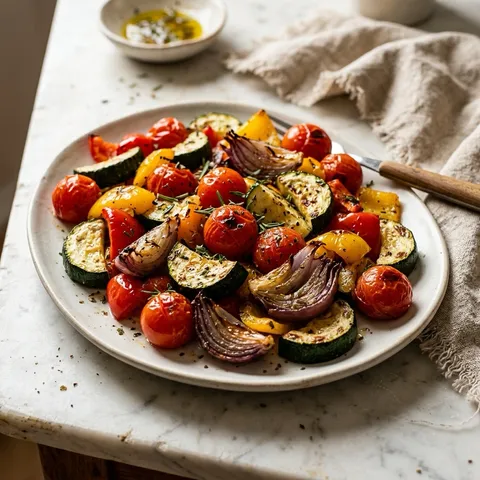
 Mediterranean Roasted Vegetables
A colorful side dish or main of caramelized oven-roasted veggies.