 North African Images are for illustrative purposes only, may be inaccurate, and do not guarantee the presence or absence of specific ingredients.
 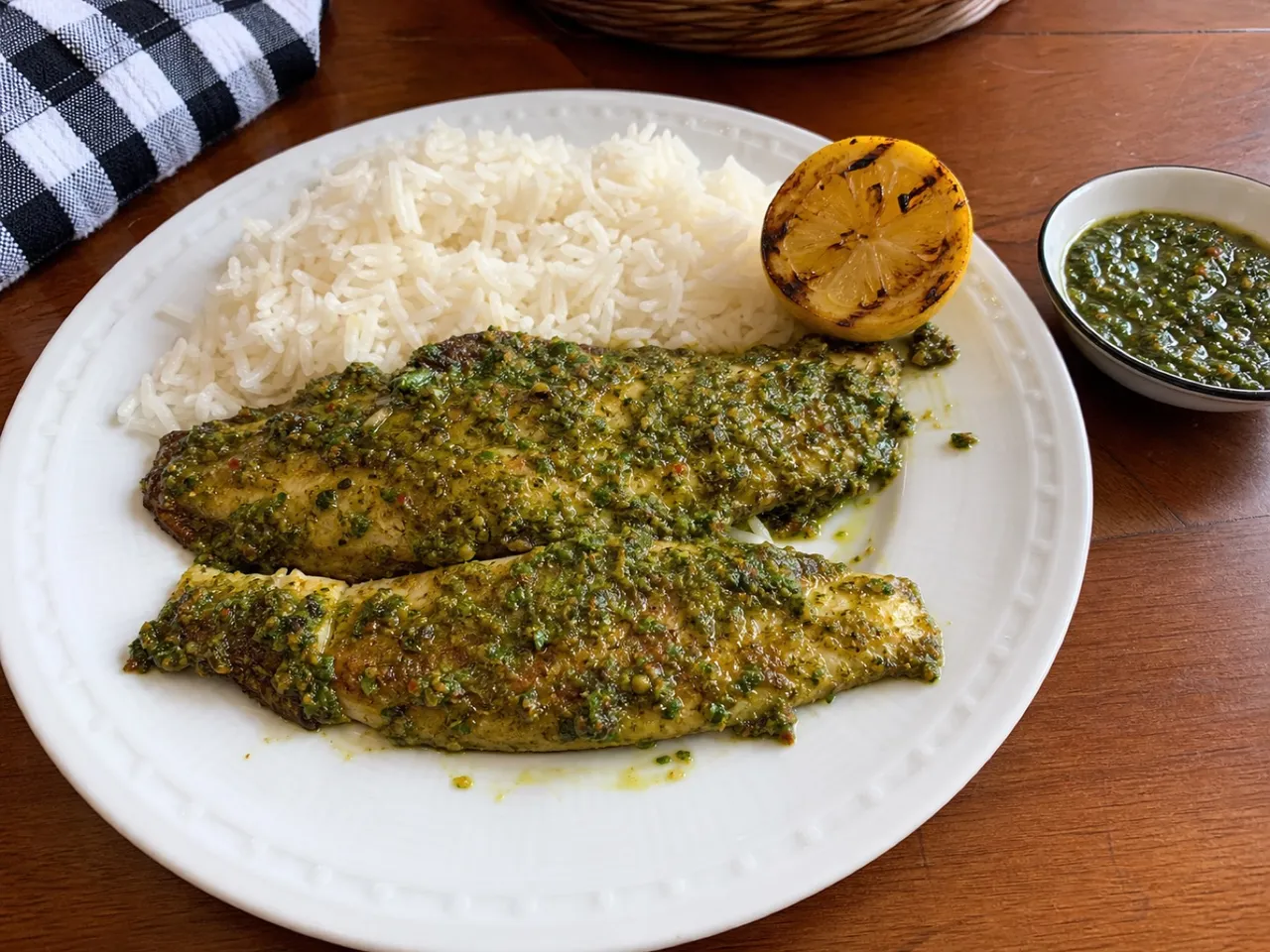 Serving Images are for illustrative purposes only, may be inaccurate, and do not guarantee the presence or absence of specific ingredients.
 Chermoula Fish
Fish fillets steeped in a vivid marinade of cilantro, garlic, paprika, and lemon then grilled or baked until flaky — North Africa's most aromatic seafood dish.
Contains common allergens
In the app, Listahan checks these against your household automatically.
Instructions
5 steps- 1
Make Chermoula: In a food processor, blend cilantro, parsley, garlic, paprika, cumin, olive oil, lemon juice, salt, and pepper until it forms a thick, vibrant green paste.
- 2
Marinate Fish: Pat the fish fillets dry. Coat them generously with the chermoula paste on both sides. Let marinate for at least 20 minutes in the refrigerator.
- 3
Prepare Baking Dish: Preheat oven to 400°F (200°C). Lightly oil a baking dish. You can also lay down a bed of sliced tomatoes and bell peppers if desired.
- 4
Bake: Place the marinated fillets in the dish. Bake for 15-20 minutes, depending on thickness, until the fish is opaque and flakes easily with a fork.
- 5
Serve: Garnish with extra fresh cilantro and a squeeze of fresh lemon juice.
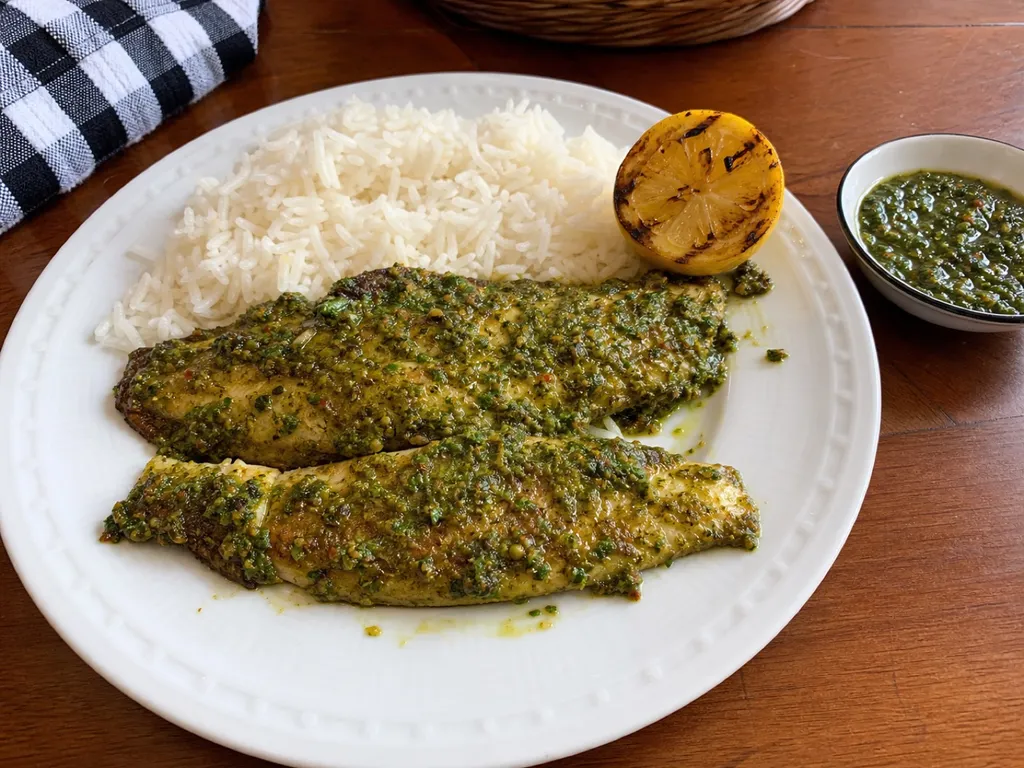 Images are for illustrative purposes only, may be inaccurate, and do not guarantee the presence or absence of specific ingredients.
 Listahan Family Score™
63/100
Works for many families
Score reflects how well this recipe fits a typical busy household. In the app, your Family Score is personalized to your household's allergens, kids, and pantry.
Nutrition
per serving130
Calories
1 g
Protein
2 g
Carbs
14 g
Fat
Estimated per serving. Actual values depend on the brands and portions you use.
Listahan cooking guide
Chef notes & practical guide
Technique notes, ingredient swaps, serve-alongside ideas, storage guidance, and equipment for this recipe.
Cultural context
Chermoula is the essential North African herb and spice marinade used throughout Morocco, Algeria, and Tunisia for fish, seafood, and occasionally chicken. The word derives from the Arabic chamala, meaning to meld or combine, and the marinade is a wet paste of fresh cilantro, parsley, garlic, cumin, and paprika bound with olive oil and lemon juice. Moroccan coastal cities like Essaouira and Agadir have built their fishing cultures around chermoula, marinating the fresh sardines, sea bass, and snapper caught daily in the Atlantic before grilling them over charcoal or baking them in clay tagines.
Listahan note
This version focuses on making a bright, deeply flavored chermoula paste and giving the fish enough marinating time for the herbs and spices to penetrate before cooking. The technique works equally well for grilling, baking, or pan-searing.
Technique cues
- Marinate the fish in the chermoula for at least 30 minutes at room temperature or up to 4 hours refrigerated; shorter marination leaves the flavor on the surface, while longer marination allows the garlic, cumin, and lemon to season the flesh all the way through.
- Blend the chermoula to a coarse paste rather than a smooth liquid; the texture of chopped herbs and a slight granularity from the spices provides a better crust and more presence in each bite than a thin sauce.
- When pan-searing, resist moving the fish for the first 3-4 minutes; the chermoula creates a slightly sticky herb crust that needs time to set and caramelize before the fillet will release cleanly from the pan surface.
Kitchen flow
- Parallel prep
- Blend the chermoula while the fish is still in the fridge; coat the fillets and let them marinate while you prepare sides.
- Make-ahead
- Chermoula paste keeps in the fridge for up to 5 days in a sealed jar with a thin layer of olive oil on top; use it as a sauce for roasted vegetables or a spread for sandwiches.
- Leftover move
- Leftover cooked fish flaked over couscous with a fresh spoonful of chermoula makes a complete next-day lunch.
- Cleanup rhythm
- The blender jar rinses easily immediately after making the paste before the herbs dry onto the sides; the fish pan deglazes well with a splash of lemon juice.
Ingredient brief
Role, handling, and swap guidance for each key ingredient.
4 firm white fish fillets (like cod or halibut)
protein base
Purpose: Firm white fish holds up to marination and high-heat cooking without falling apart; the mild flavor carries the bold chermoula without competing with it.
Handling: Pat completely dry before coating in chermoula; moisture on the surface prevents the herb paste from adhering and inhibits browning.
Adaptation: Salmon or mackerel work well with chermoula and stand up to the bold spice profile; cooking time decreases slightly for thinner fillets.
1 cup fresh cilantro
herb base
Purpose: Cilantro provides the primary green, citrusy flavor of chermoula and the color that makes the marinade visually distinctive.
Handling: Use both leaves and tender stems; pack loosely when measuring as the volume compresses significantly when blended.
Adaptation: For those who find cilantro soapy, replace entirely with flat-leaf parsley; the marinade will taste different but still function well and pair with the fish.
1/2 cup fresh parsley
herb counterpoint
Purpose: Parsley provides a more neutral, grassy herbal note that balances the stronger cilantro and prevents the marinade from tasting one-dimensional.
Handling: Use flat-leaf Italian parsley rather than curly parsley, which has less flavor.
Adaptation: Fresh mint can replace a portion of the parsley for a lighter, more summery variation.
1 tbsp paprika
color and mild heat
Purpose: Paprika gives chermoula its characteristic brick-red color and a mild, sweet heat that warms the herb paste.
Handling: Stir into the blended herbs along with the cumin; the spices disperse evenly in the wet herb base.
Adaptation: Smoked paprika used in place of half the sweet paprika adds a campfire note that pairs particularly well with fish cooked over a grill.
juice of 1 lemon
acid and brightness
Purpose: Lemon juice activates the marinade process, begins to denature the surface proteins of the fish gently, and provides the brightness that ties the herb and spice flavors together.
Handling: Add at the end of blending so the acid does not turn the herbs brown before the marinade is applied.
Adaptation: Preserved lemon pulp blended into the marinade in place of fresh juice provides a more fermented, complex acid character.
Technique notes
- Keep a small portion of the chermoula separate before coating the raw fish to use as a finishing sauce when plating; a spoonful of the fresh, uncooked marinade brightens the cooked dish significantly.
- If grilling, oil the grates generously and grill over medium-high heat; the herb paste can stick and burn on overly hot grates, but medium-high creates the right char without scorching.
- A pinch of saffron steeped in the olive oil before blending is a Moroccan technique that adds a subtle floral depth to the chermoula without changing its essential character.
Ingredient swaps
- Gluten-free direction
- This recipe contains no gluten; serve with couscous or rice and verify any store-bought spice blends are certified gluten-free.
- Cilantro-free option
- Replace all cilantro with flat-leaf parsley; the marinade will be more neutral but still fragrant and herb-forward.
- Vegan direction
- Use the chermoula as a marinade for thick slices of eggplant, cauliflower steaks, or portobello mushrooms and roast or grill in the same way.
Serve alongside
- couscous with olive oil and preserved lemon
- roasted cherry tomatoes with cumin
- simple romaine and cucumber salad with lemon dressing
- chilled dry white wine such as a Moroccan Chardonnay or a Muscadet
- sparkling water with lemon and mint
Serving suggestions only — check pairings for your household's allergens.
Storage & reheating
- Cooked fish keeps refrigerated for up to 2 days in a sealed container.
- Reheat gently in a covered pan over low heat with a splash of water; avoid the microwave which makes the fish rubbery.
- Chermoula paste on its own keeps refrigerated for up to 5 days under a thin layer of olive oil.
Equipment
- blender or food processor for the chermoula
- heavy skillet or grill for cooking
- small jar for storing extra chermoula
Make this household-aware
Listahan Pro checks this recipe against your household's allergens, finds pantry-aware swaps, builds the shopping list, and helps you plan the week around it.
Plan it in Listahan
Add Chermoula Fish to your week, check it against your household's allergens, and build the shopping list automatically.
More North African recipes
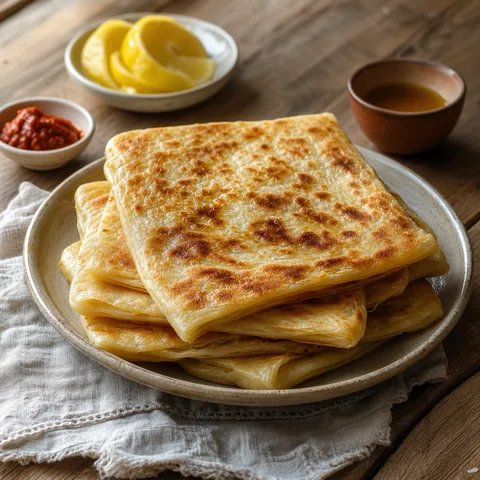 North African Lens Verified Images are for illustrative purposes only, may be inaccurate, and do not guarantee the presence or absence of specific ingredients.
 Msemmen
Layered and folded semolina flatbread cooked on a griddle until the outside crisps and the inside stays wonderfully chewy — perfect with honey or harissa.
 North African Lens Verified Images are for illustrative purposes only, may be inaccurate, and do not guarantee the presence or absence of specific ingredients.
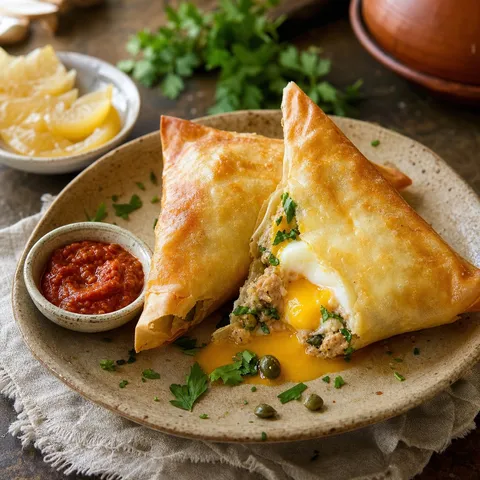
 Brik
Crispy paper-thin pastry folded around a whole egg, tuna, and parsley then flash-fried until golden — Tunisia's beloved street snack, eaten fast before the yolk escapes.
 North African Lens Verified Images are for illustrative purposes only, may be inaccurate, and do not guarantee the presence or absence of specific ingredients.
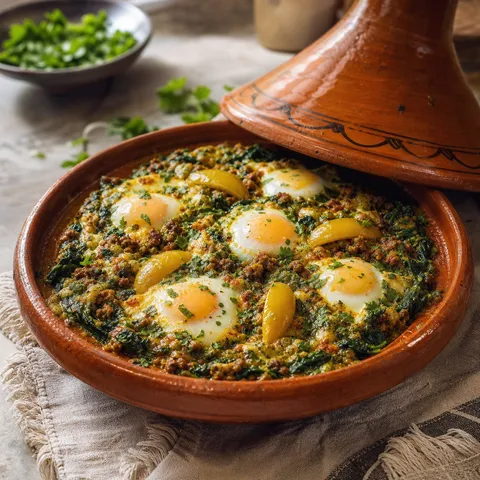
 Tajine El Bey
Tunisia's grand layered bake of spiced lamb, eggs, and cheese baked in a deep crust — a celebration dish with silky, complex layers in every slice.