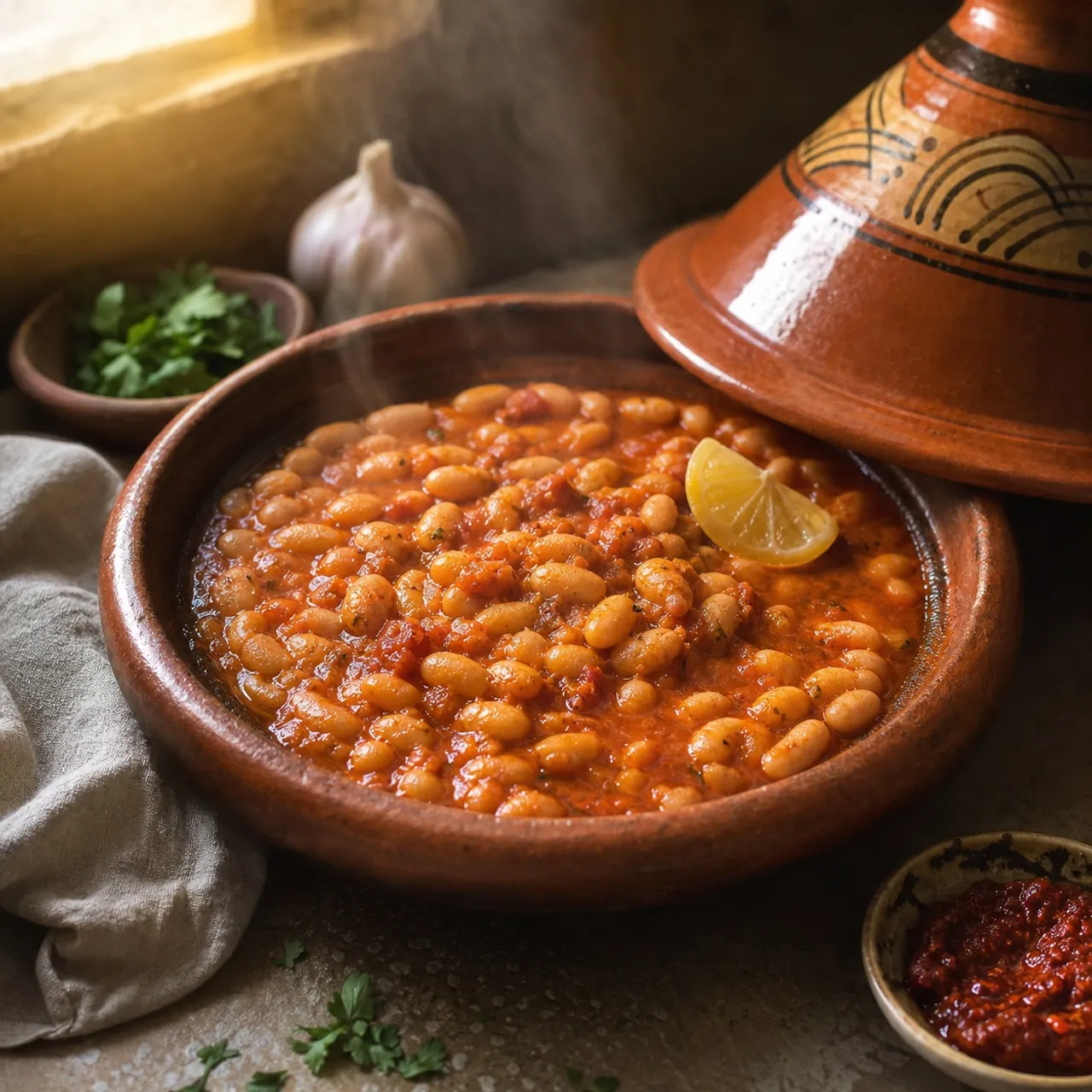
 North African Images are for illustrative purposes only, may be inaccurate, and do not guarantee the presence or absence of specific ingredients.
 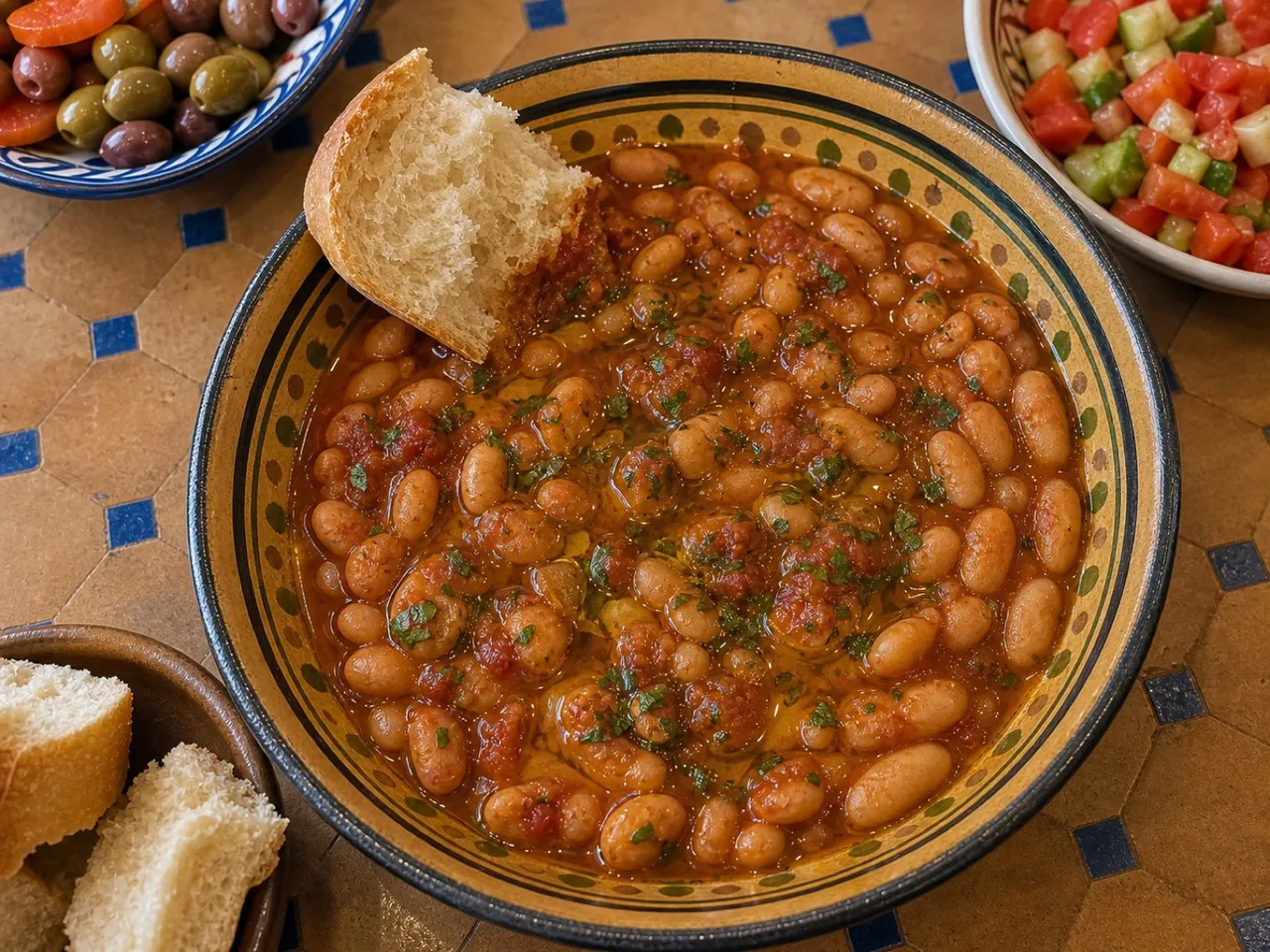 Serving Images are for illustrative purposes only, may be inaccurate, and do not guarantee the presence or absence of specific ingredients.
 Loubia
White beans stewed low and slow with tomatoes, garlic, and cumin until creamy and fragrant — a humble North African staple that wins every time.
No common allergens detected
Based on this recipe's ingredient list. Always verify with your own brands and labels.
Instructions
5 steps- 1
Boil Beans: Drain the soaked beans. Place in a pot, cover with fresh water, and boil for 45-60 minutes until tender. Drain and set aside.
- 2
Make the Base: In a large pot or Dutch oven, heat olive oil over medium. Sauté the onion and garlic until translucent. Add the grated tomatoes, tomato paste, cumin, and paprika.
- 3
Simmer Sauce: Cook the tomato mixture for 5-10 minutes until it thickens and deepens in color.
- 4
Combine: Add the cooked white beans to the tomato sauce. Pour in enough water or vegetable broth to just cover the beans.
- 5
Final Cook: Bring to a boil, then reduce heat and simmer uncovered for 15-20 minutes until the sauce is thick and coats the beans perfectly. Serve hot with bread.
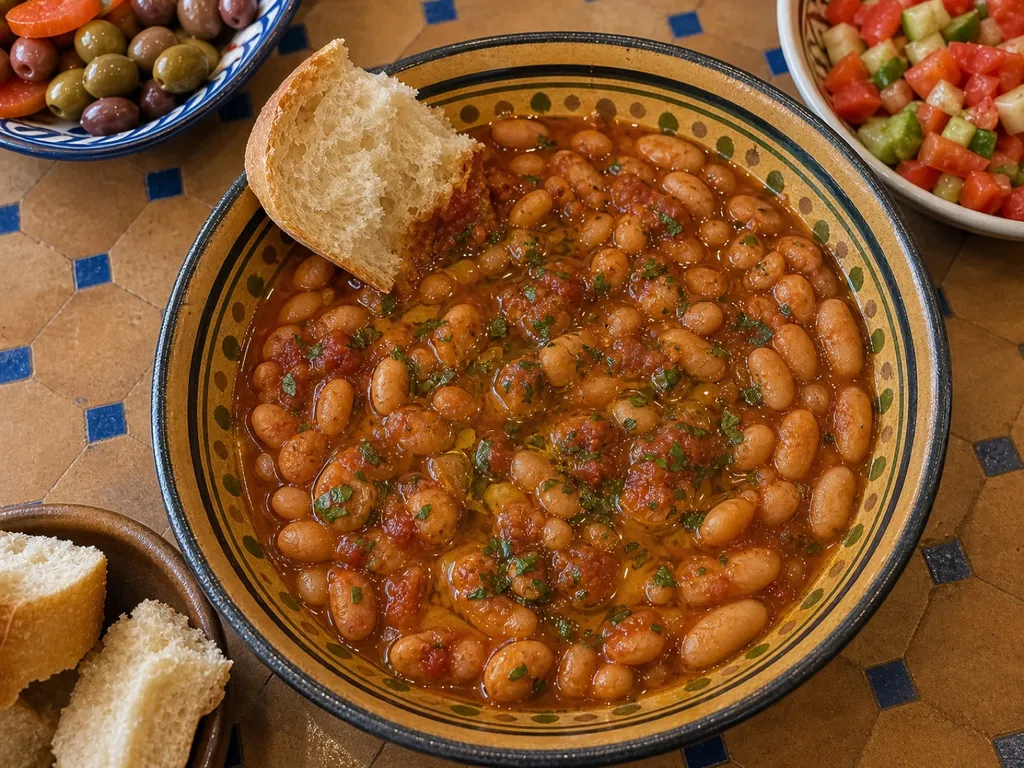 Images are for illustrative purposes only, may be inaccurate, and do not guarantee the presence or absence of specific ingredients.
 Listahan Family Score™
73/100
Good fit for most families
Score reflects how well this recipe fits a typical busy household. In the app, your Family Score is personalized to your household's allergens, kids, and pantry.
Nutrition
per serving155
Calories
9 g
Protein
29 g
Carbs
1 g
Fat
Estimated per serving. Actual values depend on the brands and portions you use.
Listahan cooking guide
Chef notes & practical guide
Technique notes, ingredient swaps, serve-alongside ideas, storage guidance, and equipment for this recipe.
Cultural context
Loubia is the everyday white-bean stew of Morocco, Algeria, and Tunisia, its name the Maghrebi Arabic word for beans. It belongs to the same family of slow-simmered legume dishes as southern French cassoulet and Spanish fabada, reflecting the shared culinary culture of the western Mediterranean. In North African households, it is a weekday staple often cooked in a large pot and eaten over two days, the flavor deepening as the beans absorb the tomato and spice base overnight.
Listahan note
This version grates the tomatoes rather than dicing them, so they dissolve smoothly into the cooking liquid and create a velvety red sauce rather than chunky tomato pieces that separate from the beans.
Technique cues
- Soaking white beans overnight and cooking them in fresh water reduces the oligosaccharides that cause digestive discomfort; adding salt only after the beans are fully tender prevents the skins from toughening and locking the interior in a hard shell.
- Grating ripe tomatoes on the coarse side of a box grater, cut-side against the grater, produces a pure, seedless pulp that breaks down into the sauce within minutes; this technique is used across the Maghreb and Spain and is faster and smoother than blanching and peeling.
- Paprika and cumin should be bloomed together in the olive oil before the tomato and beans are added; the brief 30-second toast in hot oil converts their raw edge into a deeper, slightly sweet, roasted quality that holds up through the long simmer.
Kitchen flow
- Parallel prep
- While the beans simmer in their first unseasoned water, grate the tomatoes and mince the garlic and onion so the sauce comes together quickly once the beans are tender.
- Make-ahead
- Loubia is one of those dishes that genuinely improves overnight; cook the full batch a day ahead and refrigerate, then reheat with a splash of water over low heat.
- Leftover move
- Puree half of the leftover loubia with a stick blender for a thick, spreadable dip served with bread; the other half stays as a stew for a second meal.
- Cleanup rhythm
- One pot handles the entire recipe; the main prep surface mess is the tomato grating, which cleans up with a damp cloth immediately.
Ingredient brief
Role, handling, and swap guidance for each key ingredient.
2 cups dried white beans (soaked overnight)
body and protein
Purpose: Dried white beans cooked from scratch produce a starchier, creamier texture than canned and release enough starch to naturally thicken the tomato broth.
Handling: Soak in cold water overnight, drain, cover with fresh water by 3 inches, and cook without salt for 45-60 minutes until just tender before adding the sauce.
Adaptation: Two 15-oz cans of cannellini or navy beans can be substituted; reduce the liquid added with them since they do not need cooking time to soften.
2 ripe tomatoes (grated)
sauce base
Purpose: Grated fresh tomatoes form the liquid base and provide the acidity that balances the earthy beans and warm spices.
Handling: Halve the tomatoes, press the cut side against the coarse grater, and discard the skin left in your hand; use all the pulp and juice.
Adaptation: One 14-oz can of crushed tomatoes replaces 2 medium fresh tomatoes in any season.
1 tbsp tomato paste
depth and color
Purpose: Tomato paste adds concentrated umami and deepens the red color of the sauce beyond what fresh tomatoes alone can achieve.
Handling: Stir into the oil with the garlic before adding the grated tomato so it caramelizes slightly, which rounds its acidity.
Adaptation: An extra tablespoon of sun-dried tomato paste or harissa can substitute for tomato paste while adding extra complexity.
1 tsp cumin
warming spice foundation
Purpose: Cumin is the defining spice of North African bean dishes; its earthy, slightly bitter warmth bridges the tomato and the beans.
Handling: Bloom with paprika in the oil for 30 seconds before adding any liquid.
Adaptation: Caraway seed can replace half the cumin for a more Tunisian-leaning flavor profile.
1 tsp paprika
color and mild sweetness
Purpose: Sweet paprika contributes both the deep-red hue and a mild, fruity sweetness that rounds the sharpness of the raw tomato.
Handling: Add to hot oil with the cumin, stir once, and add the tomato within 30 seconds to prevent the paprika from burning.
Adaptation: Smoked paprika adds a pleasant smokiness; hot paprika can replace sweet for more heat.
Technique notes
- Do not add the tomato paste, grated tomato, or any acidic ingredient until the beans are fully soft; acid hardens the cell walls of legumes mid-cook and they will never fully tenderize.
- Finish with a generous drizzle of good olive oil directly in the serving bowl; it emulsifies slightly with the bean starch and creates a silky mouthfeel the cooked oil in the pot cannot replicate.
- If the stew thickens too much on second-day reheating, add warm water or broth a quarter-cup at a time; a proper loubia should be saucy enough to dip bread, not paste-thick.
Ingredient swaps
- Vegan direction
- The dish is naturally vegan as written; no substitutions needed.
- Gluten-free direction
- Naturally gluten-free; serve with certified GF bread or rice for a complete meal.
- Protein boost
- Add 2 sliced merguez sausages browned in the pot before the onion for a meat version common in Tunisian Loubia bil Merguez.
Serve alongside
- warm crusty bread for dipping
- simple shredded carrot and parsley salad
- soft-boiled eggs on the side for extra protein
- mint tea
- sparkling water with a slice of lemon
Serving suggestions only — check pairings for your household's allergens.
Storage & reheating
- Refrigerate in a sealed container for up to 4 days; the stew thickens in the fridge and needs a splash of water on reheating.
- Reheat on the stovetop over low heat, stirring gently; avoid high heat which can cause the beans to break down into mush.
- Freeze for up to 2 months; thaw overnight in the fridge and reheat gently with a little extra water.
Equipment
- large heavy pot or Dutch oven
- box grater for tomatoes
- wooden spoon
- stick blender (optional, for pureeing leftovers)
Make this household-aware
Listahan Pro checks this recipe against your household's allergens, finds pantry-aware swaps, builds the shopping list, and helps you plan the week around it.
Plan it in Listahan
Add Loubia to your week, check it against your household's allergens, and build the shopping list automatically.
More North African recipes
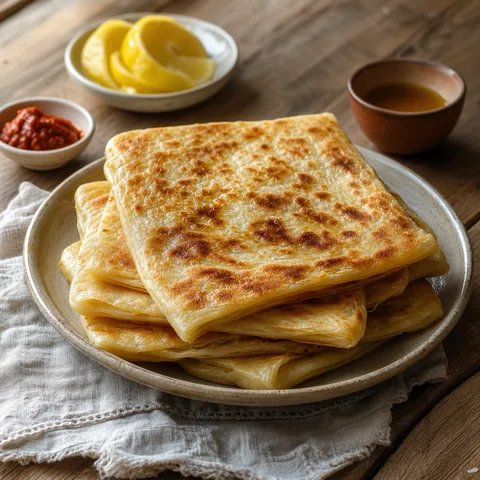 North African Lens Verified Images are for illustrative purposes only, may be inaccurate, and do not guarantee the presence or absence of specific ingredients.
 Msemmen
Layered and folded semolina flatbread cooked on a griddle until the outside crisps and the inside stays wonderfully chewy — perfect with honey or harissa.
 North African Lens Verified Images are for illustrative purposes only, may be inaccurate, and do not guarantee the presence or absence of specific ingredients.
 Brik
Crispy paper-thin pastry folded around a whole egg, tuna, and parsley then flash-fried until golden — Tunisia's beloved street snack, eaten fast before the yolk escapes.
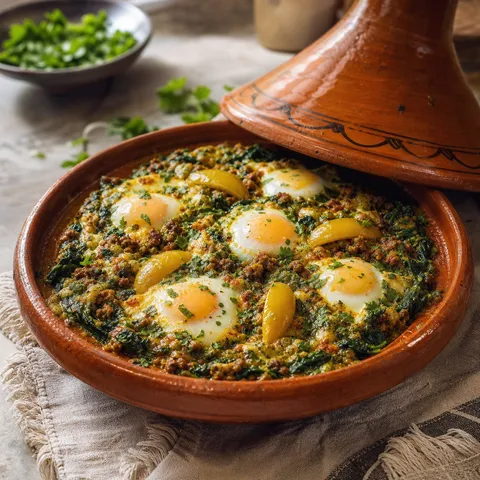 North African Lens Verified Images are for illustrative purposes only, may be inaccurate, and do not guarantee the presence or absence of specific ingredients.
 Tajine El Bey
Tunisia's grand layered bake of spiced lamb, eggs, and cheese baked in a deep crust — a celebration dish with silky, complex layers in every slice.