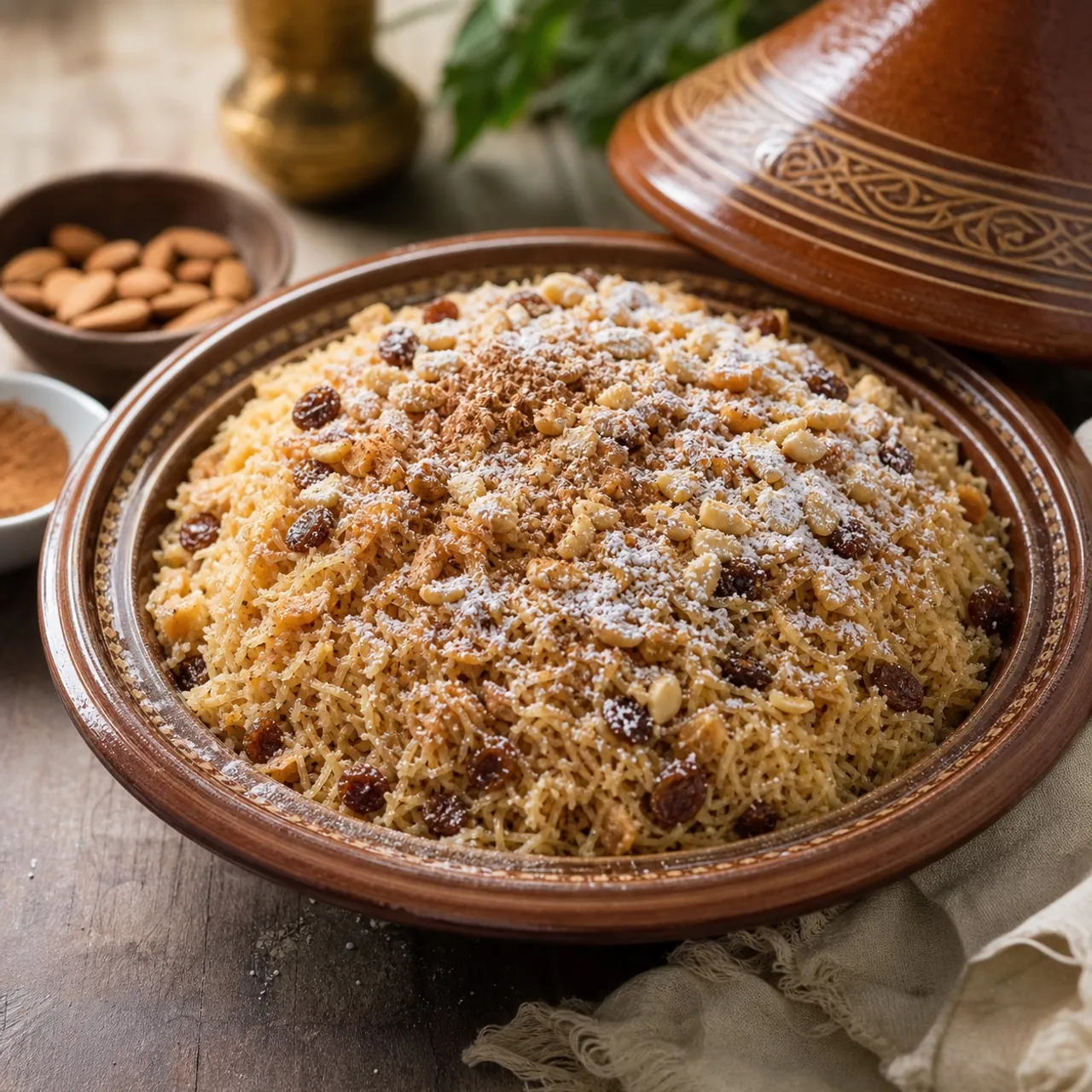
 North African Images are for illustrative purposes only, may be inaccurate, and do not guarantee the presence or absence of specific ingredients.
 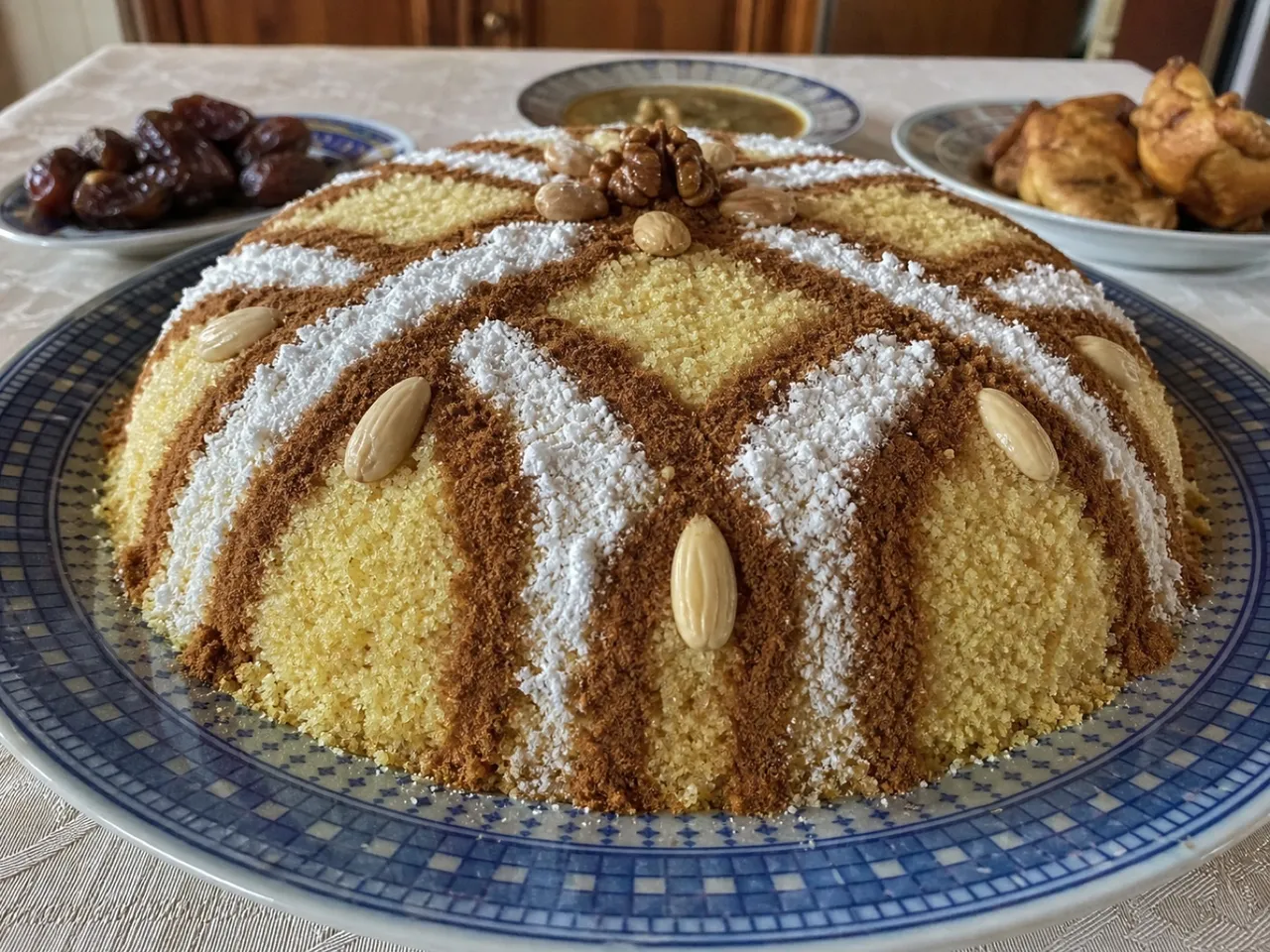 Serving Images are for illustrative purposes only, may be inaccurate, and do not guarantee the presence or absence of specific ingredients.
 Seffa
Steamed couscous or vermicelli sweetened with powdered sugar, cinnamon, and butter, topped with raisins and almonds — Morocco's beloved sweet that bridges dessert and supper.
Contains common allergens
In the app, Listahan checks these against your household automatically.
Instructions
8 steps- 1
If using couscous, steam it over simmering water in a couscoussier or fine sieve, fluffing and separating the grains between steamings, until fully tender, about 30 minutes total across two or three steamings.
- 2
If using vermicelli, break the noodles into short lengths and steam them the same way, or cook briefly in boiling water until just tender and drain well.
- 3
While still warm, drizzle the grains or noodles with melted butter and the orange blossom water, tossing to coat every strand.
- 4
Mix in the powdered sugar and cinnamon, tossing again until evenly distributed.
- 5
Drain the plumped raisins and fry the almonds in a little butter until golden.
- 6
Mound the sweetened seffa on a large platter, shaping it into a dome or pyramid.
- 7
Dust generously with more powdered sugar and cinnamon in decorative lines, then scatter the raisins and fried almonds on top.
- 8
Serve warm, with a pitcher of warm milk on the side for pouring over individual portions if desired.
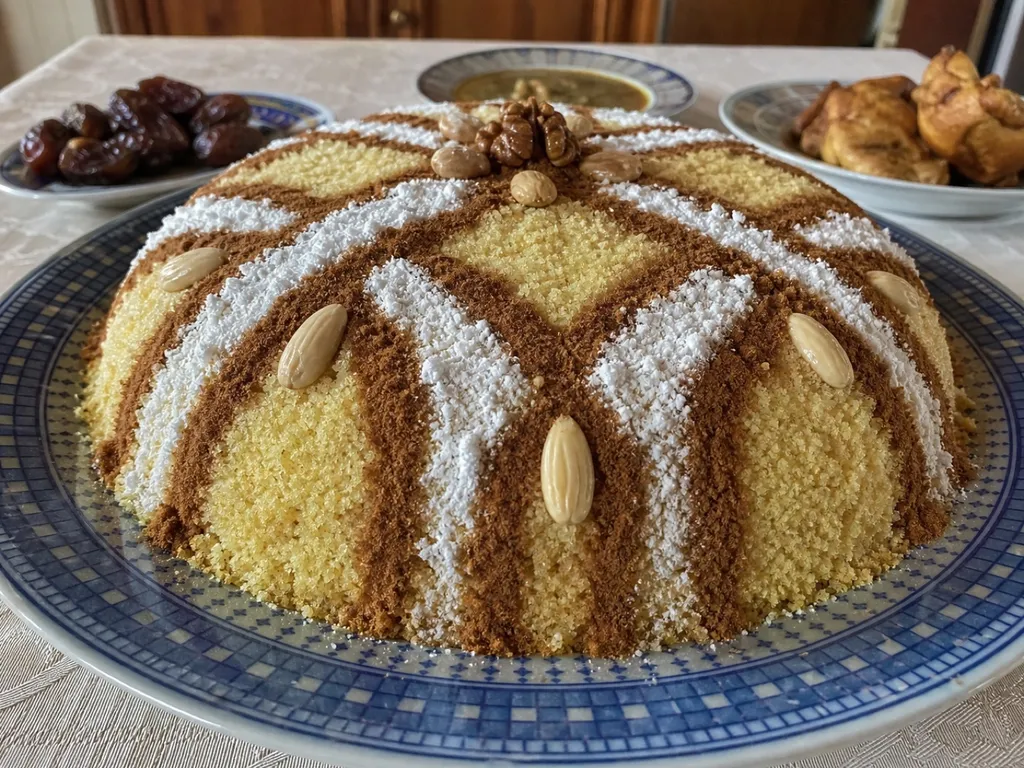 Images are for illustrative purposes only, may be inaccurate, and do not guarantee the presence or absence of specific ingredients.
 Listahan Family Score™
76/100
Good fit for most families
Score reflects how well this recipe fits a typical busy household. In the app, your Family Score is personalized to your household's allergens, kids, and pantry.
Nutrition
per serving325
Calories
11 g
Protein
67 g
Carbs
1 g
Fat
Estimated per serving. Actual values depend on the brands and portions you use.
Listahan cooking guide
Chef notes & practical guide
Technique notes, ingredient swaps, serve-alongside ideas, storage guidance, and equipment for this recipe.
Cultural context
Seffa is a sweet, celebratory couscous dish from Morocco, served as a dessert or a late-night sweet course at weddings, engagement parties, and Ramadan gatherings. It belongs to a North African tradition of sweet-savory crossover dishes that use couscous or vermicelli as the base for a dessert rather than a main course, a tradition that traces to medieval Arab culinary texts where sugar, nuts, and butter were considered the luxury toppings for grain dishes. In Morocco, seffa is mounded into a tall dome and decorated with powered sugar, cinnamon, and almonds in patterns that signal celebration.
Listahan note
This version steams the couscous in stages and rubs it with butter between each steaming, which is the technique that produces the light, separate, non-clumping grain that makes seffa look as good as it tastes.
Technique cues
- Steaming couscous in two stages separated by a resting and fluffing period (the traditional method) produces a much lighter, more separate grain than simply pouring boiling water over it; the first steam hydrates the grain, the butter rub coats each granule, and the second steam finishes the cooking without the grains sticking together.
- Orange blossom water is potent and should be added sparingly and in stages; start with 1 tablespoon, taste, and add more only if needed, as the floral note can easily overpower the dish if too much is used.
- Soak the raisins in warm water or orange blossom water for at least 20 minutes before adding them; plump raisins have a better texture and do not pull moisture out of the finished couscous, which can make the grain dry around the raisin pockets.
Kitchen flow
- Parallel prep
- Soak the raisins and toast the almonds while the couscous completes its first steam; by the time the second steam is done, all add-ins are ready to fold in.
- Make-ahead
- Steam and butter the couscous up to 2 hours ahead and hold at room temperature covered with a clean towel; fold in the toppings and re-warm with a brief final steam just before serving.
- Leftover move
- Leftover seffa can be served cold as a room-temperature sweet grain bowl, or warmed briefly in the microwave covered with a damp paper towel to restore some moisture.
- Cleanup rhythm
- The main cleanup is the steamer or couscoussier and the mixing bowl; work quickly and rinse the steamer while the couscous rests so cooked starch does not dry onto the perforated insert.
Ingredient brief
Role, handling, and swap guidance for each key ingredient.
3 cups fine couscous
sweet grain base
Purpose: Fine (not medium or coarse) couscous has a lighter texture when steamed and mounds into the traditional dome shape without clumping.
Handling: Hydrate briefly with a small amount of warm water and let stand 5 minutes before the first steam so the grain is evenly damp before it goes into the steamer.
Adaptation: Toasted vermicelli (cheveux d'ange) is the traditional alternative base for a similar North African sweet dish called seffa dial dyal sha'riya.
1/4 cup butter (softened)
coating and richness
Purpose: Rubbing softened butter into the steamed couscous between steaming stages coats each granule and prevents clumping while adding richness.
Handling: Soften at room temperature so it can be worked into the couscous easily with your fingertips between steam stages.
Adaptation: Smen (Moroccan clarified fermented butter) is traditional and adds a slightly funky richness; ghee is a clean, accessible substitute.
1/2 cup powdered sugar
sweetener and decoration
Purpose: Powdered sugar dissolves into the warm couscous immediately and also forms the decorative white dusting on top that is visually signature to the dish.
Handling: Reserve some for dusting the top in a pattern; mix the remainder into the couscous off the heat so it does not clump from the steam.
Adaptation: Granulated sugar dissolved in 2 tablespoons of warm water and drizzled over works; honey provides sweetness but changes the texture.
1/2 cup raisins (soaked)
sweet accent and texture
Purpose: Plump, soaked raisins provide bursts of concentrated sweetness and a soft chew that contrasts the fine, light couscous grain.
Handling: Soak in warm water or orange blossom water for 20 minutes, drain, and fold in gently after the final steam to keep them whole.
Adaptation: Dried apricots (finely diced) or dried currants work equally well; dried dates are a richer, more substantial alternative.
2 tbsp orange blossom water
floral perfume
Purpose: Orange blossom water is the perfuming element that signals this is a Moroccan celebration dish rather than a plain sweet couscous.
Handling: Sprinkle over the couscous in small additions and fluff after each addition to distribute evenly rather than creating concentrated floral pockets.
Adaptation: Rose water in half the quantity has a similar effect with a different floral note; vanilla extract (1 teaspoon) is a more Western substitute.
Technique notes
- After the second steam, turn the couscous out onto a wide, shallow platter and fluff with a fork while it is still hot; working it on a flat surface rather than a deep bowl allows steam to escape so the grain stays light rather than becoming damp and compressed.
- To create the classic dome presentation, mound the couscous with wet hands or a large spoon, then use a sifter to dust powdered sugar in a solid circle on top and add cinnamon in a spiral or cross pattern on top of the sugar.
- Add the almonds only at the moment of serving; toasted almonds lose their crunch within 10 minutes of being folded into the moist couscous.
Ingredient swaps
- Dairy-free option
- Replace butter with refined coconut oil or vegan butter; the neutral fat coats the couscous equally well and the dish tastes nearly identical.
- Gluten-free direction
- Couscous is semolina wheat and not gluten-free; substitute steamed long-grain white rice or millet, which mound and absorb the toppings similarly.
- Nut-free direction
- Omit the almonds and substitute toasted pumpkin seeds or shredded toasted coconut for crunch without tree nuts.
Serve alongside
- chilled orange and cinnamon salad
- glasses of warm mint tea
- Medjool dates and dried figs on the side plate
- hot Moroccan mint tea (atay)
- warm almond milk with honey and cinnamon
- chilled pomegranate juice
Serving suggestions only — check pairings for your household's allergens.
Storage & reheating
- Store in an airtight container at room temperature for up to 6 hours or refrigerated for up to 2 days.
- Reheat covered with a damp paper towel in the microwave in 30-second bursts, fluffing between each burst, or re-steam for 5 minutes.
- Freeze cooked, plain seffa (without the toppings) in a zip-top bag for up to 1 month; add fresh toppings after thawing and re-steaming.
Equipment
- couscoussier or large pot with a steamer insert
- wide shallow platter for fluffing and serving
- fine mesh sifter for decorative powdered sugar
- dry skillet for toasting almonds
Make this household-aware
Listahan Pro checks this recipe against your household's allergens, finds pantry-aware swaps, builds the shopping list, and helps you plan the week around it.
Plan it in Listahan
Add Seffa to your week, check it against your household's allergens, and build the shopping list automatically.
More North African recipes
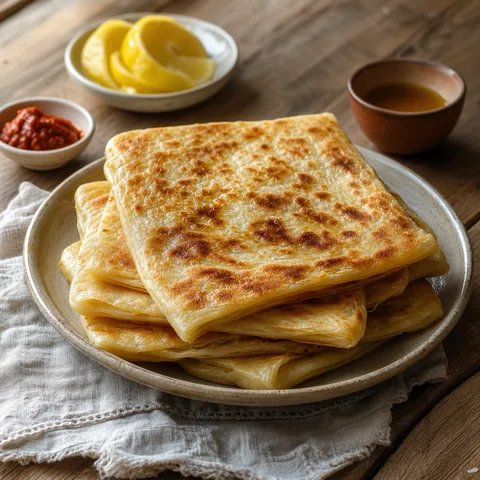 North African Lens Verified Images are for illustrative purposes only, may be inaccurate, and do not guarantee the presence or absence of specific ingredients.
 Msemmen
Layered and folded semolina flatbread cooked on a griddle until the outside crisps and the inside stays wonderfully chewy — perfect with honey or harissa.
 North African Lens Verified Images are for illustrative purposes only, may be inaccurate, and do not guarantee the presence or absence of specific ingredients.
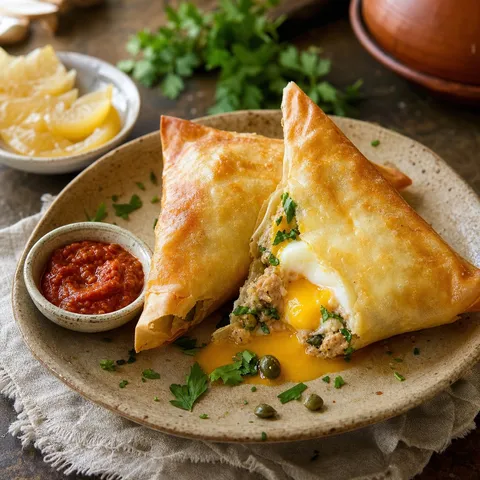
 Brik
Crispy paper-thin pastry folded around a whole egg, tuna, and parsley then flash-fried until golden — Tunisia's beloved street snack, eaten fast before the yolk escapes.
 North African Lens Verified Images are for illustrative purposes only, may be inaccurate, and do not guarantee the presence or absence of specific ingredients.
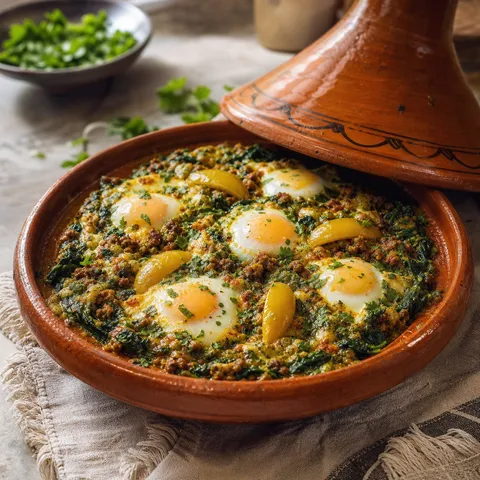
 Tajine El Bey
Tunisia's grand layered bake of spiced lamb, eggs, and cheese baked in a deep crust — a celebration dish with silky, complex layers in every slice.