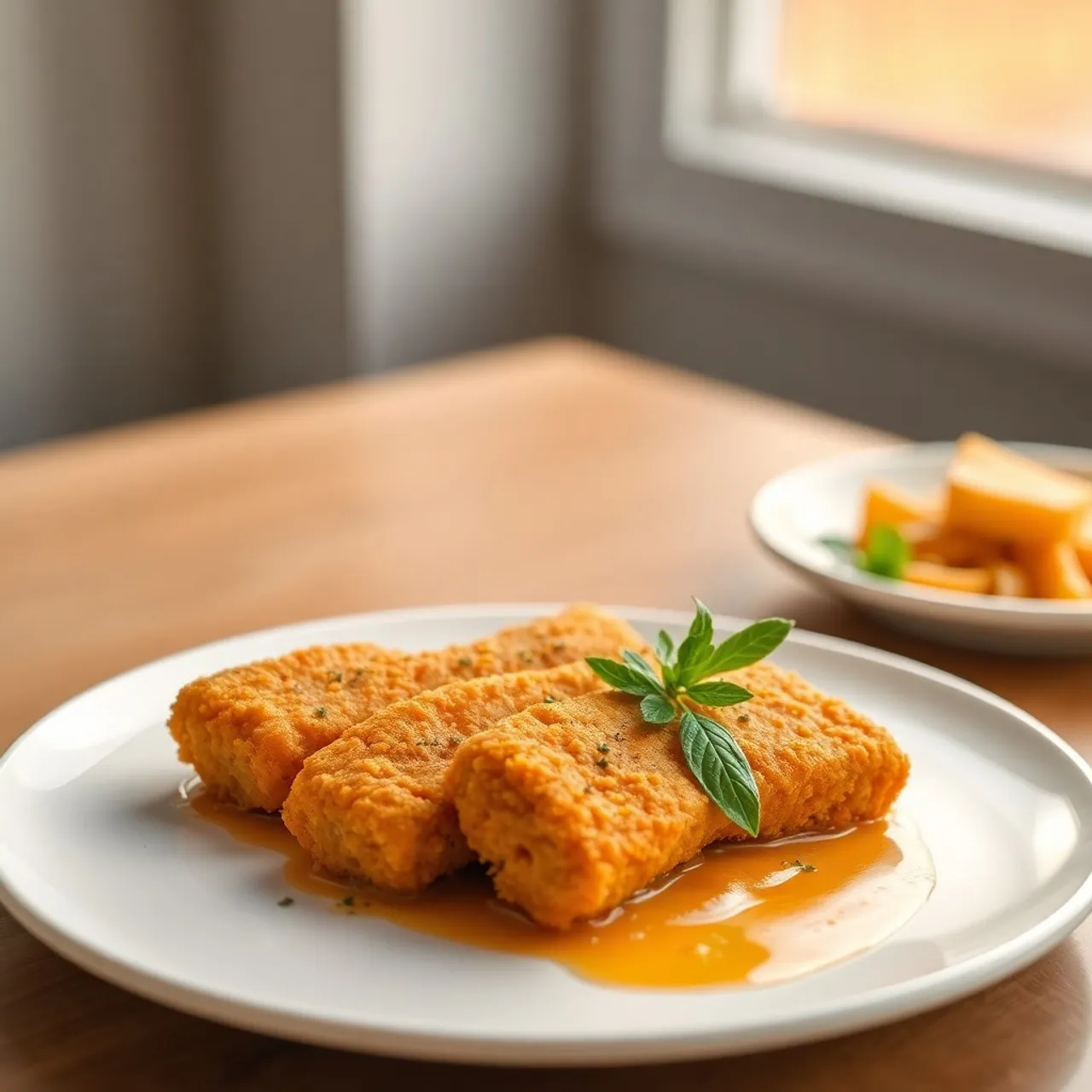
 North American Images are for illustrative purposes only, may be inaccurate, and do not guarantee the presence or absence of specific ingredients.
 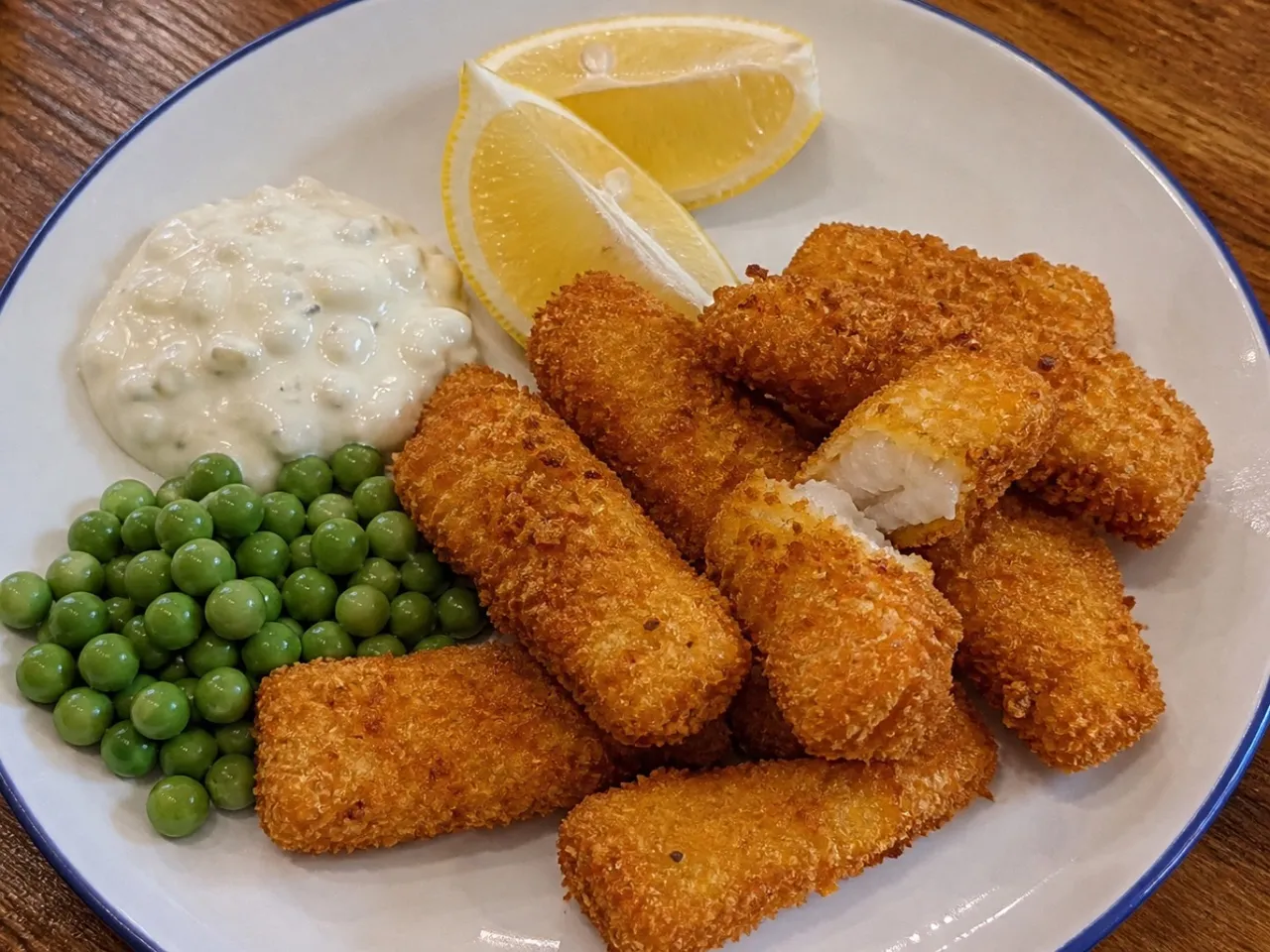 Serving Images are for illustrative purposes only, may be inaccurate, and do not guarantee the presence or absence of specific ingredients.
 Fish Sticks
Crispy breaded white-fish fingers — a freezer-aisle classic made fresh, baked or fried.
Contains common allergens
In the app, Listahan checks these against your household automatically.
Good to know
- Crispy
- Ready in under 30 minutes
Matched from this dish's own ingredients and timing. Browse more: crispy recipes30-minute meals
Instructions
6 steps- 1
Dry the Fish: Pat the fish strips dry and season with salt and pepper.
- 2
Set Up Breading: Mix the paprika into the breadcrumbs; place flour, egg, and crumbs in three bowls.
- 3
Bread: Coat each strip in flour, then egg, then breadcrumbs.
- 4
Cook: Bake at 220°C (425°F) for 15-18 minutes, turning once, or shallow-fry for 2-3 minutes per side until golden.
- 5
Drain: Rest on paper towels if fried.
- 6
Serve: Serve with lemon wedges and tartar sauce.
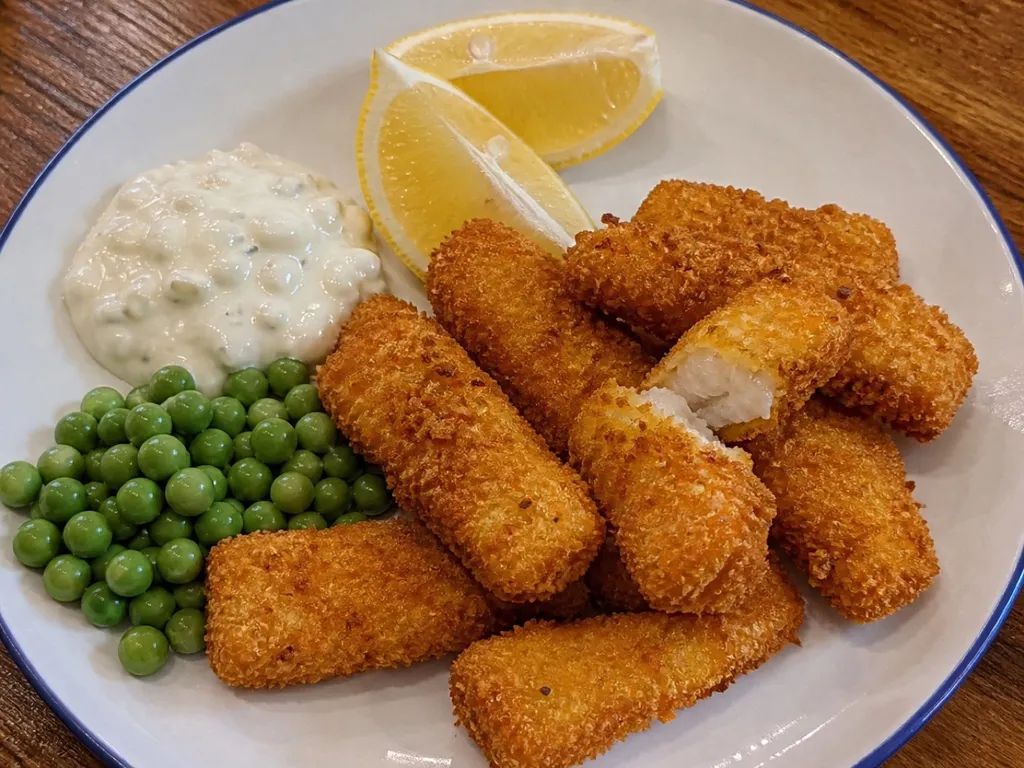 Images are for illustrative purposes only, may be inaccurate, and do not guarantee the presence or absence of specific ingredients.
 Listahan Family Score™
76/100
Good fit for most families
Score reflects how well this recipe fits a typical busy household. In the app, your Family Score is personalized to your household's allergens, kids, and pantry.
Nutrition
per serving495
Calories
45 g
Protein
57 g
Carbs
10 g
Fat
Estimated per serving. Actual values depend on the brands and portions you use.
Listahan cooking guide
Chef notes & practical guide
Technique notes, ingredient swaps, serve-alongside ideas, storage guidance, and equipment for this recipe.
Cultural context
Commercially breaded fish sticks were introduced in the United States and United Kingdom in the early 1950s as a way to sell cod and other whitefish to consumers who were hesitant about cooking whole fish. They became a staple of school cafeterias and Friday Catholic households throughout the 1960s. The home version gained traction as a way to use inexpensive cod fillets and control the coating quality, which in commercial versions is thin and heavily processed.
Listahan note
This version uses whole white fish fillets cut into strips rather than processed fish, and focuses on keeping the fish dry before breading so the coating bonds properly and does not steam off during cooking.
Technique cues
- Patting the fish completely dry before dredging is the most important step; moisture on the surface of the fish prevents the flour from adhering and creates steam in the pan that lifts the breading away.
- Paprika mixed into the panko adds both color and a mild warm flavor; plain breadcrumbs produce a pale crust even when fully cooked.
- Cod and haddock are interchangeable here; both are firm enough to handle breading and frying without breaking apart, which is the minimum requirement for the format.
Kitchen flow
- Parallel prep
- Set up the breading station and make the tartar sauce while the fish is patting dry; the actual cooking is fast.
- Make-ahead
- Bread the strips and refrigerate on a rack for up to 1 hour before frying; the coating dries slightly and adheres better.
- Leftover move
- Flake cold leftover fish sticks into a fish taco with slaw, lime, and hot sauce for a quick lunch.
- Cleanup rhythm
- The breading station generates the most mess; clear and discard the stations before the oil heats up to avoid cross-contamination with raw fish.
Ingredient brief
Role, handling, and swap guidance for each key ingredient.
Cod or haddock fillets
Main protein
Purpose: Firm white flesh holds its shape through breading and frying without breaking into flakes.
Handling: Pat dry thoroughly on both sides and cut into strips about 2 to 3 cm wide after drying, not before, so the cut surfaces do not absorb more water.
Adaptation: Pollock or tilapia are budget-friendly substitutes; tilapia is softer and benefits from 10 minutes in the freezer after cutting to firm up before breading.
Panko breadcrumbs
Outer crust
Purpose: The open structure of panko creates a crust that crisps quickly and stays crunchy longer than standard crumbs.
Handling: Season with paprika, salt, and pepper before coating; an unseasoned crust tastes flat against the mild fish.
Adaptation: Crushed crackers or cornmeal create a different texture with a slightly heartier bite.
Paprika
Color and mild warmth in the crust
Purpose: Gives the finished crust its golden-orange color before browning begins; without it the crust looks pale even when fully cooked.
Handling: Mix evenly through the breadcrumbs before dredging.
Adaptation: Smoked paprika adds a slightly different character that pairs well with tartar sauce.
Eggs
Adhesion layer
Purpose: Creates the sticky bridge between the flour-dusted fish and the breadcrumb outer coat.
Handling: Beat fully until the yolk and white are indistinguishable; streaky egg produces uneven adhesion.
Adaptation: Dijon mustard thinned with a little water works as an egg-free binder and adds a flavor note that complements fish.
Technique notes
- Do not move the fish sticks for the first minute after they hit the pan; let the crust set undisturbed so it does not tear when you flip.
- Fish cooks quickly. Once the crust is deep golden on both sides, the interior is almost certainly done; use a small knife to check if uncertain.
- Lemon applied at the table, not before, keeps the crust from softening. Squeeze it on just before eating.
Ingredient swaps
- Gluten-free direction
- Use rice flour for dredging and certified gluten-free panko or fine cornmeal for the outer coat.
- Baked direction
- Spray breaded strips with cooking oil and bake on a wire rack at 220 C for 12 to 15 minutes, flipping once; less oil, slightly less crunch.
- Egg-free direction
- Use Dijon mustard thinned with 1 tbsp water as the adhesion layer in place of beaten egg.
Serve alongside
- Oven-roasted potato wedges with sea salt
- Simple coleslaw with apple cider vinegar
- Steamed peas with butter
- Tartar sauce and lemon wedges
- Cold lager or light beer
- Sparkling water with lemon
- Dry ginger ale
Serving suggestions only — check pairings for your household's allergens.
Storage & reheating
- Refrigerate cooked fish sticks for up to 2 days in an airtight container.
- Reheat on a wire rack in a 200 C oven for 6 to 8 minutes to restore crust; microwaving creates a soft, steamed-tasting result.
- Not recommended for freezing after cooking as the coating detaches and the fish becomes watery on thawing.
Equipment
- Wide skillet or saute pan with enough room to lay strips flat without overlapping
- Three shallow dishes for the breading station
- Wire rack for resting before cooking and draining after
- Fish spatula for turning without breaking the strips
Make this household-aware
Listahan Pro checks this recipe against your household's allergens, finds pantry-aware swaps, builds the shopping list, and helps you plan the week around it.
Plan it in Listahan
Add Fish Sticks to your week, check it against your household's allergens, and build the shopping list automatically.
More North American recipes
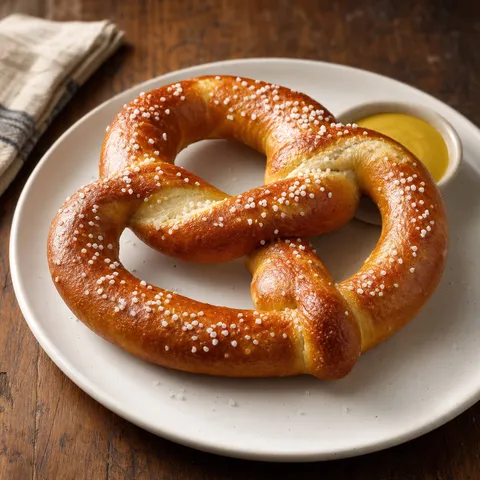 North American Lens Verified Images are for illustrative purposes only, may be inaccurate, and do not guarantee the presence or absence of specific ingredients.
 Soft Pretzels
Chewy golden mall-style pretzels with a salty crust, brushed in butter.
 North American Lens Verified Images are for illustrative purposes only, may be inaccurate, and do not guarantee the presence or absence of specific ingredients.
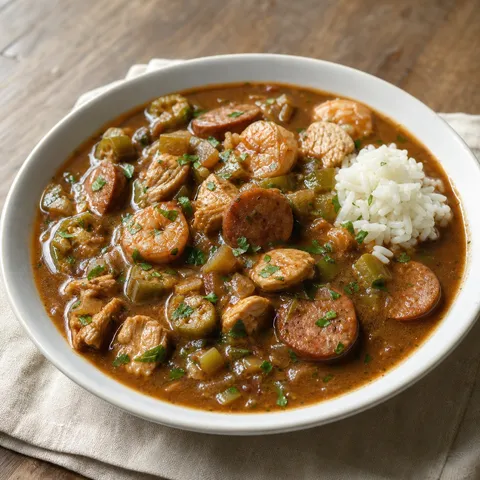
 Gumbo
A Louisiana-style gumbo of chicken thighs and Andouille sausage simmered with okra, the Cajun holy trinity, and a dark roux, served over rice.
 North American Lens Verified Images are for illustrative purposes only, may be inaccurate, and do not guarantee the presence or absence of specific ingredients.
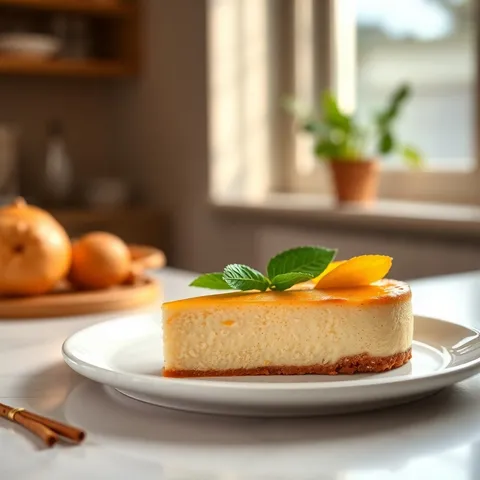
 New York Cheesecake
A dense, ultra-creamy baked cheesecake with a buttery graham cracker crust and a faintly tangy, melt-in-your-mouth filling.