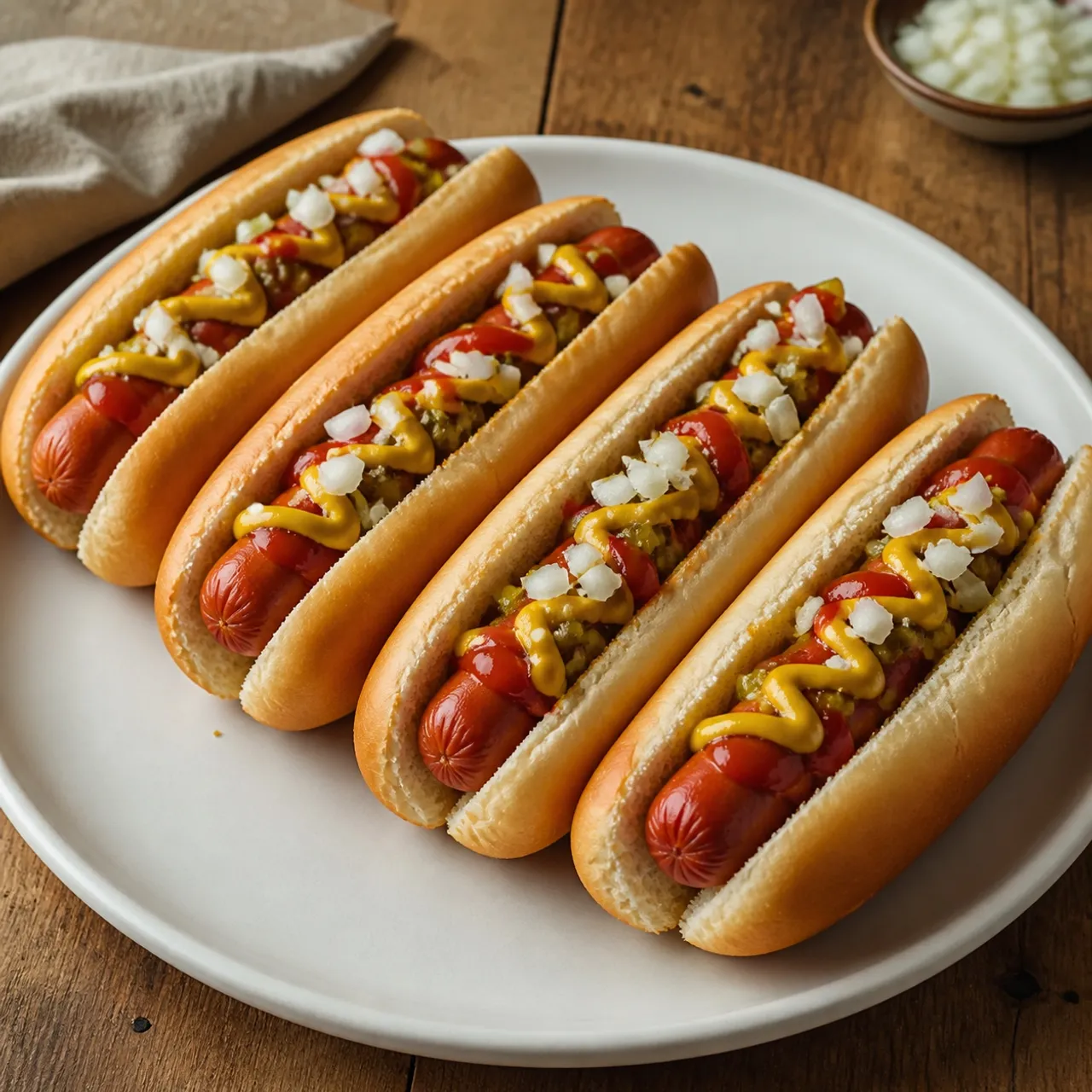
 North American Images are for illustrative purposes only, may be inaccurate, and do not guarantee the presence or absence of specific ingredients.
 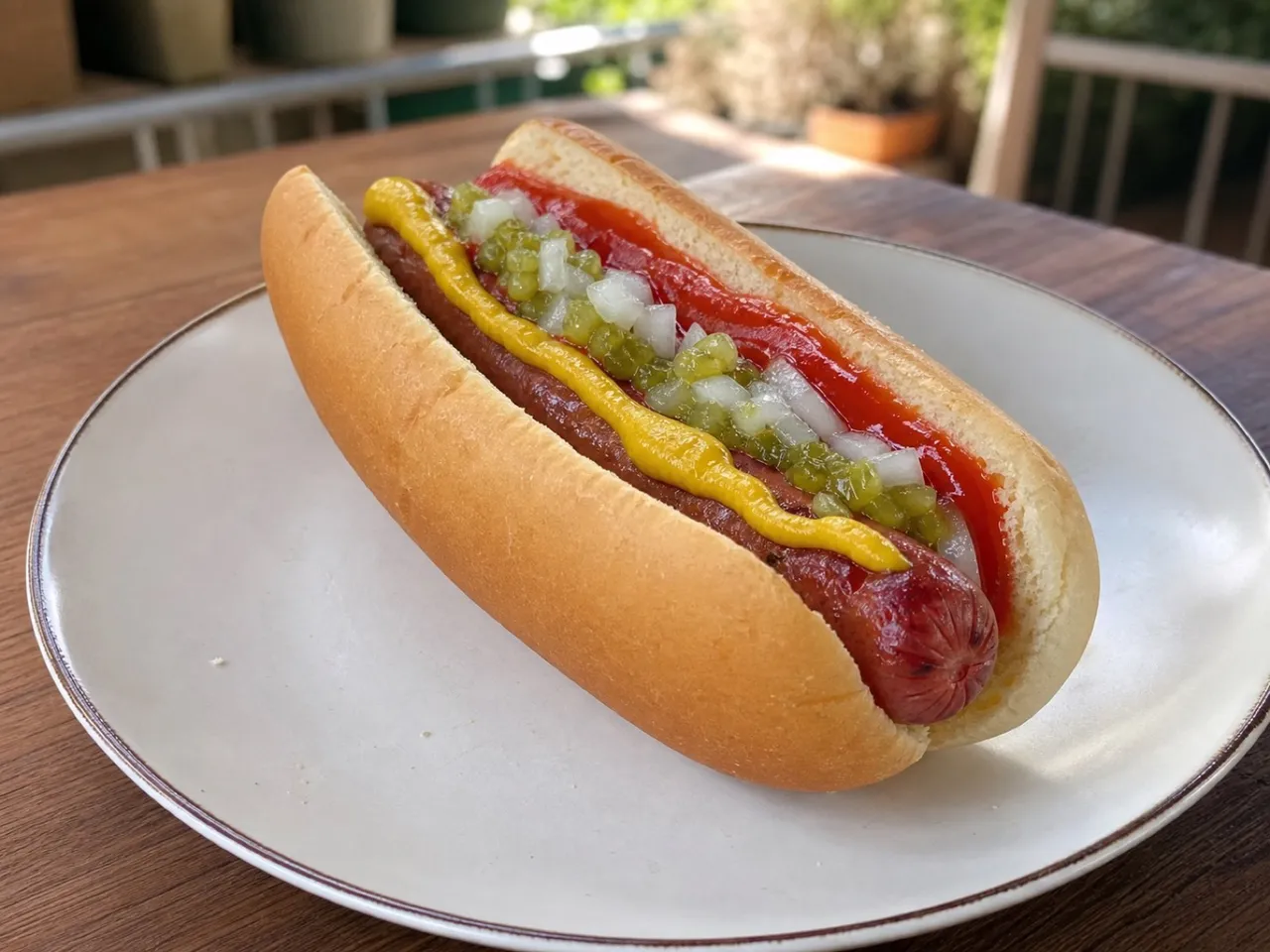 Serving Images are for illustrative purposes only, may be inaccurate, and do not guarantee the presence or absence of specific ingredients.
 Hot Dog
A cooked sausage served in a sliced bun, often with toppings.
Contains common allergens
In the app, Listahan checks these against your household automatically.
Good to know
- Ready in under 30 minutes
Matched from this dish's own ingredients and timing. Browse more: 30-minute meals
Instructions
6 steps- 1
To prepare the buns, spread a light layer of softened butter on the outside edges of the top-split buns.
- 2
Toast the buns in a skillet over medium heat for 1-2 minutes per side until golden brown and crisp, then set aside.
- 3
In the same skillet or on a grill, cook the hot dogs over medium-high heat for 5-7 minutes. Roll them frequently to ensure even cooking and a slightly blistered, charred exterior.
- 4
Alternatively, for boiled hot dogs, bring a pot of water to a simmer and cook the sausages for 4-5 minutes until plump and heated to an internal temperature of 160°F.
- 5
Place the hot sausages snugly into the toasted buns.
- 6
Garnish immediately with a squiggle of mustard and ketchup, a spoonful of sweet relish, and a sprinkle of diced onions.
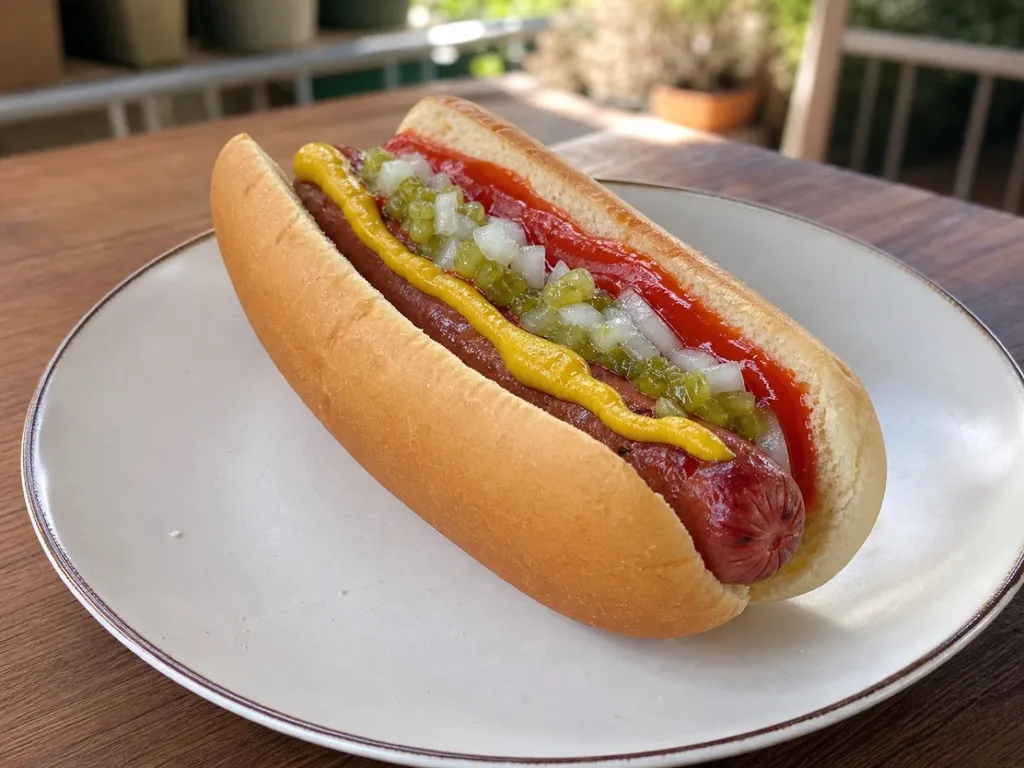 Images are for illustrative purposes only, may be inaccurate, and do not guarantee the presence or absence of specific ingredients.
 Listahan Family Score™
75/100
Good fit for most families
Score reflects how well this recipe fits a typical busy household. In the app, your Family Score is personalized to your household's allergens, kids, and pantry.
Nutrition
per serving50
Calories
1 g
Protein
4 g
Carbs
4 g
Fat
Estimated per serving. Actual values depend on the brands and portions you use.
Listahan cooking guide
Chef notes & practical guide
Technique notes, ingredient swaps, serve-alongside ideas, storage guidance, and equipment for this recipe.
Cultural context
The hot dog arrived in the United States with German immigrants in the mid-to-late 1800s, and its association with ballparks and street carts made it one of the most recognizable American foods by the early 20th century. The all-beef frank in a top-split roll loaded with mustard, relish, and onion is closely associated with Chicago and New York, though regional variations in bun style, sausage blend, and toppings differ considerably across the country. The simplicity of the format is its defining feature: a complete meal that fits in one hand.
Listahan note
This version focuses on the detail most home cooks skip: properly toasting the bun in butter and blistering the frank in the same pan rather than simply boiling, which makes a noticeably better result with no extra effort.
Technique cues
- Scoring or slitting the hot dog lengthwise before cooking exposes more surface area to the pan heat and produces more of the blistered, slightly charred exterior that tastes better than a uniformly gray steamed frank.
- Toast the buns cut-side down in the same skillet used for the hot dogs; the residual butter and any rendered fat from the franks add flavor to the bun.
- Add condiments in the traditional order for structural reasons: mustard directly on the bun, then the frank, then relish and onion on top, so the heavier toppings do not slide off.
Kitchen flow
- Parallel prep
- Dice the onion and set out condiments before the pan is hot; the cooking time is so short that everything needs to be ready when the franks go in.
- Make-ahead
- Hot dogs are best served fresh; if cooking for a crowd, keep cooked franks warm in a 200F oven on a baking sheet for up to 20 minutes.
- Leftover move
- Slice leftover franks into rounds and add to scrambled eggs with diced onion for a quick breakfast.
- Cleanup rhythm
- One skillet plus a cutting board for the onion; wipe the skillet clean while still warm and the butter residue lifts easily.
Ingredient brief
Role, handling, and swap guidance for each key ingredient.
4 all-beef hot dog sausages
Main protein
Purpose: All-beef franks have a cleaner, more pronounced meat flavor and a satisfying snap when bitten compared to mixed-meat versions.
Handling: Score the skin with 3-4 shallow diagonal cuts on each side to prevent the casing from bursting and to increase browning surface.
Adaptation: Chicken or turkey franks work for a lighter option; they are less fatty and will not blister as dramatically but still taste good with the toppings.
4 top-split hot dog buns
Base and structural vessel
Purpose: Top-split buns have flat sides that toast evenly in a pan and stand upright without rolling, making them easier to load with toppings.
Handling: Butter both flat sides and toast over medium heat until golden; an untoasted bun goes soft quickly under the weight of the condiments.
Adaptation: Standard side-split buns work but do not toast as uniformly; use them if top-split are unavailable and toast on the cut face only.
2 tbsp yellow mustard
Primary condiment and acid
Purpose: Yellow mustard provides sharp acidity and brightness that cuts through the fat of the all-beef frank; it is more traditional for this style than Dijon.
Handling: Apply directly to the inside of the toasted bun before placing the frank so the mustard anchors rather than slides.
Adaptation: Spicy brown mustard or deli mustard is a common upgrade that adds more depth without changing the overall character of the hot dog.
2 tbsp sweet pickle relish
Sweet-acid contrast
Purpose: The sweetness of relish balances the acidity of mustard and provides a textural contrast to the smooth frank.
Handling: Drain any excess liquid from the relish before spooning it on; watery relish makes the bun soggy quickly.
Adaptation: Diced dill pickles can substitute for a less sweet, more briny flavor that some prefer.
Technique notes
- Roll the frank frequently in the pan rather than letting it sit on one side; consistent rotation produces even blistering rather than a charred underside and pale top.
- The internal temperature of a fully cooked hot dog just needs to be heated through to about 165F; all-beef franks are pre-cooked and the pan step is about flavor and texture, not food safety.
- Serve immediately after assembly; a fully loaded hot dog becomes soggy within minutes as the moisture from the relish and tomato seeps into the toasted bun.
Ingredient swaps
- Gluten-free direction
- Use gluten-free hot dog buns; most major brands of all-beef franks are gluten-free but verify the label as spice blends vary.
- Lower-sodium option
- Look for reduced-sodium all-beef franks; mustard and relish both carry significant salt so using regular ketchup and relish modestly reduces the total.
- Plant-based direction
- Plant-based franks from brands like Beyond Meat cook and blister similarly to beef; the condiments require no change.
Serve alongside
- Classic potato chips
- Baked beans
- Corn on the cob
- Simple coleslaw
- Cold root beer or cream soda
- Lemonade
- Light lager
Serving suggestions only — check pairings for your household's allergens.
Storage & reheating
- Uncooked all-beef franks keep refrigerated in the original sealed package for up to 2 weeks; once opened, use within 1 week.
- Cooked franks can be refrigerated for up to 4 days and reheated in a skillet; avoid the microwave, which makes the casing rubbery.
- Freeze uncooked franks in the original packaging for up to 2 months; thaw overnight in the refrigerator before cooking.
Equipment
- Heavy skillet or cast-iron pan for even blistering
- Tongs for rolling the franks without piercing the casing
- Small offset knife for scoring
Make this household-aware
Listahan Pro checks this recipe against your household's allergens, finds pantry-aware swaps, builds the shopping list, and helps you plan the week around it.
Plan it in Listahan
Add Hot Dog to your week, check it against your household's allergens, and build the shopping list automatically.
More North American recipes
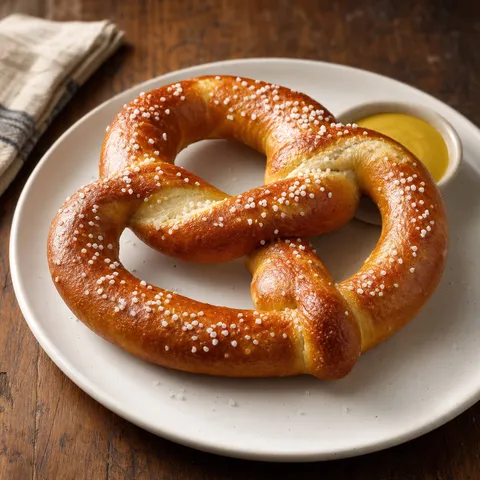 North American Lens Verified Images are for illustrative purposes only, may be inaccurate, and do not guarantee the presence or absence of specific ingredients.
 Soft Pretzels
Chewy golden mall-style pretzels with a salty crust, brushed in butter.
 North American Lens Verified Images are for illustrative purposes only, may be inaccurate, and do not guarantee the presence or absence of specific ingredients.
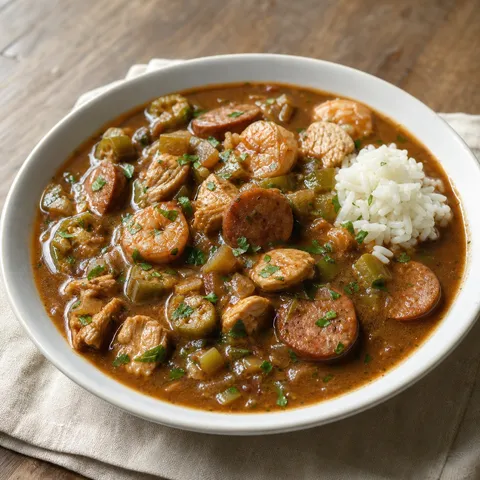
 Gumbo
A Louisiana-style gumbo of chicken thighs and Andouille sausage simmered with okra, the Cajun holy trinity, and a dark roux, served over rice.
 North American Lens Verified Images are for illustrative purposes only, may be inaccurate, and do not guarantee the presence or absence of specific ingredients.
 New York Cheesecake
A dense, ultra-creamy baked cheesecake with a buttery graham cracker crust and a faintly tangy, melt-in-your-mouth filling.