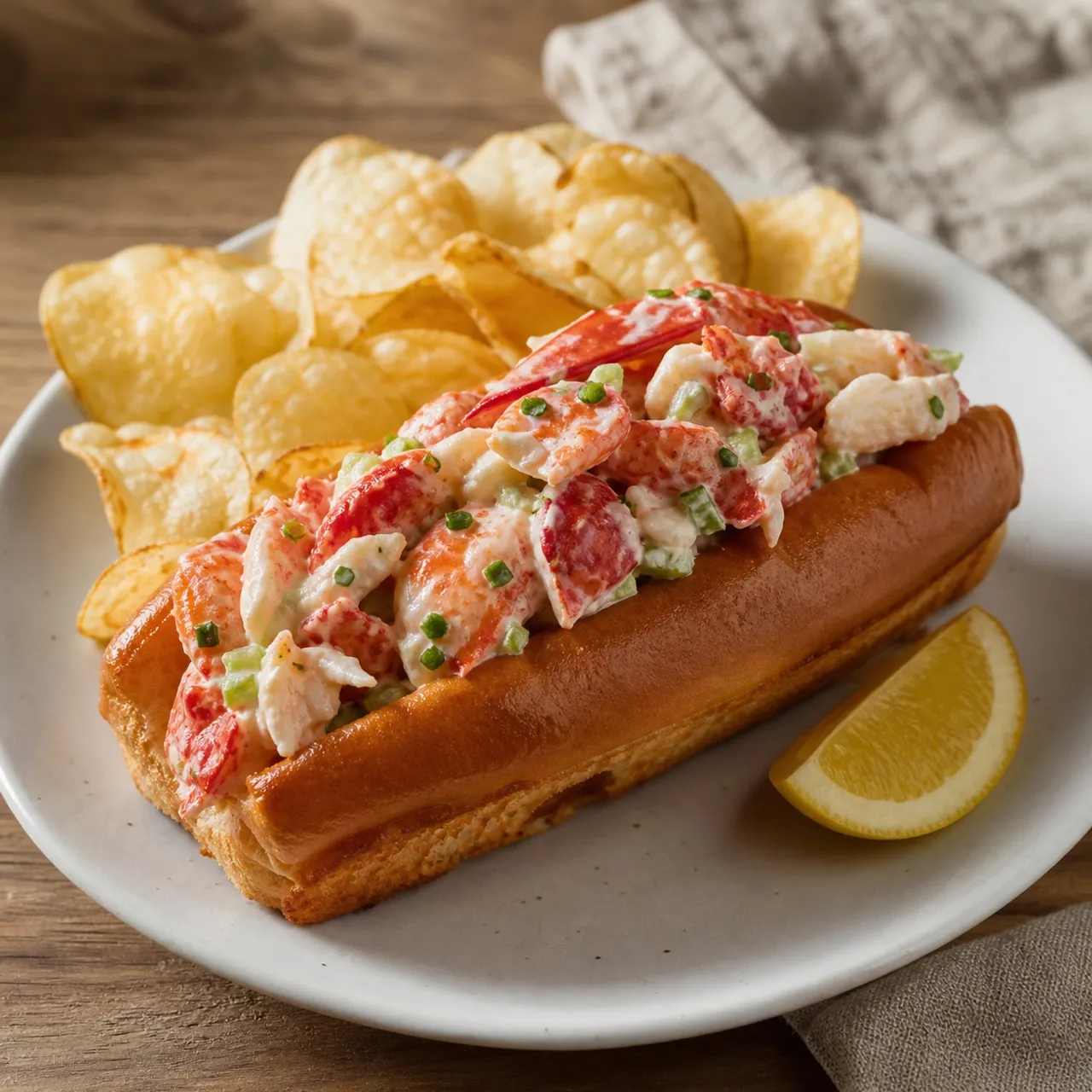
 North American Images are for illustrative purposes only, may be inaccurate, and do not guarantee the presence or absence of specific ingredients.
 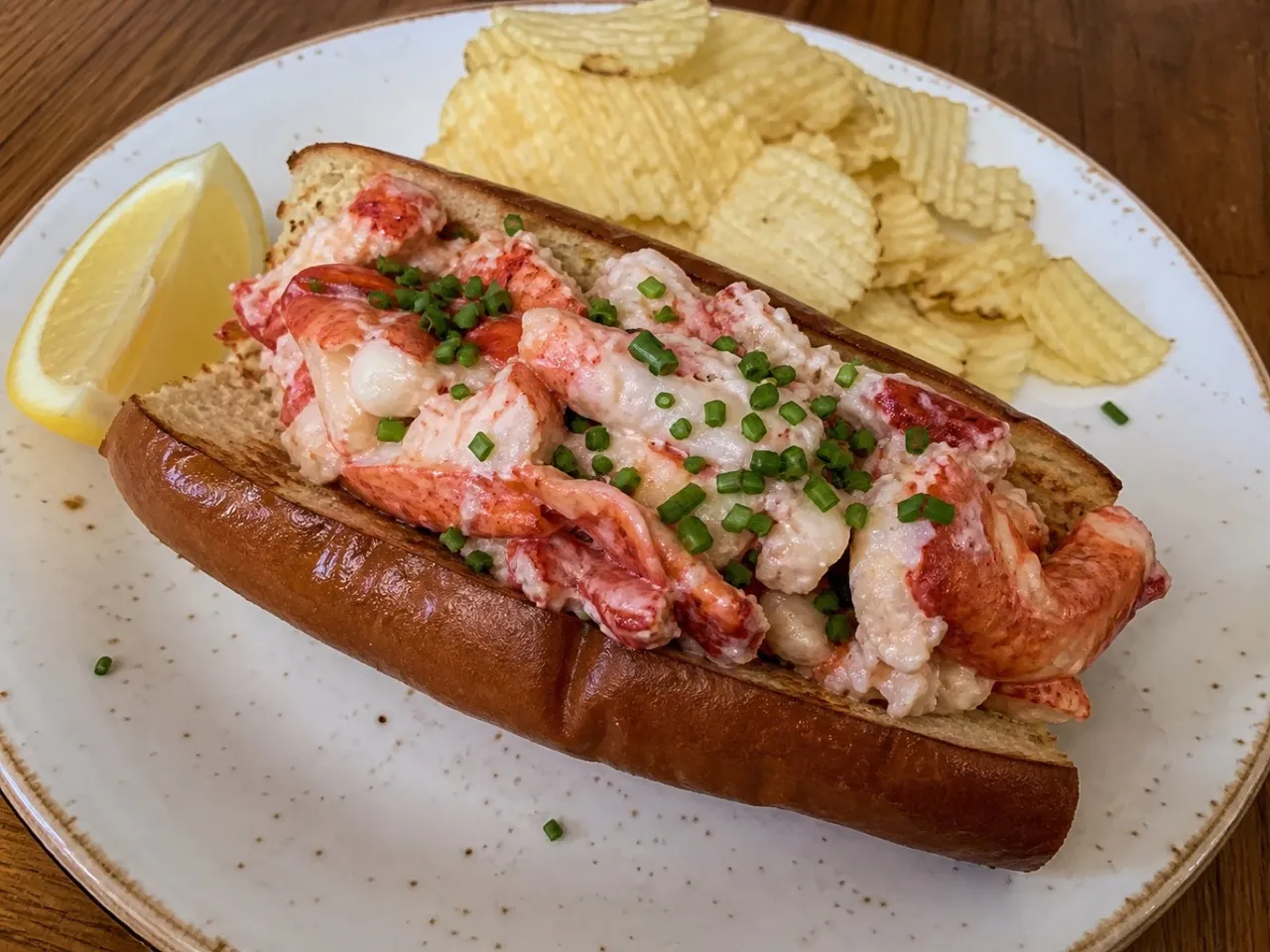 Serving Images are for illustrative purposes only, may be inaccurate, and do not guarantee the presence or absence of specific ingredients.
 Lobster Roll
A sandwich originating in New England, filled with lobster meat.
Contains common allergens
In the app, Listahan checks these against your household automatically.
Good to know
- Ready in under 30 minutes
Matched from this dish's own ingredients and timing. Browse more: 30-minute meals
Instructions
6 steps- 1
Ensure the cooked lobster meat is entirely cold and drained of any excess liquid to prevent a soggy roll. Chop it into bite-sized, 1/2-inch chunks.
- 2
In a medium bowl, gently fold the lobster meat together with the mayonnaise, fresh lemon juice, and finely diced celery. Season with a tiny pinch of salt and pepper.
- 3
Cover the lobster salad and refrigerate for at least 10 minutes to allow the flavors to marry.
- 4
Heat a large skillet over medium heat. Brush the flat outer sides of the top-split buns generously with the melted butter.
- 5
Toast the buns in the skillet for 1-2 minutes per side until they are golden brown and crispy on the outside, but soft and warm on the inside.
- 6
Divide the chilled lobster mixture evenly among the warm toasted buns. Garnish with minced fresh chives and serve immediately with potato chips.
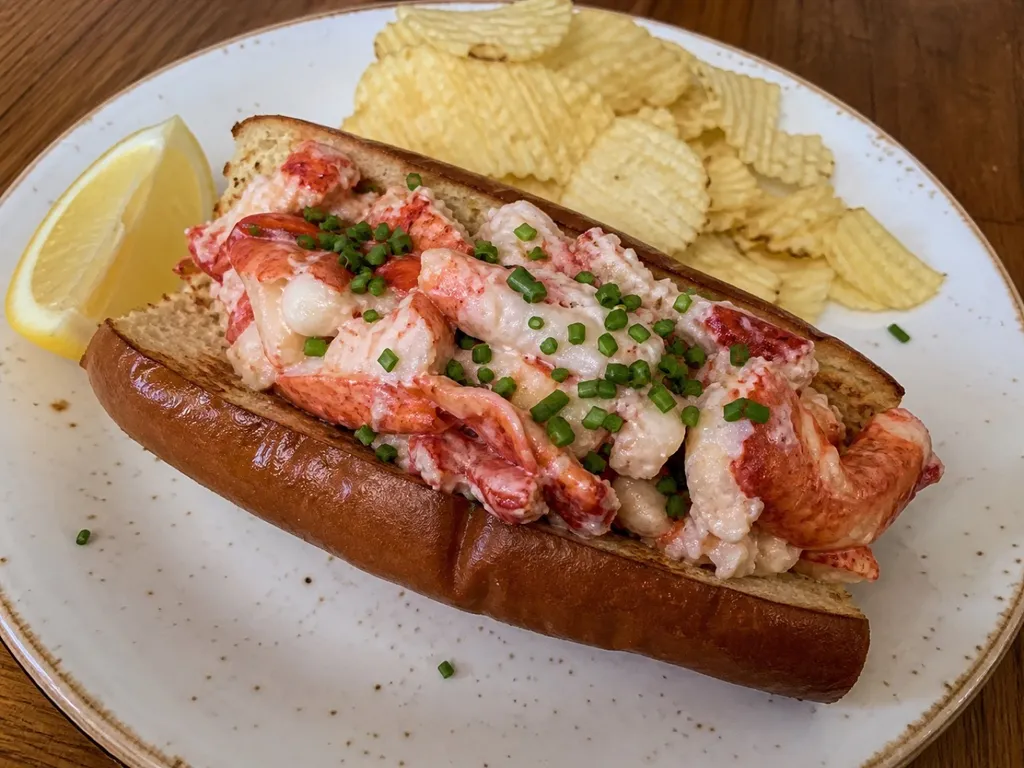 Images are for illustrative purposes only, may be inaccurate, and do not guarantee the presence or absence of specific ingredients.
 Listahan Family Score™
63/100
Works for many families
Score reflects how well this recipe fits a typical busy household. In the app, your Family Score is personalized to your household's allergens, kids, and pantry.
Nutrition
per serving300
Calories
29 g
Protein
1 g
Carbs
19 g
Fat
Estimated per serving. Actual values depend on the brands and portions you use.
Listahan cooking guide
Chef notes & practical guide
Technique notes, ingredient swaps, serve-alongside ideas, storage guidance, and equipment for this recipe.
Cultural context
The lobster roll as a distinct sandwich is traced to the Connecticut shore, where shore-side shacks began serving warm buttered lobster on split-top buns in the mid-twentieth century. The cold mayo-dressed version, now associated with Maine, became its own regional identity as lobster shacks spread north along the New England coast. Both styles share the same foundation: letting the lobster do the talking with minimal dressing.
Listahan note
This version uses cold-dressed lobster with just enough mayonnaise and lemon to bind it, built on a properly toasted split-top bun. The restraint is intentional: nothing competes with the sweetness of fresh knuckle-and-claw meat.
Technique cues
- Cold, dry lobster meat is non-negotiable. Wet meat dilutes the dressing and slides out of the bun on the first bite.
- Fold the dressing into the lobster with a spatula, not a spoon. You want coating, not mashing.
- Toast the bun in butter until the cut faces are deep golden; a pale bun turns soggy the moment the filling goes in.
Kitchen flow
- Parallel prep
- Toast buns while the lobster is being dressed; both should be ready at the same moment.
- Make-ahead
- Dress the lobster up to 2 hours ahead and refrigerate; toast buns only right before serving.
- Leftover move
- Extra dressed lobster works well over a simple green salad or folded into scrambled eggs the next morning.
- Cleanup rhythm
- One bowl for the filling, one skillet for the buns; wipe the skillet hot for easiest cleanup.
Ingredient brief
Role, handling, and swap guidance for each key ingredient.
cooked lobster meat (knuckle and claw)
Main protein
Purpose: Knuckle and claw meat is sweeter and more tender than tail, and the irregular chunks hold dressing without becoming pasty.
Handling: Pat thoroughly dry with paper towels and chill fully before dressing; residual warmth or moisture loosens the mayo.
Adaptation: Tail meat works but cut it into smaller chunks so it integrates with the dressing; it is firmer and slightly less sweet.
high-quality mayonnaise
Binding dressing
Purpose: The fat in good mayonnaise carries flavor and coats the lobster without overwhelming it; cheap mayo introduces a chemical aftertaste.
Handling: Use just enough to coat lightly; the lobster should not look sauced.
Adaptation: Duke's or Kewpie both work with slightly different flavor profiles; Greek yogurt can lighten the dish but changes the texture.
fresh lemon juice
Acid
Purpose: A small amount of acid brightens the sweetness of the lobster and cuts through the richness of the mayo.
Handling: Add just before serving so the acid does not break down the lobster texture over time.
Adaptation: White wine vinegar works in a pinch; use half the quantity as it is sharper than lemon.
New England-style split-top hot dog buns
Vessel
Purpose: The flat sides of a split-top bun toast evenly in butter and provide a stable base that stays crisp longer than a round bun.
Handling: Toast cut-side down in butter over medium heat until uniformly golden before filling.
Adaptation: Brioche hot dog buns are a close substitute; standard side-split buns work but toast unevenly.
finely diced celery
Texture contrast
Purpose: A small amount of celery adds crunch and a clean vegetable note without distracting from the lobster.
Handling: Dice very fine so it distributes evenly through the meat rather than appearing in large bites.
Adaptation: Omit entirely for a purer lobster flavor; finely sliced scallion whites can provide similar crunch with a different profile.
Technique notes
- The ratio of mayo to lobster matters more than the exact quantity. The meat should glisten, not pool.
- Serve immediately after filling the bun. The butter-toasted crust softens within minutes once the filling is added.
- Season after dressing, not before. The mayo carries salt and the lobster has its own brininess; taste first.
Ingredient swaps
- Dairy-free direction
- Use vegan mayonnaise and substitute olive oil for butter when toasting the bun; the result is slightly less rich but still works.
- Budget direction
- A mix of crab claw and imitation lobster stretches the filling but reduce the mayo to keep the texture right.
Serve alongside
- Classic coleslaw with apple cider vinegar dressing
- Kettle-cooked potato chips
- Simple green salad with lemon vinaigrette
- Corn on the cob with butter
- Crisp New England lager or pilsner
- Dry rosé wine
- Sparkling water with lemon
Serving suggestions only — check pairings for your household's allergens.
Storage & reheating
- Store undressed lobster meat in a sealed container in the refrigerator for up to 2 days.
- Once dressed, the filling holds for up to 2 hours refrigerated but is best served within 30 minutes.
- Do not freeze cooked lobster meat for this application; texture becomes rubbery after thawing.
Equipment
- Cast-iron or stainless skillet for toasting buns
- Medium mixing bowl
- Rubber spatula for gentle folding
- Paper towels for drying the lobster
Make this household-aware
Listahan Pro checks this recipe against your household's allergens, finds pantry-aware swaps, builds the shopping list, and helps you plan the week around it.
Plan it in Listahan
Add Lobster Roll to your week, check it against your household's allergens, and build the shopping list automatically.
More North American recipes
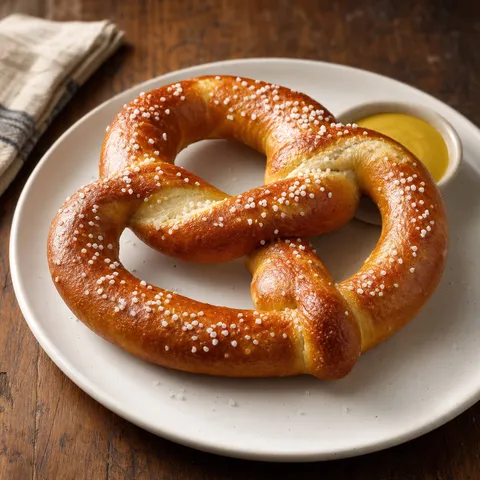 North American Lens Verified Images are for illustrative purposes only, may be inaccurate, and do not guarantee the presence or absence of specific ingredients.
 Soft Pretzels
Chewy golden mall-style pretzels with a salty crust, brushed in butter.
 North American Lens Verified Images are for illustrative purposes only, may be inaccurate, and do not guarantee the presence or absence of specific ingredients.
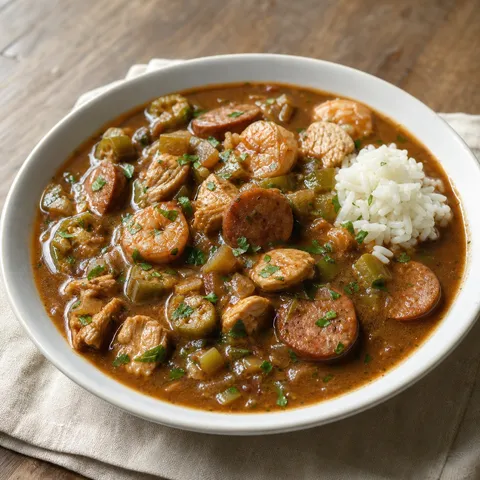
 Gumbo
A Louisiana-style gumbo of chicken thighs and Andouille sausage simmered with okra, the Cajun holy trinity, and a dark roux, served over rice.
 North American Lens Verified Images are for illustrative purposes only, may be inaccurate, and do not guarantee the presence or absence of specific ingredients.
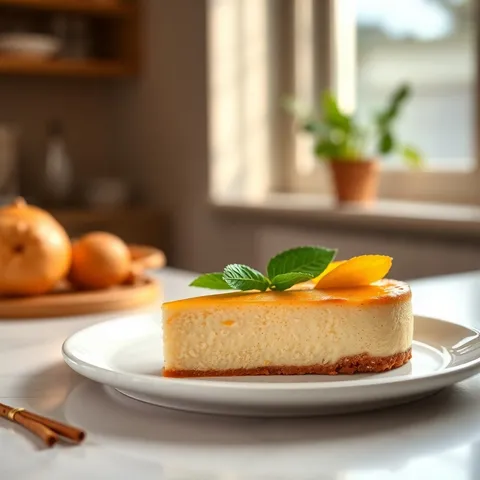
 New York Cheesecake
A dense, ultra-creamy baked cheesecake with a buttery graham cracker crust and a faintly tangy, melt-in-your-mouth filling.