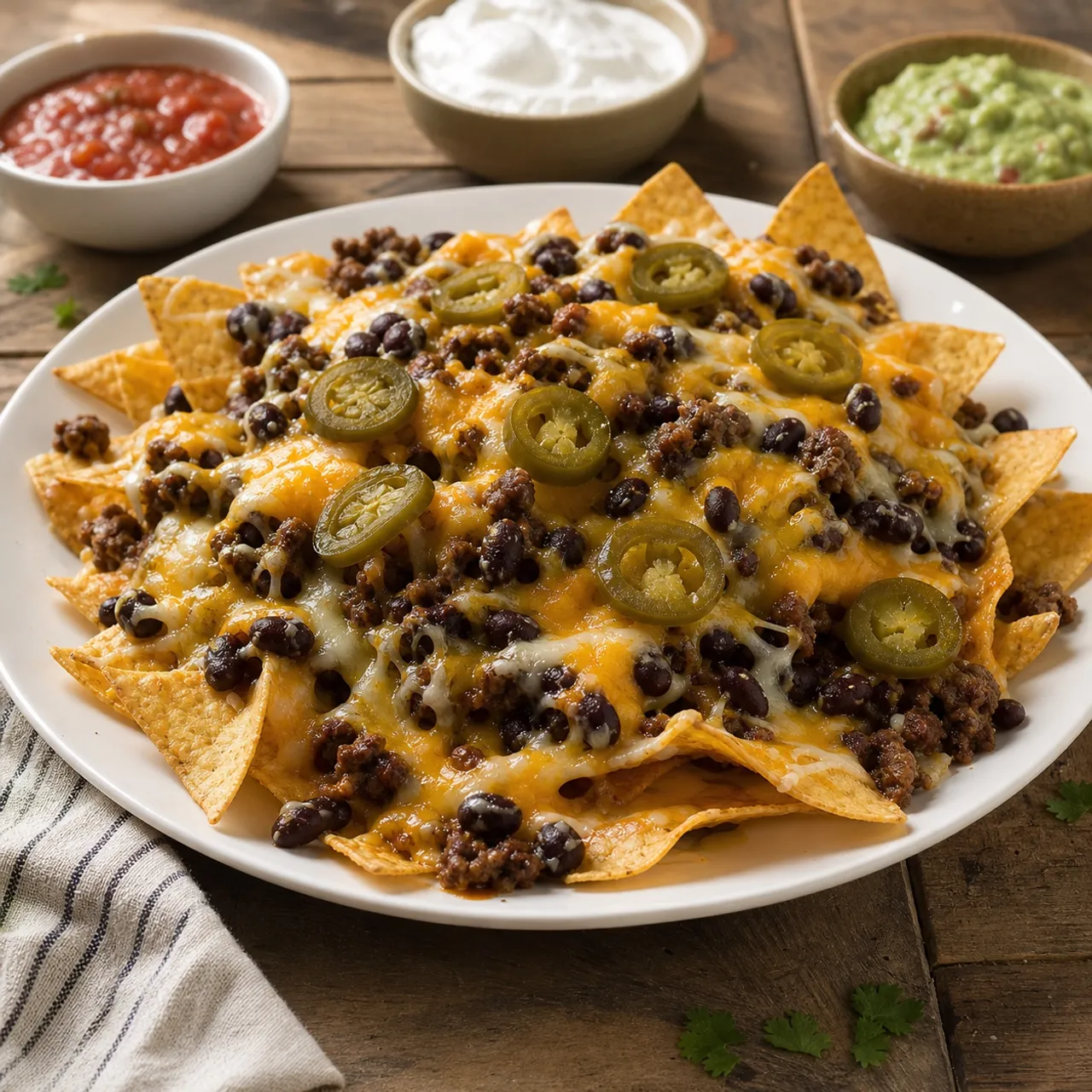
 North American Images are for illustrative purposes only, may be inaccurate, and do not guarantee the presence or absence of specific ingredients.
 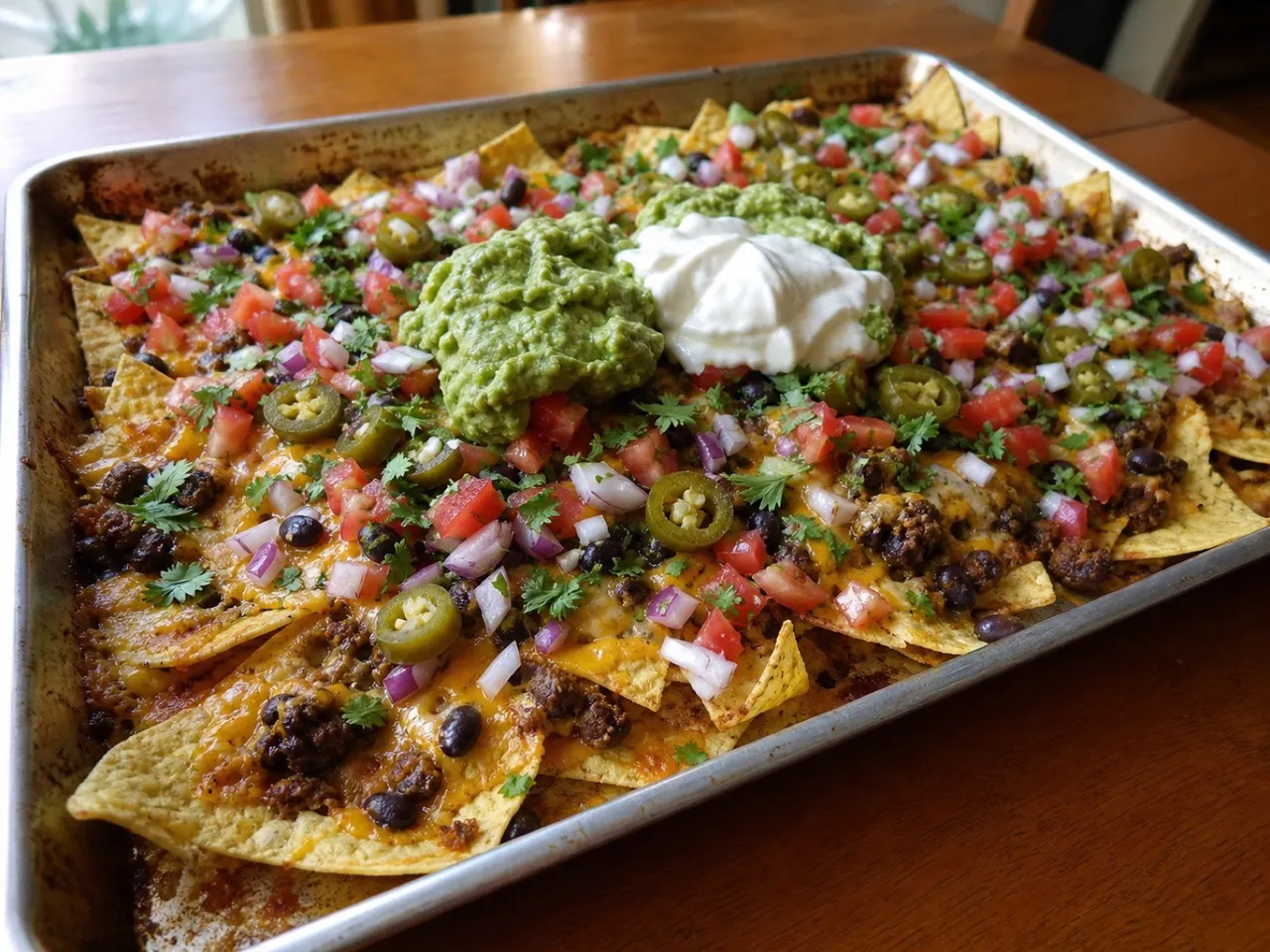 Serving Images are for illustrative purposes only, may be inaccurate, and do not guarantee the presence or absence of specific ingredients.
 Nachos
A loaded platter of crisp tortilla chips smothered in melty cheese, seasoned beef, jalapeños, and all the cool, fresh toppings.
Contains common allergens
In the app, Listahan checks these against your household automatically.
Good to know
- Crispy
- Ready in under 30 minutes
Matched from this dish's own ingredients and timing. Browse more: crispy recipes30-minute meals
Instructions
6 steps- 1
Preheat the oven to 400°F and line a large rimmed baking sheet with foil or parchment.
- 2
Brown the ground beef in a skillet over medium-high heat, breaking it up, for 6 to 8 minutes, then drain the fat, add the taco seasoning with 1/4 cup water, and simmer for 2 minutes until thickened.
- 3
Spread half the tortilla chips in an even layer on the baking sheet, then scatter on half the beef, half the black beans, and half the shredded cheese.
- 4
Repeat with a second layer of chips, beef, beans, and the remaining cheese, then dot the top with pickled jalapeño slices.
- 5
Bake for 7 to 10 minutes until the cheese is fully melted and bubbling but the chips have not browned.
- 6
Serve immediately, topped with dollops of salsa, sour cream, and guacamole so the chips stay crisp.
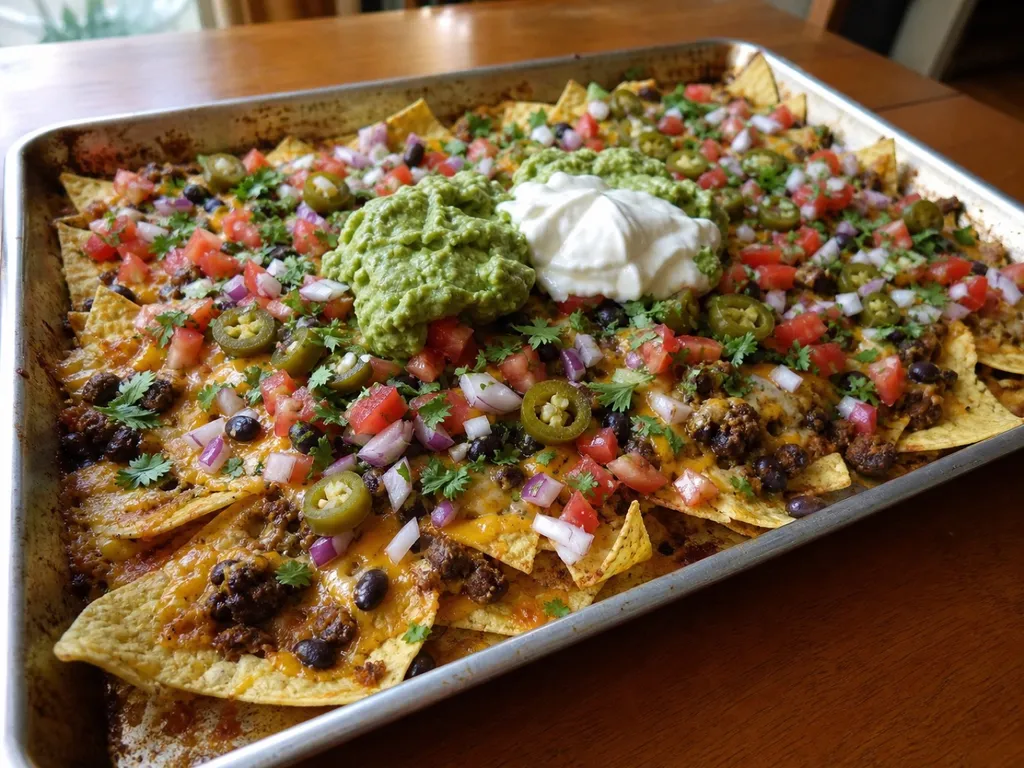 Images are for illustrative purposes only, may be inaccurate, and do not guarantee the presence or absence of specific ingredients.
 Listahan Family Score™
67/100
Works for many families
Score reflects how well this recipe fits a typical busy household. In the app, your Family Score is personalized to your household's allergens, kids, and pantry.
Nutrition
per serving795
Calories
63 g
Protein
22 g
Carbs
49 g
Fat
Estimated per serving. Actual values depend on the brands and portions you use.
Listahan cooking guide
Chef notes & practical guide
Technique notes, ingredient swaps, serve-alongside ideas, storage guidance, and equipment for this recipe.
Cultural context
Nachos were invented in 1943 in Piedras Negras, Mexico, just across the border from Eagle Pass, Texas, by a maitre d' named Ignacio Anaya who nicknamed himself Nacho. He improvised a snack for a group of US military wives from the ingredients he had on hand: tortilla chips, sliced jalapenos, and shredded cheese, melted under the broiler. The dish crossed into American stadium and restaurant culture through the 1970s and became the dominant American sports-viewing snack by the 1980s, evolving from the original three-ingredient version into the loaded sheet-pan format familiar today.
Listahan note
This version layers the ingredients twice before baking so every chip in the middle of the pan gets cheese and toppings, not just the ones on top.
Technique cues
- The double-layer method (chips, then half the toppings, then more chips, then the rest) solves the most common nacho failure: a cheesy top with plain chips underneath that have no flavor.
- Draining the fat from the cooked beef before seasoning it keeps the chips from going soggy; excess grease soaks into the chips during baking and makes the base unpleasantly wet.
- Add cold toppings like sour cream, guacamole, and fresh salsa after baking rather than before; they belong on top of the finished nachos, not cooked into them.
Kitchen flow
- Parallel prep
- Brown and season the beef while the oven preheats; the beef needs to be ready before you begin layering.
- Make-ahead
- Cook and season the beef up to 2 days ahead and refrigerate; the assembled nachos must go straight from build to oven.
- Leftover move
- Leftover beef and bean mixture reheats well as a taco filling or scrambled into eggs with diced onion the next morning.
- Cleanup rhythm
- Lining the baking sheet with foil means cleanup is lifting and discarding; skip the foil and you will be soaking the pan for an hour.
Ingredient brief
Role, handling, and swap guidance for each key ingredient.
sturdy tortilla chips
Structural base
Purpose: Thick, sturdy chips hold up under the weight of toppings and retain some crunch after oven time; thin chips collapse and go soggy.
Handling: Spread in a single even layer on each level of the double stack; chips that overlap face-to-face rather than edges will stay crispier.
Adaptation: Restaurant-style chips from a Mexican grocery tend to be thicker and hold up better than standard supermarket brands.
ground beef
Main protein
Purpose: Seasoned ground beef provides savory, slightly spiced filling that adheres to the chips and distributes easily across the pan.
Handling: Break into small pieces during browning so no large clumps form; drain fat completely before adding seasoning and water.
Adaptation: Ground turkey or ground chicken works with the same seasoning; seasoned canned black beans alone make a satisfying vegetarian version.
shredded Monterey Jack and cheddar blend
Melting layer
Purpose: Monterey Jack melts smoothly and stretches, while cheddar adds sharpness and color; the blend covers all the chips without becoming greasy.
Handling: Shred from a block rather than using pre-shredded bags; anti-caking agents in pre-shredded cheese can make it melt less evenly.
Adaptation: Pepper Jack replaces Monterey Jack for extra heat; Colby-Jack is a milder, more neutral option.
canned black beans
Protein and texture filler
Purpose: Black beans add earthy flavor and additional protein that makes the nachos more filling without dominating the beef.
Handling: Drain and rinse thoroughly so the canning liquid does not add excess salt or make the chips wet.
Adaptation: Pinto beans work equally well; refried beans can be dolloped in small spoonfuls for a creamier alternative.
pickled jalapeno slices
Heat and acid
Purpose: Pickled jalapenos provide both heat and vinegar tang that cuts through the richness of the cheese and beef; fresh jalapenos add heat but lack the brightness.
Handling: Distribute evenly across both layers so every section of the pan has some heat rather than concentrating it in one corner.
Adaptation: Fresh sliced jalapenos can be used but should be added in the last 5 minutes of baking so they soften without burning.
Technique notes
- Watch the nachos from the 10-minute mark; ovens vary and cheese can go from melted to burnt in under 2 minutes once it is fully liquid.
- Pull the pan and add cold toppings while the nachos are still very hot from the oven so the heat softens the guacamole slightly and the contrast is more dramatic.
- Serve directly from the pan rather than transferring to a bowl; nachos that get moved lose structural integrity and the bottom layer of chips gets crushed.
Ingredient swaps
- Gluten-free direction
- Standard corn tortilla chips and the ingredients listed are naturally gluten-free; verify the taco seasoning packet, as some contain wheat starch.
- Vegetarian option
- Replace the ground beef with an extra cup of black beans plus a cup of roasted corn kernels and increase the cheese slightly for richness.
- Lower-fat direction
- Use reduced-fat cheese and skip the sour cream topping, replacing it with plain Greek yogurt, which provides the same cooling contrast with less fat.
Serve alongside
- Fresh pico de gallo
- Simple guacamole with lime and cilantro
- Street corn salad with cotija
- Lime-dressed shredded cabbage slaw
- Cold Mexican lager with lime
- Classic margarita on the rocks
- Sparkling water with lime and tajin
Serving suggestions only — check pairings for your household's allergens.
Storage & reheating
- Nachos do not store well once assembled and baked; the chips become soggy within 30 minutes of cooling.
- Store leftover components separately in the fridge for up to 3 days and reassemble to order for best results.
- Cooked seasoned beef freezes well for up to 2 months in a sealed bag; thaw overnight and reheat in a skillet before building fresh nachos.
Equipment
- Large rimmed baking sheet (half-sheet pan) for a single wide layer
- Foil or parchment for lining the pan to simplify cleanup
- Wide spatula or tongs for serving without collapsing the layers
Make this household-aware
Listahan Pro checks this recipe against your household's allergens, finds pantry-aware swaps, builds the shopping list, and helps you plan the week around it.
Plan it in Listahan
Add Nachos to your week, check it against your household's allergens, and build the shopping list automatically.
More North American recipes
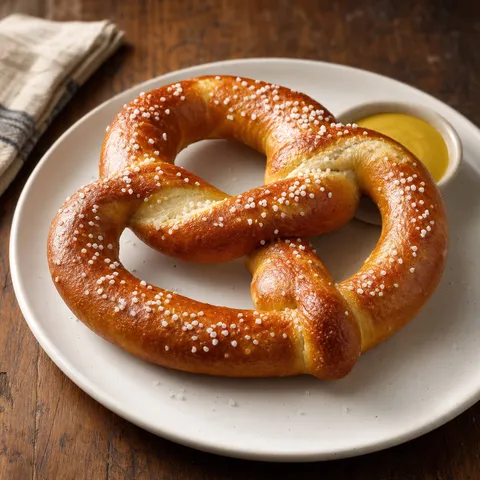 North American Lens Verified Images are for illustrative purposes only, may be inaccurate, and do not guarantee the presence or absence of specific ingredients.
 Soft Pretzels
Chewy golden mall-style pretzels with a salty crust, brushed in butter.
 North American Lens Verified Images are for illustrative purposes only, may be inaccurate, and do not guarantee the presence or absence of specific ingredients.
 Gumbo
A Louisiana-style gumbo of chicken thighs and Andouille sausage simmered with okra, the Cajun holy trinity, and a dark roux, served over rice.
 North American Lens Verified Images are for illustrative purposes only, may be inaccurate, and do not guarantee the presence or absence of specific ingredients.
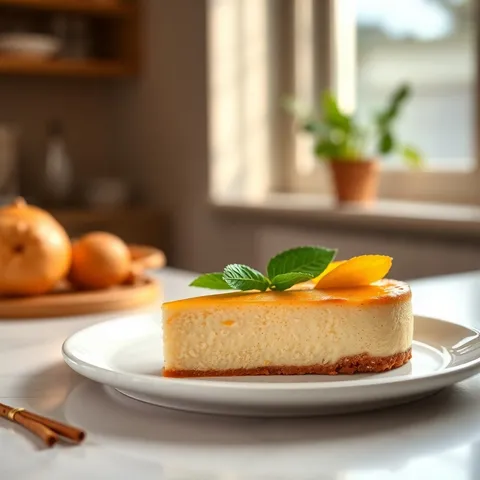
 New York Cheesecake
A dense, ultra-creamy baked cheesecake with a buttery graham cracker crust and a faintly tangy, melt-in-your-mouth filling.