 Sauces & Dressings Images are for illustrative purposes only, may be inaccurate, and do not guarantee the presence or absence of specific ingredients.
 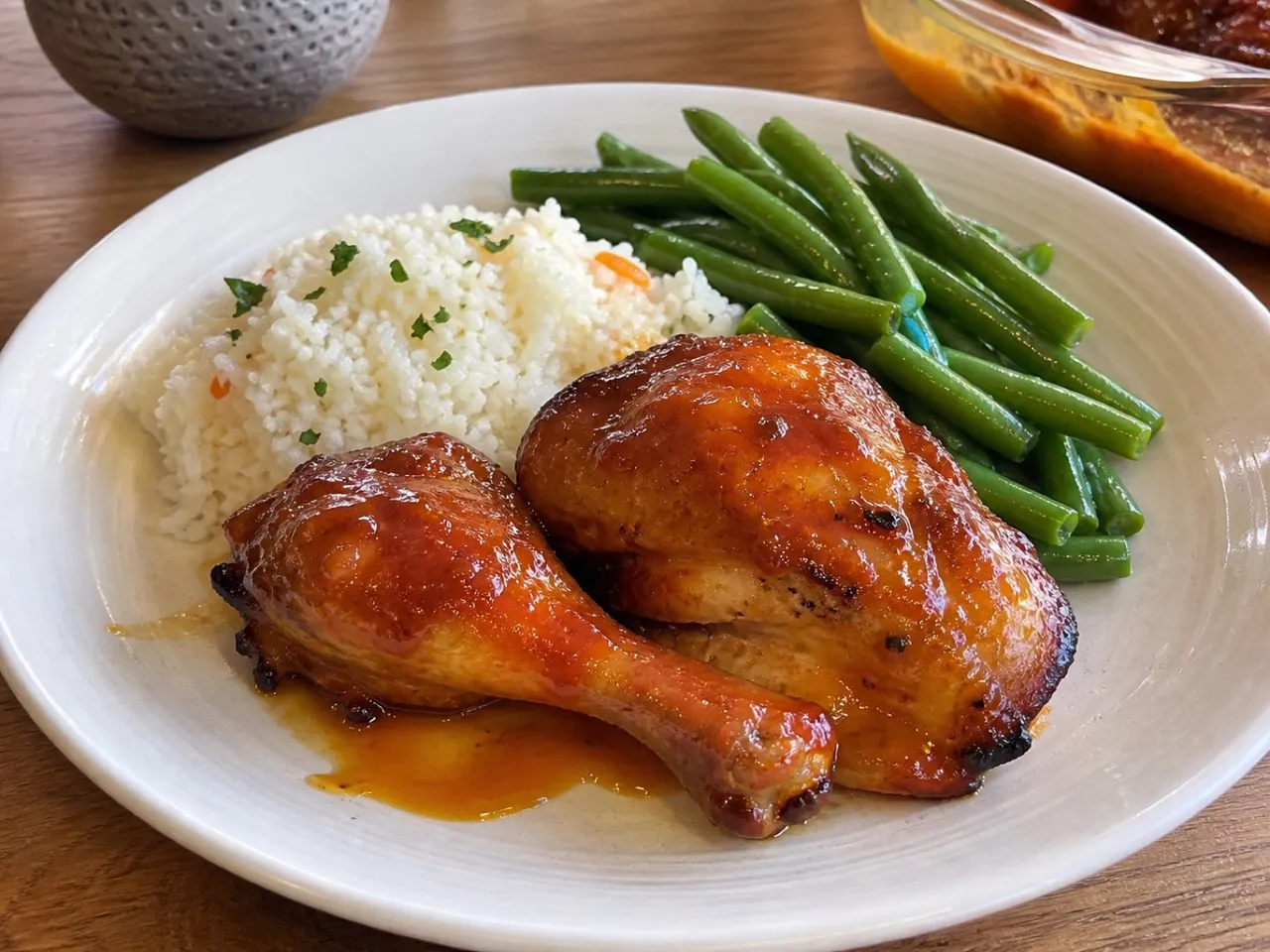 Serving Images are for illustrative purposes only, may be inaccurate, and do not guarantee the presence or absence of specific ingredients.
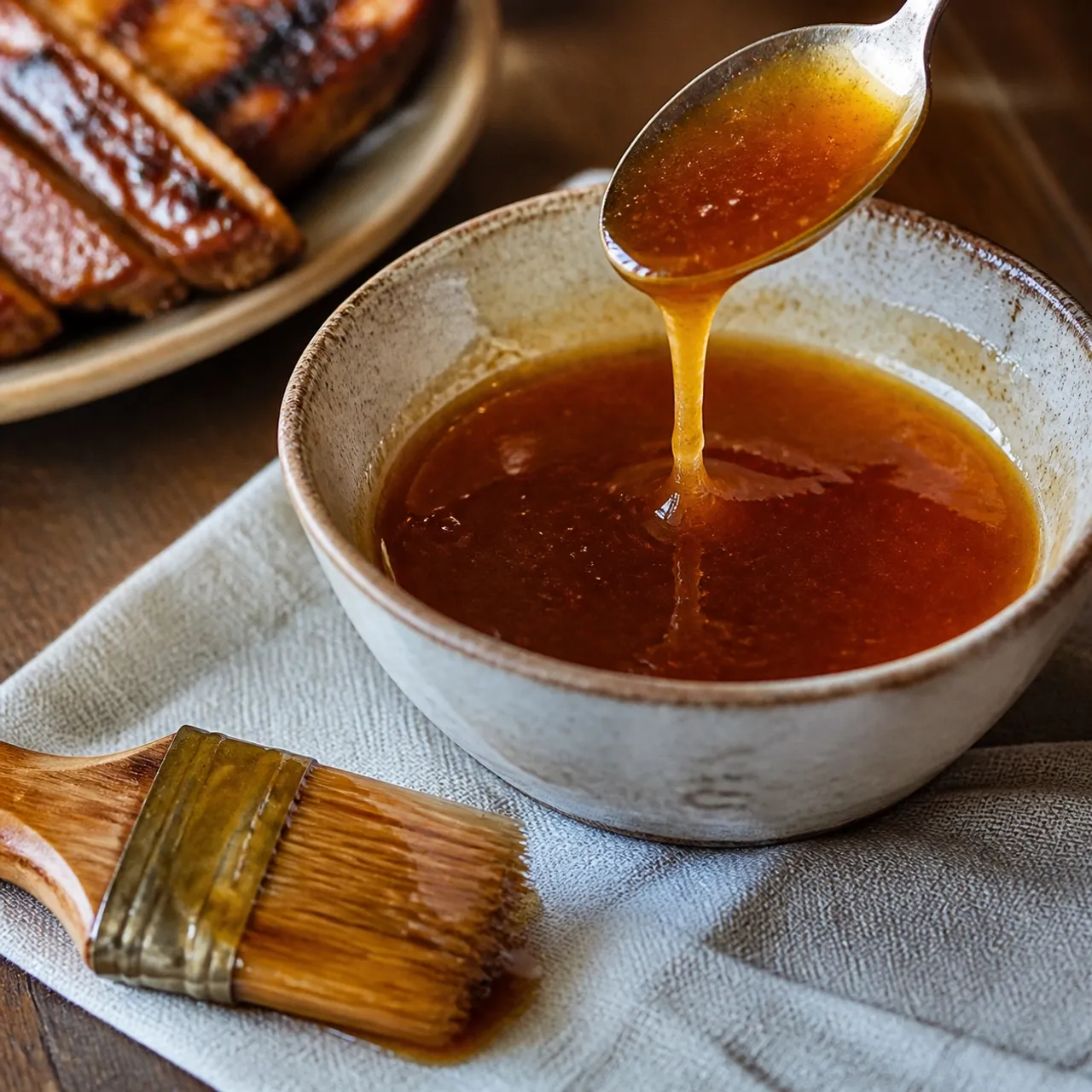
 Apricot Basting Sauce
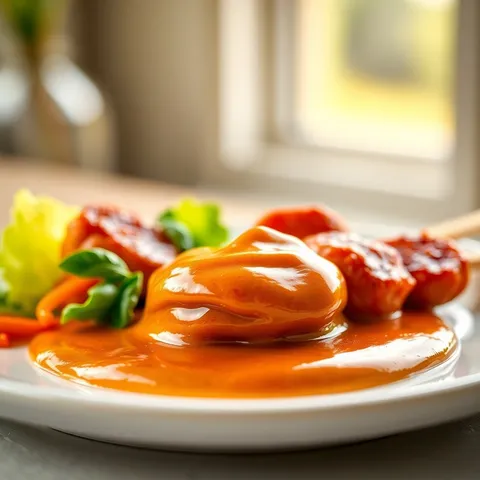
A glossy sweet-savory apricot glaze for basting grilled or roasted chicken, pork, and lamb.
Contains common allergens
In the app, Listahan checks these against your household automatically.
Good to know
- One-pot
- Ready in under 30 minutes
Matched from this dish's own ingredients and timing. Browse more: one-pot dinners30-minute meals
Instructions
4 steps- 1
In a small saucepan, combine the apricot jam, sugar, salt, white wine, honey, and Worcestershire sauce.
- 2
Heat over medium heat, stirring occasionally, until the jam has melted and the sauce is smooth and well blended.
- 3
Simmer briefly to let the flavors meld, then remove from the heat.
- 4
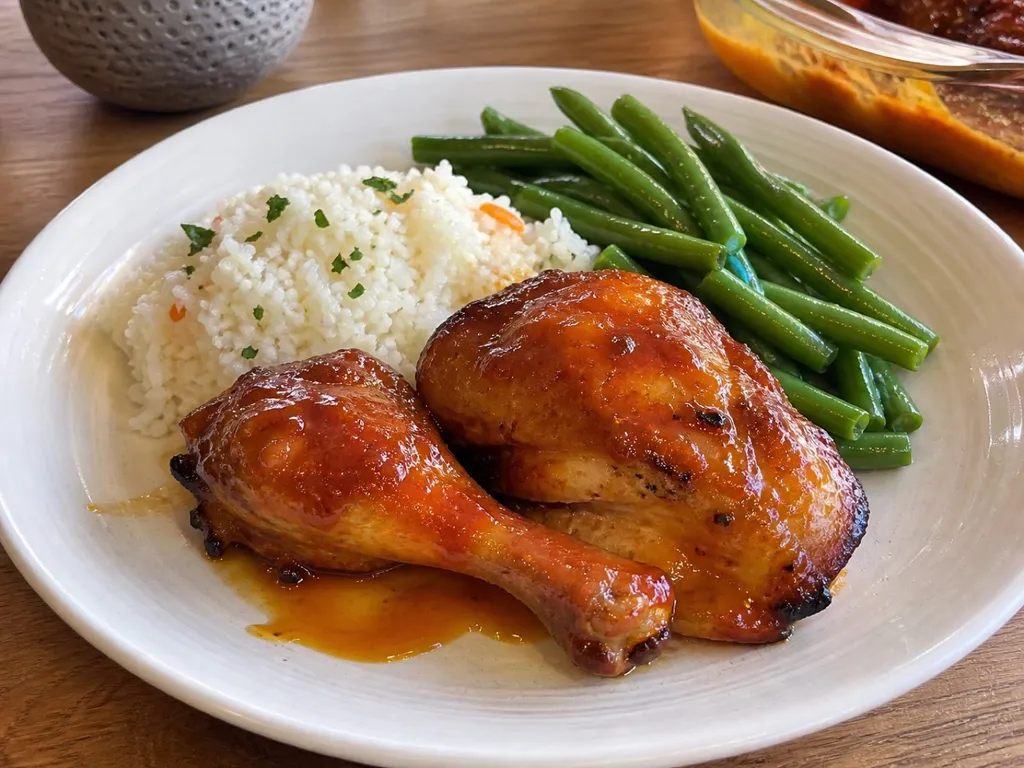
Use the warm sauce to baste chicken, pork, or lamb during grilling or roasting, brushing it on during the last several minutes of cooking.
 Images are for illustrative purposes only, may be inaccurate, and do not guarantee the presence or absence of specific ingredients.
 Listahan Family Score™
77/100
Good fit for most families
Score reflects how well this recipe fits a typical busy household. In the app, your Family Score is personalized to your household's allergens, kids, and pantry.
Nutrition
per serving120
Calories
0 g
Protein
26 g
Carbs
0 g
Fat
Estimated per serving. Actual values depend on the brands and portions you use.
Listahan cooking guide
Chef notes & practical guide
Technique notes, ingredient swaps, serve-alongside ideas, storage guidance, and equipment for this recipe.
Cultural context
Apricot basting sauces belong to the American backyard tradition of fruit-glazed meats, where the natural sugars in preserves caramelize into a sticky, lacquered crust on grilled and roasted poultry and pork. The apricot brings sweetness and a gentle tartness that pairs especially well with ham, chicken, and ribs. It is a finishing brush-on rather than a marinade, applied late so the sugars do not scorch.
Listahan note
This version builds a quick brush-on glaze around apricot preserves loosened with vinegar and warmed with a little mustard and spice for balance.
Technique cues
- Brush the sauce on only during the last ten to fifteen minutes of cooking, since the sugar burns quickly over direct heat.
- Warm the preserves with the vinegar first so they thin into a brushable glaze rather than sitting in clumps.
- Build in acid and a little mustard so the finished glaze reads savory-sweet instead of like jam on meat.
Kitchen flow
- Parallel prep
- Simmer the glaze on the stove while the meat cooks, so it is warm and ready for the final brush-on.
- Make-ahead
- The whole sauce keeps for a week in the fridge, so make a batch ahead of a cookout.
- Leftover move
- Thin leftover glaze with a little water and toss it with roasted carrots or use it as a sandwich condiment.
- Cleanup rhythm
- Soak the saucepan right away; warm water lifts the sticky sugar far easier than cold.
Ingredient brief
Role, handling, and swap guidance for each key ingredient.
apricot preserves
glaze base
Purpose: The fruit sugars caramelize into the sticky, glossy crust that defines the glaze.
Handling: Warm gently and push through the fruit chunks, or leave them for texture.
Adaptation: Peach or orange marmalade gives a similar fruit-forward glaze.
apple cider vinegar
acid
Purpose: Vinegar cuts the sweetness so the glaze tastes balanced rather than cloying.
Handling: Stir into the warm preserves to loosen them.
Adaptation: White wine vinegar or lemon juice work too.
Dijon mustard
savory depth
Purpose: Mustard adds a savory sharpness that keeps the glaze from being one-note sweet.
Handling: Whisk in while the sauce warms.
Adaptation: A spoonful of grainy mustard adds texture as well.
soy sauce
salt and umami
Purpose: A splash of soy deepens the glaze with savory salt that balances the fruit.
Handling: Add to taste while simmering.
Adaptation: Worcestershire or a pinch of salt stands in.
garlic
aromatic
Purpose: Garlic grounds the sweetness with savory backbone.
Handling: Mince finely or grate so it melts into the glaze.
Adaptation: Garlic powder works for a smoother sauce.
Technique notes
- Reserve some glaze in a separate dish for serving so you never brush from a bowl that touched raw meat.
- A pinch of red pepper flakes turns it into a sweet-heat glaze that plays well on ribs.
- Brushing on two or three thin coats builds a deeper lacquer than one thick layer that slides off.
Ingredient swaps
- Gluten-free direction
- Use tamari in place of soy sauce to keep the glaze gluten-free.
- Lower-sugar direction
- Use a no-sugar-added preserve and lean harder on the vinegar and mustard for flavor.
- Weeknight shortcut
- Whisk preserves and a little mustard cold and brush on without simmering for a quick oven glaze.
Serve alongside
- Glazed ham
- Grilled chicken thighs
- Roasted sweet potatoes
- Buttered green beans
- Iced tea
- Riesling
- Sparkling cider
Serving suggestions only — check pairings for your household's allergens.
Storage & reheating
- Keep the cooked glaze in a sealed jar in the fridge for up to a week; rewarm gently before brushing.
- Discard any glaze that touched raw meat.
- It freezes for up to two months and thaws cleanly in the fridge.
Equipment
- Small saucepan
- Basting brush
- Whisk
- Airtight jar
Make this household-aware
Listahan Pro checks this recipe against your household's allergens, finds pantry-aware swaps, builds the shopping list, and helps you plan the week around it.
Plan it in Listahan
Add Apricot Basting Sauce to your week, check it against your household's allergens, and build the shopping list automatically.
More Sauces & Dressings recipes
 Sauces & Dressings Lens Verified Images are for illustrative purposes only, may be inaccurate, and do not guarantee the presence or absence of specific ingredients.
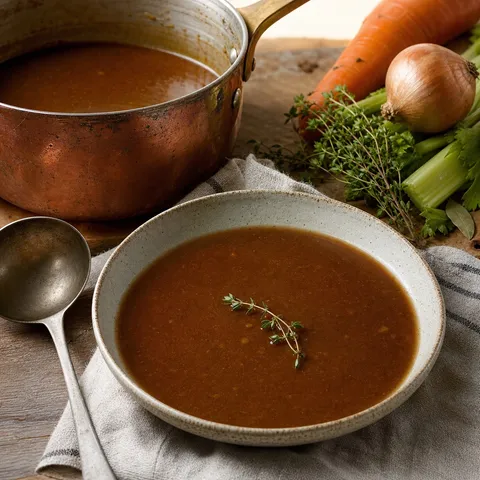
 Espagnole Sauce
A deep brown mother sauce of dark roux, mirepoix, and beef stock that forms the foundation for demi-glace and rich meat sauces.
 Sauces & Dressings Lens Verified Images are for illustrative purposes only, may be inaccurate, and do not guarantee the presence or absence of specific ingredients.
 Hollandaise Sauce
A silky, buttery emulsion brightened with lemon that crowns eggs Benedict, asparagus, and poached fish in golden luxury.
 Sauces & Dressings Lens Verified Images are for illustrative purposes only, may be inaccurate, and do not guarantee the presence or absence of specific ingredients.
 Peanut Satay Sauce
A rich, creamy Southeast Asian dipping sauce of peanut butter, coconut milk, and soy with a sweet-spicy lime finish for grilled skewers.