 Soups & Stews Images are for illustrative purposes only, may be inaccurate, and do not guarantee the presence or absence of specific ingredients.
  Serving Images are for illustrative purposes only, may be inaccurate, and do not guarantee the presence or absence of specific ingredients.
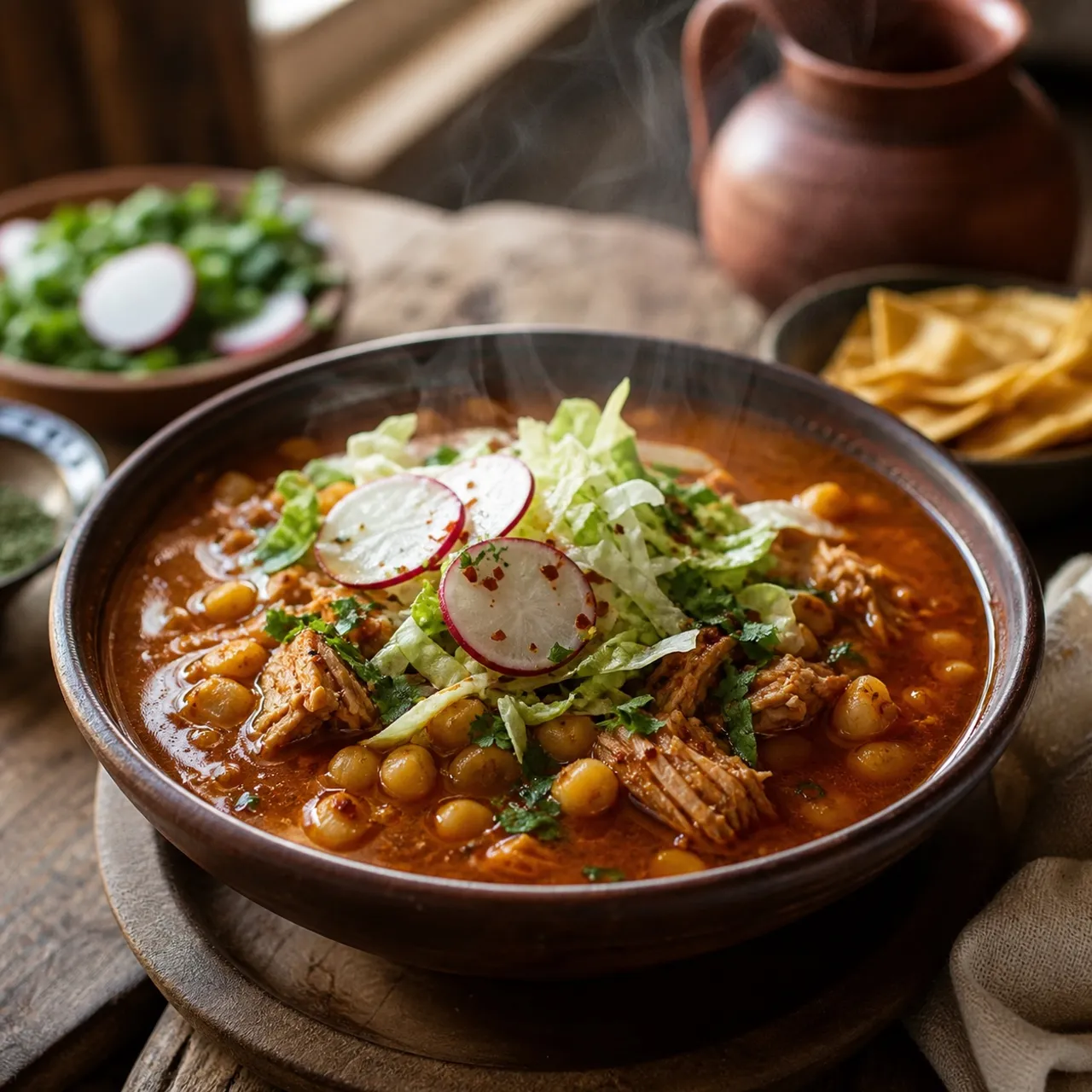
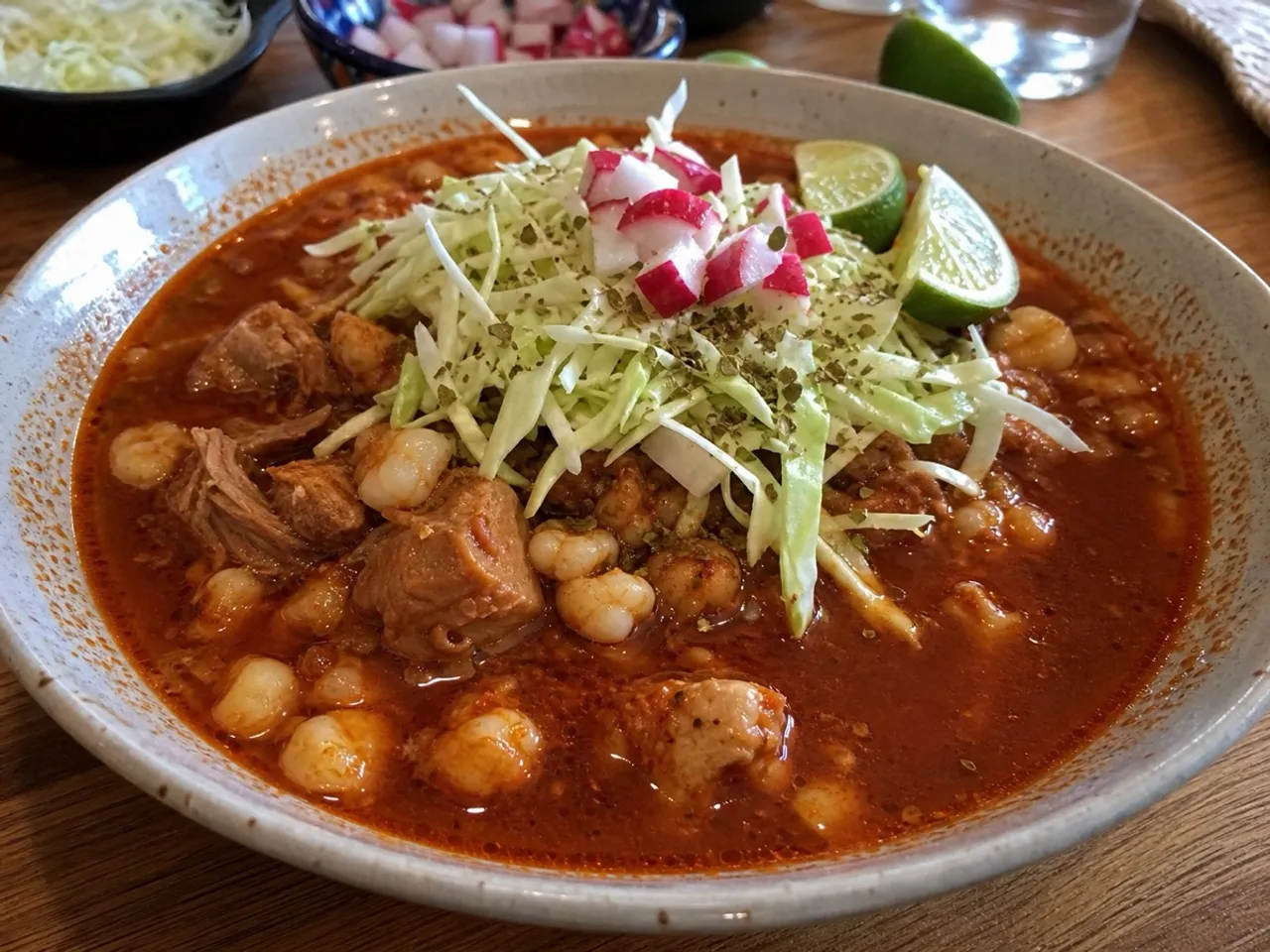
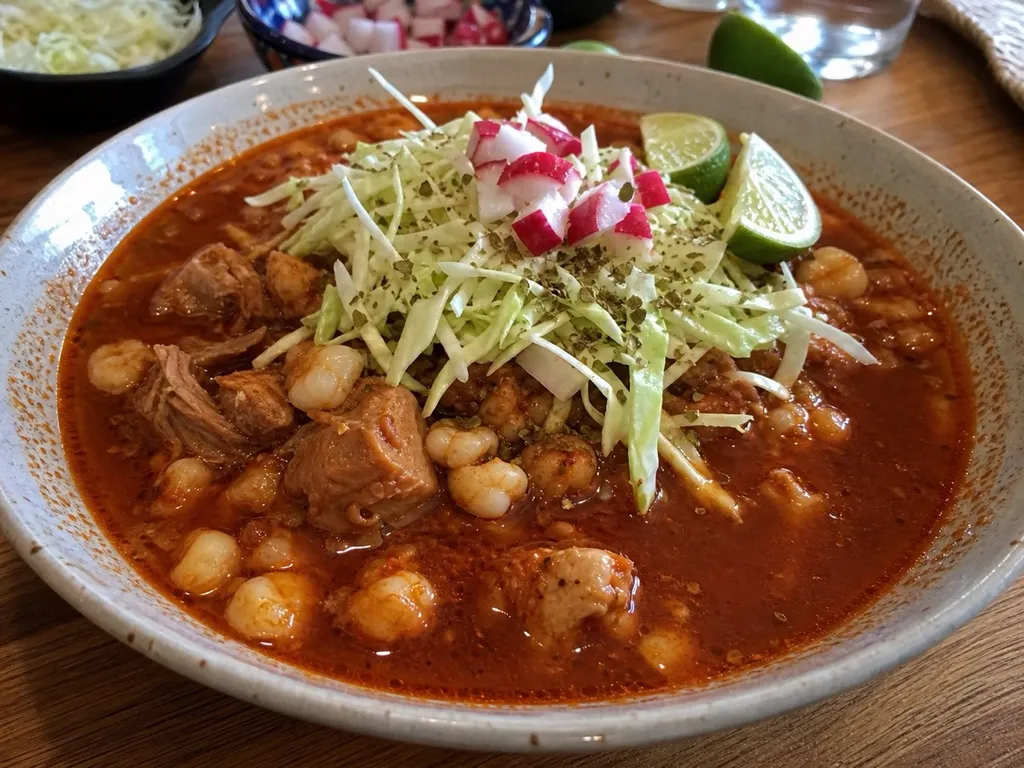
 Posole Rojo
A deeply flavorful Mexican pork and hominy stew in a red chile broth, topped with fresh garnishes.
No common allergens detected
Based on this recipe's ingredient list. Always verify with your own brands and labels.
Good to know
- One-pot
Matched from this dish's own ingredients and timing. Browse more: one-pot dinners
Instructions
6 steps- 1
Place pork in a large pot with chicken broth and onion; bring to a boil, then reduce heat and simmer 1 hour until tender.
- 2
Meanwhile, soak dried guajillo and ancho chiles in hot water 15 minutes until softened, then blend with garlic and a little soaking liquid into a smooth paste.
- 3
Strain the chile paste into the pot with the pork, discarding solids.
- 4
Stir in dried oregano and simmer 30 minutes to let the flavors meld.
- 5
Add hominy and simmer 15 minutes more until heated through.
- 6
Season with salt and pepper and serve topped with shredded cabbage, diced radish, lime wedges, and a sprinkle of oregano.
 Images are for illustrative purposes only, may be inaccurate, and do not guarantee the presence or absence of specific ingredients.
 Listahan Family Score™
65/100
Works for many families
Score reflects how well this recipe fits a typical busy household. In the app, your Family Score is personalized to your household's allergens, kids, and pantry.
Nutrition
per serving415
Calories
46 g
Protein
6 g
Carbs
22 g
Fat
Estimated per serving. Actual values depend on the brands and portions you use.
Listahan cooking guide
Chef notes & practical guide
Technique notes, ingredient swaps, serve-alongside ideas, storage guidance, and equipment for this recipe.
Cultural context
Posole, often spelled pozole in Mexico, is built around nixtamalized corn, a deep-rooted maize preparation that gives hominy its chewy texture and rounded corn flavor. Red versions get their color and body from dried chiles, with the exact chile mix and garnishes changing by region and household. The bowl is finished at the table, so the crisp cabbage, radish, lime, and oregano matter almost as much as the broth.
Listahan note
This version uses pork shoulder, canned white hominy, and a guajillo-ancho chile paste to keep the process manageable for a home kitchen. The main priority is a broth that tastes cooked-in, not just spicy, so the chile paste is strained and simmered with the pork before the hominy goes in.
Technique cues
- Soften the dried chiles fully before blending. If they are still leathery, the paste will be gritty and harder to strain.
- Straining the chile paste is worth the extra minute because guajillo and ancho skins can stay tough even after soaking. Press firmly with a spoon to get the flavor and leave the rough bits behind.
- Add the hominy near the end so it warms through without losing its chew. Long simmering can make the kernels taste flat and overly soft.
Kitchen flow
- Parallel prep
- Start soaking the chiles as soon as the pork comes to a simmer, then prep cabbage, radish, and lime while the chile broth cooks.
- Make-ahead
- Cook the stew through the hominy step, chill it, and keep the garnishes separate so they stay crisp.
- Leftover move
- Use extra pork, hominy, and broth as a quick lunch bowl with fresh lime, shredded cabbage, and crushed tortilla chips on top.
- Cleanup rhythm
- Rinse the blender and strainer right after the chile paste goes into the pot, before the red paste dries onto them.
Ingredient brief
Role, handling, and swap guidance for each key ingredient.
Pork shoulder
Rich stew base
Purpose: Pork shoulder has enough connective tissue and fat to make the broth feel full after a long simmer.
Handling: Cube it into fairly even pieces so the pork becomes tender at the same pace.
Adaptation: Pork country-style ribs can work with similar simmering; lean pork loin will cook faster but gives a thinner broth.
Chicken broth
Cooking liquid
Purpose: It gives the stew a savory base while still letting the pork, chiles, and hominy lead.
Handling: Start with the full amount because the broth reduces as the pork simmers.
Adaptation: Pork broth gives a deeper flavor if you have it, while water makes a lighter pot that may need more seasoning.
Dried guajillo chiles
Red chile backbone
Purpose: Guajillos bring the bright red color and a clean, gently fruity chile flavor.
Handling: Remove stems and seeds before soaking so the puree blends smoother.
Adaptation: Dried New Mexico chiles are a reasonable backup with a slightly earthier, milder profile.
Dried ancho chiles
Depth and sweetness
Purpose: Anchos round out the guajillos with darker raisin-like notes and a softer heat.
Handling: Tear them open to check for hidden seeds before they go into the hot water.
Adaptation: Pasilla chiles can stand in for a darker, more savory broth, though the flavor will be less sweet.
White hominy
Corn body
Purpose: Hominy gives posole its signature chew and makes the soup hearty without turning it heavy.
Handling: Drain it well before adding so the canning liquid does not dull the broth.
Adaptation: Dried prepared hominy gives excellent texture if cooked separately first, but canned hominy is much faster.
Shredded cabbage, diced radish, lime wedges, and dried oregano
Table garnishes
Purpose: The fresh crunch, acidity, and herbal finish balance the rich pork and chile broth.
Handling: Slice the cabbage thinly and keep the lime wedges generous so each bowl can be adjusted at the table.
Adaptation: Thinly sliced onion or chopped cilantro can join the garnish tray if you want a sharper or greener finish.
Technique notes
- Skim the surface during the first pork simmer if the broth looks foamy. A cleaner broth lets the red chile flavor come through more clearly.
- Blend the chiles with just enough soaking liquid to move the blades. A thick paste strains better and will not water down the pot.
- Season after the hominy has simmered, not before. Broth, pork, and hominy all affect the final salt level.
Ingredient swaps
- Weeknight shortcut
- Use smaller pork shoulder cubes and keep the pot at a steady simmer; the stew will come together faster than large chunks.
- Broth adjustment
- Use low-sodium chicken broth if you want more control over the final seasoning, then salt the pot after the hominy is added.
- Chile backup
- Use dried New Mexico chiles in place of guajillos if needed; expect a slightly earthier broth with less bright fruitiness.
- Lean bowl direction
- Trim large surface pieces of fat from the pork shoulder before simmering for a cleaner-tasting broth, while leaving some marbling for body.
Serve alongside
- Warm corn tortillas
- Mexican red rice
- Tostadas with refried beans
- Avocado and orange salad
- Agua de jamaica
- Mexican lager with lime
- Sparkling lime water
Serving suggestions only — check pairings for your household's allergens.
Storage & reheating
- Refrigerate the stew in sealed containers once cooled, keeping cabbage, radish, lime, and oregano separate.
- Reheat gently on the stovetop with a splash of broth or water if the hominy has absorbed too much liquid.
- Freeze the stew without garnishes, then thaw and simmer briefly to bring the broth back together.
Equipment
- Large heavy pot or Dutch oven
- Blender
- Fine-mesh strainer
- Ladle and garnish bowls
Make this household-aware
Listahan Pro checks this recipe against your household's allergens, finds pantry-aware swaps, builds the shopping list, and helps you plan the week around it.
Plan it in Listahan
Add Posole Rojo to your week, check it against your household's allergens, and build the shopping list automatically.
More Soups & Stews recipes
 Soups & Stews Lens Verified Images are for illustrative purposes only, may be inaccurate, and do not guarantee the presence or absence of specific ingredients.
 Broccoli Cheddar Soup
A creamy, cheesy soup packed with tender broccoli florets and shredded carrot in a smooth cheddar base.
 Soups & Stews Lens Verified Images are for illustrative purposes only, may be inaccurate, and do not guarantee the presence or absence of specific ingredients.
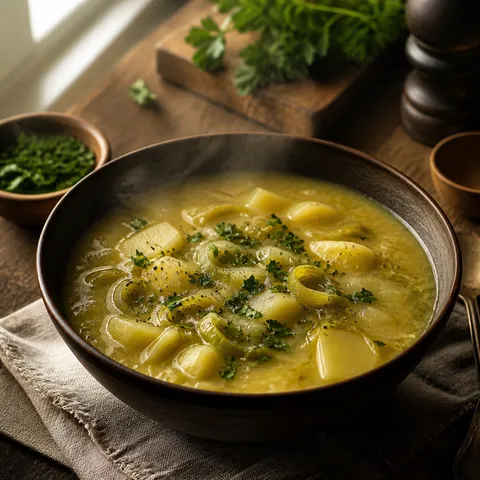
 Potato Leek Soup
A silky, buttery blended soup of leeks and potatoes finished with cream.
 Soups & Stews Lens Verified Images are for illustrative purposes only, may be inaccurate, and do not guarantee the presence or absence of specific ingredients.
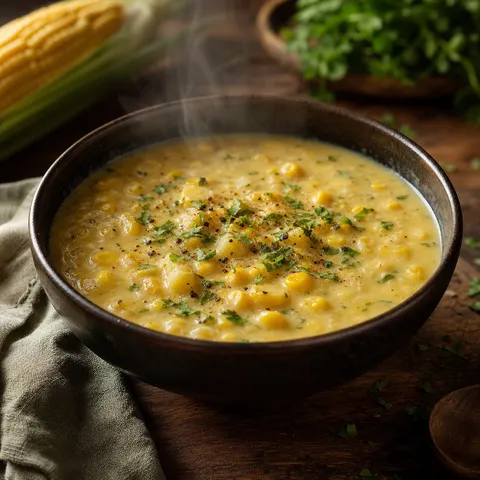
 Corn Chowder
A creamy, comforting chowder bursting with sweet corn, potatoes, and smoky paprika.