 Vegan Images are for illustrative purposes only, may be inaccurate, and do not guarantee the presence or absence of specific ingredients.
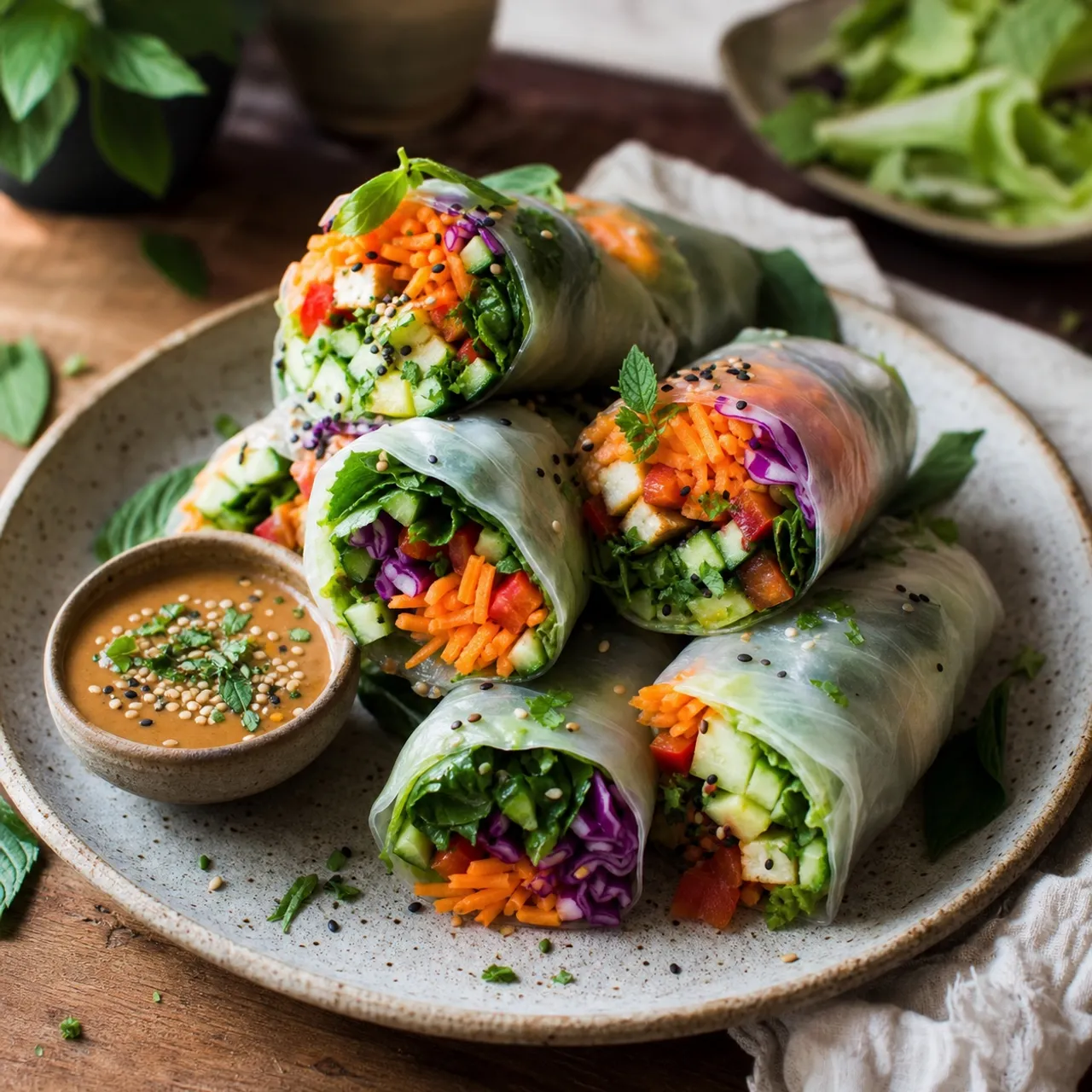
 Vegan Spring Rolls
Fresh rice paper rolls packed with crisp vegetables, rice noodles, and herbs, served with a savory peanut dipping sauce.
Contains common allergens
In the app, Listahan checks these against your household automatically.
Instructions
5 steps- 1
Soak the rice vermicelli in hot water for 5 minutes until tender, then drain, rinse under cold water, and set aside to keep the strands from clumping.
- 2
Whisk the peanut butter, soy sauce, and 3 to 4 tbsp warm water together until smooth and pourable to make the dipping sauce, adding more water as needed.
- 3
Fill a wide shallow dish with warm water, dip one rice paper wrapper for about 10 seconds until pliable, and lay it flat on a clean damp surface.
- 4
Place a small mound of noodles, carrots, cucumber, and herbs in the lower third of the wrapper, fold the bottom edge up over the filling, fold in the sides, then roll tightly into a snug cylinder.
- 5
Repeat with the remaining wrappers, keeping the finished rolls covered with a damp towel, and serve fresh alongside the peanut dipping sauce.
Listahan Family Score™
74/100
Good fit for most families
Score reflects how well this recipe fits a typical busy household. In the app, your Family Score is personalized to your household's allergens, kids, and pantry.
Nutrition
per serving510
Calories
20 g
Protein
61 g
Carbs
23 g
Fat
Estimated per serving. Actual values depend on the brands and portions you use.
Listahan cooking guide
Chef notes & practical guide
Technique notes, ingredient swaps, serve-alongside ideas, storage guidance, and equipment for this recipe.
Cultural context
Fresh rice paper rolls are closely associated with Vietnamese goi cuon, where soft wrappers hold noodles, herbs, vegetables, and often a protein. In North America, "spring rolls" can mean either fried rolls or these fresh, translucent rolls, so the texture expectation matters: this version is cool, chewy, crisp, and dipped rather than cooked after rolling.
Listahan note
This version keeps the filling simple and focuses on the details that make fresh rolls pleasant to eat: noodles that do not clump, vegetables cut thinly, herbs placed where they can be tasted, and a peanut sauce loose enough for dipping.
Technique cues
- Rice paper keeps softening after it leaves the water, so dip it only until flexible, not floppy. A wrapper that feels slightly firm on the counter is easier to roll neatly.
- Keep the filling modest. Overstuffed rolls look generous at first but split more easily and are harder to dip.
- Rinsing the vermicelli under cold water stops carryover softening and keeps the rolls cool and clean-tasting.
Kitchen flow
- Parallel prep
- Soak the noodles first, then cut the carrots, cucumber, and herbs while they soften and cool.
- Make-ahead
- Prep the noodles, vegetables, herbs, and sauce a few hours ahead, then roll close to serving so the wrappers stay supple.
- Leftover move
- Slice extra rolls into bite-size pieces and toss them with the peanut sauce as a cold noodle-style bowl.
- Cleanup rhythm
- Use one damp cutting board or clean towel as the rolling station, then wipe it down before the starch from the wrappers dries.
Ingredient brief
Role, handling, and swap guidance for each key ingredient.
Round rice paper wrappers
Wrapper and structure
Purpose: They soften into a chewy, translucent sheet that holds the vegetables, noodles, and herbs without frying.
Handling: Dip each wrapper briefly in warm water, then lay it on a damp surface before filling.
Adaptation: Square rice paper wrappers can work, but the corners make a slightly less even roll.
Thin rice vermicelli noodles
Soft filling base
Purpose: The noodles add body and help the crisp vegetables feel like a complete bite instead of a salad bundle.
Handling: Soak until tender, drain well, and rinse cold so the strands stay separate.
Adaptation: Very thin glass noodles give a bouncier texture, while cooked rice makes the rolls heavier and less delicate.
Julienned carrots
Crunch and sweetness
Purpose: Carrots bring color, snap, and a mild sweetness that balances the salty peanut sauce.
Handling: Cut them into thin matchsticks so they bend with the wrapper instead of poking through it.
Adaptation: Shredded carrots are faster, but squeeze out excess moisture if they seem wet.
Julienned cucumber
Cool crispness
Purpose: Cucumber lightens the roll and keeps each bite refreshing against the rich sauce.
Handling: Use firm strips and pat them dry if the cucumber is watery.
Adaptation: Bell pepper strips give more crunch and sweetness, though the roll will taste less cool.
Fresh mint and cilantro leaves
Herbal lift
Purpose: The herbs are what make the rolls taste fresh rather than just crunchy and starchy.
Handling: Keep leaves whole or roughly torn so their flavor lands in distinct bites.
Adaptation: Thai basil can replace part of the herbs for a more anise-like aroma.
Creamy peanut butter
Dipping sauce body
Purpose: Peanut butter thickens the sauce and gives it a rich, savory base that clings to the rolls.
Handling: Whisk with warm water gradually so it loosens smoothly instead of seizing into lumps.
Adaptation: Sunflower seed butter makes a deeper, slightly earthier sauce; thin it the same way.
Technique notes
- Place the herbs against the wrapper before adding noodles if you want them visible through the rice paper.
- Keep finished rolls under a damp towel, but do not stack them tightly; rice paper sticks to itself once it sits.
- If the peanut sauce thickens while you roll, whisk in warm water one teaspoon at a time until it dips cleanly.
Ingredient swaps
- Gluten-free direction
- Use tamari labeled gluten-free in place of soy sauce if that is the version your household cooks with; it keeps the sauce savory with a slightly different finish.
- Peanut sauce alternative
- Use sunflower seed butter instead of creamy peanut butter for a thicker, toastier-tasting dip that may need extra warm water.
- Herb variation
- Swap some of the mint and cilantro for Thai basil when you want a more aromatic, restaurant-style note.
- Weeknight shortcut
- Use pre-shredded carrots and thin-cut cucumber spears, but keep the herbs fresh because they carry much of the flavor.
Serve alongside
- Mango cabbage slaw
- Ginger edamame
- Coconut rice
- Lemongrass tofu skewers
- Iced jasmine tea
- Lime sparkling water
- Cold ginger lemonade
Serving suggestions only — check pairings for your household's allergens.
Storage & reheating
- Refrigerate finished rolls in a single layer under a damp paper towel in a sealed container and eat them within 1 day for the best wrapper texture.
- Do not reheat the rolls; serve them chilled or let them sit briefly at room temperature so the rice paper relaxes.
- Freezing is not a good fit because thawed rice paper turns brittle and wet, but the peanut sauce can be chilled separately and whisked smooth again with warm water.
Equipment
- Wide shallow dish for softening wrappers
- Clean damp cutting board or towel for rolling
- Sharp knife for julienning vegetables
- Small whisk and bowl for peanut sauce
Make this household-aware
Listahan Pro checks this recipe against your household's allergens, finds pantry-aware swaps, builds the shopping list, and helps you plan the week around it.
Plan it in Listahan
Add Vegan Spring Rolls to your week, check it against your household's allergens, and build the shopping list automatically.
More Vegan recipes
 Vegan Lens Verified Images are for illustrative purposes only, may be inaccurate, and do not guarantee the presence or absence of specific ingredients.
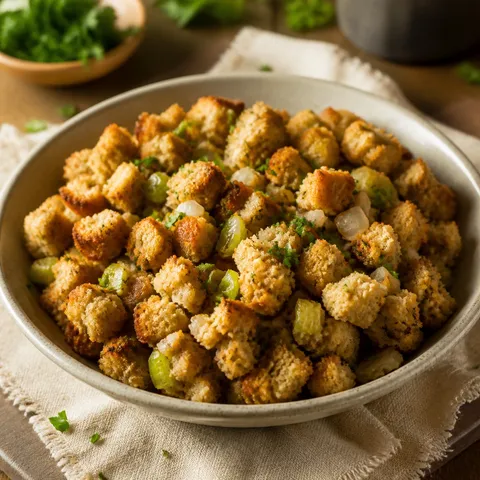
 Vegan Stuffing
A classic holiday side dish made with vegetable broth and herbs.
 Vegan Lens Verified Images are for illustrative purposes only, may be inaccurate, and do not guarantee the presence or absence of specific ingredients.
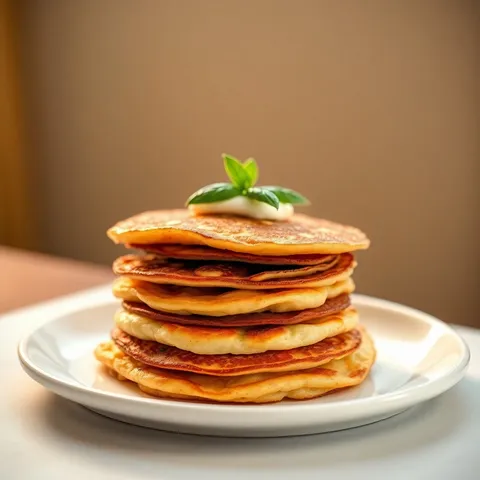
 Vegan Pancakes
Wake up to these incredibly fluffy and golden vegan pancakes, kissed with vanilla and ready to soak up your favorite maple syrup. A perfect weekend breakfast treat made entirely from plant-based ingredients!
 Vegan Lens Verified Images are for illustrative purposes only, may be inaccurate, and do not guarantee the presence or absence of specific ingredients.
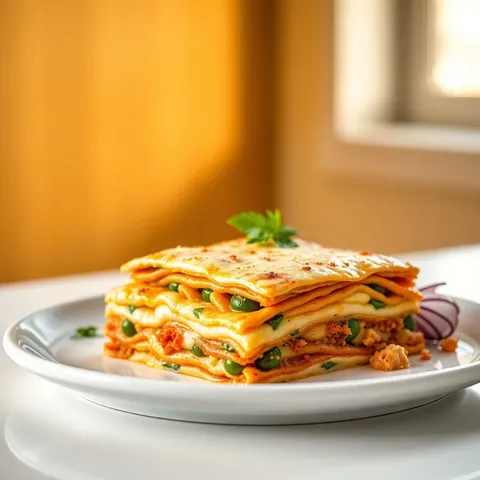
 Vegan Lasagna
Indulge in generous layers of tender pasta, robust marinara, and a remarkably creamy tofu ricotta. This show-stopping baked lasagna is the ultimate crowd-pleasing centerpiece!