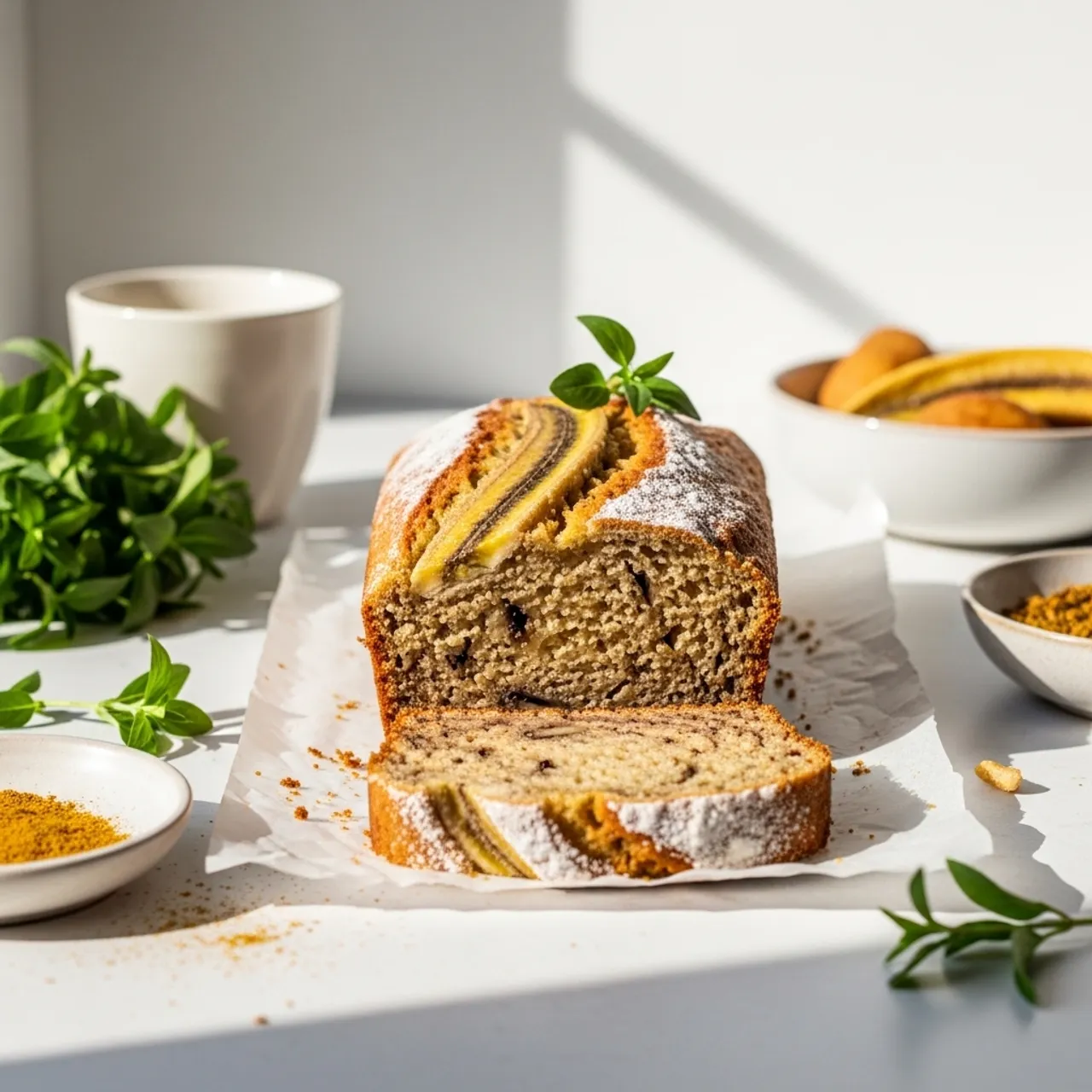
 Bakery Images are for illustrative purposes only, may be inaccurate, and do not guarantee the presence or absence of specific ingredients.
 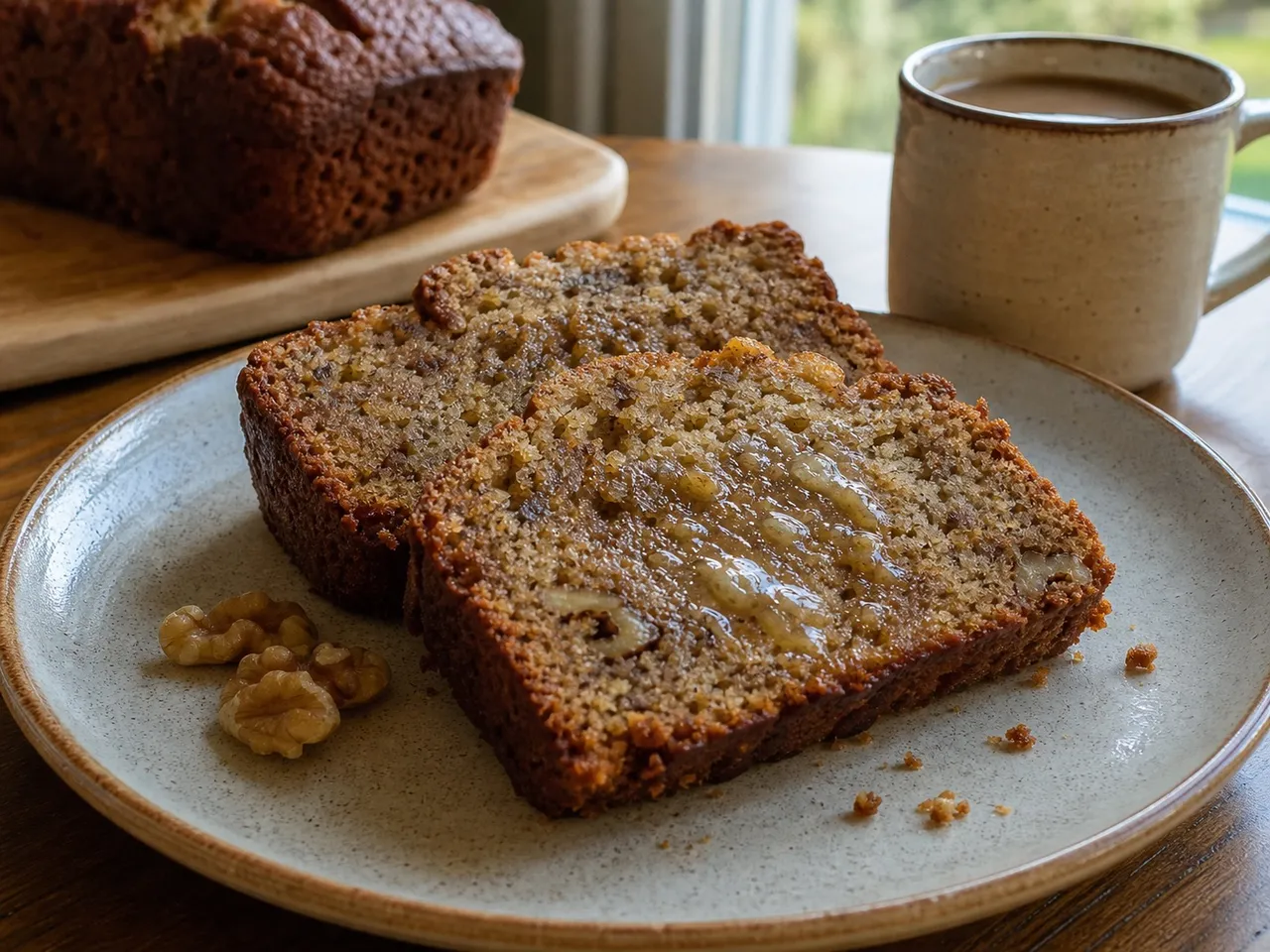 Serving Images are for illustrative purposes only, may be inaccurate, and do not guarantee the presence or absence of specific ingredients.
 Banana Bread
Savor the comforting aroma of this exceptionally moist and tender banana bread, packed with the natural sweetness of caramelized overripe bananas and a hint of rich vanilla.
Contains common allergens
In the app, Listahan checks these against your household automatically.
Instructions
6 steps- 1
Preheat the oven to 350°F (175°C). Grease a standard 9x5-inch loaf pan with butter or non-stick cooking spray.
- 2
In a large mixing bowl, use a fork to mash the overripe bananas until completely smooth with no large lumps remaining.
- 3
Stir the melted butter into the mashed bananas until incorporated. Then, vigorously mix in the granulated sugar, beaten egg, and vanilla extract until the mixture is uniform.
- 4
Sprinkle the baking soda and salt over the wet mixture and stir to combine.
- 5
Gently fold in the all-purpose flour using a spatula. Mix only until the flour disappears into the batter; do not overmix, or the bread will become tough.
- 6
Pour the batter into the prepared loaf pan. Bake for 55-65 minutes, or until a toothpick inserted into the center comes out clean. Let the bread cool in the pan for 10 minutes before turning it out onto a wire rack to cool completely.
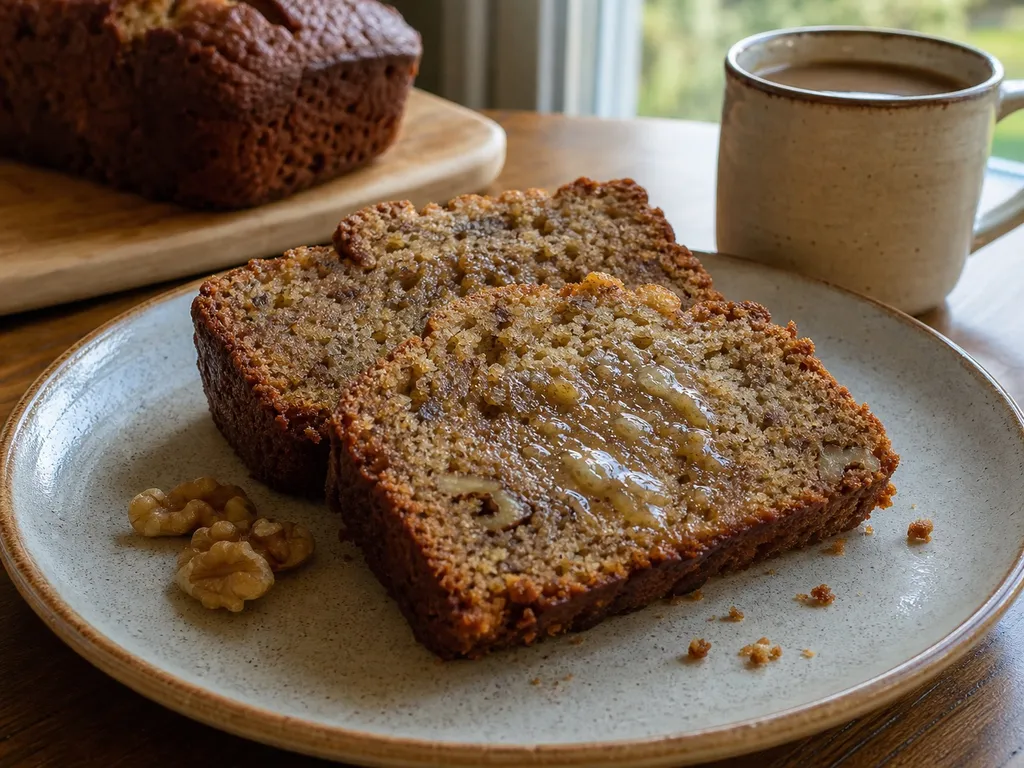 Images are for illustrative purposes only, may be inaccurate, and do not guarantee the presence or absence of specific ingredients.
 Listahan Family Score™
75/100
Good fit for most families
Score reflects how well this recipe fits a typical busy household. In the app, your Family Score is personalized to your household's allergens, kids, and pantry.
Nutrition
per serving275
Calories
4 g
Protein
47 g
Carbs
9 g
Fat
Estimated per serving. Actual values depend on the brands and portions you use.
Listahan cooking guide
Chef notes & practical guide
Technique notes, ingredient swaps, serve-alongside ideas, storage guidance, and equipment for this recipe.
Cultural context
Banana bread emerged in American cookbooks in the 1930s, coinciding with the wide commercial availability of baking powder and the Great Depression-era frugality that made throwing away over-ripe bananas unthinkable. The first published recipes appeared in Pillsbury and Gold Medal flour promotional booklets around 1933, framing the loaf as a thrifty use of bruised fruit. The recipe spread rapidly because it was forgiving, required no special equipment, and used pantry staples. Over-ripe, black-skinned bananas became the correct ingredient rather than a problem to solve.
Listahan note
This version maximizes banana flavor by roasting the bananas in their skins at 300 F for 20 minutes before mashing, which concentrates sugars and eliminates moisture without losing any of the aromatic compounds that evaporate during stovetop cooking.
Technique cues
- Use bananas that are fully black-skinned rather than merely spotted -- the starch in the fruit has converted almost entirely to sugar at this stage, and the flavor is three to four times more intense than a yellow banana.
- Melt the butter and let it cool before mixing; warm butter can begin to cook the egg and also produces a slightly oilier crumb than butter that has cooled to room temperature.
- Mix the batter just enough to combine -- the texture should still show a few minor streaks; this is a quick bread and gluten development will tighten the crumb and make it gummy rather than tender.
Kitchen flow
- Parallel prep
- If roasting the bananas, put them in the oven before measuring the other ingredients; they take 20 minutes and can cool while you assemble everything else.
- Make-ahead
- Banana bread tastes better the next day as the crumb firms slightly and the flavor deepens; bake the night before and slice in the morning.
- Leftover move
- Slice day-old banana bread and pan-toast in butter until golden for a caramelized version that works as a dessert topped with a scoop of vanilla ice cream.
- Cleanup rhythm
- Line the loaf pan with parchment leaving overhang on two sides for easy lifting; this eliminates the need to grease and scrub the pan afterward.
Ingredient brief
Role, handling, and swap guidance for each key ingredient.
very ripe bananas
primary flavor, sweetener, and moisture
Purpose: Over-ripe bananas provide nearly all the sweetness, moisture, and banana flavor in the loaf; under-ripe bananas produce a bland, starchy result regardless of how much sugar you add.
Handling: Mash thoroughly with a fork until completely smooth; lumps of unmashed banana create pockets of excess moisture that can make the bread gummy in those spots.
Adaptation: No true substitute for banana flavor; mashed very ripe mango or plantain can work in a modified recipe but changes the character of the bread significantly.
unsalted butter
fat and flavor
Purpose: Butter provides richness and a flavor backbone that oil cannot replicate in banana bread; the dairy notes complement the fruit without competing with it.
Handling: Melt and cool to room temperature so it blends smoothly into the mashed banana without curdling or scrambling the egg.
Adaptation: Neutral oil produces a moister, longer-lasting loaf that stays soft for an extra day at room temperature; use 3 tablespoons of oil per 4 tablespoons of butter.
all-purpose flour
structure
Purpose: Provides the gluten framework that holds the moist banana mixture together during baking without adding the chewiness of bread flour.
Handling: Spoon and level to measure accurately; packing flour into the measuring cup is the most common reason banana bread turns out dense.
Adaptation: White whole wheat flour can replace up to half the all-purpose flour for more fiber and a slightly heartier crumb without noticeably affecting the texture.
baking soda
leavener
Purpose: Baking soda reacts with the natural acids in the bananas to produce carbon dioxide lift, which is why banana bread needs soda rather than baking powder.
Handling: Whisk baking soda into the flour before adding wet ingredients to ensure even distribution throughout the batter.
Adaptation: Do not substitute baking powder at a 1:1 ratio; if necessary, use 3 teaspoons of baking powder but expect a different texture and milder lift.
egg
binder and structure
Purpose: The egg proteins set during baking and hold the loaf together so it slices cleanly rather than crumbling.
Handling: Beat lightly before adding to the banana mixture so it distributes evenly throughout the batter.
Adaptation: One flax egg (1 tablespoon ground flaxseed plus 3 tablespoons water, rested 5 minutes) works well for a vegan version and produces a slightly denser but still moist loaf.
Technique notes
- A wooden skewer test is more reliable than a toothpick for a dense, moist loaf like banana bread: insert it into the very center -- it should come out with a few moist crumbs but no wet batter.
- Adding walnuts or chocolate chips to only the top half of the batter before baking gives every slice a loaded top and a clean bottom, making the bread easier to remove from the pan cleanly.
- Tent the loaf with foil after 35 minutes if it is browning faster than it is setting in the center; this lets the interior cook fully without overbrowning the crust.
Ingredient swaps
- Gluten-free direction
- A 1:1 gluten-free baking blend substitutes well; banana bread's naturally moist, dense crumb means the texture difference is less noticeable than in other baked goods.
- Dairy-free option
- Replace butter with refined coconut oil or vegan butter at equal volume; oat milk can replace any milk or yogurt in the recipe at a 1:1 ratio.
- Lower-sugar direction
- Omit all added sugar when using very ripe, black-skinned bananas -- they contain enough natural sugar to produce a lightly sweet, naturally flavored loaf that most people enjoy.
- Vegan direction
- Use a flax egg, vegan butter, and oat milk; the result is moist, flavorful, and nearly identical to the original with no discernible difference in texture.
Serve alongside
- Cream cheese softened with honey
- Thick-cut bacon
- Fresh strawberries
- Cafe latte
- Cold oat milk
- Decaf black tea with honey
Serving suggestions only — check pairings for your household's allergens.
Storage & reheating
- Store cooled banana bread wrapped in plastic at room temperature for up to 3 days; the crumb stays moist and actually improves on day 2. Refrigerate for up to 1 week or freeze individual slices in zip bags for up to 3 months.
Equipment
- 9x5 inch loaf pan
- Parchment paper with overhang
- Fork or potato masher for bananas
- Wooden skewer for doneness test
Make this household-aware
Listahan Pro checks this recipe against your household's allergens, finds pantry-aware swaps, builds the shopping list, and helps you plan the week around it.
Plan it in Listahan
Add Banana Bread to your week, check it against your household's allergens, and build the shopping list automatically.
More Bakery recipes
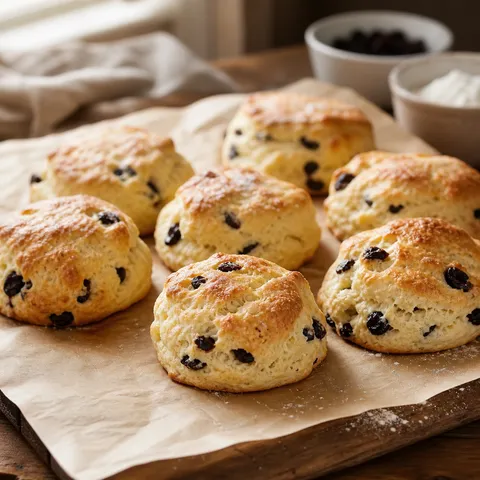 Bakery Lens Verified Images are for illustrative purposes only, may be inaccurate, and do not guarantee the presence or absence of specific ingredients.
 Scones
Flaky and buttery British baked goods, often with currants or berries.
 Bakery Lens Verified Images are for illustrative purposes only, may be inaccurate, and do not guarantee the presence or absence of specific ingredients.
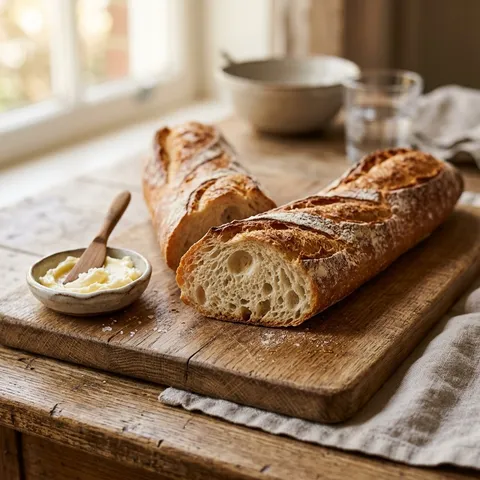
 French Baguette
Savor the authentic crunch of this rustic French baguette, featuring a beautifully crackling golden crust and a soft, airy, and utterly irresistible crumb.
 Bakery Lens Verified Images are for illustrative purposes only, may be inaccurate, and do not guarantee the presence or absence of specific ingredients.
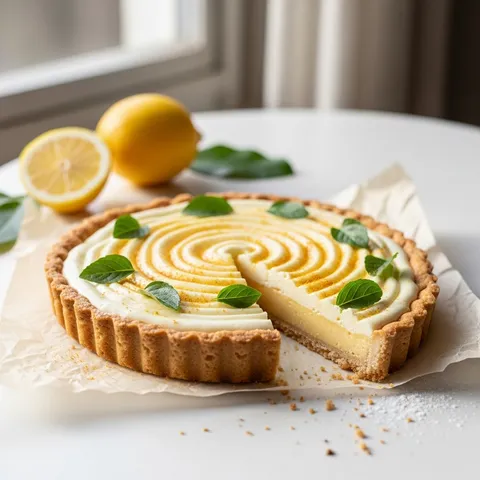
 Lemon Tart
Brighten your dessert spread with this elegant lemon tart, perfectly balancing a brilliantly zesty, silky-smooth lemon curd inside a crisp and buttery sweet pastry shell.