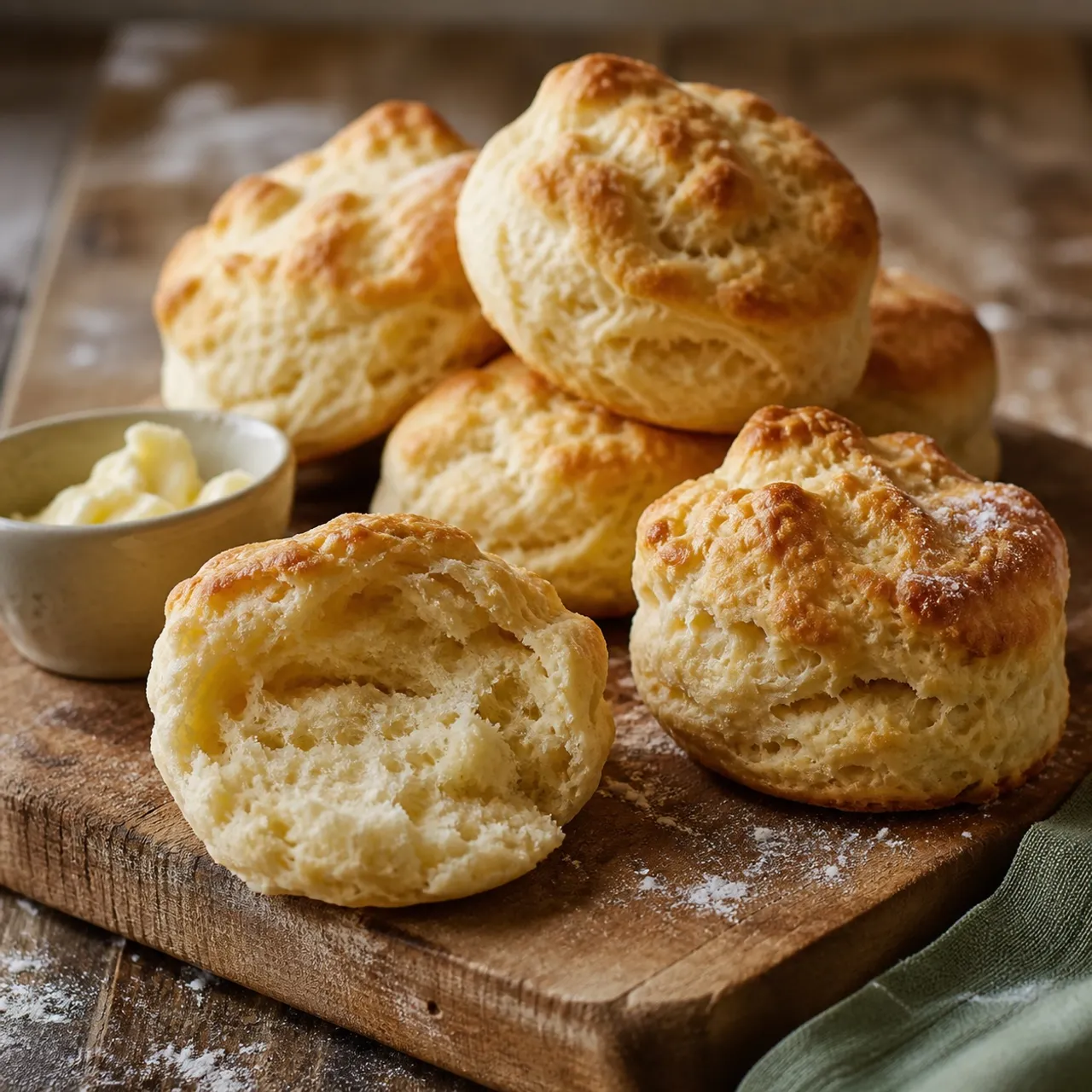
 Breads Images are for illustrative purposes only, may be inaccurate, and do not guarantee the presence or absence of specific ingredients.
 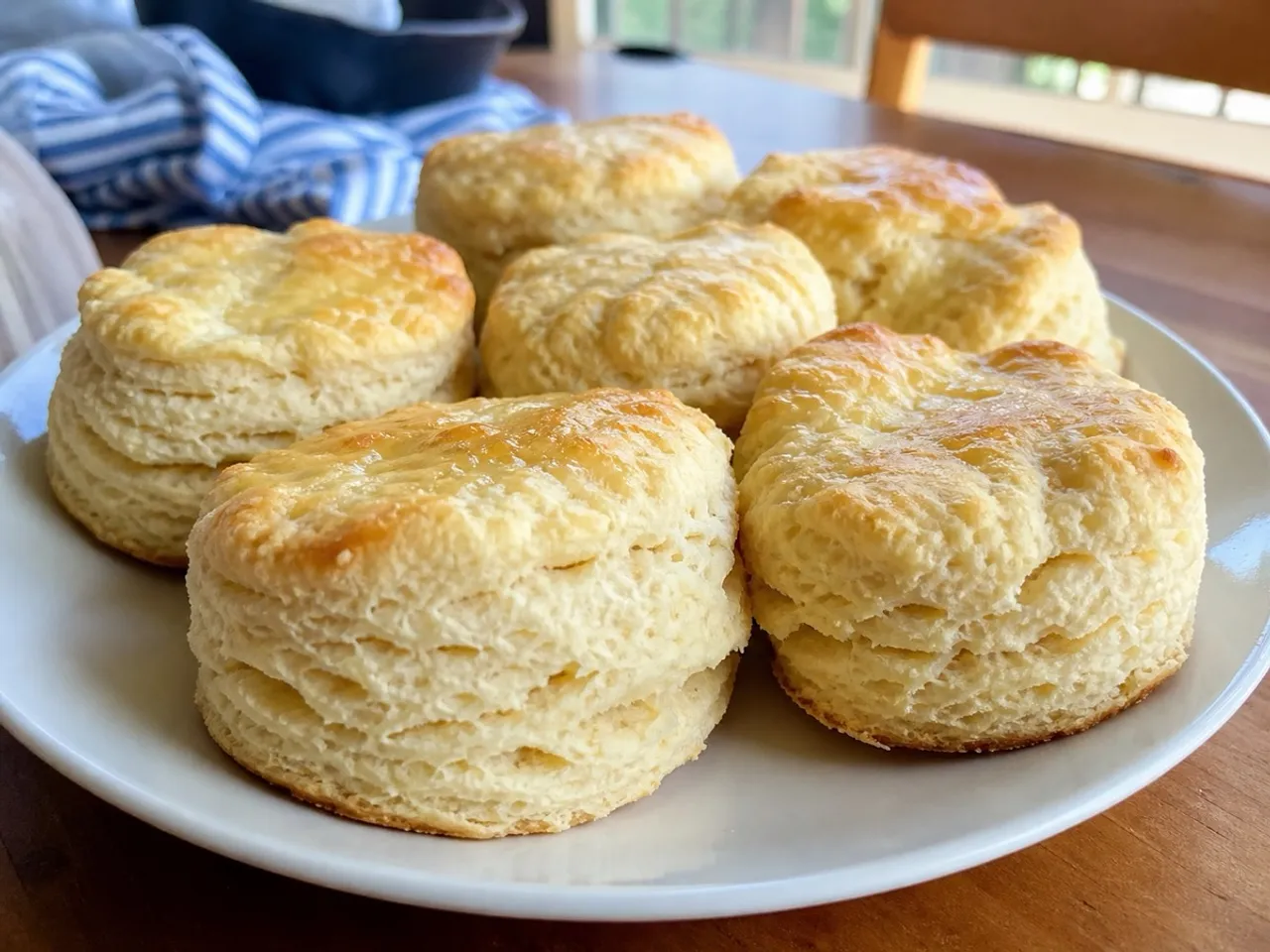 Serving Images are for illustrative purposes only, may be inaccurate, and do not guarantee the presence or absence of specific ingredients.
 Flaky Buttermilk Biscuits
Tall, flaky Southern-style biscuits with buttery layers, made from cold butter cut into buttermilk dough.
Contains common allergens
In the app, Listahan checks these against your household automatically.
Instructions
8 steps- 1
Preheat oven to 425°F (220°C) and line a baking sheet with parchment.
- 2
Whisk flour, baking powder, baking soda, salt, and sugar in a large bowl.
- 3
Cut cold butter into the flour with a pastry cutter or fingers until pea-sized crumbs form.
- 4
Pour in buttermilk and stir just until a shaggy dough comes together.
- 5
Turn dough onto a floured surface, pat into a rectangle, and fold in thirds like a letter; repeat once more for flaky layers.
- 6
Pat dough to 1-inch thickness and cut rounds with a floured biscuit cutter, pressing straight down without twisting.
- 7
Place biscuits close together on the baking sheet, touching for taller rise; brush tops with melted butter.
- 8
Bake 15-18 minutes until golden brown on top.
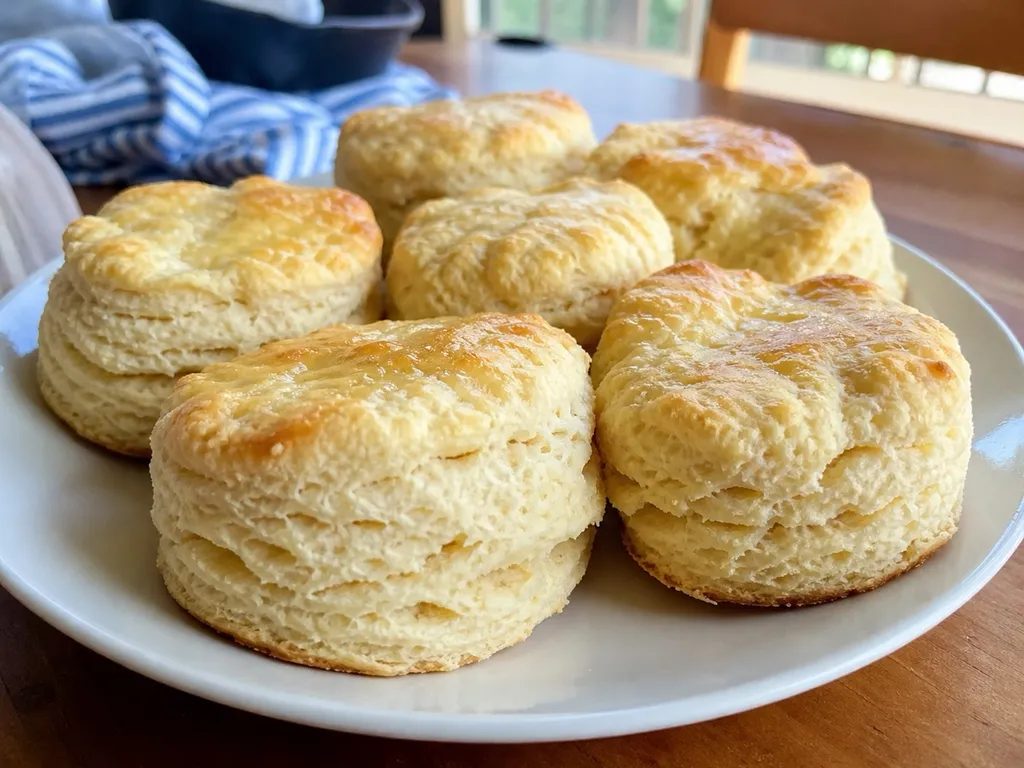 Images are for illustrative purposes only, may be inaccurate, and do not guarantee the presence or absence of specific ingredients.
 Listahan Family Score™
67/100
Works for many families
Score reflects how well this recipe fits a typical busy household. In the app, your Family Score is personalized to your household's allergens, kids, and pantry.
Nutrition
per serving335
Calories
5 g
Protein
32 g
Carbs
21 g
Fat
Estimated per serving. Actual values depend on the brands and portions you use.
Listahan cooking guide
Chef notes & practical guide
Technique notes, ingredient swaps, serve-alongside ideas, storage guidance, and equipment for this recipe.
Cultural context
Buttermilk biscuits are closely tied to Southern home cooking, where soft wheat flour, cultured milk, and quick chemical leaveners made tender breads possible without yeast. The tall, layered style is a later refinement: cold fat, light handling, and folding give a biscuit that splits open cleanly for butter, gravy, ham, or jam.
Listahan note
This version keeps the formula straightforward and puts the work into temperature and handling. Cold butter, cold buttermilk, two simple folds, and straight-down cutting are what make the biscuits rise tall instead of baking up dense.
Technique cues
- Keep the butter cold enough that you can still see small pieces in the dough. Those pieces melt in the oven and help push the layers apart.
- Stir only until the dough looks shaggy, not smooth. A perfectly mixed dough usually means the biscuits will be tougher.
- Place the rounds close together on the baking sheet if you want height. The sides support each other as they rise.
Kitchen flow
- Parallel prep
- Heat the oven first, then mix the dry ingredients while the butter and buttermilk stay cold in the fridge.
- Make-ahead
- Cut the biscuits, place them on the lined baking sheet, and chill briefly before baking if the kitchen is warm.
- Leftover move
- Split leftover biscuits and toast them cut-side down, then use them for egg sandwiches or shortcakes.
- Cleanup rhythm
- Scrape dough bits from the counter before they dry, then wash the bowl and cutter while the biscuits bake.
Ingredient brief
Role, handling, and swap guidance for each key ingredient.
All-purpose flour
Dough structure
Purpose: It gives enough strength for tall biscuits while staying tender when handled lightly.
Handling: Measure by weight if possible, then keep extra flour nearby for the counter and cutter.
Adaptation: A lower-protein flour makes a softer biscuit; bread flour makes a chewier one.
Baking powder
Primary lift
Purpose: It provides most of the rise, which matters because the biscuits go straight from mixing to baking.
Handling: Whisk it thoroughly into the flour so one biscuit does not get more lift than another.
Adaptation: Use fresh baking powder; old baking powder can leave biscuits flat even when the technique is right.
Baking soda
Buttermilk partner
Purpose: It works with the acidity in the buttermilk and helps the biscuits brown.
Handling: Mix it evenly with the dry ingredients before adding any liquid.
Adaptation: If using sweet milk instead of buttermilk, the dough will need a different leavening balance and the flavor will be less tangy.
Cold unsalted butter, cubed
Flaky fat
Purpose: Cold butter creates distinct layers and adds richness without making the crumb greasy.
Handling: Cube it, chill it, and stop cutting it in when the pieces are mostly pea-sized with a few flatter flakes.
Adaptation: Salted butter works, but reduce the added salt slightly to keep the biscuit balanced.
Cold buttermilk
Moisture and tang
Purpose: It hydrates the flour, brings a gentle tang, and helps the baking soda do its job.
Handling: Pour it in cold and mix with a light hand just until no large dry patches remain.
Adaptation: Plain yogurt thinned with milk gives a similar tang and thickness, though the dough may feel slightly heavier.
Melted butter, for brushing
Golden finish
Purpose: It helps the tops brown and gives the first bite a soft buttery surface.
Handling: Brush only the tops, not the cut sides, so the edges can lift cleanly.
Adaptation: Cream brushed on top gives a softer, pale-golden finish instead of a buttery one.
Technique notes
- Press the cutter straight down and lift straight up. Twisting seals the edges and can make the biscuits lean or rise less.
- Pat the dough instead of rolling hard. A rolling pin can compress the layers if you lean on it.
- Look for golden tops and set sides, not a dark crust. Biscuits keep firming for a few minutes after they leave the oven.
Ingredient swaps
- Plant-based butter path
- Use a firm plant-based butter stick and keep it very cold; softer spreads can melt into the flour before baking.
- Buttermilk backup
- Use milk mixed with a little lemon juice or vinegar, then let it stand until slightly thickened; the flavor will be milder than cultured buttermilk.
- Square-cut shortcut
- Pat the dough into a rectangle and cut squares with a knife or bench scraper to avoid rerolling scraps.
Serve alongside
- Sausage gravy
- Scrambled eggs with chives
- Country ham
- Strawberry spoon jam
- Hot coffee
- Black tea with milk
- Cold apple cider
Serving suggestions only — check pairings for your household's allergens.
Storage & reheating
- Store cooled biscuits in a sealed container in the refrigerator for up to 4 days.
- Reheat in a 300 F oven until warmed through, or split and toast for crisper edges.
- Freeze baked biscuits in a sealed bag for up to 2 months; thaw at room temperature and rewarm in the oven.
Equipment
- Large mixing bowl
- Pastry cutter
- Bench scraper
- Biscuit cutter
Make this household-aware
Listahan Pro checks this recipe against your household's allergens, finds pantry-aware swaps, builds the shopping list, and helps you plan the week around it.
Plan it in Listahan
Add Flaky Buttermilk Biscuits to your week, check it against your household's allergens, and build the shopping list automatically.
More Breads recipes
Rice Crust for Quiches or Pies
A simple pressed crust made from cooked rice that holds savory quiche and pie fillings beautifully.
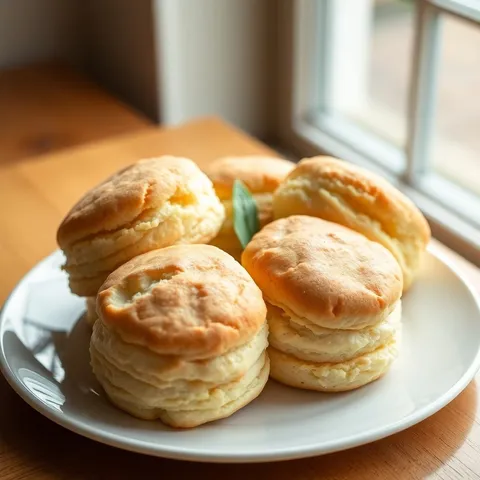 Breads Lens Verified Images are for illustrative purposes only, may be inaccurate, and do not guarantee the presence or absence of specific ingredients.
 Kentucky Biscuits
Tall, flaky Southern-style biscuits with a tender crumb, perfect with butter and jam.
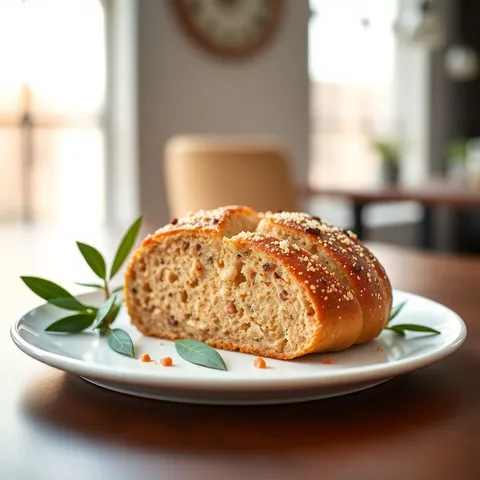 Breads Lens Verified Images are for illustrative purposes only, may be inaccurate, and do not guarantee the presence or absence of specific ingredients.
 Bread Machine Sage-Wheat Bread
A fragrant whole-wheat loaf scented with sage and a hint of cornmeal, made effortlessly in a bread machine.