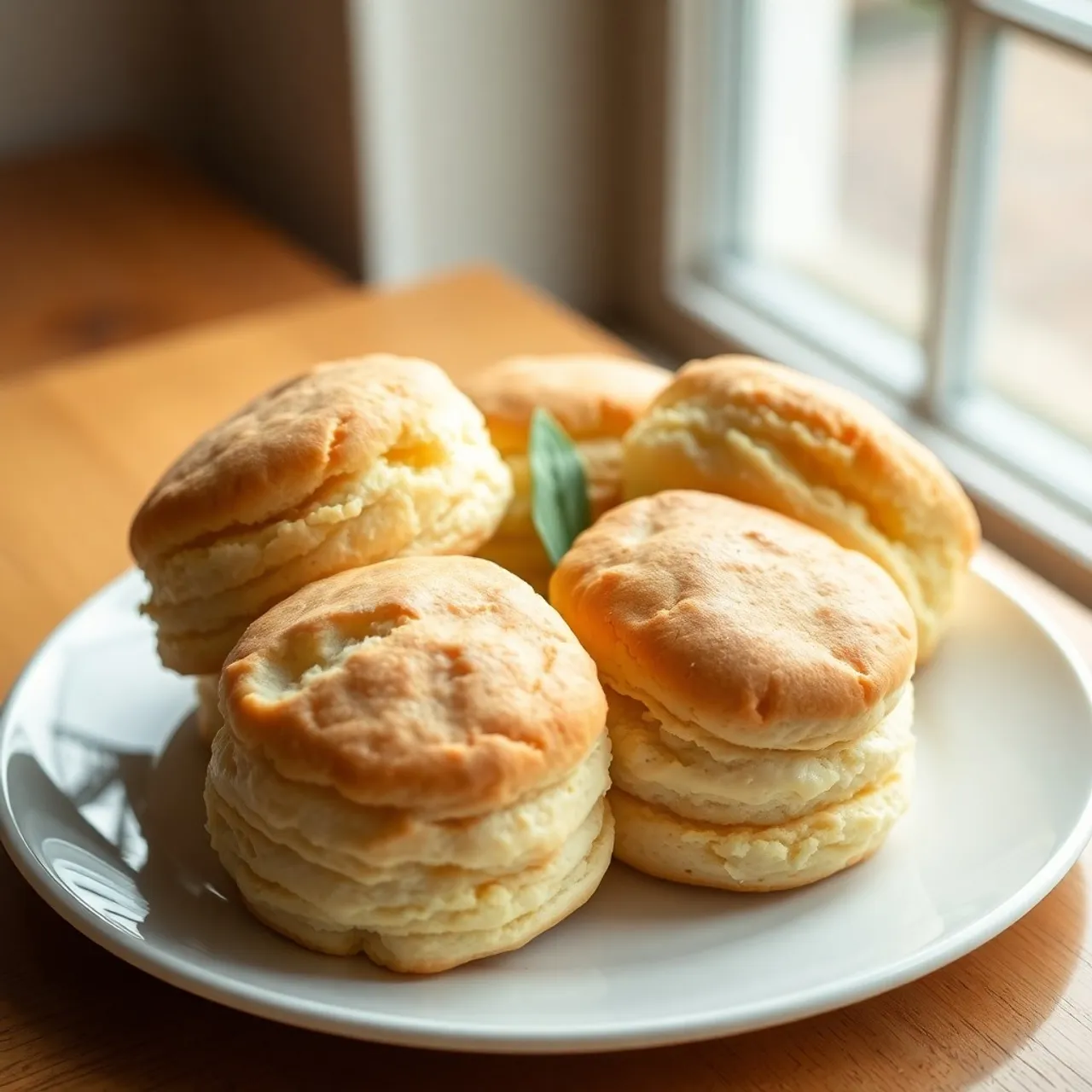
 Breads Images are for illustrative purposes only, may be inaccurate, and do not guarantee the presence or absence of specific ingredients.
 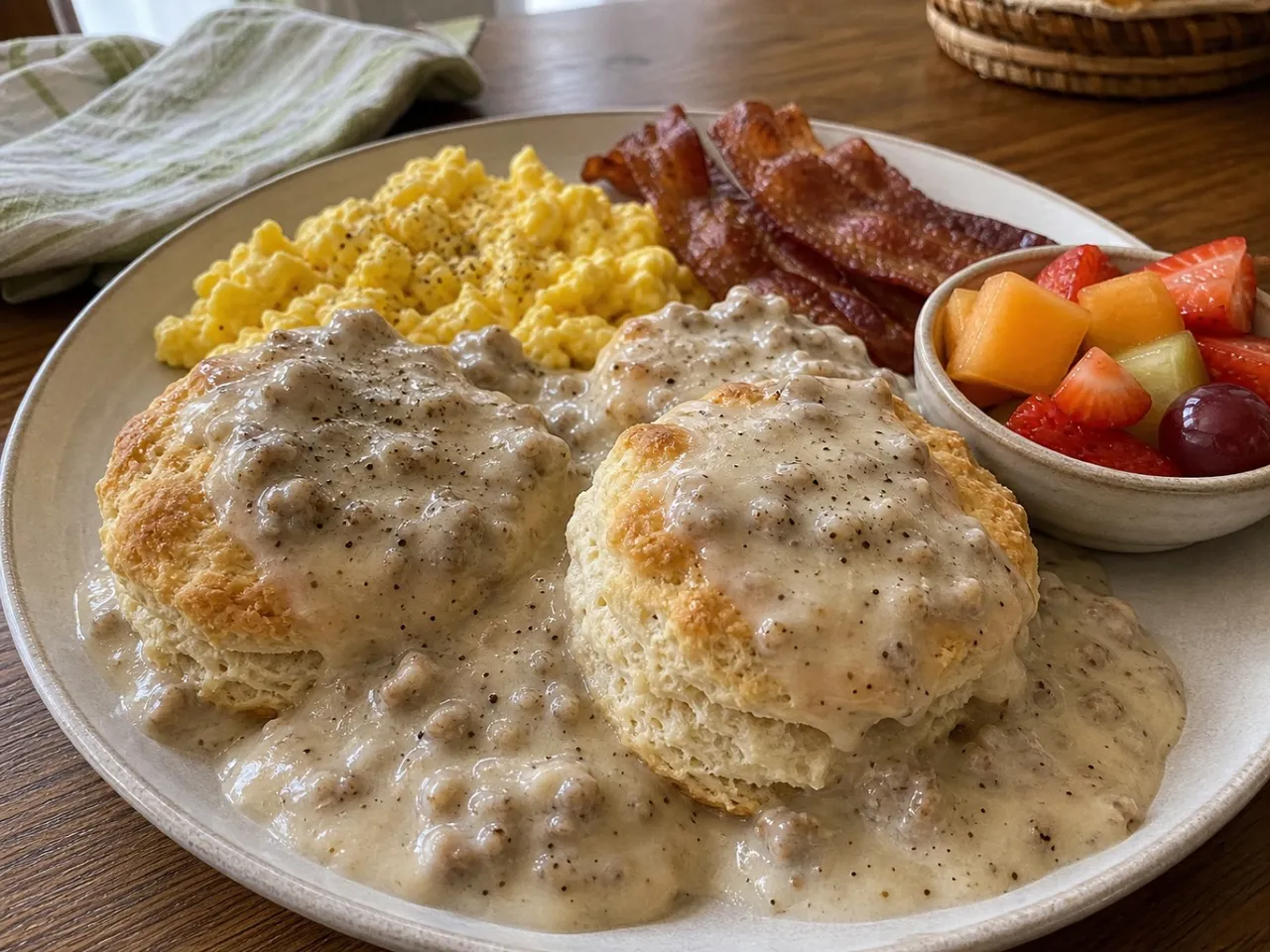 Serving Images are for illustrative purposes only, may be inaccurate, and do not guarantee the presence or absence of specific ingredients.
 Kentucky Biscuits
Tall, flaky Southern-style biscuits with a tender crumb, perfect with butter and jam.
Contains common allergens
In the app, Listahan checks these against your household automatically.
Good to know
- Ready in under 30 minutes
Matched from this dish's own ingredients and timing. Browse more: 30-minute meals
Instructions
6 steps- 1
Preheat the oven to 425°F (220°C). Sift the flour, salt, sugar, and baking powder together into a mixing bowl.
- 2
Make a well in the center of the flour mixture and pour in the milk.
- 3
Add the shortening and use your hands to cut it into the flour while gradually incorporating the milk, working until the dough comes together and is thoroughly mixed. Add a splash more milk only if needed to form the dough.
- 4
Turn the dough out onto a lightly floured board and knead gently 6 to 8 times.
- 5
Pat the dough out to about 1/2-inch thickness and cut into rounds with a floured biscuit cutter, placing them on an ungreased baking sheet.
- 6
Bake for 12 to 15 minutes, until risen and golden brown on top. Serve warm.
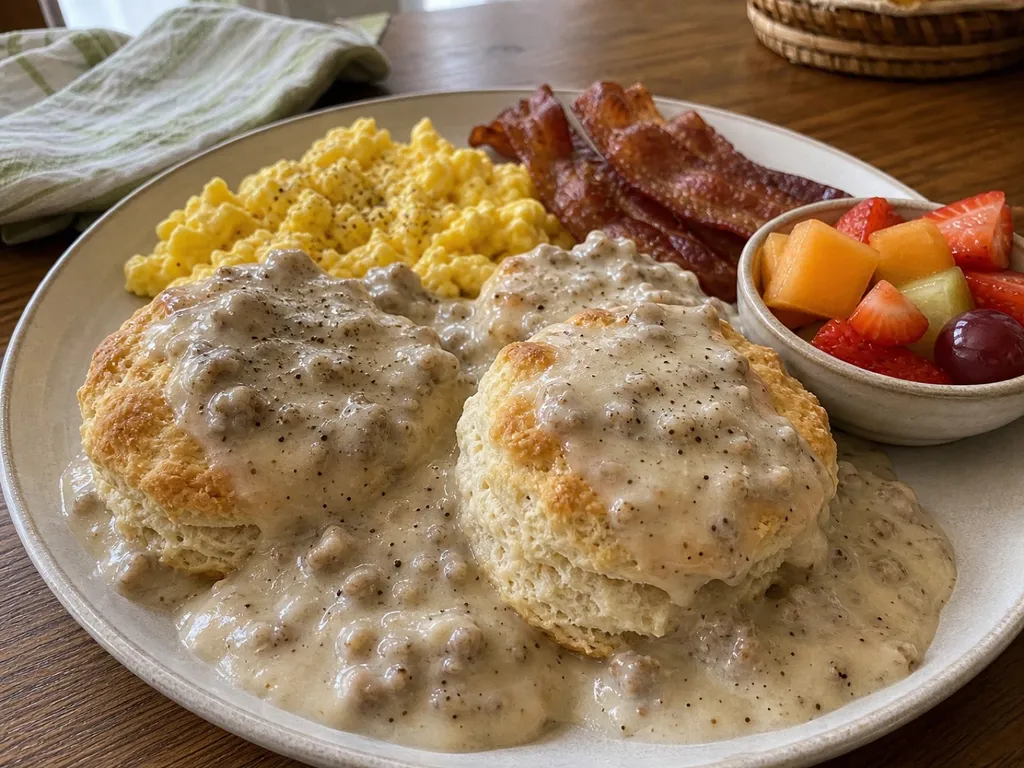 Images are for illustrative purposes only, may be inaccurate, and do not guarantee the presence or absence of specific ingredients.
 Listahan Family Score™
71/100
Good fit for most families
Score reflects how well this recipe fits a typical busy household. In the app, your Family Score is personalized to your household's allergens, kids, and pantry.
Nutrition
per serving175
Calories
3 g
Protein
20 g
Carbs
9 g
Fat
Estimated per serving. Actual values depend on the brands and portions you use.
Listahan cooking guide
Chef notes & practical guide
Technique notes, ingredient swaps, serve-alongside ideas, storage guidance, and equipment for this recipe.
Cultural context
Tall, flaky buttermilk biscuits are a cornerstone of Southern American breakfast tables, and Kentucky's version leans into the soft winter wheat grown across the region, which is naturally lower in protein and yields a tender crumb. The biscuit became a daily bread of necessity in the rural South because it needs no yeast and bakes in minutes from a hot oven. What distinguishes the Kentucky style is its generous height and the way the layers pull apart like the pages of a book.
Listahan note
This version keeps the dough cold and barely handled so the biscuits rise tall and stay flaky rather than dense. It uses a fold-and-pat method to build distinct layers without a stand mixer.
Technique cues
- Keep the butter cold and cut it into the flour until it looks like coarse gravel with pea-sized bits remaining, because those butter pockets are what steam open into flaky layers.
- Pat the dough out and fold it over itself three or four times before the final shaping, which laminates the layers so the biscuits split cleanly across the middle.
- Place the biscuits so their sides touch on the pan, which forces them to rise upward into each other instead of spreading outward and flattening.
Kitchen flow
- Parallel prep
- While the oven heats, cut the butter into the flour and measure the buttermilk so the dough comes together fast and stays cold.
- Make-ahead
- Cut the biscuits, freeze them raw on a tray, then bake straight from frozen with a couple of extra minutes.
- Leftover move
- Split day-old biscuits, toast the cut sides in butter, and use them for a breakfast sandwich or to soak up gravy.
- Cleanup rhythm
- Flour your work surface lightly so cleanup is a quick scrape, and soak the bowl while the biscuits bake.
Ingredient brief
Role, handling, and swap guidance for each key ingredient.
all-purpose flour
structure and crumb
Purpose: A soft, lower-protein flour keeps the biscuits tender rather than chewy, which is the hallmark of the Southern style.
Handling: Spoon it into the measuring cup and level it off so you do not pack in too much and dry out the dough.
Adaptation: A self-rising soft-wheat flour works well; if you use it, leave out the added baking powder and salt.
cold butter
flake-building fat
Purpose: Solid butter melts during baking and releases steam that lifts the dough into separate layers.
Handling: Cube it and chill or freeze it for ten minutes before cutting it into the flour.
Adaptation: Cold lard or shortening gives an even taller, more old-fashioned biscuit, though butter brings more flavor.
buttermilk
acidic liquid and tenderizer
Purpose: Its acidity reacts with the leavening for extra lift and keeps the crumb soft and slightly tangy.
Handling: Use it straight from the fridge so the dough stays cold and the butter does not soften.
Adaptation: Stir a tablespoon of lemon juice or vinegar into regular milk and rest it five minutes for a quick substitute.
baking powder
primary leavening
Purpose: It provides the fast rise that lets these biscuits puff in a hot oven without any yeast or rising time.
Handling: Whisk it thoroughly through the dry flour so the biscuits rise evenly.
Adaptation: Use self-rising flour and skip this, or combine baking soda with extra buttermilk if you are out.
salt
seasoning
Purpose: It sharpens the buttery flavor and balances the tang of the buttermilk so the biscuits do not taste flat.
Handling: Whisk it into the dry ingredients before adding any liquid.
Adaptation: Reduce slightly if you brush the tops with salted butter after baking.
Technique notes
- Use a sharp biscuit cutter and press straight down without twisting, because twisting seals the edges and stops the biscuits from rising evenly.
- Brush the tops with melted butter the moment they leave the oven so they pick up a glossy, tender crust.
- Bake on the upper rack of a fully preheated hot oven so the leavening fires before the structure sets.
Ingredient swaps
- Dairy-free option
- Use cold vegan butter and plant milk soured with a teaspoon of vinegar in place of the butter and buttermilk.
- Weeknight shortcut
- Pat the dough into a square and cut it into squares with a knife to skip rerolling scraps.
- Lower-sodium direction
- Cut the added salt in half and use unsalted butter, leaning on the buttermilk tang for flavor.
Serve alongside
- Sausage milk gravy
- Scrambled eggs with chives
- Country ham slices
- Strawberry preserves
- Strong black coffee
- Sweet iced tea
- Fresh orange juice
Serving suggestions only — check pairings for your household's allergens.
Storage & reheating
- Keep cooled biscuits in an airtight container at room temperature for up to two days, or refrigerate for up to four. Reheat in a 300F oven for five to seven minutes to bring back the flaky texture rather than microwaving, which softens them. Raw cut biscuits freeze well for up to two months and bake straight from frozen.
Equipment
- Pastry cutter or two knives
- Sharp round biscuit cutter
- Rimmed baking sheet
- Bench scraper
Make this household-aware
Listahan Pro checks this recipe against your household's allergens, finds pantry-aware swaps, builds the shopping list, and helps you plan the week around it.
Plan it in Listahan
Add Kentucky Biscuits to your week, check it against your household's allergens, and build the shopping list automatically.
More Breads recipes
Rice Crust for Quiches or Pies
A simple pressed crust made from cooked rice that holds savory quiche and pie fillings beautifully.
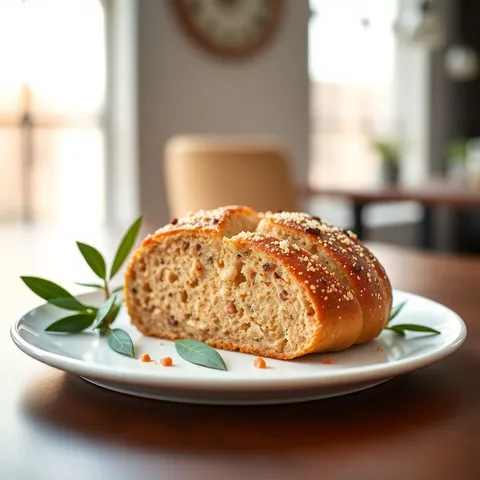 Breads Lens Verified Images are for illustrative purposes only, may be inaccurate, and do not guarantee the presence or absence of specific ingredients.
 Bread Machine Sage-Wheat Bread
A fragrant whole-wheat loaf scented with sage and a hint of cornmeal, made effortlessly in a bread machine.
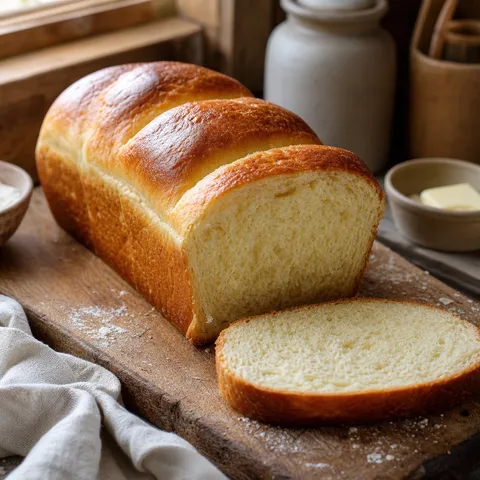 Breads Lens Verified Images are for illustrative purposes only, may be inaccurate, and do not guarantee the presence or absence of specific ingredients.
 Classic Brioche Loaf
A rich, buttery, egg-enriched French loaf with a tender golden crumb, perfect for toast or French toast.