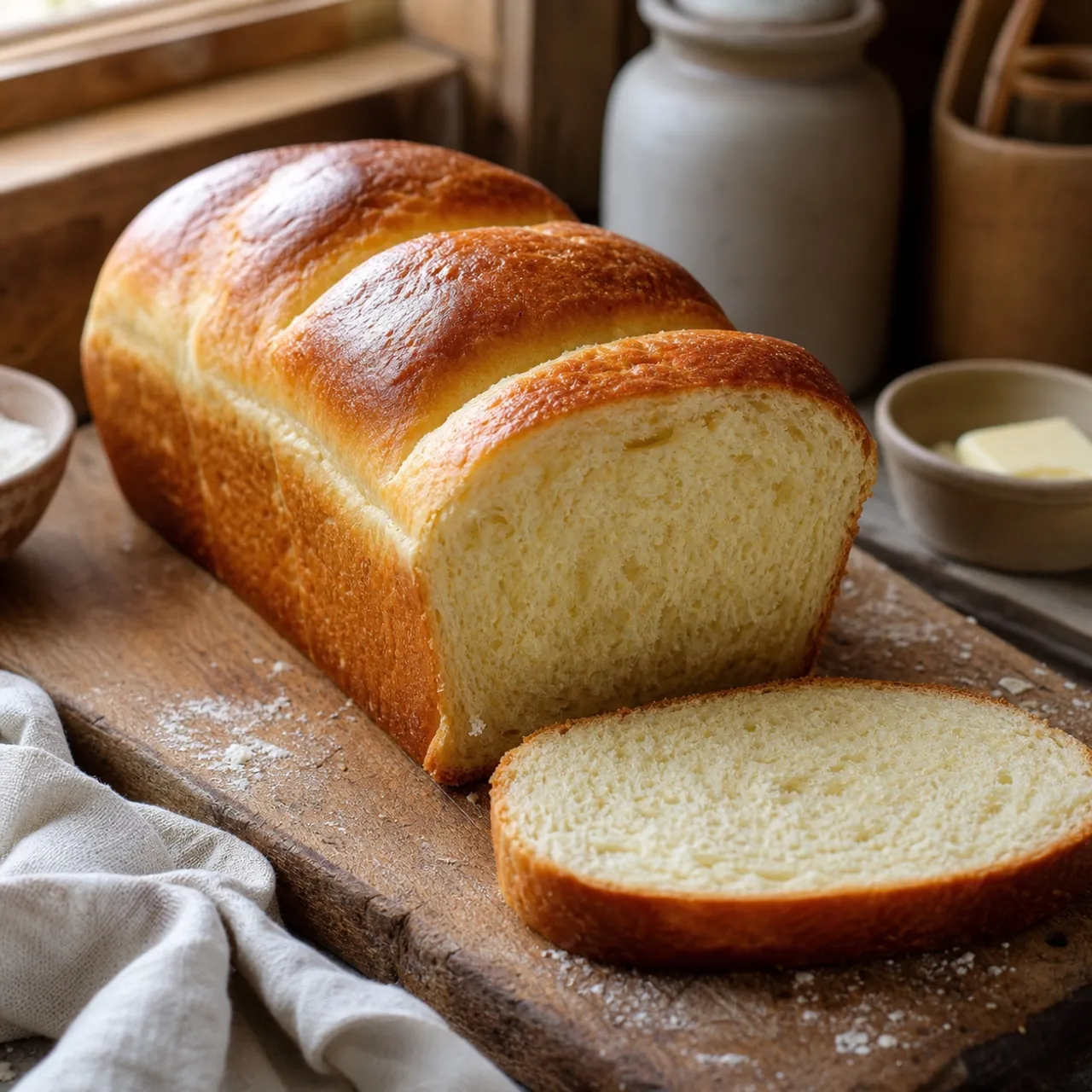
 Breads Images are for illustrative purposes only, may be inaccurate, and do not guarantee the presence or absence of specific ingredients.
 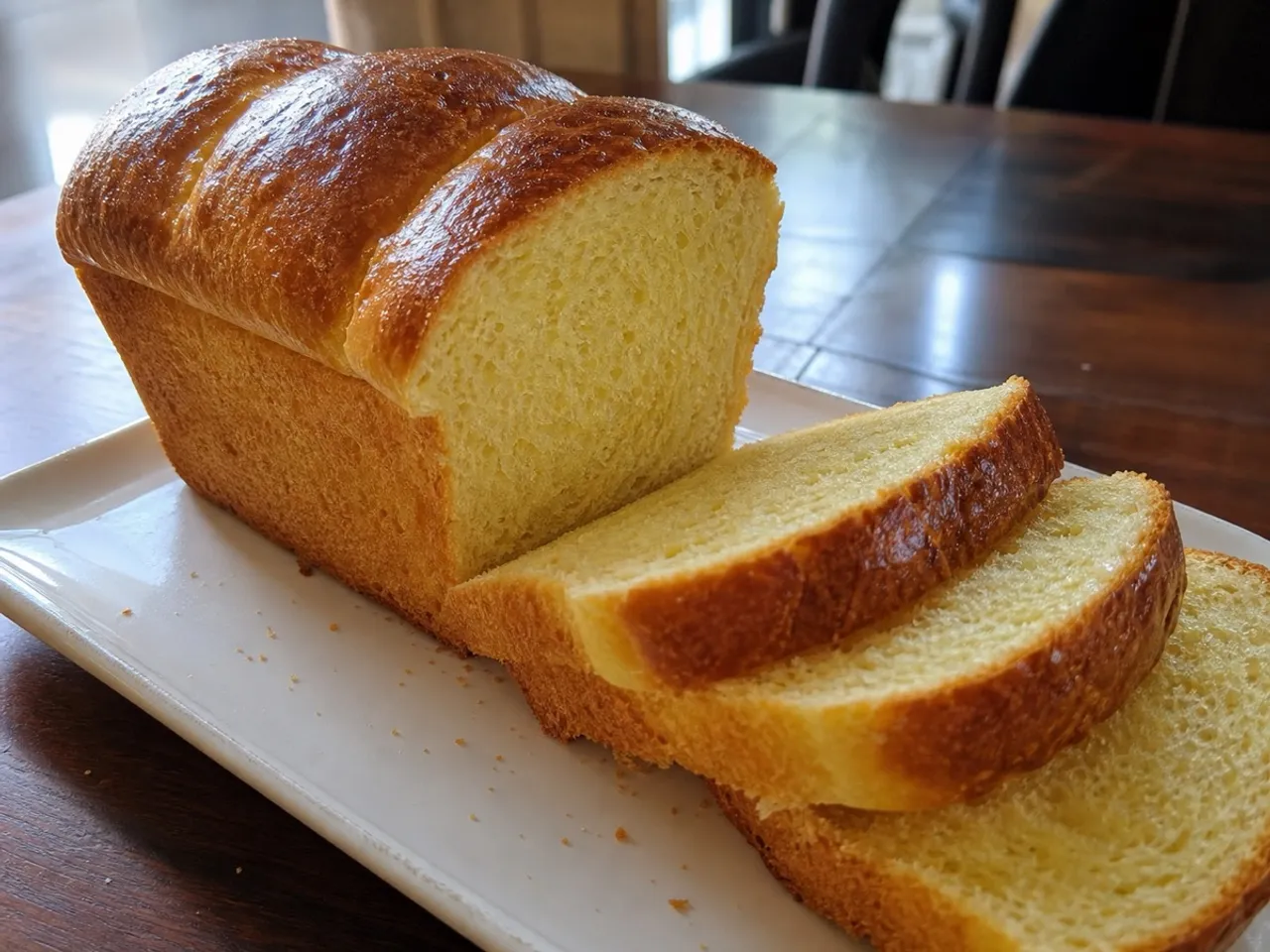 Serving Images are for illustrative purposes only, may be inaccurate, and do not guarantee the presence or absence of specific ingredients.
 Classic Brioche Loaf
A rich, buttery, egg-enriched French loaf with a tender golden crumb, perfect for toast or French toast.
Contains common allergens
In the app, Listahan checks these against your household automatically.
Instructions
9 steps- 1
Combine flour, sugar, salt, and yeast in a stand mixer bowl (keep yeast and salt separated initially).
- 2
Add eggs and warm milk; mix with the dough hook 5 minutes until a rough dough forms.
- 3
Knead on medium 10 minutes until smooth, then add butter a few cubes at a time, kneading until fully absorbed and glossy, about 10 more minutes.
- 4
Cover and refrigerate the dough 4 hours or overnight to firm the butter and develop flavor.
- 5
Divide dough into 3 equal pieces, shape into logs, and place side by side in a greased 9x5-inch loaf pan.
- 6
Cover and proof at room temperature 2 hours until puffy and nearly doubled.
- 7
Preheat oven to 350°F (175°C). Brush top with egg wash.
- 8
Bake 30-35 minutes until deep golden brown and internal temperature reaches 190°F (88°C).
- 9
Cool in the pan 10 minutes, then turn out onto a wire rack to cool completely.
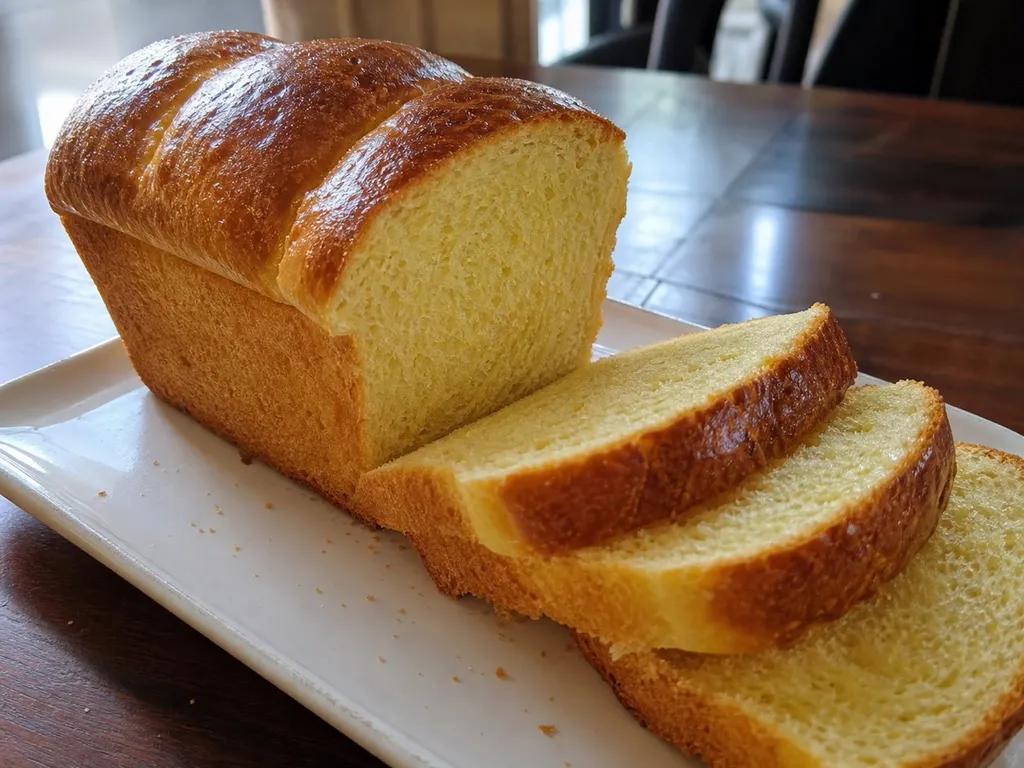 Images are for illustrative purposes only, may be inaccurate, and do not guarantee the presence or absence of specific ingredients.
 Listahan Family Score™
69/100
Works for many families
Score reflects how well this recipe fits a typical busy household. In the app, your Family Score is personalized to your household's allergens, kids, and pantry.
Nutrition
per serving410
Calories
9 g
Protein
44 g
Carbs
22 g
Fat
Estimated per serving. Actual values depend on the brands and portions you use.
Listahan cooking guide
Chef notes & practical guide
Technique notes, ingredient swaps, serve-alongside ideas, storage guidance, and equipment for this recipe.
Cultural context
Brioche belongs to the French family of enriched breads, where eggs and butter turn a lean dough into something tender enough for breakfast, tea, or a composed dessert. Its careful mixing and chilling reflect bakery practice: the dough needs strength, but the butter also needs time to firm so the loaf can be shaped cleanly.
Listahan note
This version keeps the shape simple as a loaf, then puts the attention on patient kneading, gradual butter addition, and a cold rest. It is built for home use: sliceable, toastable, and sturdy enough for French toast without losing brioche's soft pull.
Technique cues
- Add the butter only after the dough has developed some strength. If it goes in too early, the dough can smear and struggle to build the structure that holds a tall loaf.
- The cold rest is doing two jobs: firming the butter and making the dough easier to handle. A chilled brioche dough should feel supple and workable, not greasy or slack.
- Bake until the top is deeply golden, not just lightly browned. Brioche has enough sugar, eggs, and butter that pale color often means the center still needs more time.
Kitchen flow
- Parallel prep
- Cube and soften the butter while the flour, eggs, and milk mix into the first rough dough.
- Make-ahead
- Use the overnight chill for easier shaping and better flavor; shape straight from the refrigerator while the dough is still firm.
- Leftover move
- Cut thick slices for custardy French toast, or toast thinner slices and spread with jam.
- Cleanup rhythm
- Scrape the mixer bowl right after the dough goes into the refrigerator, before the buttery film dries onto the sides.
Ingredient brief
Role, handling, and swap guidance for each key ingredient.
Bread flour
Structure base
Purpose: Its stronger gluten helps carry the heavy load of eggs and butter without collapsing into a cake-like crumb.
Handling: Measure by weight and mix until the dough becomes smooth before the butter is added.
Adaptation: All-purpose flour can work, but the loaf may be softer, lower, and a little less chewy.
Sugar
Tenderness and browning
Purpose: It lightly sweetens the loaf, feeds browning, and helps give brioche its soft crumb.
Handling: Whisk it into the dry ingredients so it disperses evenly before the liquid goes in.
Adaptation: A small reduction makes a less sweet sandwich-style loaf, but cutting too much will change browning and texture.
Instant yeast
Leavening
Purpose: It lifts a rich dough that rises more slowly than lean bread because of the butter and eggs.
Handling: Keep it away from the salt at first, then mix thoroughly once the dough comes together.
Adaptation: Active dry yeast can be used if dissolved in the warm milk first; proofing may take a little longer.
Large eggs
Enrichment and color
Purpose: Eggs give brioche its golden crumb, tender bite, and richer flavor.
Handling: Add them with the milk so the dough hydrates evenly before kneading.
Adaptation: Using fewer eggs would make a simpler enriched bread rather than classic brioche.
Whole milk, warmed
Hydration and softness
Purpose: Milk softens the crumb and rounds out the richness from the eggs and butter.
Handling: Warm it gently, aiming for pleasantly warm rather than hot so the yeast is not stressed.
Adaptation: A lower-fat milk makes a slightly leaner loaf; unsweetened oat milk changes the flavor and may make the crumb less plush.
Unsalted butter, softened and cubed
Signature richness
Purpose: Butter is what gives brioche its fine, shreddable crumb and unmistakable aroma.
Handling: Add it a few cubes at a time and wait for each addition to disappear before adding more.
Adaptation: European-style butter gives a more pronounced butter flavor; plant-based baking sticks make a less classic loaf with a softer, different finish.
Technique notes
- Use the windowpane test after the butter is fully mixed in: a small piece should stretch thin before tearing, even if it feels softer than lean bread dough.
- Grease the loaf pan well, especially the corners, because brioche browns and sticks where butter and sugar meet hot metal.
- Let the loaf cool completely before slicing if you want neat toast slices; cutting hot brioche compresses the crumb.
Ingredient swaps
- No stand mixer path
- Knead by hand with a bench scraper and expect a longer, stickier process; chill the dough for 10 minutes if the butter starts to smear.
- Less sweet loaf
- Reduce the sugar slightly for a more savory toast loaf, knowing the crust will brown a bit less.
- Milk-and-butter swap
- Use unsweetened oat milk and plant-based baking sticks for a different enriched loaf; the flavor will be less buttery and the crumb may feel softer.
- Mini loaf direction
- Divide the dough between smaller pans and begin checking early, since the enriched dough colors quickly.
Serve alongside
- Soft scrambled eggs with chives
- Berry compote
- Citrus salad with mint
- Whipped honey butter
- Cafe au lait
- Earl Grey tea
- Hot chocolate
Serving suggestions only — check pairings for your household's allergens.
Storage & reheating
- Wrap the cooled loaf tightly and keep it in the refrigerator if you want cleaner slices for toast.
- Reheat slices in a toaster or low oven until the edges crisp and the butter aroma comes back.
- Freeze sliced brioche in a sealed bag with parchment between slices, then toast from frozen or thaw at room temperature.
Equipment
- Stand mixer with dough hook
- 9x5-inch loaf pan
- Bench scraper
- Wire cooling rack
Make this household-aware
Listahan Pro checks this recipe against your household's allergens, finds pantry-aware swaps, builds the shopping list, and helps you plan the week around it.
Plan it in Listahan
Add Classic Brioche Loaf to your week, check it against your household's allergens, and build the shopping list automatically.
More Breads recipes
Rice Crust for Quiches or Pies
A simple pressed crust made from cooked rice that holds savory quiche and pie fillings beautifully.
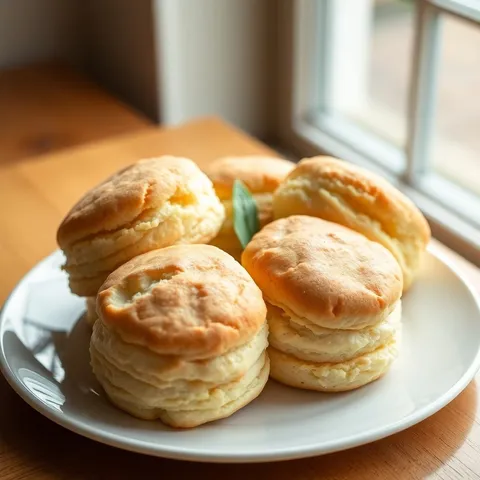 Breads Lens Verified Images are for illustrative purposes only, may be inaccurate, and do not guarantee the presence or absence of specific ingredients.
 Kentucky Biscuits
Tall, flaky Southern-style biscuits with a tender crumb, perfect with butter and jam.
 Breads Lens Verified Images are for illustrative purposes only, may be inaccurate, and do not guarantee the presence or absence of specific ingredients.
 Bread Machine Sage-Wheat Bread
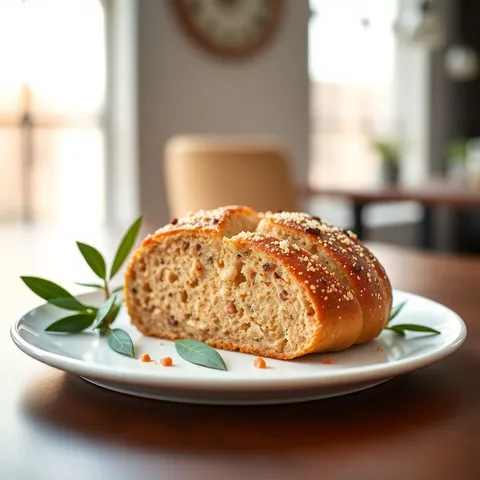
A fragrant whole-wheat loaf scented with sage and a hint of cornmeal, made effortlessly in a bread machine.