 Breads Images are for illustrative purposes only, may be inaccurate, and do not guarantee the presence or absence of specific ingredients.
  Serving Images are for illustrative purposes only, may be inaccurate, and do not guarantee the presence or absence of specific ingredients.
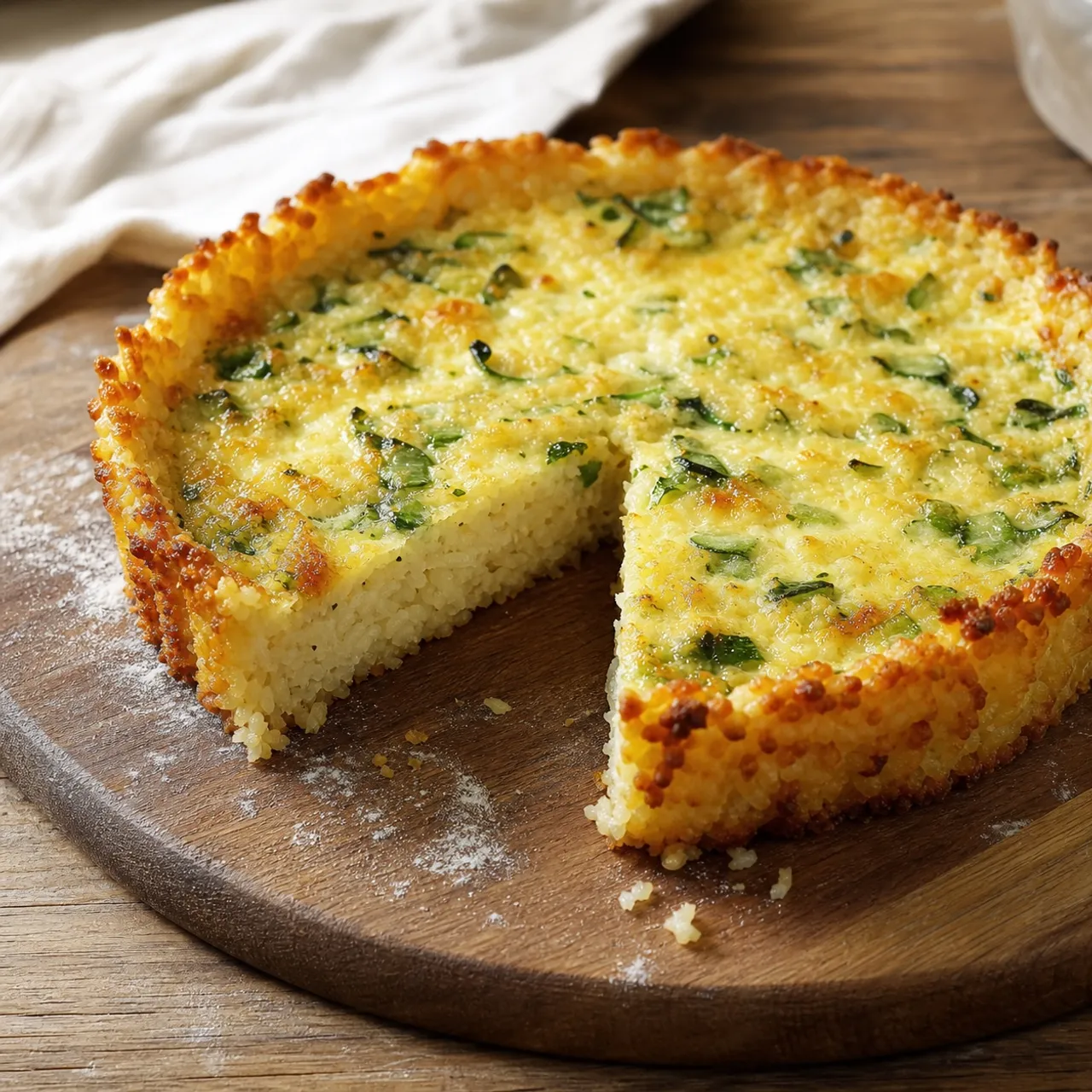
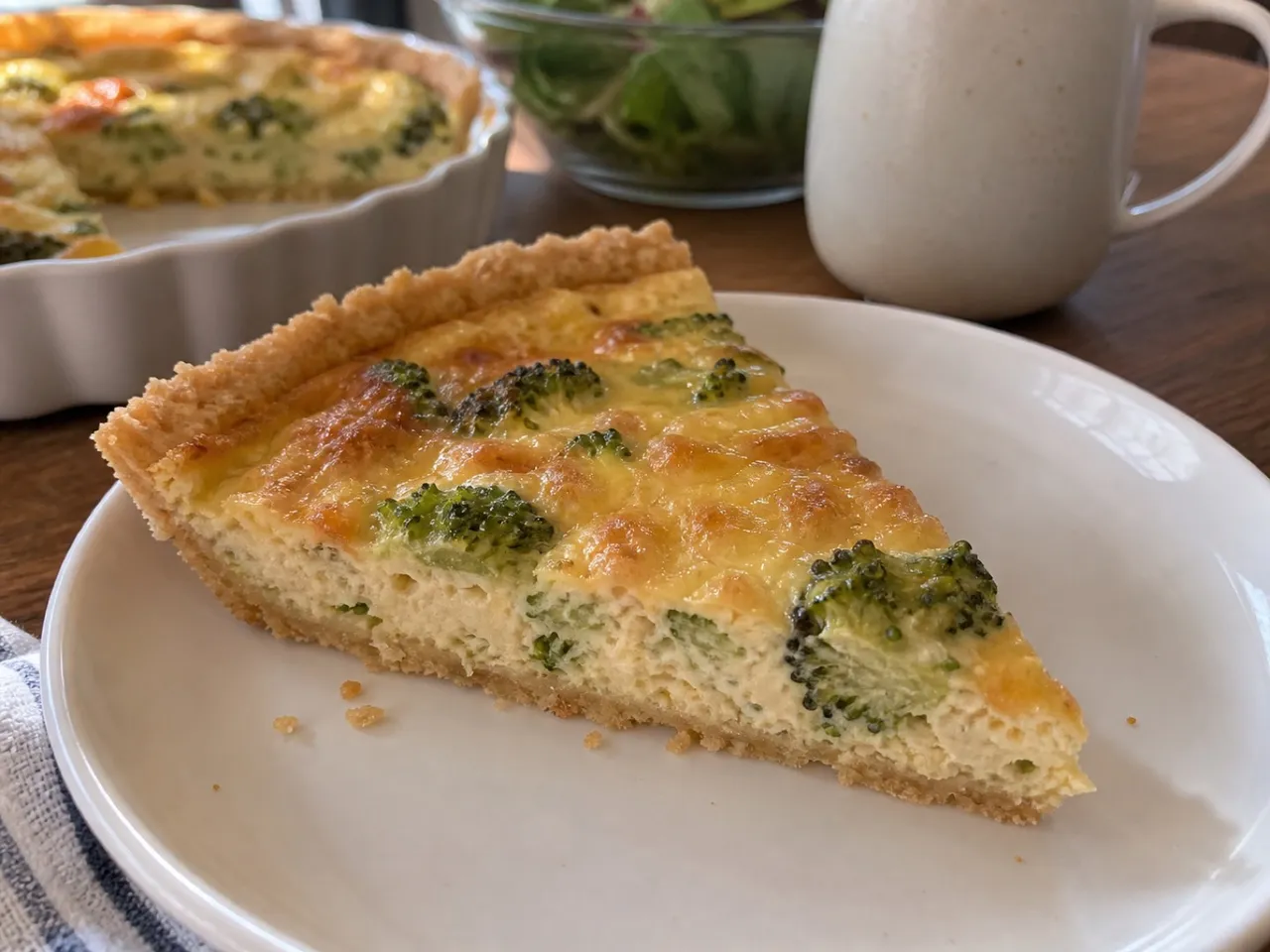
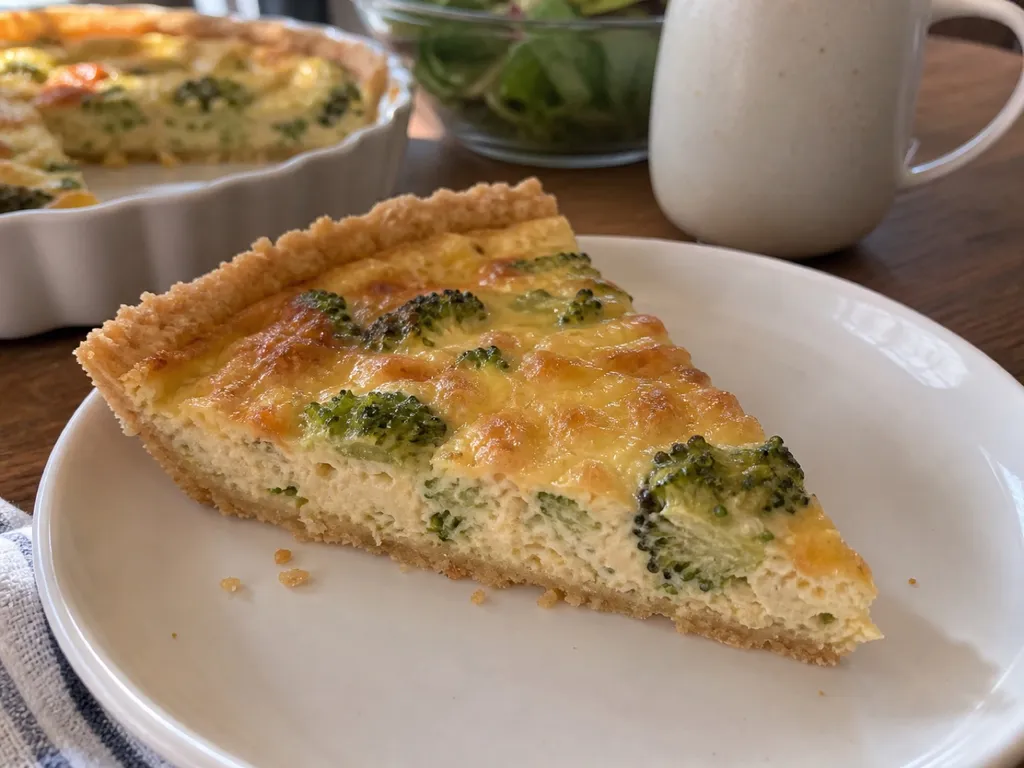
 Rice Crust for Quiches or Pies (Gluten-Free)
A simple pressed rice crust that holds savory quiche and pie fillings beautifully.
Contains common allergens
In the app, Listahan checks these against your household automatically.
Good to know
- Ready in under 30 minutes
Matched from this dish's own ingredients and timing. Browse more: 30-minute meals
Instructions
5 steps- 1
Preheat the oven to 410°F (210°C) and lightly grease a 9-inch pie dish.
- 2
In a bowl, combine the cooled cooked rice, chopped fresh herbs, beaten egg, salt, and pepper, stirring until evenly moistened.
- 3
Pat the rice mixture firmly and evenly over the base and up the sides of the prepared pie dish to form a thin, compact crust.
- 4
Bake for 15 minutes, until the crust is set and lightly golden at the edges.
- 5
Add your favorite quiche or pie filling and continue baking as your filling recipe directs. Serve warm or at room temperature.
 Images are for illustrative purposes only, may be inaccurate, and do not guarantee the presence or absence of specific ingredients.
 Listahan Family Score™
73/100
Good fit for most families
Score reflects how well this recipe fits a typical busy household. In the app, your Family Score is personalized to your household's allergens, kids, and pantry.
Nutrition
per serving180
Calories
4 g
Protein
37 g
Carbs
1 g
Fat
Estimated per serving. Actual values depend on the brands and portions you use.
Listahan cooking guide
Chef notes & practical guide
Technique notes, ingredient swaps, serve-alongside ideas, storage guidance, and equipment for this recipe.
Cultural context
Rice-based pie crusts are a common gluten-free workaround, pressing already-cooked rice, bound with egg, into a pie or tart pan to form a crust rather than relying on any flour-based dough, a technique that circulates widely among gluten-free versions of quiche.
Listahan note
This version presses the rice mixture firmly and pre-bakes it before adding a wet filling, since without gluten to hold it together, compaction and a partial pre-bake are what keep the crust from falling apart once sliced.
Technique cues
- The cooked rice needs to be pressed firmly and evenly into the pan, since without any gluten network, compaction alone is what holds the crust together once it sets.
- Mixing the egg through the rice thoroughly before pressing it into the pan binds individual grains together, rather than leaving them loose once baked.
- Pre-baking the pressed rice crust before adding any wet filling firms the egg binder fully, so the crust holds its shape rather than turning soggy under a quiche custard or pie filling.
- Fresh herbs folded directly into the rice, rather than sprinkled on top, distribute their flavor through the whole crust instead of concentrating only at the surface.
Kitchen flow
- Parallel prep
- Start Rice Crust for Quiches or Pies (Gluten-Free) first if it takes longer than the main dish, and use the wait to prep other sides. This one leans on the cooked rice. Everything else is quick — the bake is the one step that takes real time.
- Make-ahead
- Most of Rice Crust for Quiches or Pies (Gluten-Free) can be prepped ahead; finish the last step just before serving so texture and temperature stay right. This one leans on the cooked rice. Plan around the bake; that's the slow part.
- Leftover move
- Fold leftover Rice Crust for Quiches or Pies (Gluten-Free) into a grain bowl or omelet the next day rather than reheating it plain. This one leans on the cooked rice. The bake step is what sets the pace here.
- Cleanup rhythm
- Clean the prep bowls for Rice Crust for Quiches or Pies (Gluten-Free) while the main dish finishes cooking, so nothing's left stacked at the end of the meal. This one leans on the cooked rice. The bake step is what sets the pace here.
Ingredient brief
Role, handling, and swap guidance for each key ingredient.
2 cups cooked rice
Structural base
Purpose: cups cooked rice defines the shape and texture of the dish.
Handling: Rinse, soak, whisk, or separate as the recipe requires so the texture stays clean.
Adaptation: Use the closest fresh equivalent and expect a modest shift in flavor or texture.
1/2 cup chopped fresh herbs
Seasoning backbone
Purpose: cup chopped fresh herbs gives the dish its recognizable flavor direction.
Handling: Prep before heat is high so the cooking step can move without rushing.
Adaptation: Use the closest fresh equivalent and expect a modest shift in flavor or texture.
1 large egg
Main protein or body
Purpose: large egg gives Rice Crust for Quiches or Pies (Gluten-Free) its main substance and carries the seasoning.
Handling: Prep before heat is high so the cooking step can move without rushing.
Adaptation: Use an egg-free substitute only when binding or glazing is not the main structure.
1/4 tsp salt
Flavor support
Purpose: tsp salt supports the balance of Rice Crust for Quiches or Pies (Gluten-Free) and should taste integrated.
Handling: Prep before heat is high so the cooking step can move without rushing.
Adaptation: Use the closest fresh equivalent and expect a modest shift in flavor or texture.
1/4 tsp black pepper
Aromatic base
Purpose: tsp black pepper creates the savory foundation before stronger ingredients are added.
Handling: Wash, trim, and cut evenly so the pieces cook at the same pace.
Adaptation: Use the closest fresh equivalent and expect a modest shift in flavor or texture.
Technique notes
- This crust works specifically for wetter fillings like quiche custard, since it doesn't have the structural strength of a rolled dough crust for something drier.
- Day-old, cooled rice presses into the pan more cleanly than freshly cooked, warm rice, which tends to stick to hands and tools.
- The crust can be pre-baked a day ahead and stored, then filled and baked fresh, similar to how a traditional pastry shell would be handled.
Ingredient swaps
- Gluten-free direction
- Swap in a certified gluten-free 1:1 flour blend or gluten-free noodles/breadcrumbs wherever the recipe calls for a wheat product, and read packaged-item labels closely. This one leans on the cooked rice.
- Egg-aware direction
- Replace the egg with a flax or chia egg (1 tbsp ground seed + 3 tbsp water, rested 5 minutes) for binding, best when eggs are there for binding rather than structure or rise. This one leans on the cooked rice.
- Lower-sodium direction
- Cut the salt by about a third and taste before adding more — most of the dish's flavor comes from the other ingredients, not the salt itself. This one leans on the cooked rice.
- Weeknight shortcut
- For a faster version, prep the longest-cooking component a day ahead so the night-of cook is mostly assembly and finishing. This one leans on the cooked rice.
Serve alongside
- Fresh berries
- Citrus fruit salad
- Mint leaves
- Black coffee
- Hot tea
- Sparkling water with lemon
Serving suggestions only — check pairings for your household's allergens.
Storage & reheating
- Store covered for 3 to 4 days, refrigerated when dairy, eggs, custard, or fresh fruit are involved.
- Reheat gently only when warmth improves the texture.
- Freeze sturdy baked portions up to 2 months; avoid freezing delicate fresh toppings.
Equipment
- Mixing bowls
- Baking dish or pan
- Cooling rack
Make this household-aware
Listahan Pro checks this recipe against your household's allergens, finds pantry-aware swaps, builds the shopping list, and helps you plan the week around it.
Plan it in Listahan
Add Rice Crust for Quiches or Pies (Gluten-Free) to your week, check it against your household's allergens, and build the shopping list automatically.
More Breads recipes
Rice Crust for Quiches or Pies
A simple pressed crust made from cooked rice that holds savory quiche and pie fillings beautifully.
 Breads Lens Verified Images are for illustrative purposes only, may be inaccurate, and do not guarantee the presence or absence of specific ingredients.
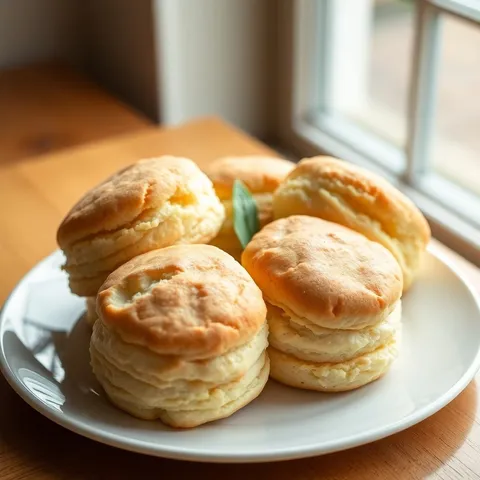
 Kentucky Biscuits
Tall, flaky Southern-style biscuits with a tender crumb, perfect with butter and jam.
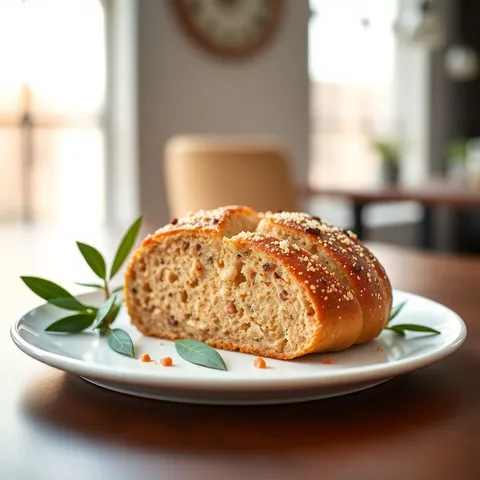 Breads Lens Verified Images are for illustrative purposes only, may be inaccurate, and do not guarantee the presence or absence of specific ingredients.
 Bread Machine Sage-Wheat Bread
A fragrant whole-wheat loaf scented with sage and a hint of cornmeal, made effortlessly in a bread machine.