 Cajun & Creole Images are for illustrative purposes only, may be inaccurate, and do not guarantee the presence or absence of specific ingredients.
 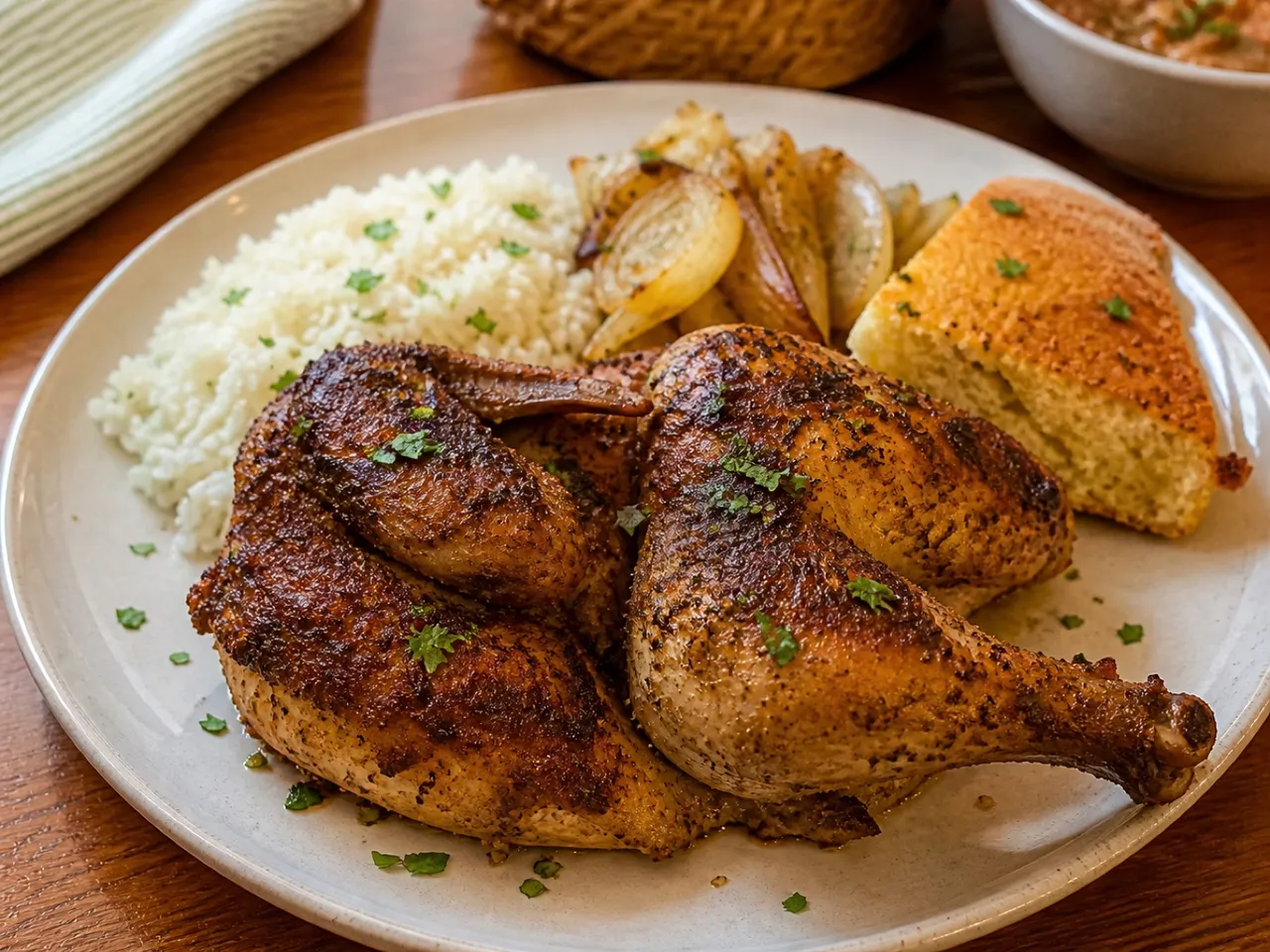 Serving Images are for illustrative purposes only, may be inaccurate, and do not guarantee the presence or absence of specific ingredients.
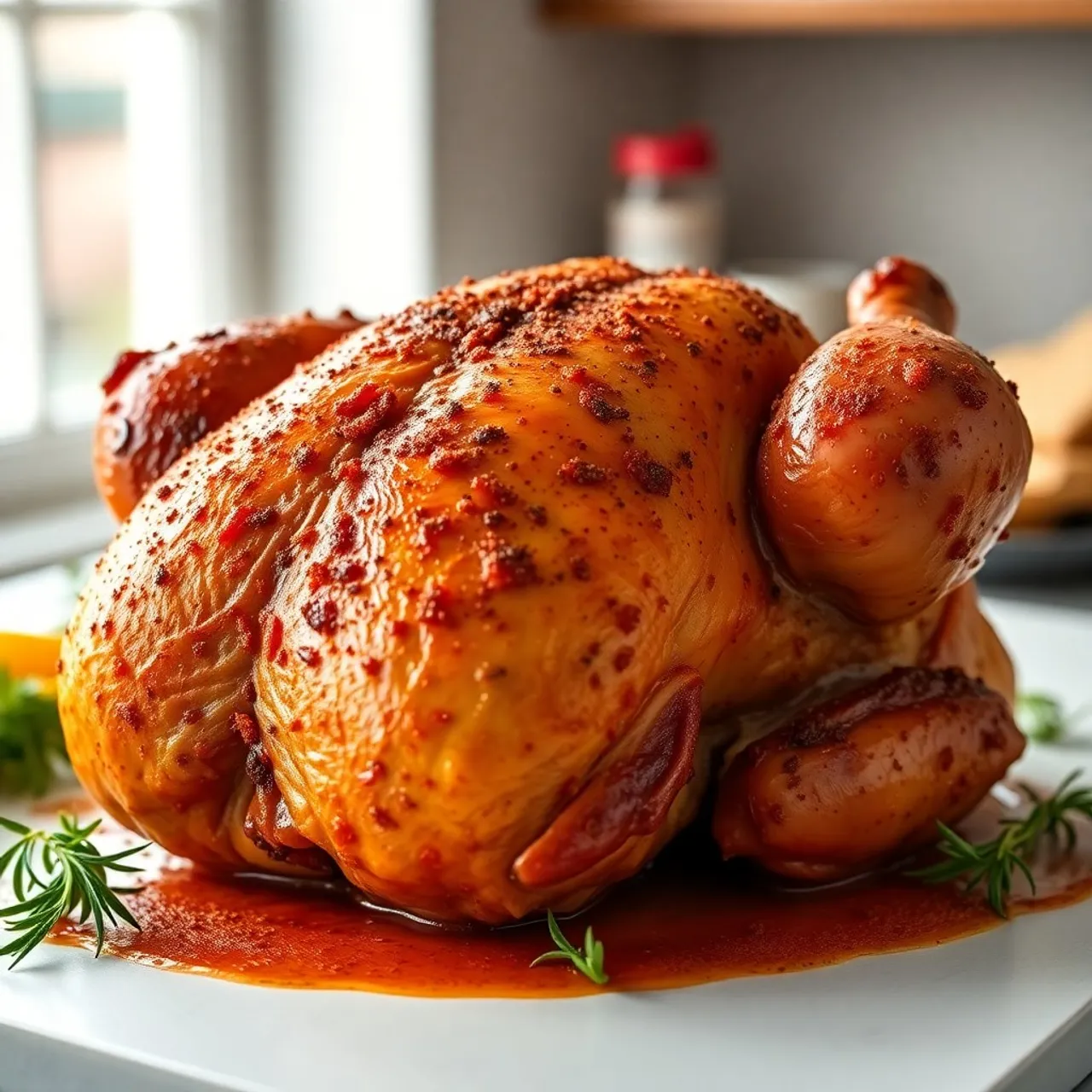
 Cajun Roast Chicken
A whole bird rubbed inside and out with cayenne, paprika, garlic, and thyme, then roasted until the skin crackles and the juices run spice-scented and golden.
Contains common allergens
In the app, Listahan checks these against your household automatically.
Good to know
- Crispy
Matched from this dish's own ingredients and timing. Browse more: crispy recipes
Instructions
6 steps- 1
Preheat your oven to 400°F (200°C). Thoroughly pat the entire chicken dry with paper towels to ensure crispy skin.
- 2
In a small bowl, mix the softened butter with 1 tablespoon of the Cajun seasoning to create a compound butter.
- 3
Gently separate the skin from the chicken breast with your fingers, and rub the seasoned butter directly onto the meat under the skin.
- 4
Stuff the cavity of the chicken with the lemon half, onion half, and garlic cloves. Tie the legs together with kitchen twine.
- 5
Rub the outside of the chicken with olive oil and generously coat it with the remaining Cajun seasoning.
- 6
Roast in the oven for 1 hour and 15 minutes, or until the juices run clear and a meat thermometer inserted into the thickest part of the thigh reads 165°F. Let rest for 10 minutes before carving.
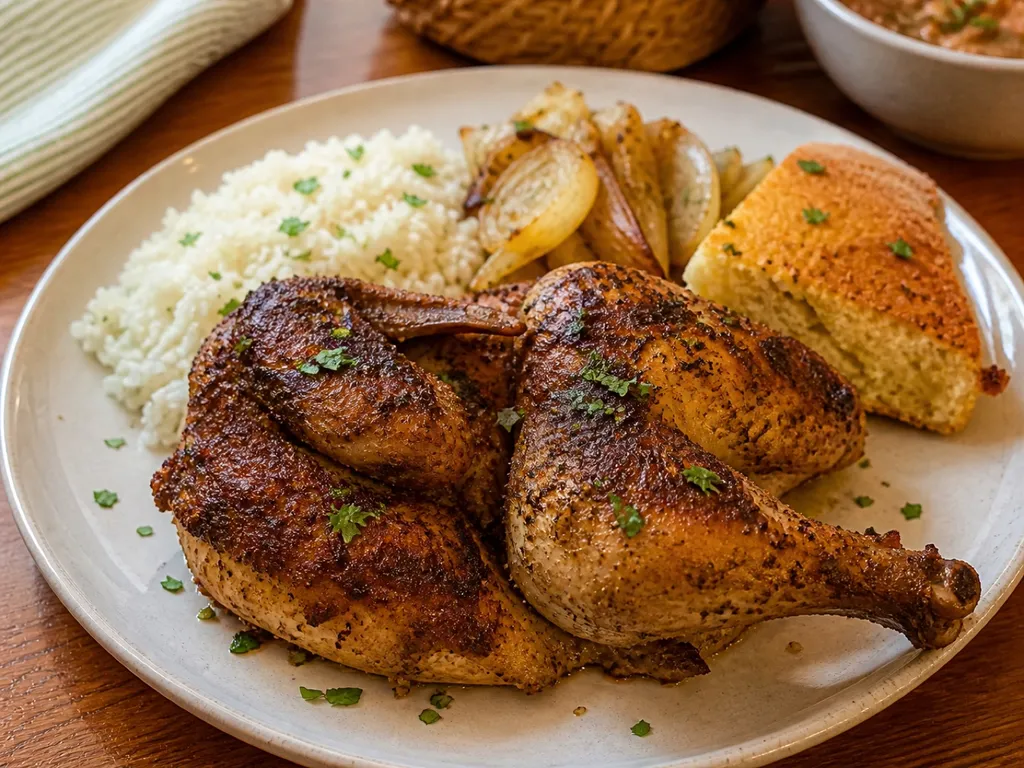 Images are for illustrative purposes only, may be inaccurate, and do not guarantee the presence or absence of specific ingredients.
 Listahan Family Score™
70/100
Good fit for most families
Score reflects how well this recipe fits a typical busy household. In the app, your Family Score is personalized to your household's allergens, kids, and pantry.
Nutrition
per serving140
Calories
1 g
Protein
3 g
Carbs
15 g
Fat
Estimated per serving. Actual values depend on the brands and portions you use.
Listahan cooking guide
Chef notes & practical guide
Technique notes, ingredient swaps, serve-alongside ideas, storage guidance, and equipment for this recipe.
Cultural context
Roast chicken is not indigenous to any one cuisine, but the Cajun version — heavily spiced, often with butter forced under the skin and a dark, peppery rub — reflects the Acadian tradition of assertive seasoning developed in south Louisiana's bayou country, where cooks relied on dried spice blends to flavor the chickens raised in backyard flocks. The compound butter under the skin technique appears in Cajun cookbooks from the mid-twentieth century and became a home-kitchen staple because it keeps the white meat moist even when the skin is roasted to a genuine crisp.
Listahan note
This version applies both a dry rub on the outside of the skin and a Cajun compound butter under the skin so the meat itself is seasoned directly, not just the exterior.
Technique cues
- Loosen the skin from the breast and thigh by sliding your fingers under it without tearing, then press softened compound butter directly against the meat — this seasons the flesh and bastes it from the inside as the butter melts during roasting.
- Start the chicken at 425 degrees for the first twenty minutes to set the skin and begin browning, then reduce to 375 degrees for the remainder — this two-temperature method produces crisp skin without the legs being undercooked.
- Rest the finished chicken uncovered on a cutting board for at least fifteen minutes before carving; cutting too soon loses the juices that have redistributed to the surface during roasting.
Kitchen flow
- Parallel prep
- Prepare the compound butter and season the chicken the evening before so it air-dries overnight in the fridge uncovered — the next day it needs only thirty minutes at room temperature before roasting.
- Make-ahead
- The compound butter can be made up to a week ahead and refrigerated, or shaped into a log in plastic wrap and frozen for up to three months.
- Leftover move
- Pick the carcass clean and simmer the bones with celery, onion, and bay leaves for two hours to make a deeply flavored Cajun chicken stock for gumbo or red beans.
- Cleanup rhythm
- Place the roasting pan over a burner immediately after removing the chicken and deglaze with a half cup of stock or white wine to lift the spiced fond — this becomes the base for a quick pan sauce and simplifies cleanup.
Ingredient brief
Role, handling, and swap guidance for each key ingredient.
whole chicken
star protein
Purpose: A whole bird provides the best fat-to-meat ratio for roasting; the dark meat fat bastes the white meat during cooking and the carcass holds the shape that produces even browning.
Handling: Pat completely dry — including the cavity — with paper towels and refrigerate uncovered for at least two hours or overnight to dry the skin for maximum crispness.
Adaptation: Bone-in, skin-on chicken pieces roasted on a rack at the same temperatures work for smaller households that prefer portioned servings.
unsalted butter
compound butter base for under-skin application
Purpose: Softened butter carrying Cajun spices penetrates the meat surface as it melts, creating self-basting that keeps breast meat from drying out during the long roast.
Handling: Soften at room temperature until it spreads like frosting, then beat in the spices and garlic until fully combined before applying.
Adaptation: Olive oil blended with the same spices can be used in place of butter and works better for a dairy-free household, though the skin will not achieve quite the same golden color.
Cajun spice blend
seasoning base
Purpose: A pre-mixed Cajun blend of paprika, cayenne, garlic powder, thyme, and oregano creates the characteristic dark, peppery crust that defines the dish.
Handling: Apply generously and press into the skin so the spices adhere rather than sitting loosely on the surface and falling off in the oven.
Adaptation: Mix your own from two teaspoons smoked paprika, one teaspoon each garlic powder and onion powder, half a teaspoon cayenne, and a quarter teaspoon each dried thyme and oregano.
garlic
aromatic inside the cavity
Purpose: A halved head of garlic in the cavity slowly steams and releases its volatile aromatics into the bird from the inside, perfuming the meat in a way that garlic in the rub alone cannot.
Handling: Halve a whole head crosswise without peeling and place cut-side up in the cavity alongside a halved lemon and fresh thyme sprigs.
Adaptation: Two teaspoons of garlic powder added to the rub provides comparable garlic flavor in the skin if the cavity stuffing is skipped.
Technique notes
- Tie the legs together with kitchen twine before roasting so the thighs cook at the same rate as the breasts and the bird presents evenly on the platter after carving.
- Insert an instant-read thermometer into the thickest part of the inner thigh without touching bone — the target is 165 degrees, but pulling at 162 and resting for ten minutes carries it over safely with better texture.
- Baste the bird once at the halfway point with the pan drippings using a brush; this step adds another layer of spiced fat and deepens the crust color in the areas where the rub may have dried out.
Ingredient swaps
- Dairy-free direction
- Replace the compound butter with a thick blend of olive oil and the same spices massaged under and over the skin; the result is slightly less rich but the skin still crisps well.
- Lower-sodium direction
- Make the Cajun spice blend from scratch without any added salt and season the bird separately with a controlled amount of kosher salt so total sodium is predictable.
- Gluten-free direction
- All ingredients in a standard Cajun roast chicken are naturally gluten-free; verify your commercial Cajun spice blend does not contain any anti-caking agents with gluten.
- Weeknight shortcut
- Spatchcock the chicken — remove the backbone and press it flat — to cut roasting time to thirty-five minutes while achieving even crispier skin across the entire surface.
Serve alongside
- dirty rice
- braised collard greens with smoked turkey
- roasted sweet potatoes with cinnamon butter
- cold Abita Amber lager
- cold-brewed sweet tea
Serving suggestions only — check pairings for your household's allergens.
Storage & reheating
- Refrigerate carved chicken pieces in a sealed container for up to four days. Reheat gently in a 325-degree oven covered with foil to prevent drying, or slice cold over a salad which is the best use of leftover roast chicken.
Equipment
- roasting pan with a wire rack
- instant-read thermometer
- kitchen twine for trussing
- pastry brush for basting
Make this household-aware
Listahan Pro checks this recipe against your household's allergens, finds pantry-aware swaps, builds the shopping list, and helps you plan the week around it.
Plan it in Listahan
Add Cajun Roast Chicken to your week, check it against your household's allergens, and build the shopping list automatically.
More Cajun & Creole recipes
 Cajun & Creole Lens Verified Images are for illustrative purposes only, may be inaccurate, and do not guarantee the presence or absence of specific ingredients.
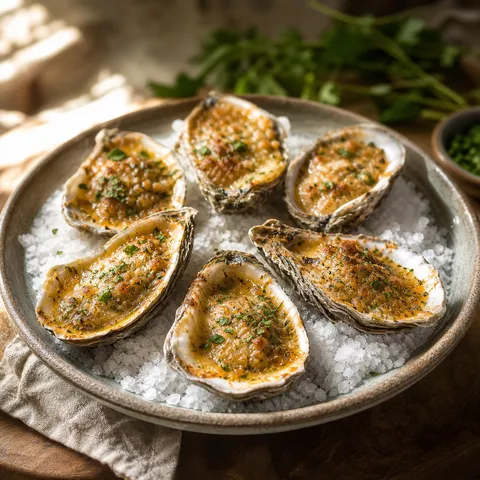
 Oysters Bienville
A classic New Orleans baked oyster dish crowned with a rich shrimp-and-mushroom cream sauce, browned to perfection on the half shell.
 Cajun & Creole Lens Verified Images are for illustrative purposes only, may be inaccurate, and do not guarantee the presence or absence of specific ingredients.
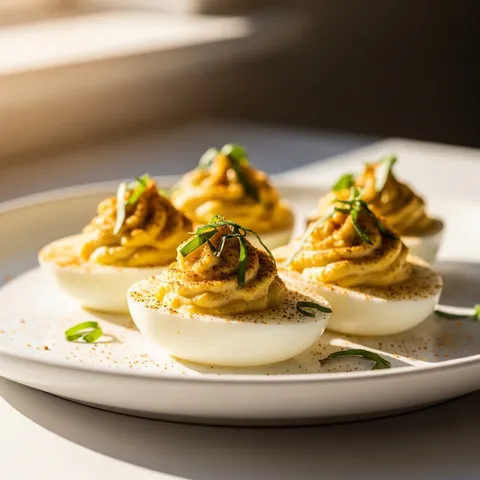
 Cajun Deviled Eggs
Classic deviled eggs with a Louisiana twist — creamy yolk filling spiked with hot sauce, Creole mustard, and cayenne, topped with a sprinkle of smoked paprika.
 Cajun & Creole Lens Verified Images are for illustrative purposes only, may be inaccurate, and do not guarantee the presence or absence of specific ingredients.
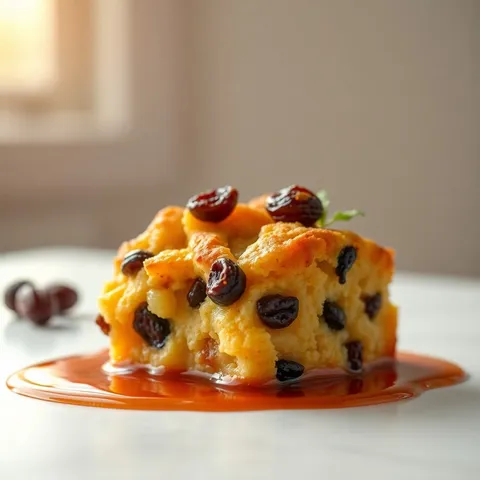
 Creole Bread Pudding
Day-old French bread soaked in a rich custard of cream, eggs, and vanilla, baked golden, then drowned in a warm bourbon-laced whiskey sauce.