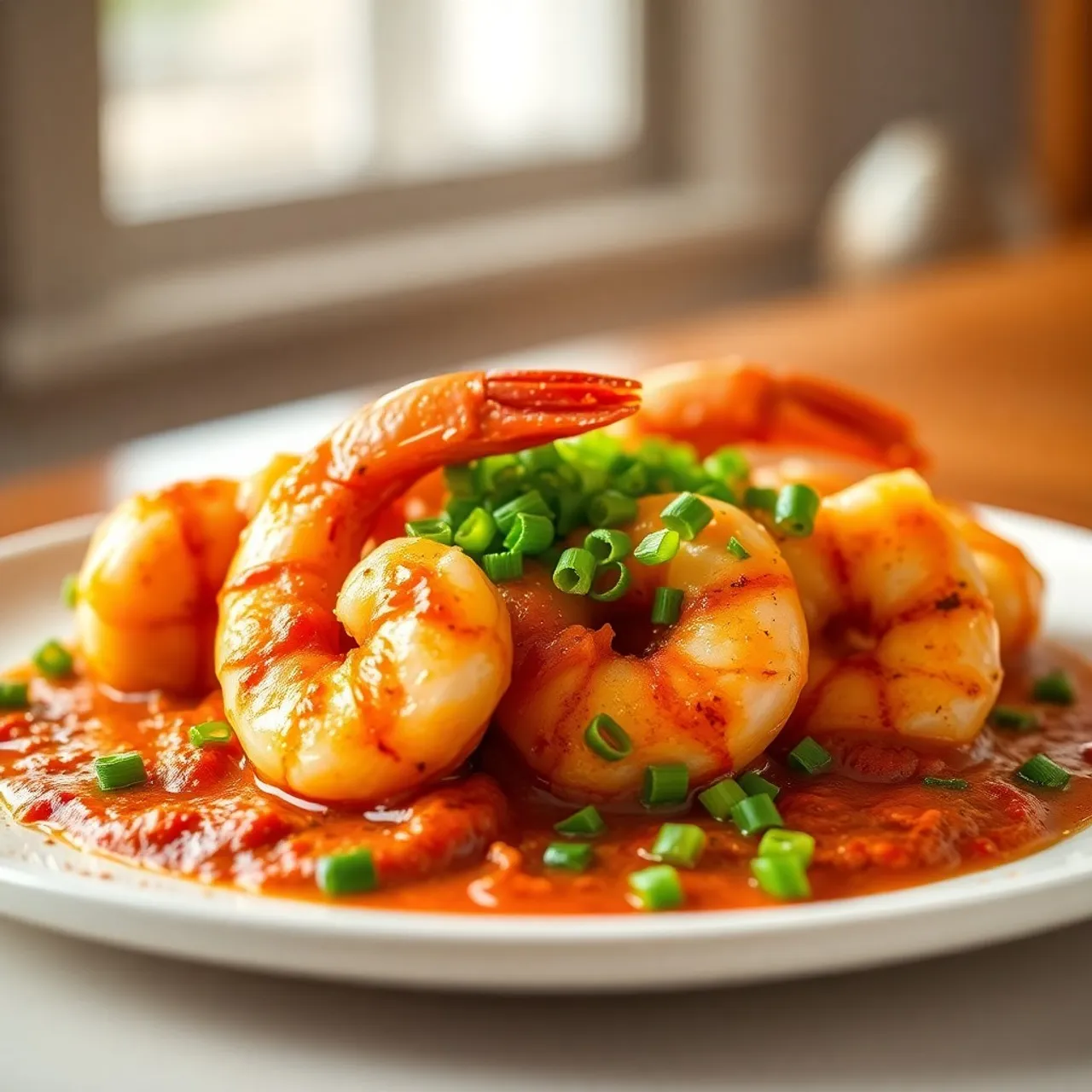
 Cajun & Creole Images are for illustrative purposes only, may be inaccurate, and do not guarantee the presence or absence of specific ingredients.
 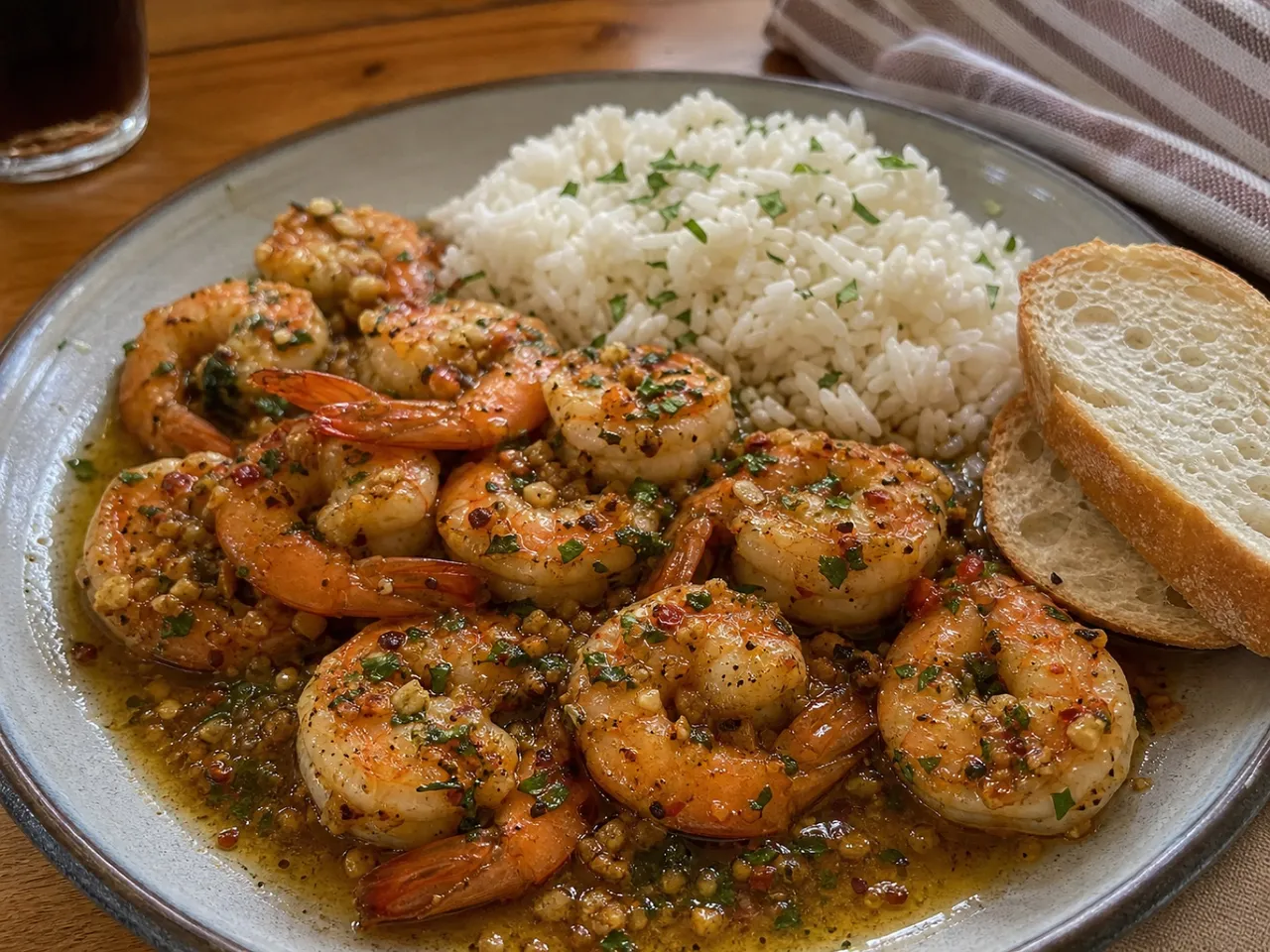 Serving Images are for illustrative purposes only, may be inaccurate, and do not guarantee the presence or absence of specific ingredients.
 Creole Garlic Butter Shrimp
Plump Gulf shrimp sautéed in a lush Creole butter sauce with roasted garlic, lemon, and parsley — quick, rich, and perfect mopped up with crusty French bread.
Contains common allergens
In the app, Listahan checks these against your household automatically.
Good to know
- Ready in under 30 minutes
Matched from this dish's own ingredients and timing. Browse more: 30-minute meals
Instructions
6 steps- 1
Pat the shrimp dry and toss with the Creole seasoning until evenly coated.
- 2
Melt the butter in a large skillet over medium-high heat.
- 3
Add the garlic and cook for 30 seconds until fragrant but not browned.
- 4
Add the shrimp in a single layer and cook until pink and just curled, about 1 to 2 minutes per side.
- 5
Stir in the lemon juice and toss to coat.
- 6
Garnish with parsley and serve immediately with crusty bread to soak up the butter.
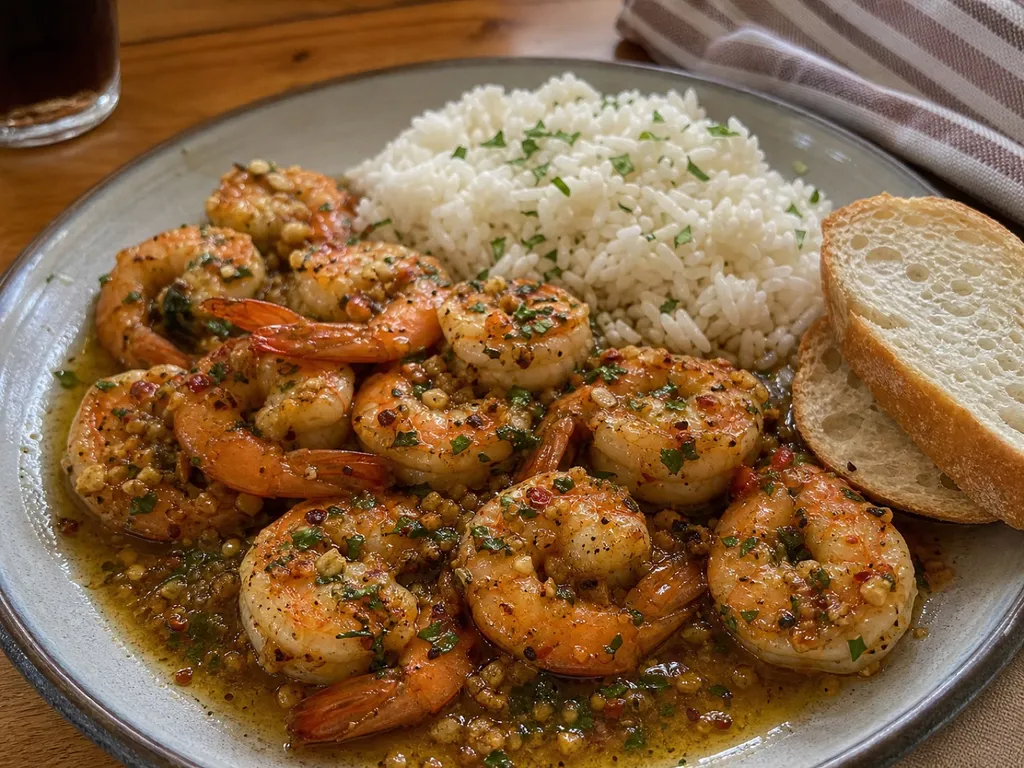 Images are for illustrative purposes only, may be inaccurate, and do not guarantee the presence or absence of specific ingredients.
 Listahan Family Score™
64/100
Works for many families
Score reflects how well this recipe fits a typical busy household. In the app, your Family Score is personalized to your household's allergens, kids, and pantry.
Nutrition
per serving185
Calories
41 g
Protein
4 g
Carbs
1 g
Fat
Estimated per serving. Actual values depend on the brands and portions you use.
Listahan cooking guide
Chef notes & practical guide
Technique notes, ingredient swaps, serve-alongside ideas, storage guidance, and equipment for this recipe.
Cultural context
The Creole tradition in New Orleans has always reflected the city's layered history — French cooking technique, Spanish seasoning, African produce knowledge, and the abundance of Gulf seafood all colliding in one kitchen. Garlic butter shrimp in the Creole style is rooted in that collision: the butter and wine base comes from French beurre blanc traditions, the bold seasoning from the Spanish and Creole spice cupboard, and the Gulf shrimp themselves are the reason New Orleans kitchens have been building sauces like this for over two centuries. It is less a single fixed recipe than a philosophy — sauce that is rich enough to beg for bread but bright enough from lemon and herbs not to feel heavy.
Listahan note
This version keeps the sauce fast and bright — a short cook time for the shrimp so they stay snappy, and enough lemon and fresh parsley at the end to cut through the butter.
Technique cues
- Pat the shrimp completely dry before they hit the pan — surface moisture steams rather than sears, and you lose the lightly caramelized shell flavor that makes pan-cooked shrimp worth the effort.
- Cook the garlic over medium rather than high heat before adding liquid; garlic scorches quickly in hot butter and turns bitter in seconds, which is nearly impossible to correct once it is in the sauce.
- Add lemon juice and fresh parsley off the heat, not while the pan is still on the burner — both are volatile, and the fresh brightness dissipates quickly if cooked, making the sauce taste flat rather than vibrant.
Kitchen flow
- Parallel prep
- Peel, devein, and dry the shrimp and mince the garlic before turning on any heat; this dish moves quickly once the pan is hot and there is no time to prep mid-cook.
- Make-ahead
- The Creole butter base can be made a day ahead and refrigerated; reheat gently over low heat, add the shrimp, and finish with lemon and parsley as usual.
- Leftover move
- Toss leftover shrimp and sauce with cooked pasta or spoon over creamy grits the next morning with a fried egg on top.
- Cleanup rhythm
- Deglaze the pan with the wine or stock while it is still hot — it lifts the fond immediately and saves scrubbing; a quick wipe after deglazing is usually all that is needed.
Ingredient brief
Role, handling, and swap guidance for each key ingredient.
large shrimp, peeled and deveined
centerpiece protein
Purpose: Gulf-style large shrimp — 16/20 count — have enough body to stand up to the bold sauce without disappearing; smaller shrimp overcook before the sauce is ready.
Handling: Pat thoroughly dry with paper towels and season with Creole spice just before cooking — not in advance, as salt draws moisture out and creates steam in the pan.
Adaptation: Scallops or cubes of firm white fish like redfish follow the same technique; cooking time will vary slightly.
unsalted butter
sauce base and richness
Purpose: Butter forms the emulsified base of the sauce, carrying the garlic and spice into every bite of shrimp while giving the sauce a glossy, coating consistency.
Handling: Use cold butter cut into cubes to finish the sauce — adding cold butter to the pan off heat and swirling creates emulsification rather than an oily split.
Adaptation: A half-butter, half-olive-oil blend is lighter and more forgiving if the sauce breaks; dairy-free butter works structurally.
garlic
aromatic backbone
Purpose: Generous garlic is the defining feature of this dish and the reason it earns its name — 6 to 8 cloves for four servings is not unusual, softened slowly in butter so it turns sweet rather than sharp.
Handling: Mince or slice thinly and add to the melted butter over medium heat, stirring constantly until fragrant and just turning golden — about 90 seconds.
Adaptation: Roasted garlic stirred in at the finish produces a sweeter, mellower flavor profile if raw garlic is a concern.
Creole seasoning
seasoning blend and heat
Purpose: A good Creole blend — paprika, cayenne, thyme, oregano, garlic and onion powder — seasons the shrimp on both sides and builds into the butter sauce so the spice is integrated rather than surface-level.
Handling: Season the shrimp on both sides before cooking; add a second small pinch to the sauce as it comes together.
Adaptation: A mix of smoked paprika, cayenne, garlic powder, dried thyme, and black pepper approximates a Creole blend without a specialty purchase.
dry white wine or chicken stock
deglazing liquid and sauce body
Purpose: White wine or stock deglazes the fond left by the shrimp and creates the liquid base that the butter emulsifies into; it also prevents the garlic from over-concentrating into bitterness.
Handling: Add to the pan after the garlic is softened and let it reduce by half before adding butter to ensure the sauce has body rather than being thin.
Adaptation: Clam juice is a natural fit for a more seafood-forward sauce; chicken stock keeps it accessible for non-drinkers.
fresh lemon juice and parsley
brightness and freshness
Purpose: These two components are the edit that keeps a butter-heavy sauce from tasting rich to the point of fatigue — the acid lifts the whole dish and the parsley adds color and a herbal note.
Handling: Squeeze lemon and chop parsley while the shrimp cook; add both to the finished sauce after removing the pan from heat.
Adaptation: A splash of white wine vinegar can substitute for lemon in a pinch; chives or tarragon work in place of flat-leaf parsley.
Technique notes
- Shrimp are done the moment they curl into a loose C-shape and turn fully opaque — they go from perfect to rubbery in under a minute over high heat, so pull them from the pan slightly underdone and let carryover heat in the sauce finish them.
- Work the butter into the sauce in two or three additions off the heat, swirling the pan rather than stirring, to create a stable emulsion; if you add it all at once or the pan is too hot, the sauce will break into grease.
- Double the garlic from whatever the recipe says — this is Creole garlic butter shrimp, and restraint with garlic is not a virtue here.
Ingredient swaps
- Shellfish allergy direction
- Replace shrimp with 1-inch cubes of firm tofu, pressed dry, which takes on the Creole butter sauce beautifully when seared at high heat and treated with the same timing.
- Dairy-free option
- Use a high-quality dairy-free butter and a splash of full-fat coconut milk to maintain richness and emulsification; the sauce will be slightly different but still coating and flavorful.
- Lower-sodium direction
- Make a salt-free Creole seasoning blend and use unsalted butter; finish with extra lemon juice, which naturally amplifies perceived seasoning without adding sodium.
Serve alongside
- Stone-ground cheese grits
- Crusty French bread for sauce-mopping
- Steamed white rice
- Chilled Pinot Gris
- Abita Purple Haze raspberry wheat ale
- Club soda with lime
Serving suggestions only — check pairings for your household's allergens.
Storage & reheating
- Refrigerate leftovers in an airtight container for up to 2 days; the sauce will solidify when cold and can be gently rewarmed over low heat.
- Do not freeze cooked shrimp in butter sauce — both the shrimp texture and the emulsion deteriorate significantly upon thawing.
Equipment
- 12-inch stainless or carbon steel skillet — for proper searing and fond development
- Tongs — for flipping shrimp precisely without overcrowding or disturbing their contact with the pan
- Citrus juicer or reamer — for extracting lemon juice quickly without seeds
- Instant-read thermometer — optional but useful: shrimp are done at 120°F internal, which corresponds to a loose C-shape
Make this household-aware
Listahan Pro checks this recipe against your household's allergens, finds pantry-aware swaps, builds the shopping list, and helps you plan the week around it.
Plan it in Listahan
Add Creole Garlic Butter Shrimp to your week, check it against your household's allergens, and build the shopping list automatically.
More Cajun & Creole recipes
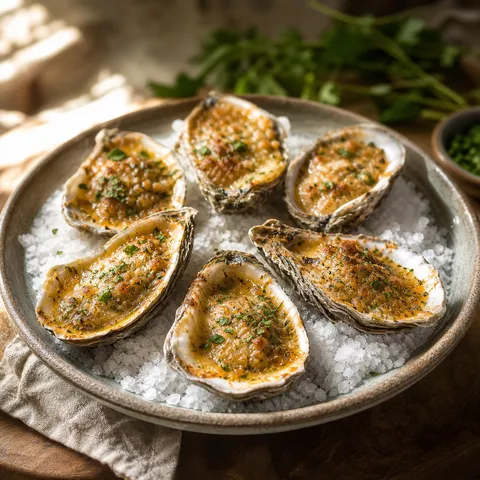 Cajun & Creole Lens Verified Images are for illustrative purposes only, may be inaccurate, and do not guarantee the presence or absence of specific ingredients.
 Oysters Bienville
A classic New Orleans baked oyster dish crowned with a rich shrimp-and-mushroom cream sauce, browned to perfection on the half shell.
 Cajun & Creole Lens Verified Images are for illustrative purposes only, may be inaccurate, and do not guarantee the presence or absence of specific ingredients.
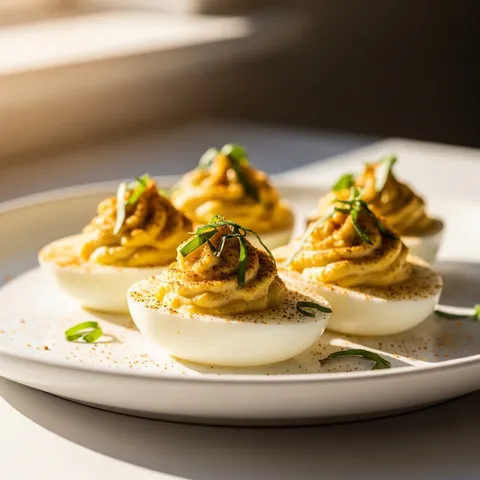
 Cajun Deviled Eggs
Classic deviled eggs with a Louisiana twist — creamy yolk filling spiked with hot sauce, Creole mustard, and cayenne, topped with a sprinkle of smoked paprika.
 Cajun & Creole Lens Verified Images are for illustrative purposes only, may be inaccurate, and do not guarantee the presence or absence of specific ingredients.
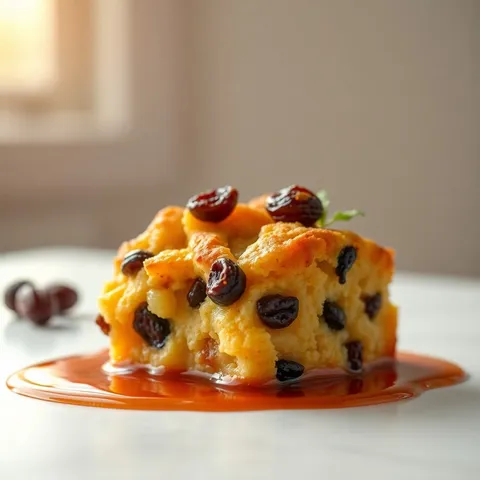
 Creole Bread Pudding
Day-old French bread soaked in a rich custard of cream, eggs, and vanilla, baked golden, then drowned in a warm bourbon-laced whiskey sauce.