 Cajun & Creole Images are for illustrative purposes only, may be inaccurate, and do not guarantee the presence or absence of specific ingredients.
  Serving Images are for illustrative purposes only, may be inaccurate, and do not guarantee the presence or absence of specific ingredients.
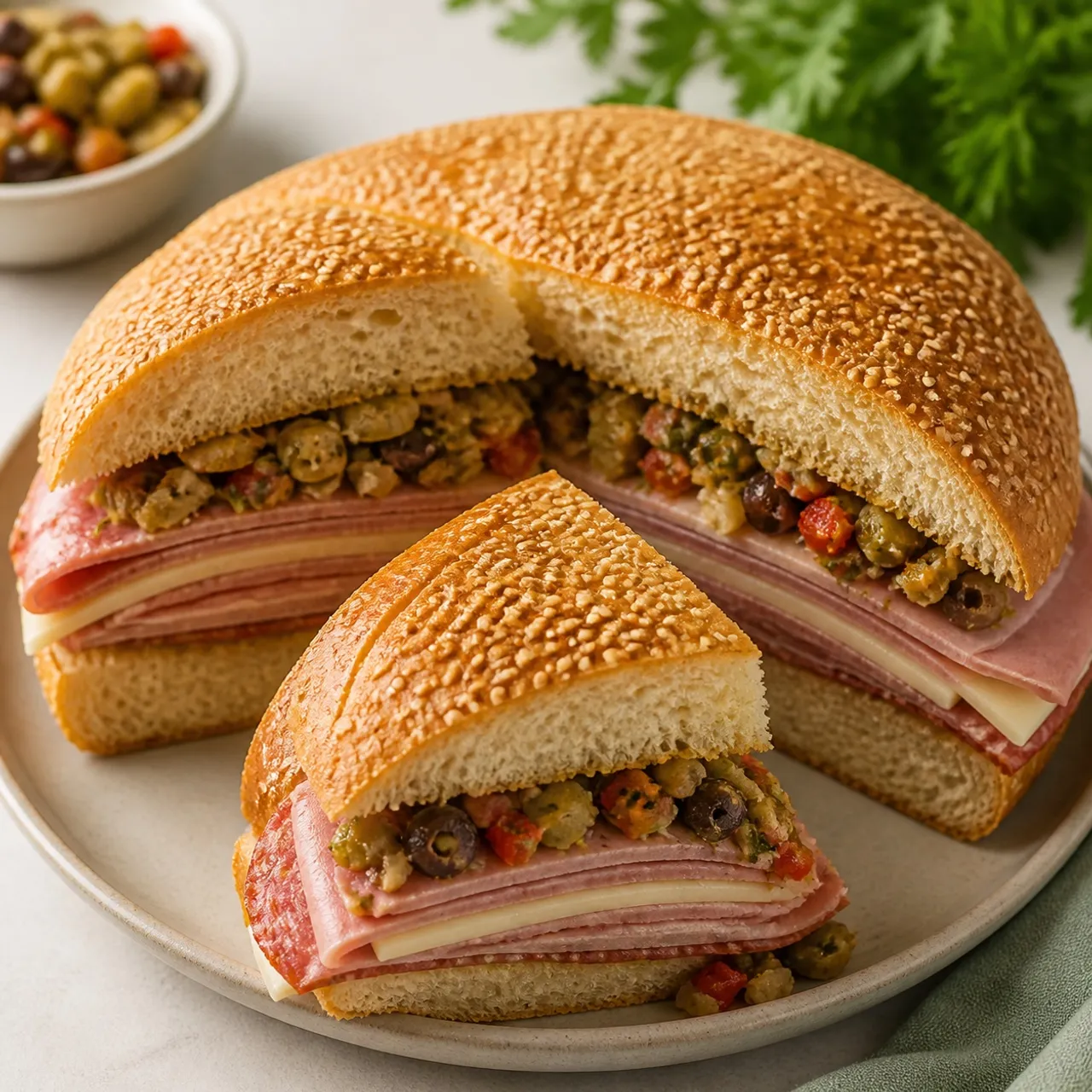
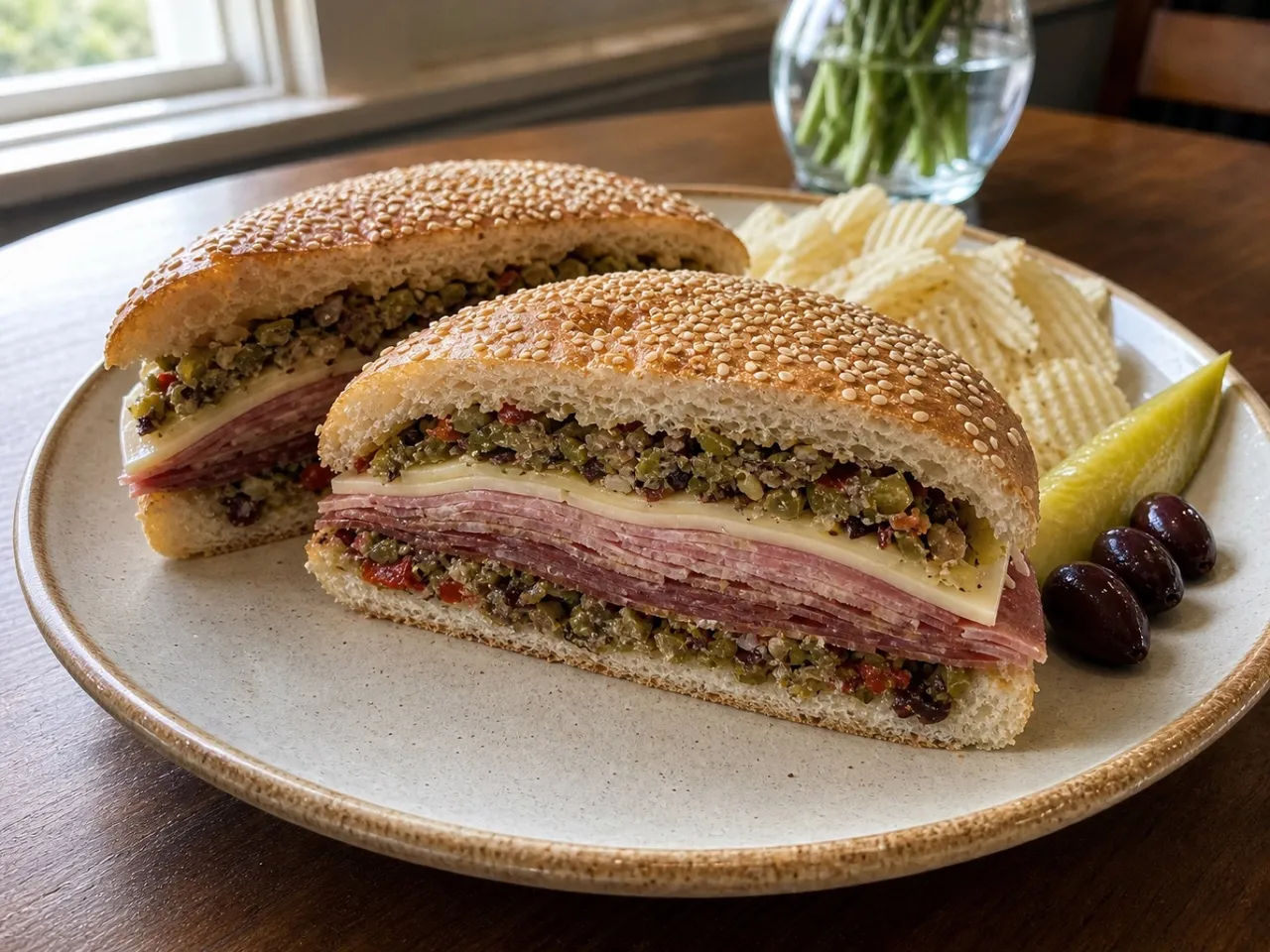
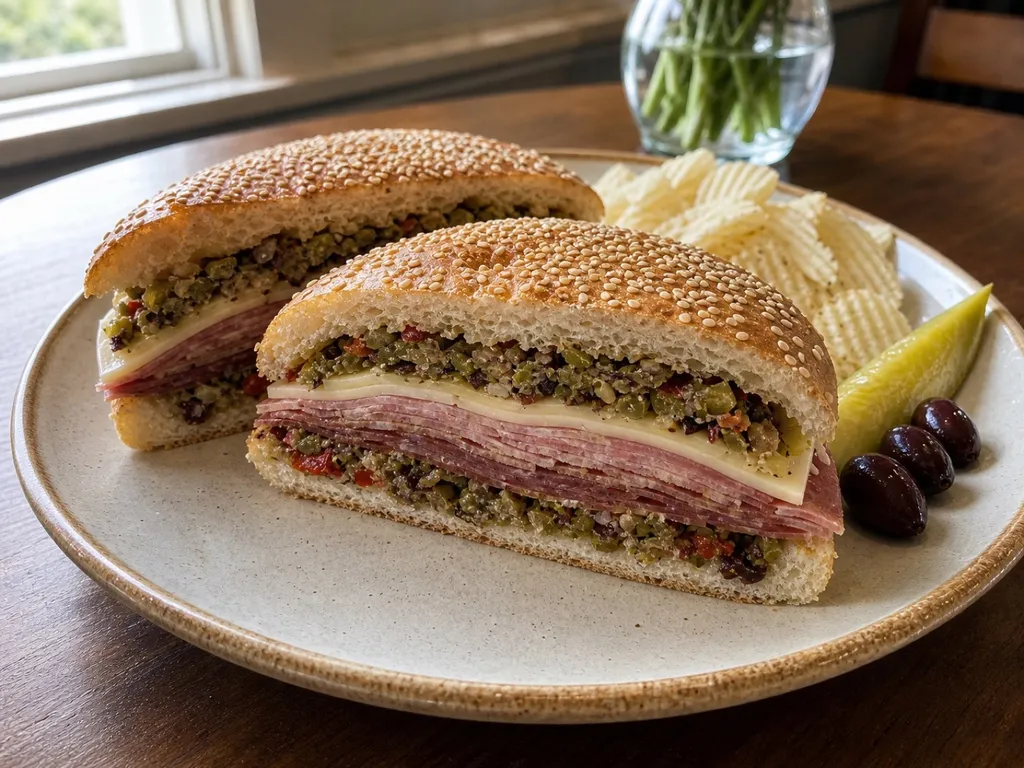
 Muffaletta Sandwich
New Orleans' legendary sandwich — layers of Italian cold cuts and provolone on a sesame round, piled high with briny, garlicky olive salad that soaks into the bread.
Contains common allergens
In the app, Listahan checks these against your household automatically.
Good to know
- Ready in under 30 minutes
Matched from this dish's own ingredients and timing. Browse more: 30-minute meals
Instructions
6 steps- 1
Slice the large round loaf of bread in half horizontally to create a top and bottom bun.
- 2
Spread half of the olive salad evenly across the bottom half of the bread, making sure to include the olive oil juices.
- 3
Layer the provolone cheese, mortadella, salami, and ham in overlapping even layers.
- 4
Spread the remaining olive salad on the top half of the bread and place it over the meats to close the sandwich.
- 5
Wrap the entire sandwich tightly in plastic wrap or foil.
- 6
Place a heavy skillet or weight on top of the wrapped sandwich for 1-2 hours to press it, allowing the olive juices to soak into the bread before slicing into wedges.
 Images are for illustrative purposes only, may be inaccurate, and do not guarantee the presence or absence of specific ingredients.
 Listahan Family Score™
75/100
Good fit for most families
Score reflects how well this recipe fits a typical busy household. In the app, your Family Score is personalized to your household's allergens, kids, and pantry.
Nutrition
per serving835
Calories
53 g
Protein
3 g
Carbs
67 g
Fat
Estimated per serving. Actual values depend on the brands and portions you use.
Listahan cooking guide
Chef notes & practical guide
Technique notes, ingredient swaps, serve-alongside ideas, storage guidance, and equipment for this recipe.
Cultural context
The muffaletta was created in 1906 at Central Grocery in New Orleans by Sicilian immigrant Salvatore Lupo, who combined the Italian meats, cheeses, and olive salad that his market customers were buying separately into a single round sandwich. The name comes from the round Sicilian sesame bread of the same name that forms the vessel. It spread through New Orleans as Sicilian and Italian immigrant communities shaped the city's food culture, and the olive salad — a briny, oily mixture of olives, pickled vegetables, and herbs — remains the dish's most defining element.
Listahan note
This version lets the assembled sandwich rest wrapped for at least an hour before serving so the olive oil from the salad soaks into the bread, creating the characteristic moist, richly flavored crumb that makes the muffaletta unlike any other Italian cold cut sandwich.
Technique cues
- The olive salad is the soul of this sandwich — make it at least a day ahead if possible so the garlic, herbs, and olive oil have time to meld into a cohesive, deeply flavored condiment rather than a collection of separate pickled items.
- Press the assembled sandwich under a heavy cutting board or skillet for thirty minutes before serving — this compression melds the layers and prevents the filling from sliding when you cut the round into wedges.
- Toast the cut side of the bread briefly before assembly if you want structural integrity; if you prefer the classic version where the bread nearly dissolves into the filling, skip the toast and wrap tightly instead.
Kitchen flow
- Parallel prep
- Make the olive salad while you slice the deli meats and cheese; both take about ten minutes and you can assemble the sandwich immediately after.
- Make-ahead
- The fully assembled and wrapped muffaletta improves after resting in the refrigerator for two to four hours or overnight — it is genuinely a better next-day sandwich than same-day.
- Leftover move
- Leftover olive salad keeps refrigerated for two weeks and is excellent on grilled fish, pasta salads, or alongside charcuterie.
- Cleanup rhythm
- The olive oil from the salad tends to pool on the cutting board; place a sheet of plastic wrap or foil under the sandwich before slicing to catch the drips.
Ingredient brief
Role, handling, and swap guidance for each key ingredient.
round Italian sesame bread or muffaletta loaf
structural vessel
Purpose: The dense, slightly chewy crumb of a round Italian loaf is designed to absorb olive oil without disintegrating, which is essential when the sandwich rests before serving.
Handling: Slice horizontally through the equator and hollow out a small amount of the soft crumb from each half to make room for the filling.
Adaptation: A large round ciabatta or focaccia works well; avoid sourdough, which is too tangy and competes with the olive salad acidity.
green olives
brine and saltiness anchor of the olive salad
Purpose: Pimento-stuffed green olives provide most of the salty, tangy flavor in the olive salad and their firm texture contrasts the softer meats and cheese.
Handling: Roughly chop rather than leaving whole so the olive pieces nestle into the bread rather than sliding out with every bite.
Adaptation: Castelvetrano olives offer a buttery, milder flavor that makes the salad less intensely briny for those who find standard green olives too sharp.
giardiniera
pickled vegetable texture and acidity
Purpose: Italian giardiniera — pickled cauliflower, carrots, and peppers — provides crunchy texture and bright vinegar acidity that keeps the fat-heavy filling from tasting heavy.
Handling: Drain well and roughly chop before adding to the olive salad so the pieces are bite-sized and the excess brine does not make the bread soggy too quickly.
Adaptation: Drained pickled banana peppers and chopped pepperoncini can stand in for giardiniera with a slightly simpler but still tangy result.
Genoa salami
cured meat layer
Purpose: Genoa salami provides the primary porky, garlicky base note of the cured meat filling and its fat content carries flavor through every bite.
Handling: Layer slices in an overlapping shingle pattern so every cross-section of the sandwich has even coverage.
Adaptation: Soppressata or capicola is an equally authentic and more intensely flavored substitute if Genoa salami is unavailable.
provolone cheese
creamy binder
Purpose: Provolone's mild, slightly sharp flavor and good melt potential hold the filling layers together and balance the salty meats and briny olive salad.
Handling: Use thinly sliced deli provolone rather than the thicker block version so it lies flat and does not create an uneven bite.
Adaptation: Fontina or mild Asiago melt similarly and complement the Italian meats without overpowering them.
Technique notes
- The ratio of olive salad to meat should be close to equal by volume — novice versions often underload the salad, which is the most important element; Central Grocery's original uses a generous, almost aggressive amount.
- Warming the finished sandwich in a 350-degree oven for eight minutes produces a hybrid version where the cheese melts slightly and the crust crisps up — a different but equally valid style popular in the French Quarter.
- Make the olive salad with a mix of green and black olives for a more complex, slightly earthier flavor profile than green olives alone.
Ingredient swaps
- Gluten-free direction
- Serve the fillings over gluten-free crackers or a large gluten-free flatbread rather than traditional Italian bread, with the olive salad spooned generously over the top.
- Lower-sodium direction
- Rinse canned olives and giardiniera before making the salad, and choose lower-sodium deli meats; the sandwich will still taste deeply flavored because of the herbs and garlic in the salad.
- Vegetarian direction
- Replace all deli meats with additional provolone, marinated artichoke hearts, roasted red peppers, and fresh mozzarella for a richly flavored meat-free version.
- Weeknight shortcut
- Buy prepared olive salad from a jarred brand (look for the Central Grocery brand online) to skip the homemade step and assemble the sandwich in five minutes.
Serve alongside
- dill pickle spears
- Creole potato salad
- hot chicory coffee
- Barq's root beer over ice
- light-bodied Chianti
Serving suggestions only — check pairings for your household's allergens.
Storage & reheating
- Wrap the assembled sandwich tightly in plastic wrap or foil and refrigerate for up to two days; the olive salad continues to flavor the bread the longer it sits. Bring to room temperature for thirty minutes before serving if eating cold, or warm in a 350-degree oven for eight minutes for the toasted version.
Equipment
- serrated bread knife for clean cuts through the round loaf
- heavy cutting board or cast iron skillet for pressing
- plastic wrap for wrapping the resting sandwich
- small food processor or knife for chopping the olive salad
Make this household-aware
Listahan Pro checks this recipe against your household's allergens, finds pantry-aware swaps, builds the shopping list, and helps you plan the week around it.
Plan it in Listahan
Add Muffaletta Sandwich to your week, check it against your household's allergens, and build the shopping list automatically.
More Cajun & Creole recipes
 Cajun & Creole Lens Verified Images are for illustrative purposes only, may be inaccurate, and do not guarantee the presence or absence of specific ingredients.
 Oysters Bienville
A classic New Orleans baked oyster dish crowned with a rich shrimp-and-mushroom cream sauce, browned to perfection on the half shell.
 Cajun & Creole Lens Verified Images are for illustrative purposes only, may be inaccurate, and do not guarantee the presence or absence of specific ingredients.
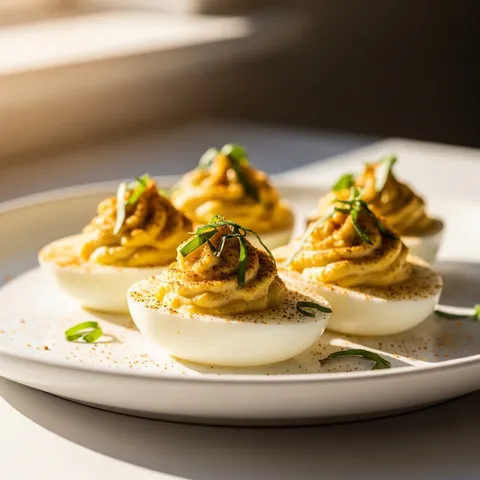
 Cajun Deviled Eggs
Classic deviled eggs with a Louisiana twist — creamy yolk filling spiked with hot sauce, Creole mustard, and cayenne, topped with a sprinkle of smoked paprika.
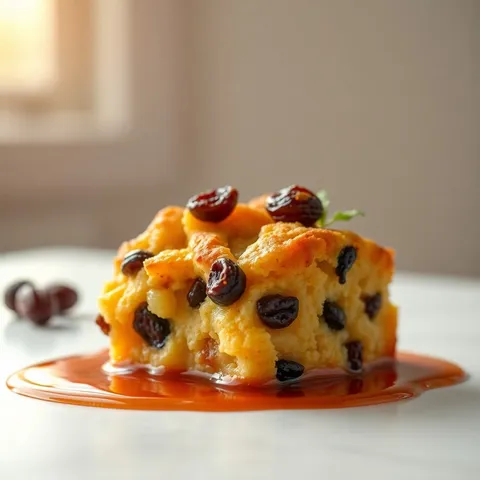 Cajun & Creole Lens Verified Images are for illustrative purposes only, may be inaccurate, and do not guarantee the presence or absence of specific ingredients.
 Creole Bread Pudding
Day-old French bread soaked in a rich custard of cream, eggs, and vanilla, baked golden, then drowned in a warm bourbon-laced whiskey sauce.