 Cajun & Creole Images are for illustrative purposes only, may be inaccurate, and do not guarantee the presence or absence of specific ingredients.
  Serving Images are for illustrative purposes only, may be inaccurate, and do not guarantee the presence or absence of specific ingredients.
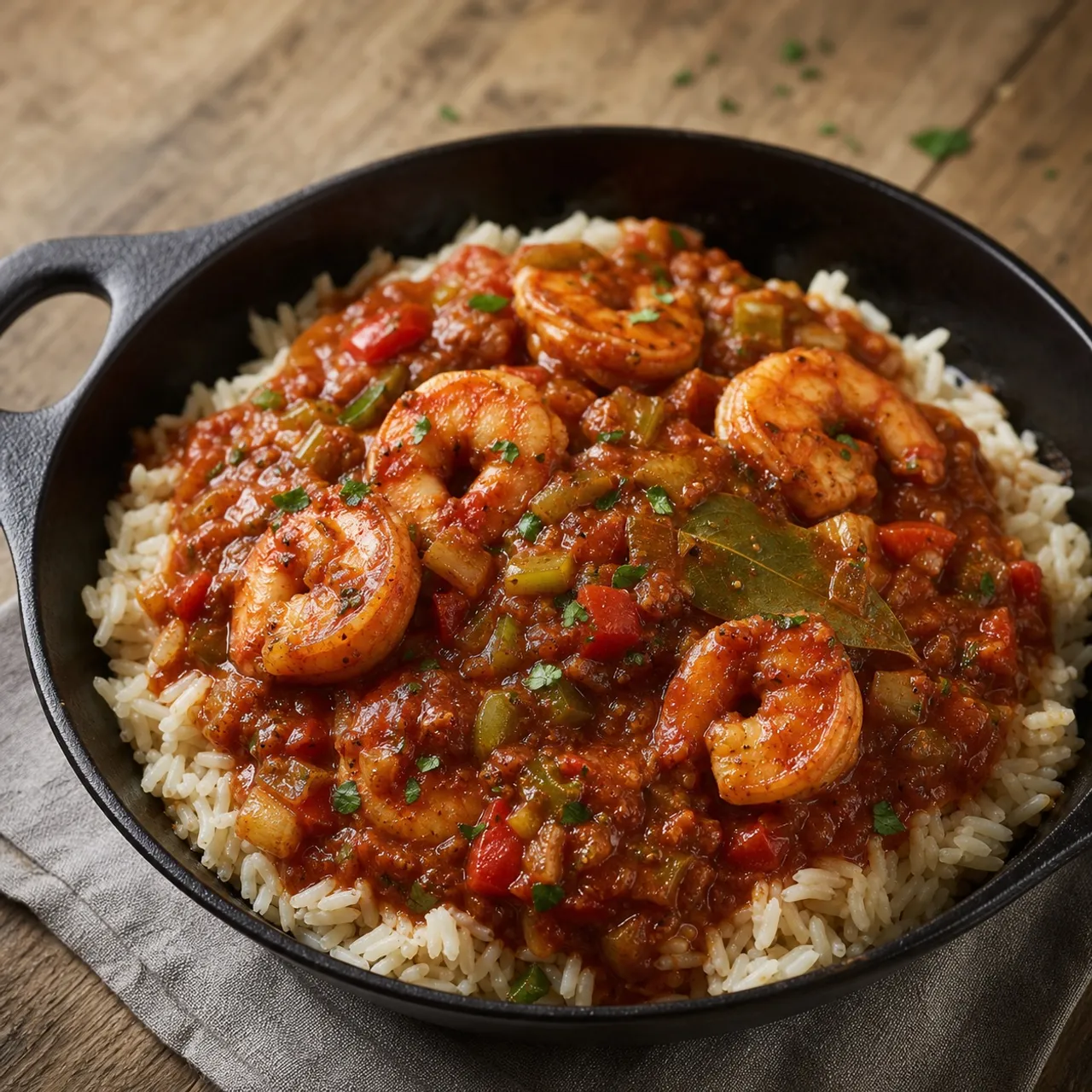
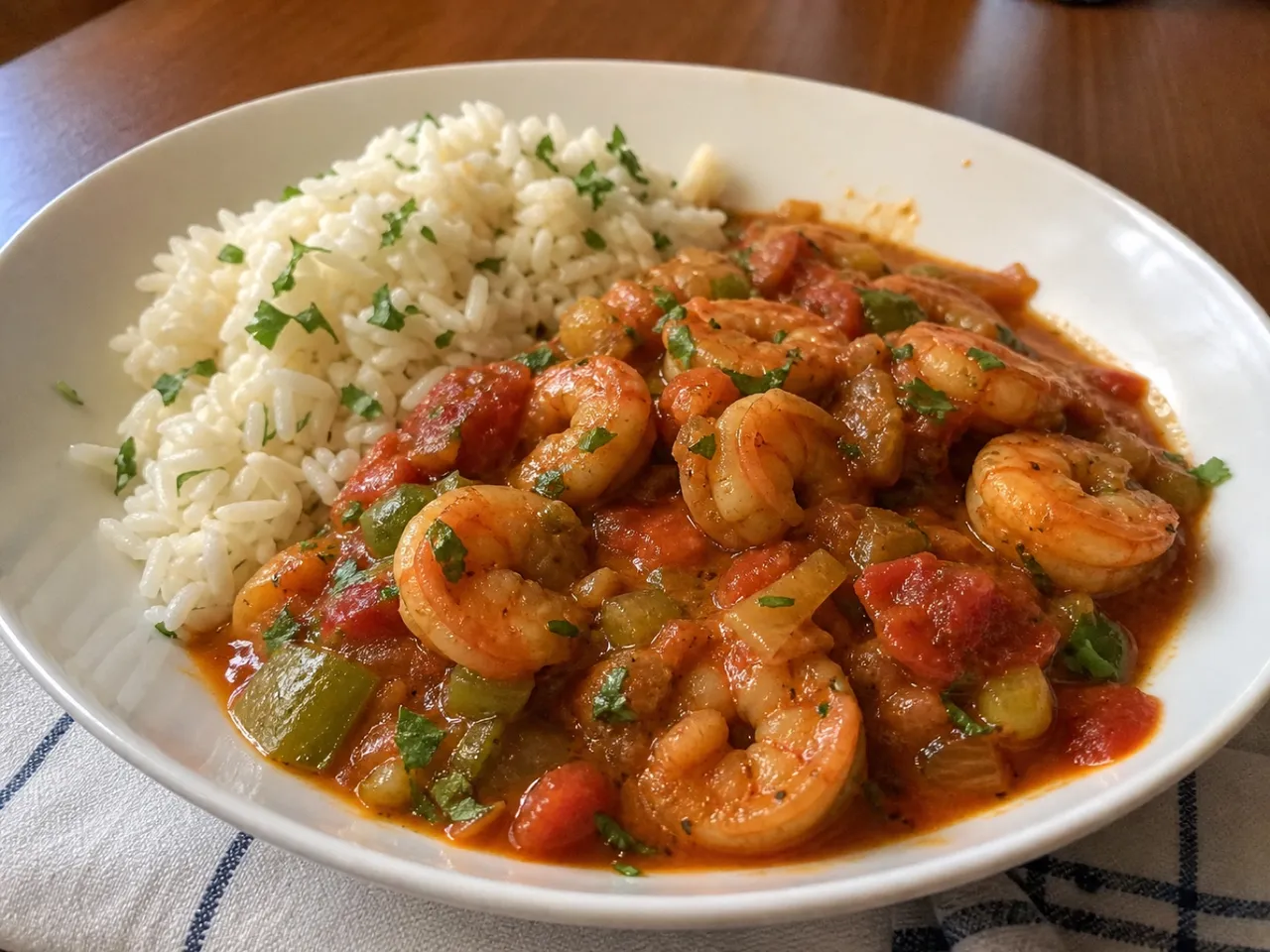
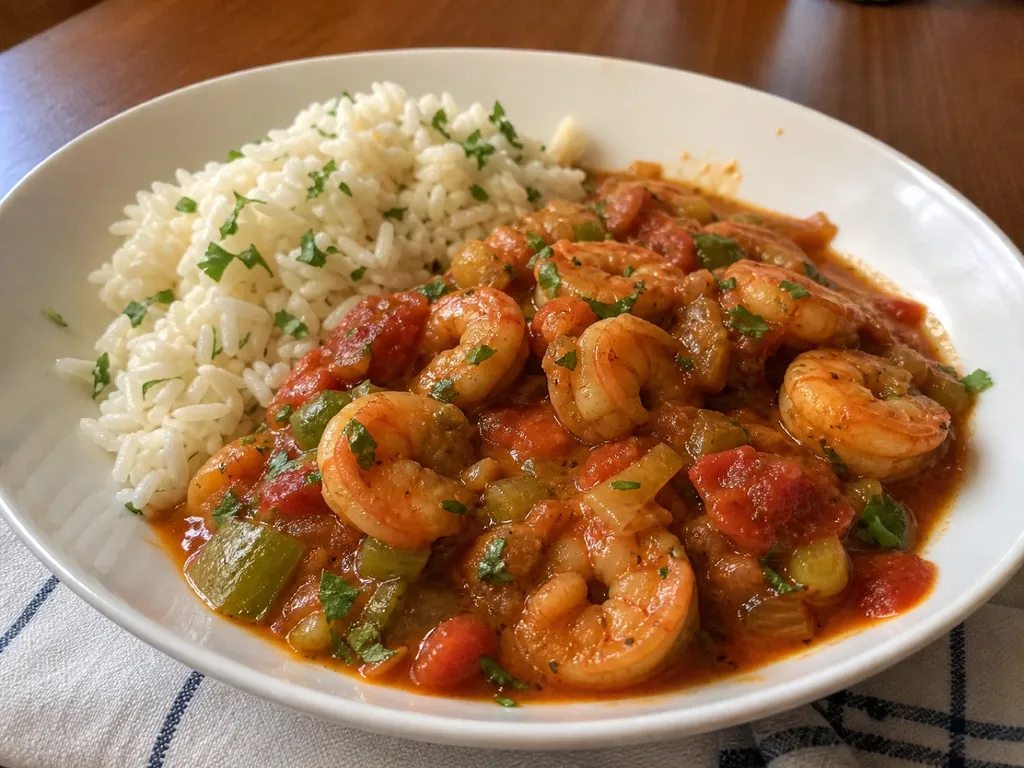
 Shrimp Creole
Juicy Gulf shrimp braised in a lively Creole tomato sauce spiked with cayenne, garlic, and thyme — bright, bold, and begging to be served over rice.
Contains common allergens
In the app, Listahan checks these against your household automatically.
Instructions
6 steps- 1
Heat 2 tablespoons of olive oil in a deep skillet over medium heat. Sauté the onion, bell pepper, and celery until soft.
- 2
Add the minced garlic and cook for an additional 30 seconds until its aroma is released.
- 3
Pour in the crushed tomatoes, hot sauce, and seasonings. Stir well to combine.
- 4
Reduce the heat and let the sauce simmer gently for 20 minutes to meld the flavors, stirring occasionally.
- 5
Add the prepared shrimp to the sauce, submerging them completely. Cook for 5-7 minutes until the shrimp are firm, pink, and opaque.
- 6
Adjust seasoning to taste and serve hot over a bed of freshly steamed white rice.
 Images are for illustrative purposes only, may be inaccurate, and do not guarantee the presence or absence of specific ingredients.
 Listahan Family Score™
53/100
Works for many families
Score reflects how well this recipe fits a typical busy household. In the app, your Family Score is personalized to your household's allergens, kids, and pantry.
Nutrition
per serving185
Calories
41 g
Protein
4 g
Carbs
1 g
Fat
Estimated per serving. Actual values depend on the brands and portions you use.
Listahan cooking guide
Chef notes & practical guide
Technique notes, ingredient swaps, serve-alongside ideas, storage guidance, and equipment for this recipe.
Cultural context
Shrimp Creole is a dish of the urban New Orleans Creole kitchen, distinguishable from its Cajun cousins by the presence of tomatoes in the sauce — a marker of the city's French and Spanish colonial influence, as well as the access New Orleans cooks had to imported goods through the port. By the late nineteenth century it appeared regularly on restaurant menus in the French Quarter and in home cookbooks aimed at middle-class Creole families. The dish showcases the Gulf shrimp that defined the region's economy long before oil did.
Listahan note
This version builds the tomato sauce with whole canned tomatoes crushed by hand rather than puree, so the texture stays chunky and the natural tomato acidity comes through cleanly against the shrimp.
Technique cues
- Simmer the tomato sauce for at least twenty minutes before adding shrimp so the raw tomato taste cooks out and the sauce develops a rounded, slightly sweet depth.
- Season shrimp lightly with Cajun spice before adding them to the pot — this step builds flavor on the protein itself rather than relying on the sauce alone to do all the work.
- Pull the pot off heat the moment the shrimp turn pink and opaque; they continue cooking from residual heat for another minute, and overcooked shrimp turn tough before they hit the plate.
Kitchen flow
- Parallel prep
- While the tomato sauce simmers, cook the white rice separately so both finish at the same time and nothing waits on the other.
- Make-ahead
- The tomato sauce base keeps refrigerated for up to four days; reheat it to a simmer, then add fresh shrimp just before serving for a meal that feels freshly made.
- Leftover move
- Chop leftover shrimp and stir the whole mixture into scrambled eggs the next morning for a Creole-spiced egg dish that requires zero extra cooking.
- Cleanup rhythm
- Rinse the pot immediately after plating while the tomato sauce is still fluid — once tomato paste and starch dry on a surface they require significant scrubbing.
Ingredient brief
Role, handling, and swap guidance for each key ingredient.
large shrimp
star protein
Purpose: Gulf shrimp have a firmer texture and brinier flavor than Pacific varieties, making them hold up well in a saucy braise without falling apart.
Handling: Peel and devein raw shrimp, leaving tails on for presentation if desired, and pat dry so they brown lightly rather than steam.
Adaptation: Jumbo sea scallops can replace shrimp with a two-minute sear per side before being nestled into the finished sauce.
whole peeled canned tomatoes
sauce body
Purpose: Canned whole tomatoes provide consistent flavor year-round and break down into a chunky sauce with more character than smooth puree.
Handling: Crush them by hand directly into the pot so you control the chunk size and avoid the metallic note that blender-processing sometimes creates.
Adaptation: Fresh Roma tomatoes, blanched and peeled, work beautifully in summer when the variety is at peak ripeness.
green bell pepper
aromatic holy trinity
Purpose: Green bell pepper is the third pillar of the Cajun-Creole trinity and gives the sauce a slightly vegetal bitterness that contrasts the tomato sweetness.
Handling: Dice to half-inch pieces so they soften fully in the sauce and do not retain a raw crunch.
Adaptation: Red bell pepper sweetens the sauce noticeably if you want less bitterness and a slightly more vibrant color.
Worcestershire sauce
umami booster
Purpose: A small pour of Worcestershire adds fermented depth and savory complexity that amplifies the shrimp flavor without tasting identifiable.
Handling: Add during the sauce-building stage rather than at the end so the anchovy and tamarind notes have time to mellow and integrate.
Adaptation: Coconut aminos provide a similar umami quality without gluten and with a slightly sweeter profile.
bay leaves
background herbal note
Purpose: Bay leaves contribute a subtle medicinal-floral background that is characteristic of Louisiana cooking and ties the tomato, pepper, and spice together.
Handling: Add two leaves at the start of the tomato simmer and remove both before serving — they are unpleasant to bite into.
Adaptation: A small sprig of fresh thyme can replace bay leaves when they are unavailable, added and removed in the same way.
Technique notes
- A teaspoon of file powder (ground sassafras leaves) stirred in off-heat thickens the sauce slightly and adds the earthy, slightly root-beer-like flavor that is authentically New Orleans.
- Brown the shrimp shells in a dry pan with a splash of water to make a quick shell stock to use in place of water or store-bought broth — ten minutes of simmering produces significant flavor.
- Let the finished dish sit covered for five minutes off heat before serving; this rest period allows the shrimp to absorb some of the sauce and the flavors to equalize across the pot.
Ingredient swaps
- Shellfish-free direction
- Diced chicken thigh, browned before the vegetables, can replace shrimp and produces a heartier, equally satisfying version of the Creole sauce.
- Lower-sodium direction
- Use no-salt-added canned tomatoes and low-sodium chicken stock, then season only with fresh herbs and a small amount of Cajun blend at the end rather than throughout.
- Gluten-free direction
- Check the Worcestershire sauce label and substitute a certified gluten-free brand or coconut aminos; all other ingredients in this dish are naturally gluten-free.
- Weeknight shortcut
- Pre-peeled frozen shrimp, thawed under cold running water, cuts active prep time to under ten minutes and the sauce can be refrigerated from a weekend batch.
Serve alongside
- steamed long-grain white rice
- crusty French bread for sauce mopping
- simple green salad with creole mustard vinaigrette
- cold Dixie lager
- dry rose from Provence
Serving suggestions only — check pairings for your household's allergens.
Storage & reheating
- Refrigerate the shrimp and sauce together in a sealed container for up to two days, though shrimp texture softens noticeably by day two. Reheat gently over low heat just until warmed through — do not boil or the shrimp become rubbery.
Equipment
- large heavy-bottomed skillet or wide Dutch oven
- wooden spoon for stirring the tomato base
- rice cooker or medium saucepan for rice
- slotted spoon for checking shrimp doneness
Make this household-aware
Listahan Pro checks this recipe against your household's allergens, finds pantry-aware swaps, builds the shopping list, and helps you plan the week around it.
Plan it in Listahan
Add Shrimp Creole to your week, check it against your household's allergens, and build the shopping list automatically.
More Cajun & Creole recipes
 Cajun & Creole Lens Verified Images are for illustrative purposes only, may be inaccurate, and do not guarantee the presence or absence of specific ingredients.
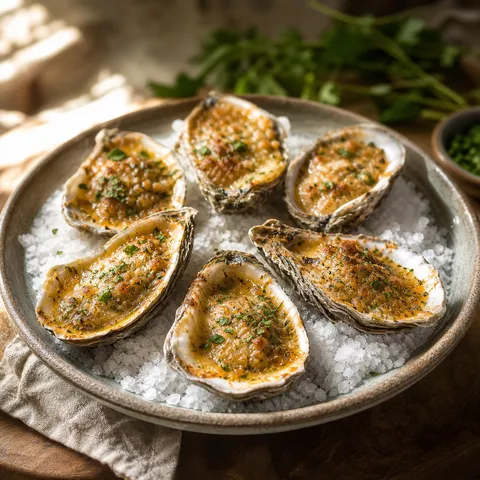
 Oysters Bienville
A classic New Orleans baked oyster dish crowned with a rich shrimp-and-mushroom cream sauce, browned to perfection on the half shell.
 Cajun & Creole Lens Verified Images are for illustrative purposes only, may be inaccurate, and do not guarantee the presence or absence of specific ingredients.
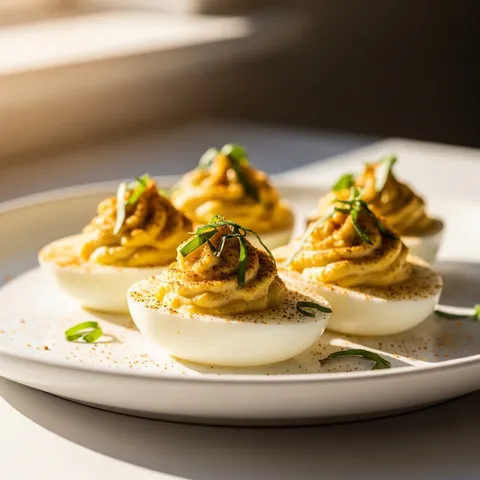
 Cajun Deviled Eggs
Classic deviled eggs with a Louisiana twist — creamy yolk filling spiked with hot sauce, Creole mustard, and cayenne, topped with a sprinkle of smoked paprika.
 Cajun & Creole Lens Verified Images are for illustrative purposes only, may be inaccurate, and do not guarantee the presence or absence of specific ingredients.
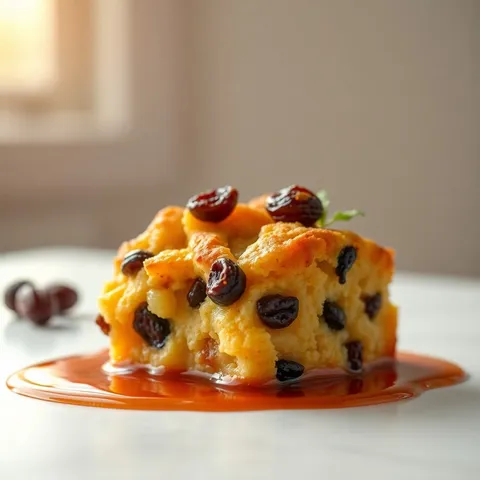
 Creole Bread Pudding
Day-old French bread soaked in a rich custard of cream, eggs, and vanilla, baked golden, then drowned in a warm bourbon-laced whiskey sauce.