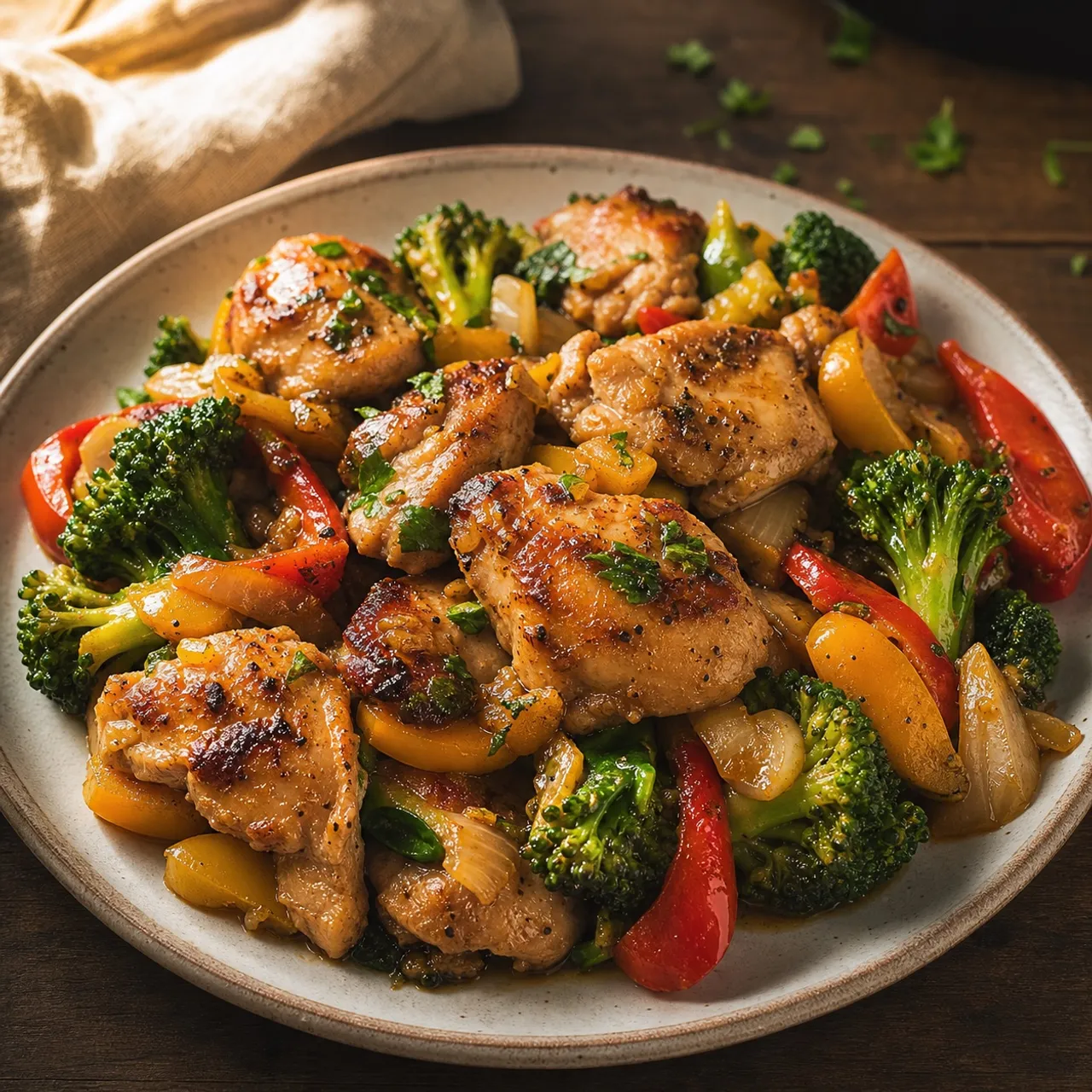
 Chicken & Poultry Images are for illustrative purposes only, may be inaccurate, and do not guarantee the presence or absence of specific ingredients.
 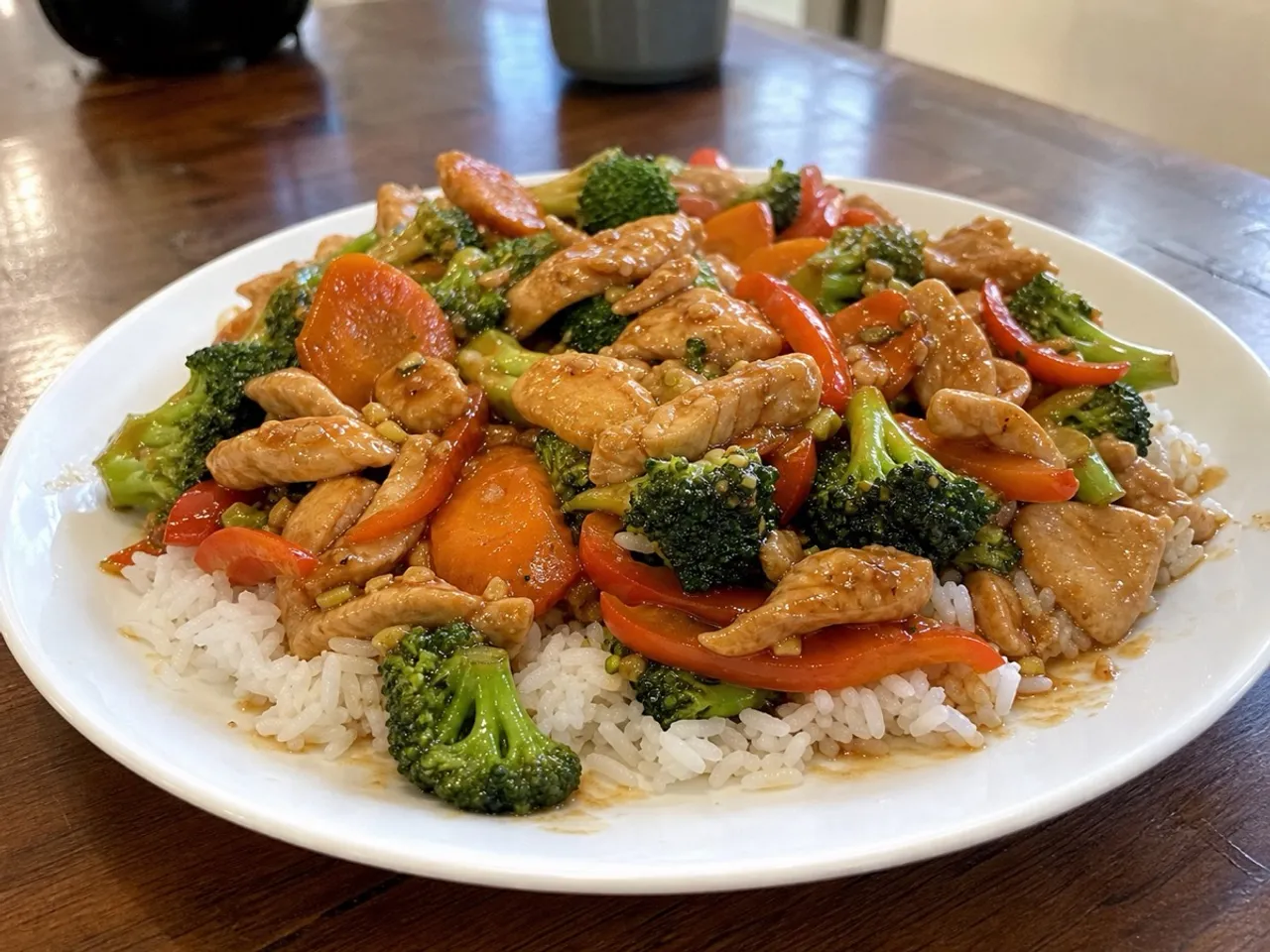 Serving Images are for illustrative purposes only, may be inaccurate, and do not guarantee the presence or absence of specific ingredients.
 Chicken Stir-Fry with Vegetables
Quick weeknight stir-fry of tender chicken and crisp vegetables in a savory garlic-soy sauce.
Contains common allergens
In the app, Listahan checks these against your household automatically.
Good to know
- Ready in under 30 minutes
Matched from this dish's own ingredients and timing. Browse more: 30-minute meals
Instructions
7 steps- 1
Toss chicken slices with 1 tablespoon soy sauce and cornstarch; let sit 10 minutes.
- 2
Heat 2 tablespoons oil in a wok or large skillet over high heat; stir-fry chicken until browned and cooked through, about 5 minutes. Remove and set aside.
- 3
Add remaining oil to the wok; stir-fry broccoli, carrot, and bell pepper 3-4 minutes until crisp-tender.
- 4
Add garlic and ginger; cook 30 seconds.
- 5
Return chicken to the wok; add remaining soy sauce, oyster sauce, sesame oil, and chicken broth.
- 6
Toss everything together and cook 2 minutes until heated through and sauce coats the ingredients.
- 7
Serve over rice.
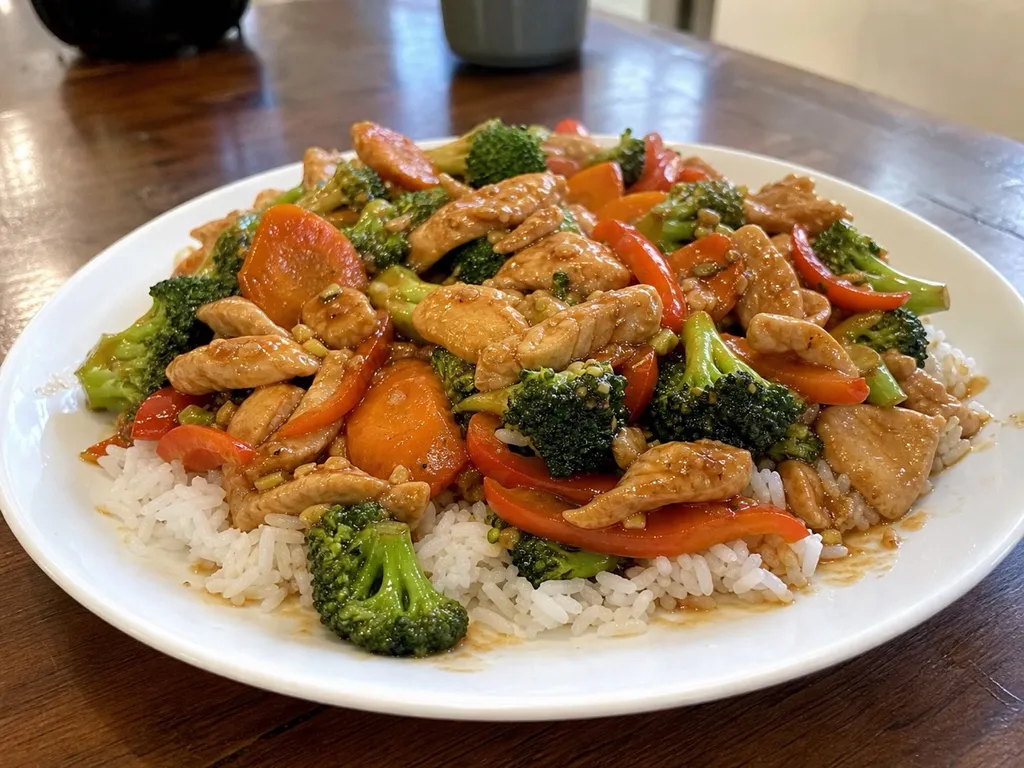 Images are for illustrative purposes only, may be inaccurate, and do not guarantee the presence or absence of specific ingredients.
 Listahan Family Score™
62/100
Works for many families
Score reflects how well this recipe fits a typical busy household. In the app, your Family Score is personalized to your household's allergens, kids, and pantry.
Nutrition
per serving435
Calories
56 g
Protein
11 g
Carbs
18 g
Fat
Estimated per serving. Actual values depend on the brands and portions you use.
Listahan cooking guide
Chef notes & practical guide
Technique notes, ingredient swaps, serve-alongside ideas, storage guidance, and equipment for this recipe.
Cultural context
Stir-frying comes from Chinese wok cooking, where small, evenly cut pieces cook fast over strong heat. North American weeknight versions often keep that logic but use a large skillet, supermarket vegetables, and pantry sauces like soy sauce and oyster sauce.
Listahan note
This version keeps the method practical: velvet the chicken lightly with cornstarch, cook the meat and vegetables separately, then bring everything together in a short, glossy sauce. It prioritizes crisp vegetables and tender chicken over a saucy takeout-style finish.
Technique cues
- Slice the chicken thinly across the grain so it cooks quickly before the outside dries out.
- Keep the pan hot and do not overload it. If the chicken piles up, it releases moisture and steams instead of browning.
- Add garlic and ginger after the vegetables start to soften; they need only a short burst of heat or they can turn harsh.
Kitchen flow
- Parallel prep
- Start rice first, then slice the chicken and vegetables while it cooks.
- Make-ahead
- Slice the vegetables and mix the sauce components earlier in the day; cook the stir-fry right before serving.
- Leftover move
- Chop leftovers and fold them into fried rice, adding a splash of soy sauce to wake up the seasoning.
- Cleanup rhythm
- Rinse the wok or skillet while it is still warm, before the cornstarch-thickened sauce dries onto the surface.
Ingredient brief
Role, handling, and swap guidance for each key ingredient.
Boneless skinless chicken breasts
Main protein
Purpose: Thin breast slices cook fast and take on the soy-cornstarch coating well.
Handling: Slice evenly and toss with soy sauce and cornstarch before the pan heats.
Adaptation: Boneless skinless chicken thighs give a juicier, slightly richer result and can handle a little extra cooking time.
Soy sauce
Savory seasoning base
Purpose: It seasons the chicken and gives the final sauce its salty, browned depth.
Handling: Use part of it in the chicken coating and save the rest for the sauce so the flavor lands in both places.
Adaptation: A lower-sodium soy sauce gives a lighter sauce, but you may want to reduce the broth slightly to keep the flavor focused.
Cornstarch
Tenderizing coating and sauce helper
Purpose: It forms a light coating on the chicken and helps the sauce cling at the end.
Handling: Toss until no dry patches remain on the chicken slices.
Adaptation: Potato starch gives a similar slick coating with a slightly springier texture.
Broccoli florets, carrot, and red bell pepper
Crisp vegetable mix
Purpose: The mix gives the stir-fry color, crunch, and different cooking textures in one pan.
Handling: Cut everything before cooking, keeping the carrot thin so it softens in the same window as the broccoli and pepper.
Adaptation: Snap peas, zucchini, mushrooms, or green beans work well, but add watery vegetables in small amounts so the pan stays hot.
Garlic and grated ginger
Fresh aromatics
Purpose: They make the sauce taste freshly cooked instead of just salty and sweet-savory.
Handling: Have them ready beside the stove because they cook in about 30 seconds.
Adaptation: Jarred minced garlic or ginger paste can work in a rush, though the flavor is softer and less sharp.
Oyster sauce, sesame oil, and chicken broth
Finishing sauce
Purpose: Oyster sauce adds body, sesame oil adds aroma, and broth loosens the sauce enough to coat the chicken and vegetables.
Handling: Measure them before stir-frying so the final toss happens quickly.
Adaptation: Hoisin sauce makes the dish sweeter and thicker; mushroom stir-fry sauce gives a darker, earthier finish.
Technique notes
- Cook the chicken in a single layer and let it sit briefly before tossing so it can brown.
- Pull the vegetables while they still look a little firm; they keep cooking when the chicken and sauce go back in.
- Add sesame oil at the end, not at the beginning, so its toasted aroma stays noticeable.
Ingredient swaps
- Thigh meat path
- Use boneless skinless chicken thighs for a more forgiving texture; slice them thinly and cook until the edges brown.
- Vegetable drawer version
- Use whatever quick-cooking vegetables you have, but cut dense vegetables thin and add delicate ones near the end.
- Sauce adjustment
- For a lighter coating, use a little extra chicken broth; for a thicker glaze, let the final toss cook another minute.
- Oyster sauce backup
- Use mushroom stir-fry sauce for a deeper, less briny profile, or hoisin for a sweeter takeout-style finish.
Serve alongside
- Steamed jasmine rice
- Scallion fried rice
- Cold cucumber sesame salad
- Ginger-scallion noodles
- Jasmine iced tea
- Sparkling water with lime
- Light lager
Serving suggestions only — check pairings for your household's allergens.
Storage & reheating
- Refrigerate leftovers in a sealed container with the sauce spooned over the chicken and vegetables.
- Reheat in a skillet over medium heat with a splash of broth or water until the sauce loosens and the chicken is hot.
- Freeze portions with rice for a quick meal; thaw overnight and expect the vegetables to be softer after reheating.
Equipment
- Wok or large heavy skillet
- Sharp knife and cutting board
- Tongs or wok spatula
- Small bowl for mixing sauce
Make this household-aware
Listahan Pro checks this recipe against your household's allergens, finds pantry-aware swaps, builds the shopping list, and helps you plan the week around it.
Plan it in Listahan
Add Chicken Stir-Fry with Vegetables to your week, check it against your household's allergens, and build the shopping list automatically.
More Chicken & Poultry recipes
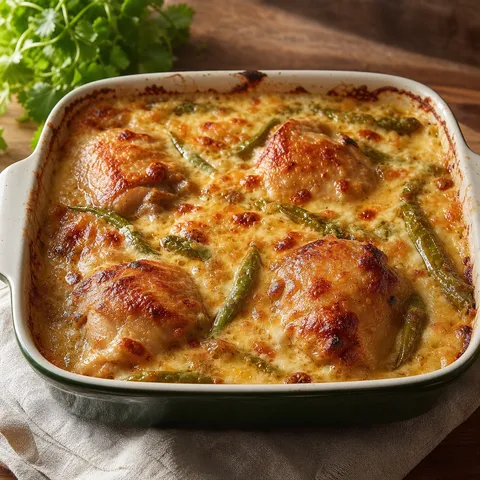 Chicken & Poultry Lens Verified Images are for illustrative purposes only, may be inaccurate, and do not guarantee the presence or absence of specific ingredients.
 Chicken and Green Chili Casserole
A hearty layered Tex-Mex casserole of tender chicken, tortillas, green chilies, and melted cheese in a creamy sauce.
 Chicken & Poultry Lens Verified Images are for illustrative purposes only, may be inaccurate, and do not guarantee the presence or absence of specific ingredients.
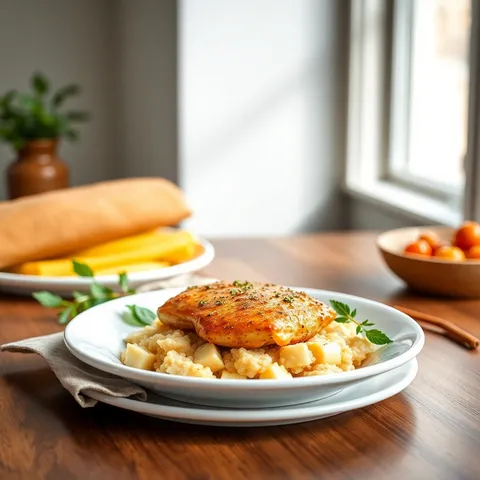
 Garlicky Baked Chicken
Tender baked chicken in a quick, garlicky mayonnaise marinade with a hint of Italian herbs.
 Chicken & Poultry Lens Verified Images are for illustrative purposes only, may be inaccurate, and do not guarantee the presence or absence of specific ingredients.
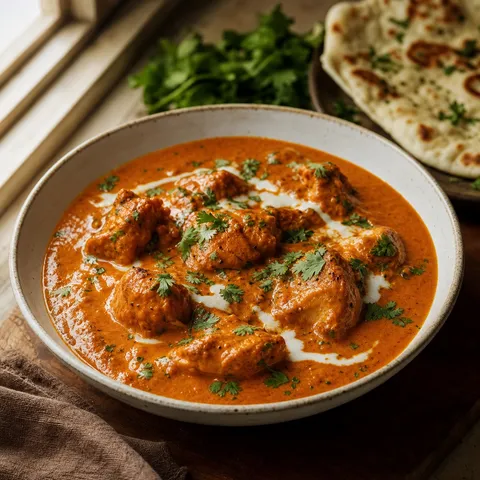
 Butter Chicken (Murgh Makhani)
Tender marinated chicken simmered in a rich, spiced tomato-butter cream sauce, a beloved Indian restaurant classic.