 Desserts Images are for illustrative purposes only, may be inaccurate, and do not guarantee the presence or absence of specific ingredients.
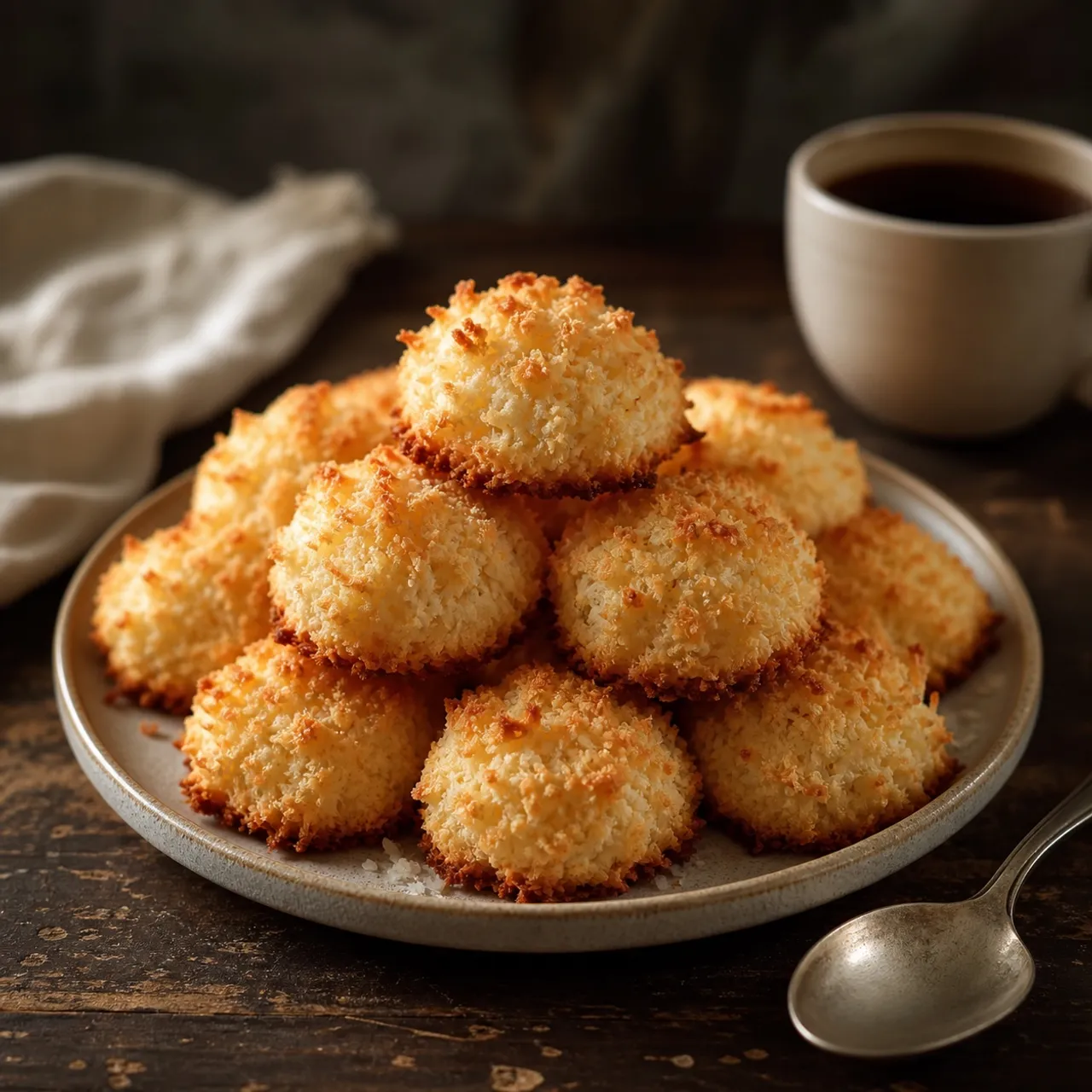
 Passover Coconut Macaroons
Chewy, golden-edged coconut macaroons made with no flour or leavening — a naturally kosher-for-Passover dessert found on seder tables every year.
Contains common allergens
In the app, Listahan checks these against your household automatically.
Instructions
6 steps- 1
Preheat the oven to 325°F (165°C) and line a baking sheet with parchment paper.
- 2
In a large bowl, combine the shredded coconut, sugar, matzo cake meal, and salt.
- 3
In a separate bowl, whisk the egg whites and vanilla extract until slightly frothy, then fold into the coconut mixture until evenly moistened.
- 4
Scoop rounded tablespoons of the mixture onto the prepared baking sheet, packing each gently into a mound.
- 5
Bake for 20-25 minutes, until the tops and edges are golden brown.
- 6
Let cool completely on the baking sheet before removing; the macaroons will firm up as they cool.
Listahan Family Score™
75/100
Good fit for most families
Score reflects how well this recipe fits a typical busy household. In the app, your Family Score is personalized to your household's allergens, kids, and pantry.
Nutrition
per serving155
Calories
2 g
Protein
19 g
Carbs
8 g
Fat
Estimated per serving. Actual values depend on the brands and portions you use.
Listahan cooking guide
Chef notes & practical guide
Technique notes, ingredient swaps, serve-alongside ideas, storage guidance, and equipment for this recipe.
Cultural context
Macaroons have roots in European almond cookies, but coconut versions became especially familiar on North American Passover tables because they do not rely on wheat flour or leavening. Many families know them from tins, bakery trays, or synagogue dessert spreads, with the best homemade versions landing chewy in the middle and deeply golden at the edges.
Listahan note
This version keeps the batter simple and spoonable, with matzo cake meal giving just enough structure so the mounds hold. The main priority is moisture control: evenly damp coconut, compact scoops, and a full cool-down on the baking sheet.
Technique cues
- Pack each scoop gently instead of dropping the mixture loosely; compressed mounds bake up chewy rather than crumbly.
- Look for golden tips and browned lower edges, not an evenly brown cookie. The centers should still feel soft when they come out.
- Let the macaroons cool completely before moving them. They are fragile while hot and firm as the sugar and egg whites set.
Kitchen flow
- Parallel prep
- Line the baking sheet first, then whisk the egg whites while the oven heats so the mixed batter can go straight onto the pan.
- Make-ahead
- Bake the macaroons a day ahead and store them covered once fully cool; the centers stay chewy and the coconut flavor settles.
- Leftover move
- Crumble one over plain yogurt, fruit, or ice cream for a quick coconut topping.
- Cleanup rhythm
- Use parchment and one mixing bowl for the sticky coconut mixture; soak the scoop or spoon right after portioning so the sugar releases.
Ingredient brief
Role, handling, and swap guidance for each key ingredient.
Sweetened shredded coconut
Main body and texture
Purpose: It provides the chewy structure, coconut flavor, and golden edges that define this style of macaroon.
Handling: Break up any clumps before mixing so the egg whites can moisten the coconut evenly.
Adaptation: Unsweetened shredded coconut can be used for a less sweet cookie, but the batter may need a little extra sugar or a slightly smaller scoop to hold together.
Sugar
Sweetness and browning
Purpose: Sugar helps the edges caramelize and gives the cooled macaroons their slightly glossy chew.
Handling: Mix it thoroughly with the coconut and matzo cake meal before adding the wet ingredients.
Adaptation: Reducing it slightly makes a less sweet macaroon, but cutting too much can make the texture drier and less cohesive.
Matzo cake meal
Binder and structure
Purpose: A small amount absorbs moisture and helps the mounds keep their shape without making them cakey.
Handling: Stir it into the dry ingredients so it disperses before the egg whites go in.
Adaptation: Finely ground matzo meal gives a more noticeable grain; potato starch gives a softer, less toasty result.
Egg whites
Binder and lift
Purpose: They hold the coconut together and set into a chewy interior as the cookies bake.
Handling: Whisk only until slightly frothy; stiff peaks are unnecessary and can make the mixture harder to scoop evenly.
Adaptation: Carton egg whites can work if they foam lightly, but fresh separated whites usually give a cleaner set.
Vanilla extract
Background aroma
Purpose: Vanilla rounds out the sweetness and softens the sharp edge of plain sugar and egg white.
Handling: Whisk it with the egg whites so the flavor spreads evenly through the batter.
Adaptation: Almond extract gives a more old-fashioned bakery note, but use much less because it is stronger.
Technique notes
- If the mixture looks dry, fold it a few extra turns before adding anything. The coconut often needs a minute to absorb the egg whites.
- Use rounded tablespoons for even baking. Oversized mounds can brown outside before the centers set.
- Leave space between mounds even though they do not spread much; airflow helps the sides toast instead of steam.
Ingredient swaps
- Less sweet direction
- Use unsweetened shredded coconut and keep the sugar close to the original amount, then taste the baked result before reducing further next time.
- Crisper edge path
- Make slightly smaller mounds and bake toward the longer end of the range for more toasted edges and a firmer bite.
- Chocolate finish
- Dip the cooled bottoms in melted dark chocolate and let them set on parchment for a bakery-style variation.
Serve alongside
- Fresh berry salad
- Orange slices with mint
- Flourless chocolate cake
- Poached pears with cinnamon
- Hot black tea
- Coffee with milk
- Sparkling grape juice
Serving suggestions only — check pairings for your household's allergens.
Storage & reheating
- Refrigerate fully cooled macaroons in a sealed container for up to 5 days.
- Rewarm briefly in a low oven if you want the edges to taste freshly toasted, then let them cool for a few minutes before serving.
- Freeze in a single layer, then transfer to a sealed container; thaw at room temperature and refresh in a low oven if the edges soften.
Equipment
- Rimmed baking sheet
- Parchment paper
- Large mixing bowl
- Tablespoon cookie scoop
Make this household-aware
Listahan Pro checks this recipe against your household's allergens, finds pantry-aware swaps, builds the shopping list, and helps you plan the week around it.
Plan it in Listahan
Add Passover Coconut Macaroons to your week, check it against your household's allergens, and build the shopping list automatically.
More Desserts recipes
 Desserts Lens Verified Images are for illustrative purposes only, may be inaccurate, and do not guarantee the presence or absence of specific ingredients.
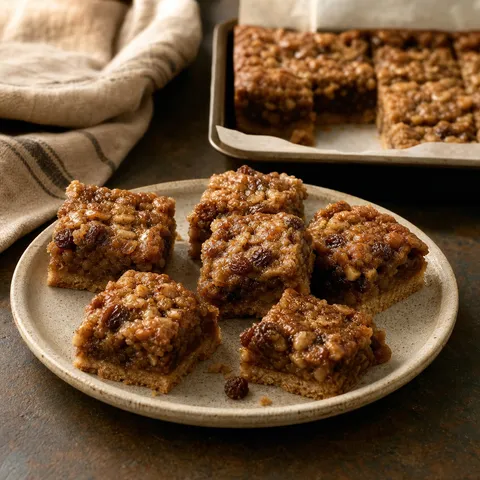
 Buttertart Squares
Chewy butter tart squares with a shortbread base and a gooey brown sugar, raisin, and walnut topping.
 Desserts Lens Verified Images are for illustrative purposes only, may be inaccurate, and do not guarantee the presence or absence of specific ingredients.
 Amber and Zach's Kisses
Light, crisp meringue kisses that melt in your mouth and make a pretty edible decoration.
 Desserts Lens Verified Images are for illustrative purposes only, may be inaccurate, and do not guarantee the presence or absence of specific ingredients.
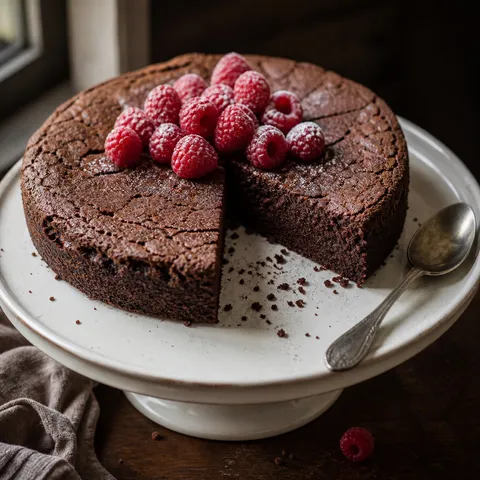
 Passover Flourless Chocolate Cake
A rich, dense flourless chocolate cake with no flour, matzo meal, or leavening — a naturally kosher-for-Passover dessert perfect for the seder table.