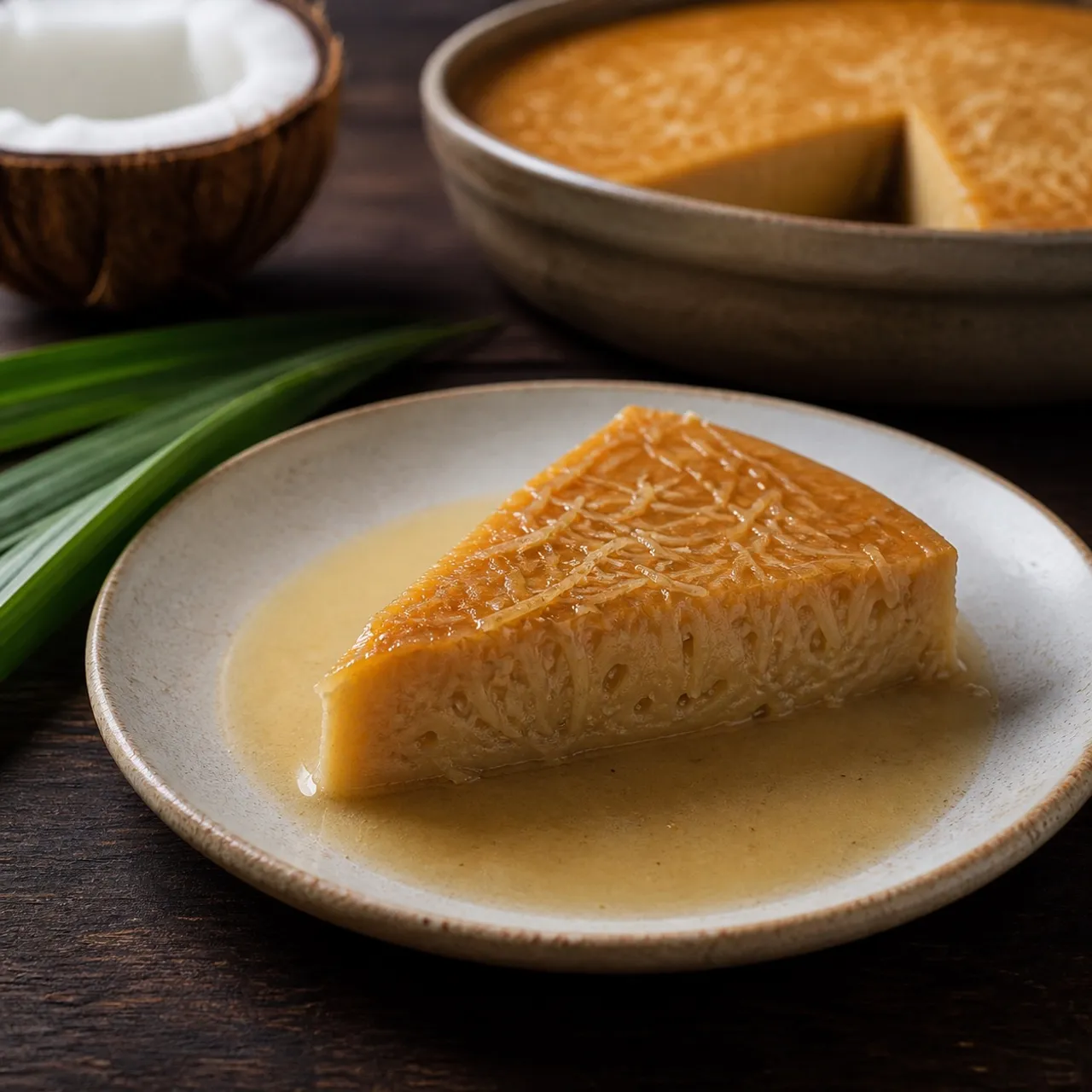
 Desserts Images are for illustrative purposes only, may be inaccurate, and do not guarantee the presence or absence of specific ingredients.
 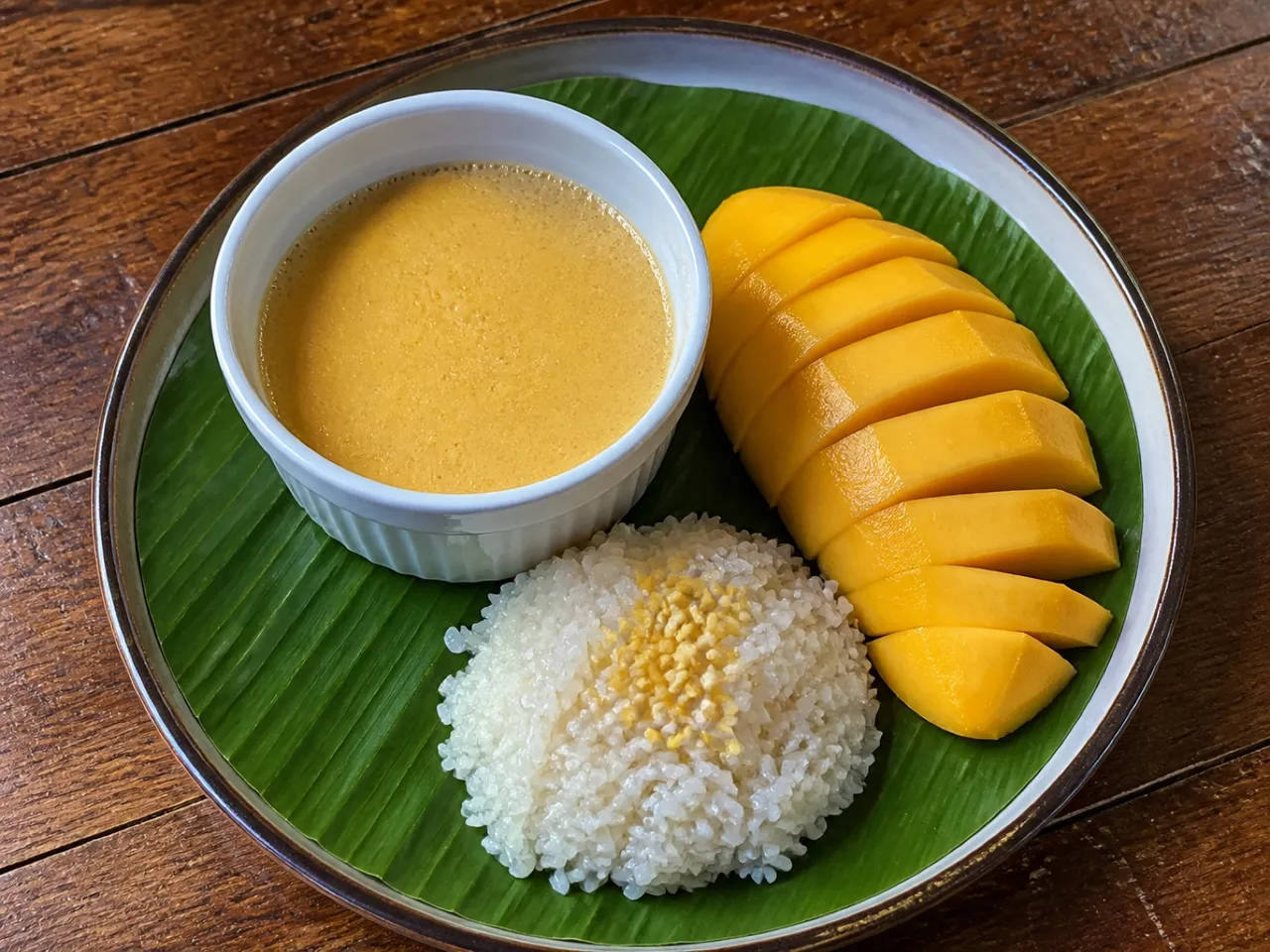 Serving Images are for illustrative purposes only, may be inaccurate, and do not guarantee the presence or absence of specific ingredients.
 Thai Coconut Custard
A silky, fragrant Thai-style custard made with coconut milk and palm sugar, finished with a caramelized top.
Contains common allergens
In the app, Listahan checks these against your household automatically.
Instructions
4 steps- 1
In a bowl, beat together the coconut milk, eggs, palm sugar, and salt until the sugar begins to dissolve and the mixture is smooth.
- 2
Pour the mixture into the top of a double boiler and cook over simmering water, stirring constantly, until it thickens and resembles soft scrambled eggs.
- 3
Pour the custard into a small casserole dish and bake at 350°F (175°C) for about 30 minutes, until set.
- 4
Place the dish under a broiler for a minute or two until the top is lightly browned and caramelized, then cool before serving.
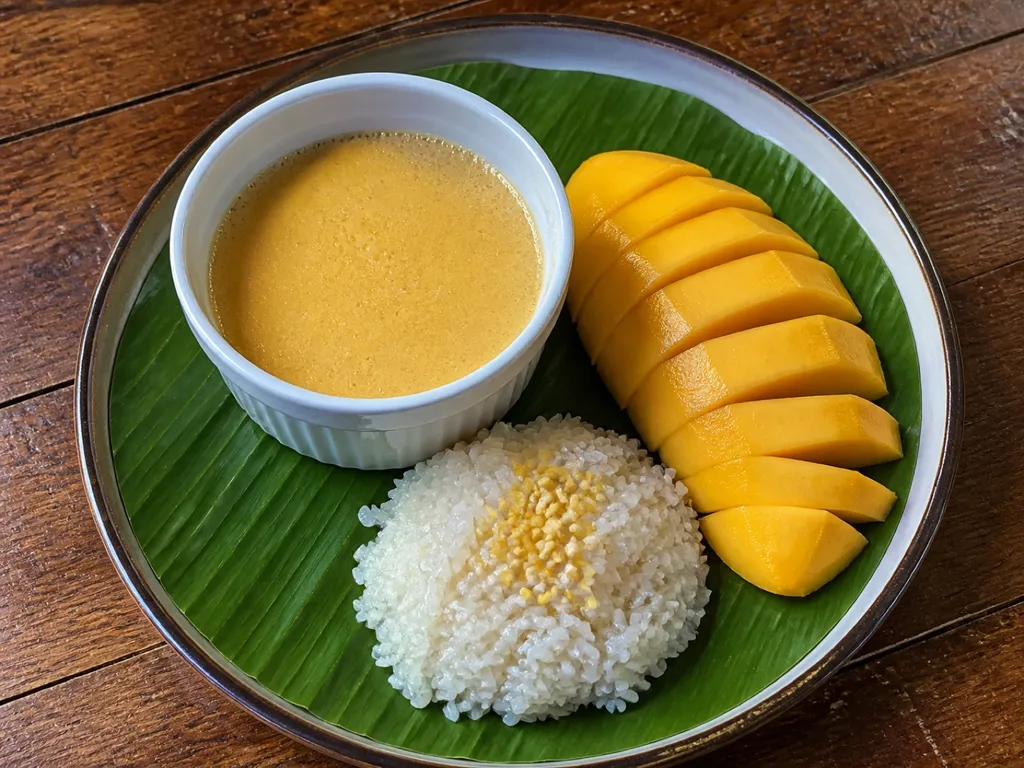 Images are for illustrative purposes only, may be inaccurate, and do not guarantee the presence or absence of specific ingredients.
 Listahan Family Score™
81/100
Good fit for most families
Score reflects how well this recipe fits a typical busy household. In the app, your Family Score is personalized to your household's allergens, kids, and pantry.
Nutrition
per serving305
Calories
8 g
Protein
29 g
Carbs
19 g
Fat
Estimated per serving. Actual values depend on the brands and portions you use.
Listahan cooking guide
Chef notes & practical guide
Technique notes, ingredient swaps, serve-alongside ideas, storage guidance, and equipment for this recipe.
Cultural context
Sangkaya is a Thai coconut custard with roots in the royal cuisine of the Ayutthaya period, when Portuguese missionaries and traders introduced egg-based custard techniques to the Thai court in the 17th century. Thai cooks adapted the method by replacing dairy milk with coconut milk and sweetening with palm sugar rather than cane sugar, producing a silkier, more aromatic custard that complemented local flavors. The dish is traditionally steamed inside a young coconut or kabocha pumpkin, which serves as both vessel and additional flavoring as the shell's flesh slowly infuses the custard.
Listahan note
This version uses the core four-ingredient ratio of coconut milk, eggs, palm sugar, and salt, focusing on the technique of low, even heat to achieve a custard that is just set with a barely perceptible wobble and no bubbles or curdling.
Technique cues
- Palm sugar melts at a lower temperature and dissolves more easily than granulated cane sugar in coconut milk; warm the coconut milk slightly (not hot) before adding the grated palm sugar so it fully dissolves before the eggs are incorporated, avoiding unmixed sweet pockets.
- The enemy of smooth custard is rapid temperature change. If steaming, maintain a gentle simmer rather than a full rolling boil; aggressive steam causes bubbling on the custard surface and a pocked, porous texture instead of a silky one.
- Straining the custard mixture through a fine-mesh sieve before pouring into the mold removes any egg chalazae or undissolved sugar clumps, which is the single most reliable step for achieving a uniform, glass-smooth set.
Kitchen flow
- Parallel prep
- Prepare the steamer with water and bring to a gentle simmer while whisking together and straining the custard mixture. Grease ramekins or prepare the coconut/pumpkin vessel while the water heats.
- Make-ahead
- Thai coconut custard must be fully cooled before serving and is actually best made the day before; it firms slightly overnight and the palm sugar flavor deepens. Cover ramekins with plastic and refrigerate.
- Leftover move
- Serve chilled leftover custard as a topping spooned over sticky rice for the classic Thai pairing of sangkaya khao niao, or alongside fresh mango slices.
- Cleanup rhythm
- The custard mixture is water-soluble before cooking; rinse bowls and the sieve immediately with hot water. Post-cook ramekins soak clean in 10 minutes of warm water.
Ingredient brief
Role, handling, and swap guidance for each key ingredient.
coconut milk
dairy substitute and primary flavor base
Purpose: Full-fat coconut milk provides the fat needed for a rich, smooth custard set and the signature coconut aroma that defines the dish.
Handling: Shake or stir the can well before measuring; the cream and liquid separate on the shelf and need to be fully reincorporated.
Adaptation: Light coconut milk produces a less rich, slightly looser set; it works but the custard will be less creamy.
palm sugar
sweetener with caramel-honey depth
Purpose: Palm sugar has a complex, slightly floral, caramel-like sweetness distinct from plain white sugar that is integral to the authentic flavor of Thai desserts.
Handling: Grate or chop finely before adding to warm coconut milk so it dissolves completely with gentle stirring.
Adaptation: Light brown sugar or coconut sugar can substitute at the same weight; the flavor will be slightly less nuanced but still compatible.
eggs
setting agent and structure
Purpose: Eggs provide the protein network that sets the custard from liquid to a soft, sliceable solid when gently heated.
Handling: Beat lightly with a fork until the yolks and whites are uniform before adding to the coconut mixture; vigorous beating incorporates air and creates bubbles.
Adaptation: No reliable egg-free substitute produces the same custard set; for a vegan version use a different recipe category (agar-based pudding).
salt
flavor enhancer
Purpose: A small amount of salt is standard in Thai sweets and counterintuitively sharpens the sweetness and brings out the coconut aroma.
Handling: Add with the other ingredients before straining; no special preparation needed.
Adaptation: No substitute needed; do not omit it even though the amount seems small.
Technique notes
- Place a folded kitchen towel under the ramekins inside the steamer to prevent rattling from the boiling water. Even vibration disturbs the custard surface during setting and creates an uneven texture.
- Test doneness by gently nudging the steamer insert: a properly set custard moves as a single unit with a slight wobble in the very center, like gelatin. If it sloshes like liquid, it needs another 3-5 minutes.
- If steaming in a whole pumpkin or coconut, the cooking time increases substantially; begin checking at 45 minutes and use the nudge test rather than a time target.
Ingredient swaps
- Refined sugar-free
- The recipe already uses palm sugar, which is less refined than white sugar; coconut sugar is another less-processed alternative at the same quantity.
- Lower-fat option
- Use light coconut milk for a custard with the same flavor profile but a softer set and fewer calories per serving; expect a silkier, less firm texture.
- Pandan infusion
- Add 2 fresh pandan leaves tied in a knot to the coconut milk while warming to infuse a grassy, vanilla-adjacent aroma; remove before mixing in eggs. A common traditional variation.
Serve alongside
- warm glutinous (sticky) rice
- fresh ripe mango slices
- toasted sesame seeds scattered over the top as a garnish
- hot jasmine tea
- iced Thai tea (cha yen) for a full Thai dessert spread
- cold coconut water
Serving suggestions only — check pairings for your household's allergens.
Storage & reheating
- Cover individual ramekins with plastic wrap and refrigerate for up to 3 days; the custard firms slightly as it chills, which is desirable.
- Serve cold or at room temperature; do not reheat as it will cause the eggs to over-set and the texture to become rubbery.
- Do not freeze; egg custards turn grainy and watery when thawed.
Equipment
- steamer basket or bamboo steamer that fits over a pot
- fine-mesh sieve for straining
- 4-6 ramekins or small oven-safe cups
- whisk for blending without over-aerating
Make this household-aware
Listahan Pro checks this recipe against your household's allergens, finds pantry-aware swaps, builds the shopping list, and helps you plan the week around it.
Plan it in Listahan
Add Thai Coconut Custard to your week, check it against your household's allergens, and build the shopping list automatically.
More Desserts recipes
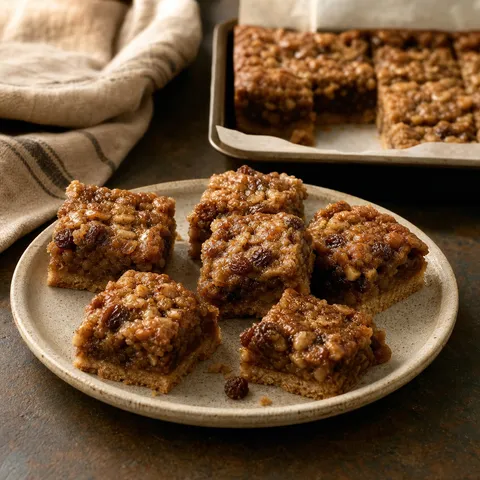 Desserts Lens Verified Images are for illustrative purposes only, may be inaccurate, and do not guarantee the presence or absence of specific ingredients.
 Buttertart Squares
Chewy butter tart squares with a shortbread base and a gooey brown sugar, raisin, and walnut topping.
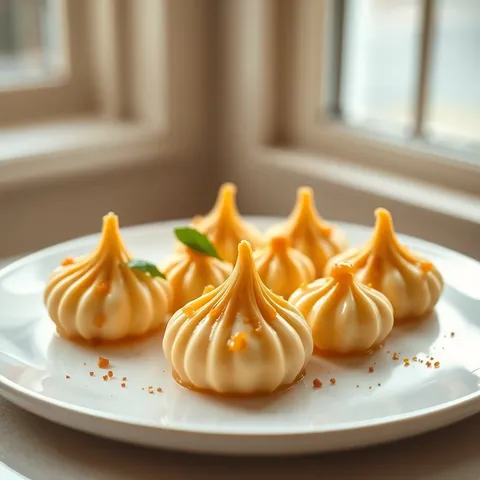 Desserts Lens Verified Images are for illustrative purposes only, may be inaccurate, and do not guarantee the presence or absence of specific ingredients.
 Amber and Zach's Kisses
Light, crisp meringue kisses that melt in your mouth and make a pretty edible decoration.
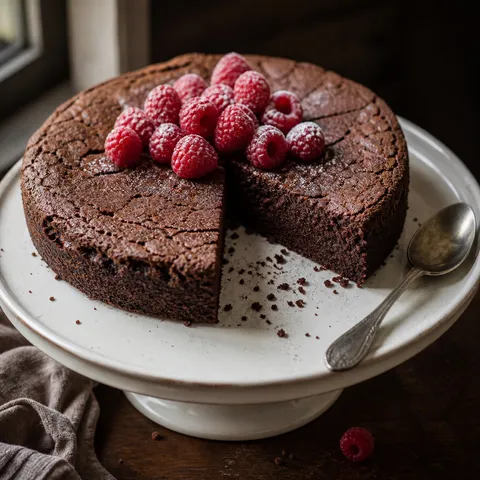 Desserts Lens Verified Images are for illustrative purposes only, may be inaccurate, and do not guarantee the presence or absence of specific ingredients.
 Passover Flourless Chocolate Cake
A rich, dense flourless chocolate cake with no flour, matzo meal, or leavening — a naturally kosher-for-Passover dessert perfect for the seder table.