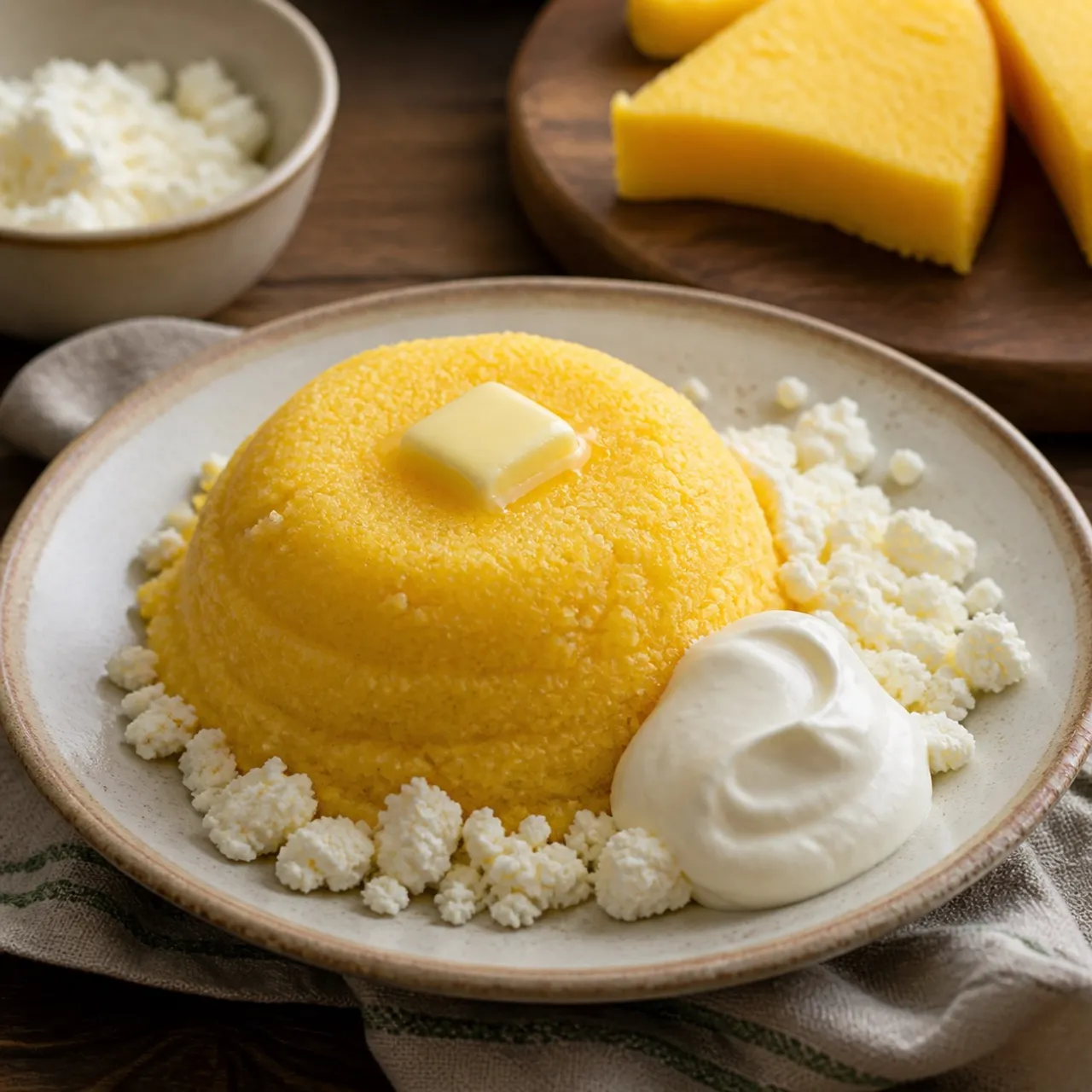
 Eastern European Images are for illustrative purposes only, may be inaccurate, and do not guarantee the presence or absence of specific ingredients.
 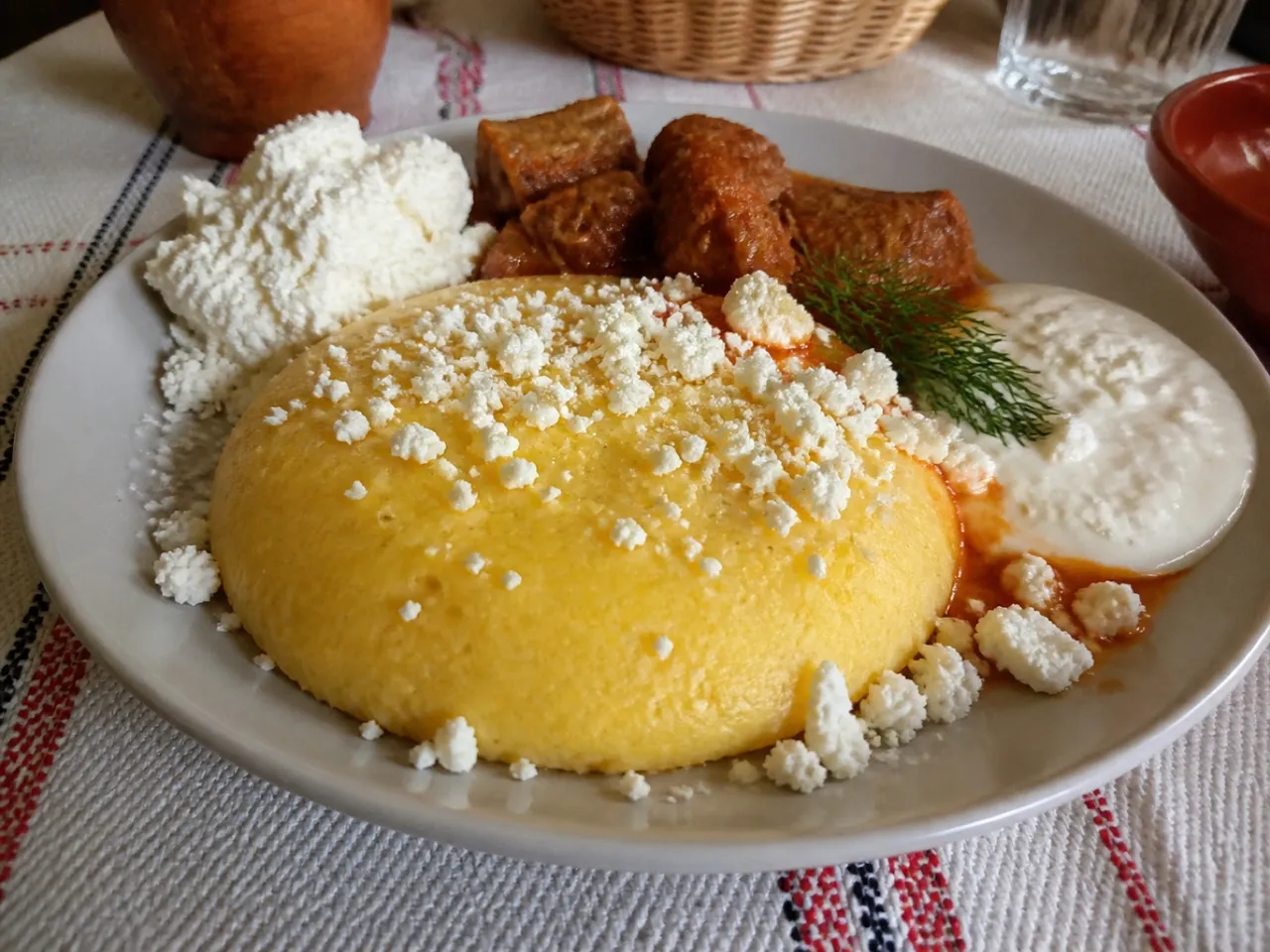 Serving Images are for illustrative purposes only, may be inaccurate, and do not guarantee the presence or absence of specific ingredients.
 Mamaliga
Romania's golden cornmeal porridge, creamy and nutty, served alongside stews, topped with crumbled feta, or fried into crisp cakes — endlessly versatile.
Contains common allergens
In the app, Listahan checks these against your household automatically.
Good to know
- One-pot
- Ready in under 30 minutes
Matched from this dish's own ingredients and timing. Browse more: one-pot dinners30-minute meals
Instructions
7 steps- 1
Bring the water and salt to a rolling boil in a heavy-bottomed pot.
- 2
Reduce the heat to low and pour in the cornmeal in a slow, steady stream while whisking constantly to prevent lumps.
- 3
Switch to a wooden spoon once the mixture thickens, and stir frequently, scraping the bottom and sides to prevent scorching.
- 4
Continue cooking over low heat for 25 to 30 minutes, stirring often, until the mamaliga pulls away cleanly from the sides of the pot and tastes creamy rather than gritty.
- 5
Stir in the butter until fully melted and incorporated.
- 6
Spoon the hot mamaliga onto plates or a wooden board, mounding it into a soft dome.
- 7
Top with crumbled feta and a generous dollop of sour cream, or let it cool, slice, and pan-fry the slices in butter until golden for a crisp version.
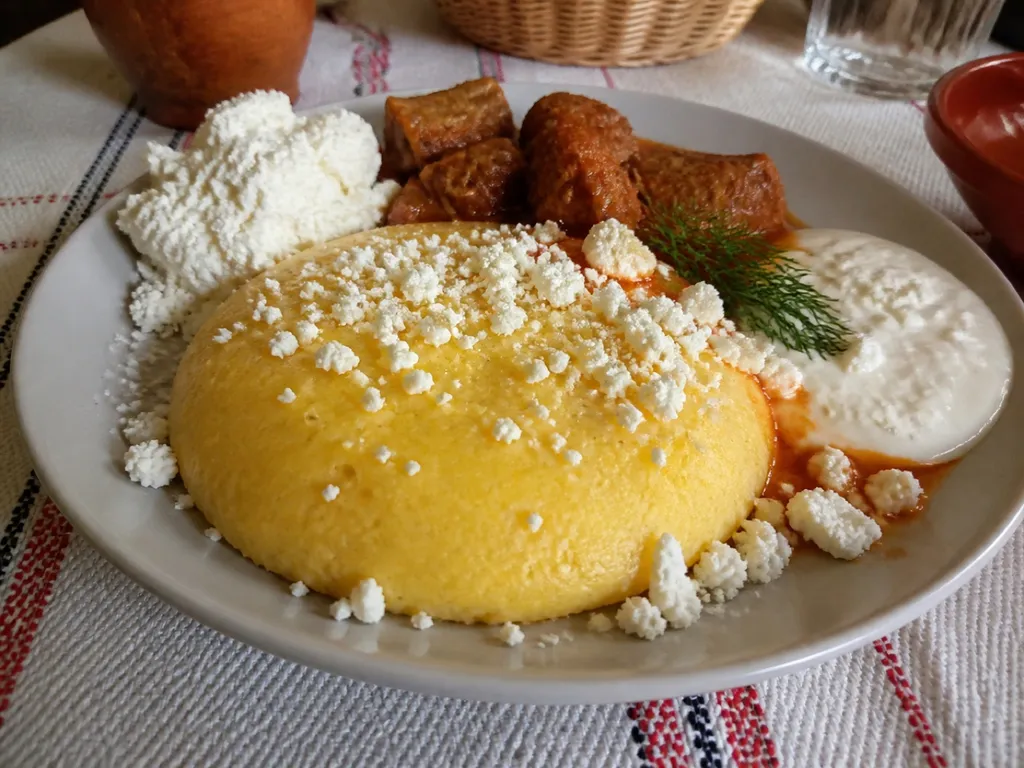 Images are for illustrative purposes only, may be inaccurate, and do not guarantee the presence or absence of specific ingredients.
 Listahan Family Score™
83/100
Good fit for most families
Score reflects how well this recipe fits a typical busy household. In the app, your Family Score is personalized to your household's allergens, kids, and pantry.
Nutrition
per serving115
Calories
2 g
Protein
24 g
Carbs
1 g
Fat
Estimated per serving. Actual values depend on the brands and portions you use.
Listahan cooking guide
Chef notes & practical guide
Technique notes, ingredient swaps, serve-alongside ideas, storage guidance, and equipment for this recipe.
Cultural context
Mamaliga is Romanian cornmeal porridge — the functional equivalent of Italian polenta — and has been the daily staple of Romanian peasant kitchens since corn arrived in Eastern Europe in the 16th century. It was historically so fundamental to the Romanian diet that poverty was sometimes measured by whether a family could afford bread or was living on mamaliga alone. Today it occupies a place of pride alongside sarmale and mici as one of the defining dishes of Romanian cuisine, and its combination with branza (white cheese), eggs, and sour cream is a complete, satisfying meal in itself.
Listahan note
This version cooks the cornmeal low and slow with constant stirring for a creamy, lump-free result, then finishes with butter and salt — a solid base for any of the traditional toppings.
Technique cues
- Whisk the cornmeal into cold or just-warm water before heating so the starch granules hydrate gradually rather than forming lumps on contact with boiling liquid.
- Stir constantly once the mamaliga begins to thicken and cook at medium-low rather than a full boil — scorching the bottom creates a bitter undertone that cannot be corrected.
- Traditional firm mamaliga (for slicing) uses a higher cornmeal-to-water ratio and is cooked longer until it pulls away from the sides of the pot; add less water and extend the cooking time if a firm, sliceable texture is the goal.
Kitchen flow
- Parallel prep
- Prepare toppings (fry eggs, crumble cheese, crisp bacon) while the mamaliga is cooking — it requires attention but not constant hands-on intervention.
- Make-ahead
- Pour soft mamaliga into a loaf pan and chill; it firms into a sliceable block that can be pan-fried in butter the next day for a completely different, crisped texture.
- Leftover move
- Slice cold leftover firm mamaliga and fry in butter until golden on both sides — serve with sour cream for a completely transformed breakfast.
- Cleanup rhythm
- Soak the pot immediately after serving — set cornmeal hardens to concrete if left dry; a few minutes of soaking makes cleanup effortless.
Ingredient brief
Role, handling, and swap guidance for each key ingredient.
coarse yellow cornmeal
primary starch base
Purpose: Coarse-ground cornmeal produces a textured, satisfying porridge with the characteristic slight graininess of authentic mamaliga rather than the smooth result of fine cornmeal.
Handling: Measure precisely — too much cornmeal makes a paste that seizes, too little stays soupy; the standard ratio is 1 part cornmeal to 4 parts water for soft mamaliga.
Adaptation: Stone-ground coarse polenta is interchangeable and widely available; avoid instant polenta which lacks texture.
butter
finishing fat and flavor
Purpose: Butter stirred in at the end enriches the mamaliga, adds gloss, and rounds the corn flavor without masking it.
Handling: Add cold butter in cubes at the very end off the heat, stirring vigorously to emulsify it into the porridge.
Adaptation: Sour cream stirred in at the end adds fat and a characteristic tangy note in place of butter.
branza or feta cheese
classic topping
Purpose: Sharp, salty white cheese crumbled over hot mamaliga is the most traditional topping and provides the protein and salty contrast the mild porridge needs.
Handling: Crumble over the surface immediately before serving so it softens slightly from the heat but does not fully melt.
Adaptation: Ricotta salata, cotija, or firm goat cheese all provide similar saltiness and crumble.
eggs
protein accompaniment
Purpose: A fried or poached egg placed on top of mamaliga completes the dish into a full meal and adds richness.
Handling: Fry in butter with a lid for basted eggs, or poach in water with a splash of vinegar.
Adaptation: Scrambled eggs mixed through the mamaliga is a common variation for a more uniform, all-in-one dish.
Technique notes
- Use a heavy-bottomed pot to distribute heat evenly and prevent the hot spots that cause scorching on the bottom during the long cooking time.
- To check doneness of firm mamaliga, pull the mixture from the pot sides — it is ready when it no longer sticks to the pot walls and holds its shape briefly when the spoon is lifted.
- A wooden spoon is traditional and recommended; the thickness of the mixture can be hard on a thin silicone spatula over extended stirring.
Ingredient swaps
- Gluten-free direction
- Mamaliga is naturally gluten-free — verify that the cornmeal brand is processed in a gluten-free facility if celiac disease is a concern.
- Dairy-free option
- Replace butter with a good-quality olive oil or vegan butter; top with nutritional yeast-based crumble instead of branza for a dairy-free but still savory result.
- Weeknight shortcut
- Quick-cook or 5-minute polenta is not the same but produces a serviceable result in a fraction of the time when speed is the priority.
Serve alongside
- Sarmale (Romanian stuffed cabbage rolls)
- Tocana (Romanian pork stew)
- Pickled vegetables and sour cream
- Romanian Feteasca Alba white wine
- Cold buttermilk
Serving suggestions only — check pairings for your household's allergens.
Storage & reheating
- Leftover soft mamaliga thickens to a solid in the refrigerator; keep for up to 3 days and reheat by breaking into chunks in a pot with a splash of water or milk over medium heat.
- Firm mamaliga refrigerates for up to 4 days; slice and pan-fry in butter to reheat.
Equipment
- Heavy-bottomed pot or Dutch oven (at least 4 quarts)
- Long wooden spoon for sustained stirring without heat transfer
- Ladle or large spoon for portioning
- Loaf pan for firm mamaliga if chilling for slicing
Make this household-aware
Listahan Pro checks this recipe against your household's allergens, finds pantry-aware swaps, builds the shopping list, and helps you plan the week around it.
Plan it in Listahan
Add Mamaliga to your week, check it against your household's allergens, and build the shopping list automatically.
More Eastern European recipes
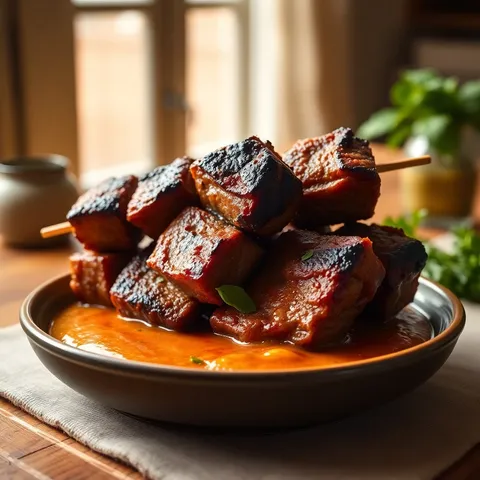 Eastern European Lens Verified Images are for illustrative purposes only, may be inaccurate, and do not guarantee the presence or absence of specific ingredients.
 Shashlik
Smoky, charred cubes of marinated lamb or pork threaded on skewers and grilled over embers — Central Asia's festive open-fire classic, fragrant with onion and spice.
 Eastern European Lens Verified Images are for illustrative purposes only, may be inaccurate, and do not guarantee the presence or absence of specific ingredients.
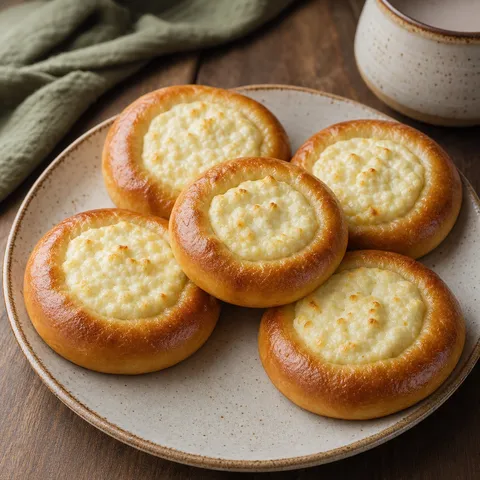
 Vatrushka
Soft, pillowy Russian buns filled with a sweetened quark or farmer's cheese center — lightly golden and gently sweet, perfect alongside tea or coffee.
 Eastern European Lens Verified Images are for illustrative purposes only, may be inaccurate, and do not guarantee the presence or absence of specific ingredients.
 Kurtosh Kalach
Hungary's iconic chimney cake — sweet yeast dough spiraled around a spit, rolled in cinnamon sugar, and roasted until the outside caramelizes into a crackly, warm shell.