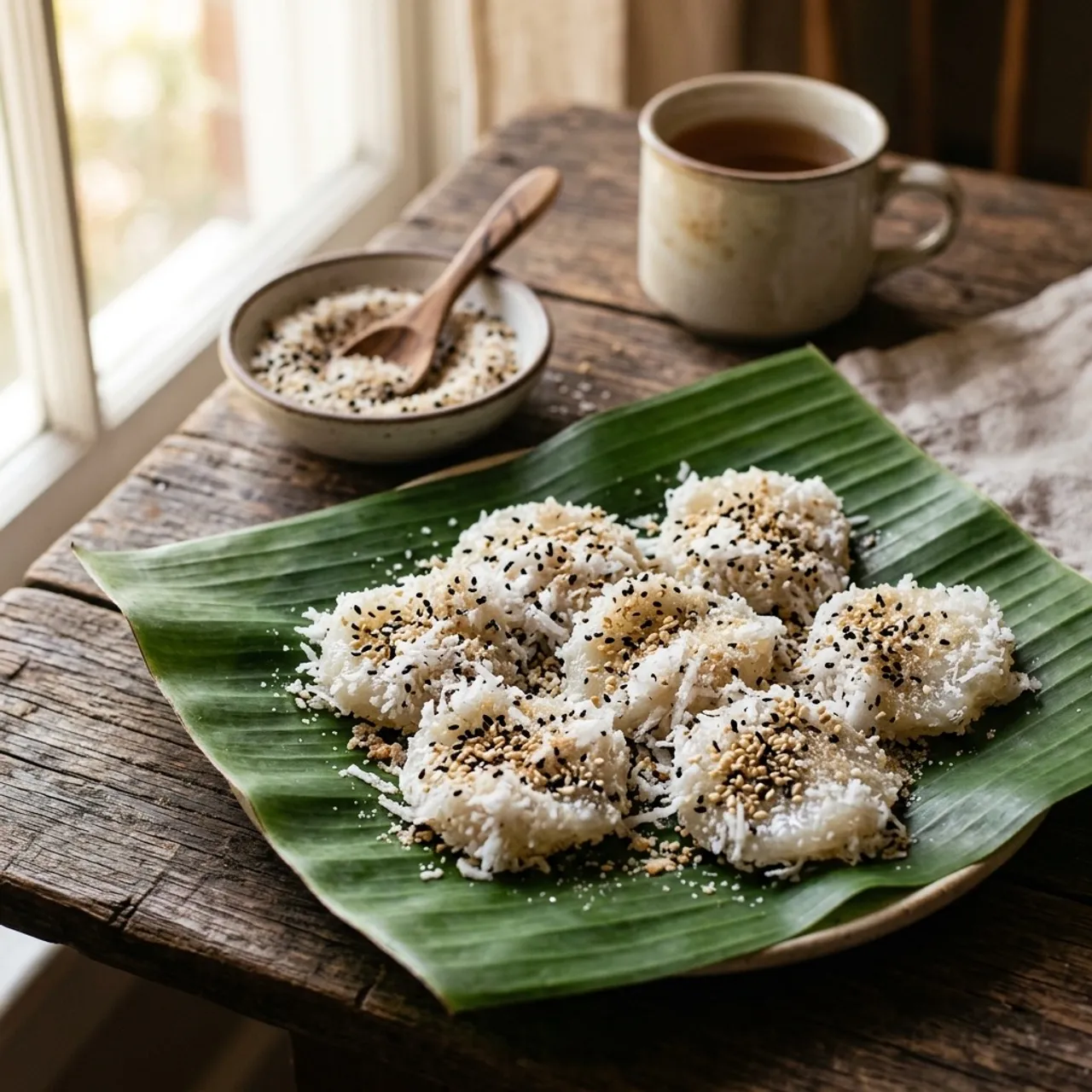
 Filipino Images are for illustrative purposes only, may be inaccurate, and do not guarantee the presence or absence of specific ingredients.
 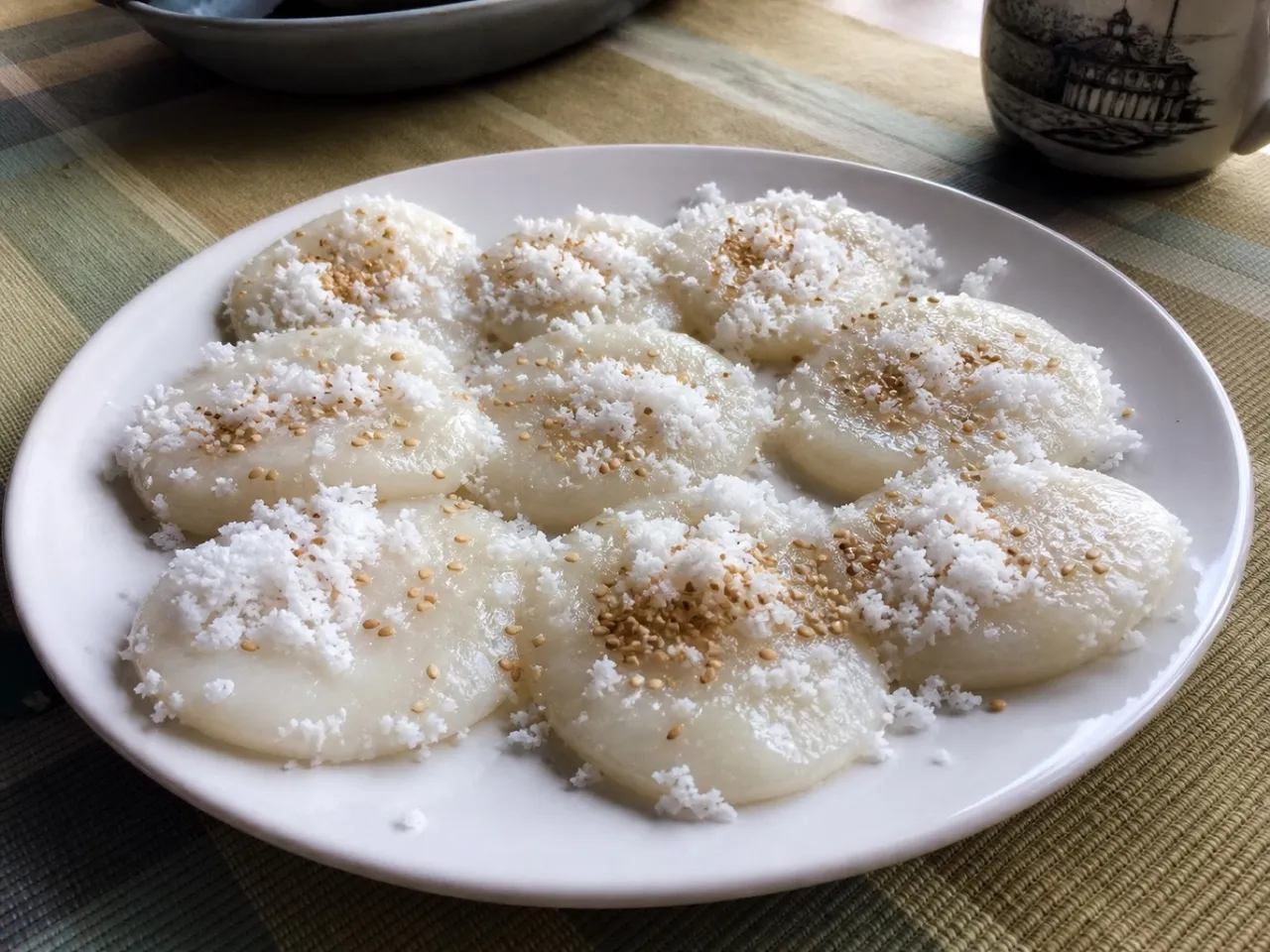 Serving Images are for illustrative purposes only, may be inaccurate, and do not guarantee the presence or absence of specific ingredients.
 Palitaw
Flat, sweet rice cakes coated with grated coconut, sugar, and sesame seeds.
Contains common allergens
In the app, Listahan checks these against your household automatically.
Good to know
- Ready in under 30 minutes
Matched from this dish's own ingredients and timing. Browse more: 30-minute meals
Instructions
5 steps- 1
Make the Coating: In a shallow dish or plate, mix together the freshly grated coconut, white sugar, and toasted sesame seeds. Set aside.
- 2
Form the Dough: In a mixing bowl, combine the glutinous rice flour and water. Knead gently with your hands until it forms a smooth, pliable dough that doesn't stick to your fingers. If it's too dry, add water a teaspoon at a time.
- 3
Shape the Discs: Pinch off a small piece of dough (about a tablespoon) and roll it into a ball. Flatten it between your palms to form an oval disc, about 1/4 inch thick.
- 4
Boil: Bring a wide pot of water to a rolling boil. Carefully drop the flattened dough discs into the boiling water in batches, making sure they don't stick to the bottom.
- 5
Float and Coat: After a few minutes, the rice cakes will float to the surface, indicating they are cooked. Let them boil for 1 more minute while floating. Remove them with a slotted spoon, shake off excess water, and immediately drop them into the coconut-sugar-sesame mixture. Toss to coat evenly on all sides. Serve warm or at room temperature.
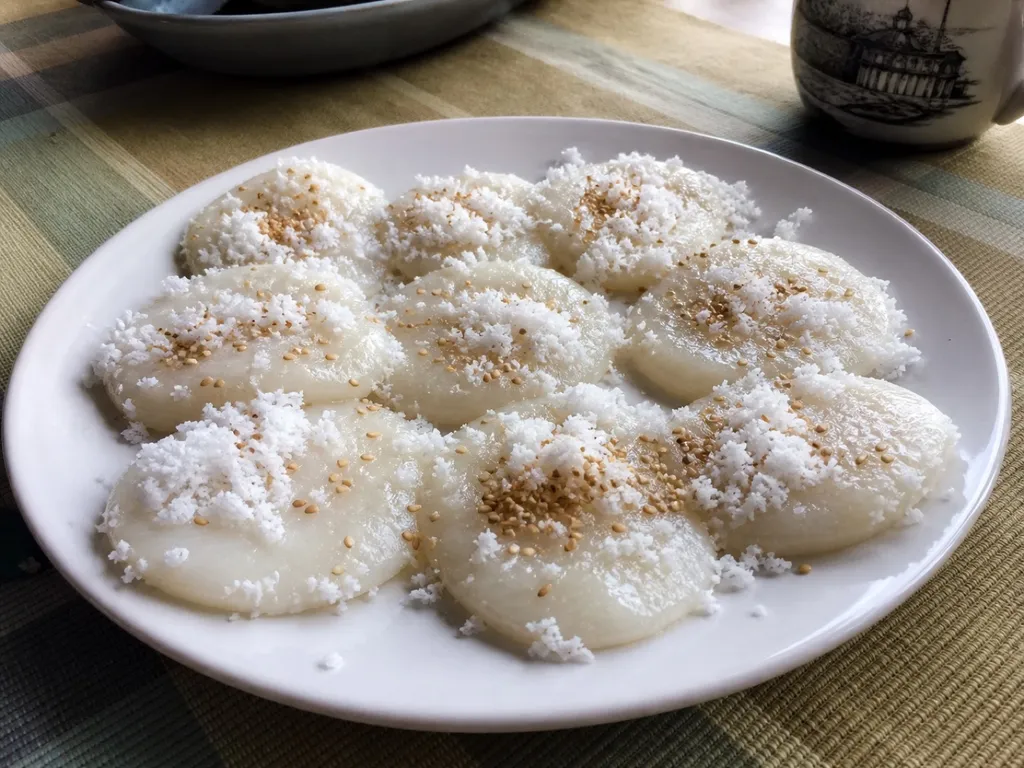 Images are for illustrative purposes only, may be inaccurate, and do not guarantee the presence or absence of specific ingredients.
 Listahan Family Score™
75/100
Good fit for most families
Score reflects how well this recipe fits a typical busy household. In the app, your Family Score is personalized to your household's allergens, kids, and pantry.
Nutrition
per serving225
Calories
4 g
Protein
39 g
Carbs
6 g
Fat
Estimated per serving. Actual values depend on the brands and portions you use.
Listahan cooking guide
Chef notes & practical guide
Technique notes, ingredient swaps, serve-alongside ideas, storage guidance, and equipment for this recipe.
Cultural context
Palitaw are simple boiled glutinous rice cakes that float to the surface when done, which is how they got their name, from the word to surface. Rolled in grated coconut, sugar, and toasted sesame, they are a humble merienda treat. Few ingredients, but the textures of chewy, sweet, and nutty make them addictive.
Listahan note
This version keeps the dough soft and pliable, then coats the cakes generously while warm so the coconut and sesame cling.
Technique cues
- Wait for the cakes to float, the reliable sign they are cooked through.
- Coat them while still warm and slightly tacky so the toppings adhere.
- Toast the sesame seeds for a deeper, nuttier finish.
Kitchen flow
- Parallel prep
- Toast the sesame and grate the coconut while the water comes to a boil.
- Make-ahead
- Best fresh; shape the dough ahead and boil just before serving.
- Leftover move
- Re-steam day-old palitaw briefly to soften before eating.
- Cleanup rhythm
- One pot and a few bowls; rinse the sticky dough bowl promptly.
Ingredient brief
Role, handling, and swap guidance for each key ingredient.
Glutinous rice flour
Base
Purpose: Gives the cakes their signature chew.
Handling: Add water gradually to a soft, smooth, non-sticky dough.
Adaptation: Mochiko (sweet rice flour) is the same thing under another name.
Grated coconut
Coating
Purpose: Adds richness and a fresh coconut flavor.
Handling: Use freshly grated mature coconut for the best texture.
Adaptation: Unsweetened desiccated coconut, rehydrated, works.
Sugar
Sweet coating
Purpose: Provides the sweet contrast against the plain cake.
Handling: Mix with the coconut or sprinkle on after coating.
Adaptation: Coconut sugar gives a deeper flavor.
Toasted sesame seeds
Nutty finish
Purpose: Add aroma and a subtle crunch.
Handling: Toast in a dry pan until fragrant before using.
Adaptation: Omit for a sesame-free version; the cakes are still good.
Technique notes
- Do not overcrowd the pot; cook in batches so the cakes float freely.
- Coat immediately while warm so the coconut and sugar stick.
- Keep the dough soft; a stiff dough makes dense, chewy cakes.
Ingredient swaps
- Sesame-free direction
- Skip the sesame seeds entirely for an allergy-safe treat.
- Lower-sugar direction
- Use less sugar and lean on the coconut for sweetness.
- Coconut-forward direction
- Toast the grated coconut lightly for a deeper flavor.
Serve alongside
- Fresh mango
- Sweet rice cakes
- Toasted coconut
- Latik
- Hot tea
- Hot chocolate (tablea)
- Cold milk
Serving suggestions only — check pairings for your household's allergens.
Storage & reheating
- Best eaten the day they are made; refrigerate up to 2 days.
- Re-steam briefly to restore softness before serving.
- Freezing is not recommended, as the texture turns hard.
Equipment
- Pot for boiling
- Slotted spoon
- Mixing bowl
- Small pan for toasting sesame
Make this household-aware
Listahan Pro checks this recipe against your household's allergens, finds pantry-aware swaps, builds the shopping list, and helps you plan the week around it.
Plan it in Listahan
Add Palitaw to your week, check it against your household's allergens, and build the shopping list automatically.
More Filipino recipes
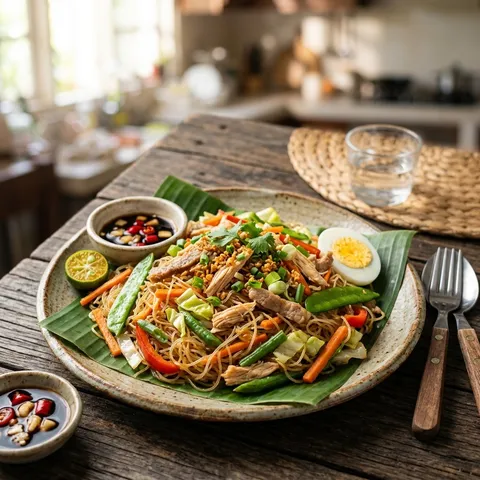 Filipino Lens Verified Images are for illustrative purposes only, may be inaccurate, and do not guarantee the presence or absence of specific ingredients.
 Pancit Bihon
Thin rice vermicelli stir-fried with chicken, shrimp, and vegetables in a savory soy-citrus sauce, a fixture at every Filipino celebration.
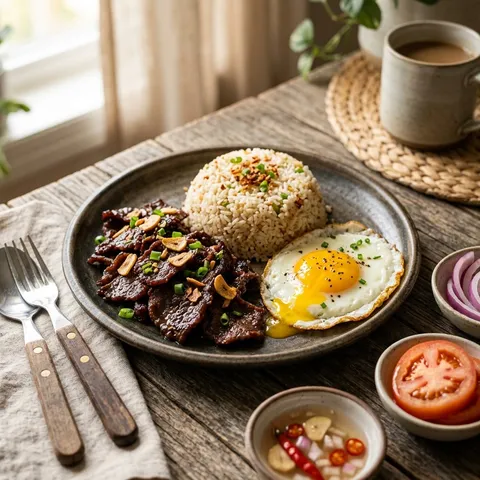 Filipino Lens Verified Images are for illustrative purposes only, may be inaccurate, and do not guarantee the presence or absence of specific ingredients.
 Tapsilog
A hearty breakfast combo of marinated beef (tapa), garlic fried rice (sinangag), and a fried egg (itlog).
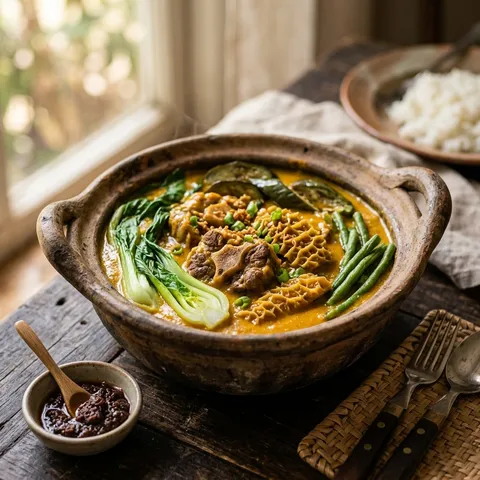 Filipino Lens Verified Images are for illustrative purposes only, may be inaccurate, and do not guarantee the presence or absence of specific ingredients.
 Kare-Kare
A rich peanut stew typically made with oxtail and vegetables, served with shrimp paste.