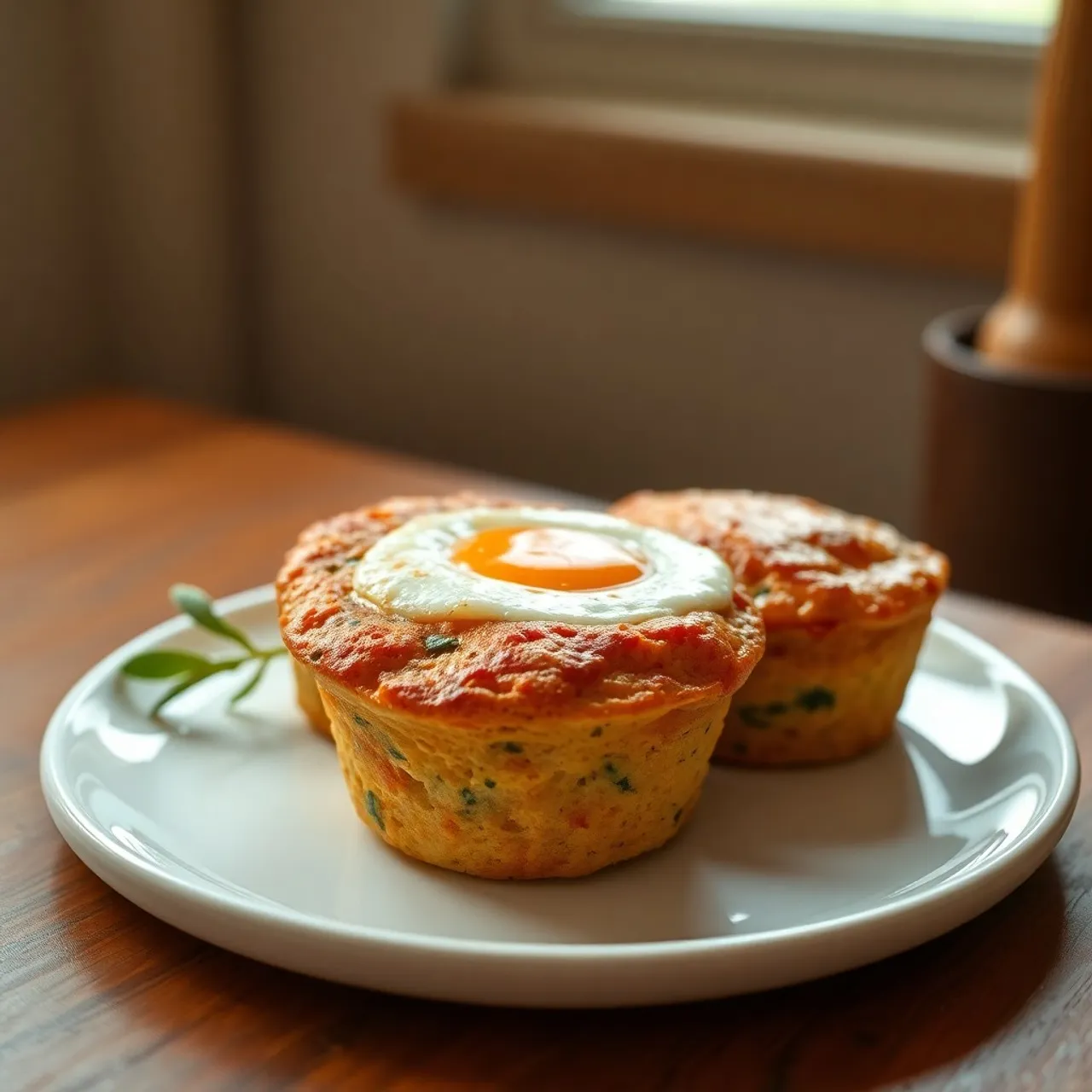
 Keto Images are for illustrative purposes only, may be inaccurate, and do not guarantee the presence or absence of specific ingredients.
 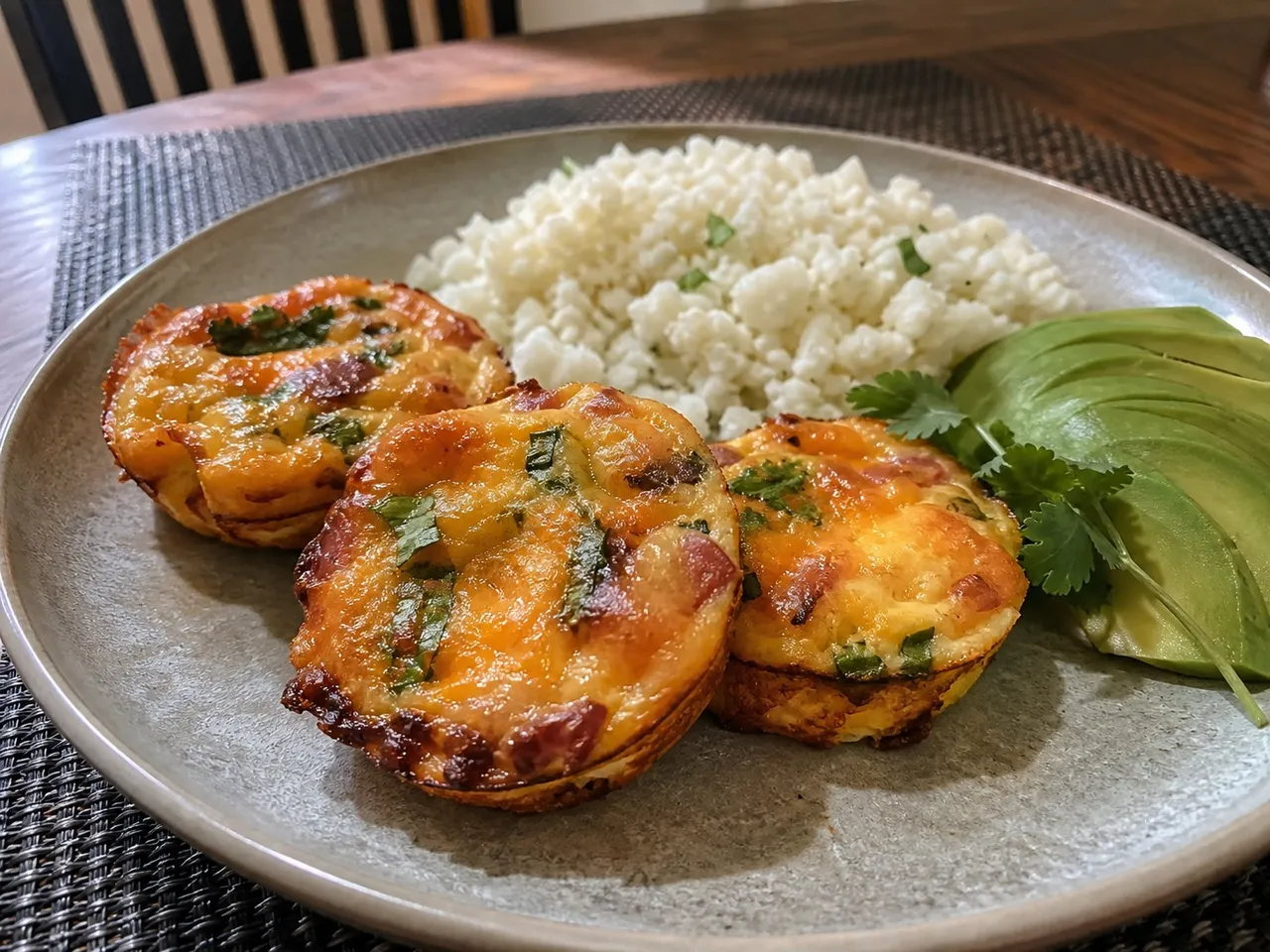 Serving Images are for illustrative purposes only, may be inaccurate, and do not guarantee the presence or absence of specific ingredients.
 Egg Muffins
Protein-packed keto egg muffins loaded with vegetables, bacon, and cheese — perfect for meal prep.
Contains common allergens
In the app, Listahan checks these against your household automatically.
Good to know
- Ready in under 30 minutes
Matched from this dish's own ingredients and timing. Browse more: 30-minute meals
Instructions
6 steps- 1
Heat the oven to 350 F (175 C) and grease a 12-cup muffin tin well.
- 2
Whisk the eggs with the milk, salt, and pepper until fully combined and slightly frothy.
- 3
Divide the bell pepper, bacon, spinach, and cheese evenly among the muffin cups.
- 4
Pour the egg mixture over the fillings, filling each cup about three-quarters full.
- 5
Bake until the muffins are puffed and set in the center, 18 to 20 minutes.
- 6
Let cool for a few minutes before running a knife around the edges to release; store leftovers refrigerated.
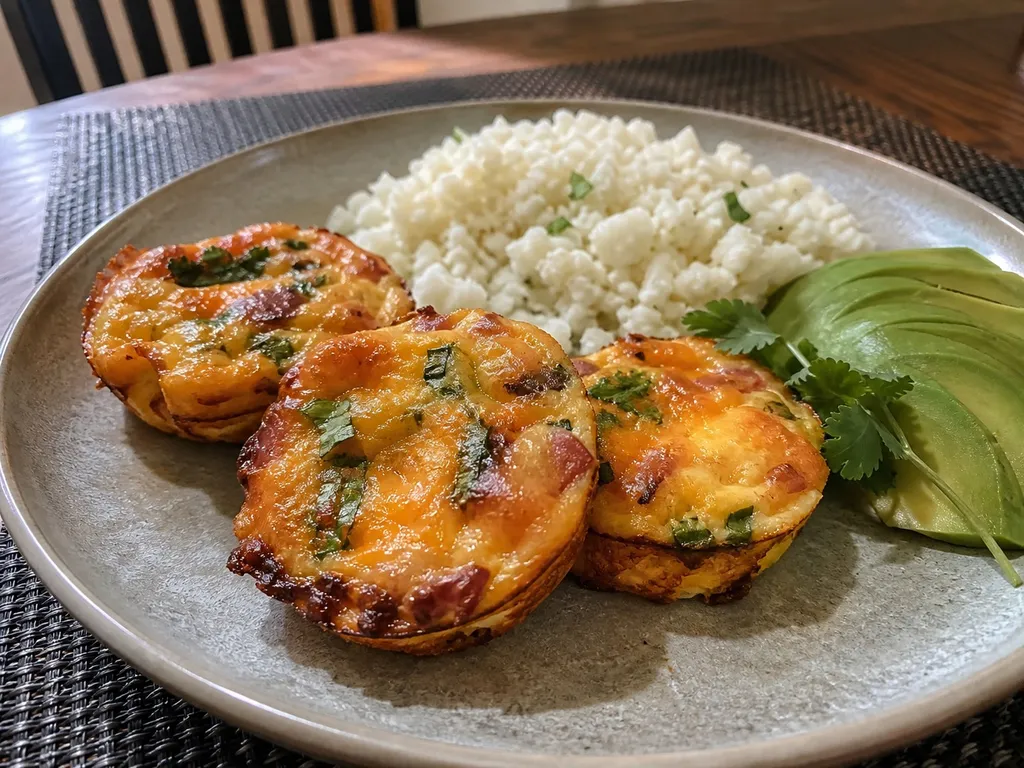 Images are for illustrative purposes only, may be inaccurate, and do not guarantee the presence or absence of specific ingredients.
 Listahan Family Score™
78/100
Good fit for most families
Score reflects how well this recipe fits a typical busy household. In the app, your Family Score is personalized to your household's allergens, kids, and pantry.
Nutrition
per serving145
Calories
13 g
Protein
1 g
Carbs
10 g
Fat
Estimated per serving. Actual values depend on the brands and portions you use.
Listahan cooking guide
Chef notes & practical guide
Technique notes, ingredient swaps, serve-alongside ideas, storage guidance, and equipment for this recipe.
Cultural context
Egg muffins — sometimes called egg cups or mini frittatas — became a fixture of the low-carb and meal-prep communities in the 2010s as a portable, make-ahead breakfast option. They adapt the French frittata and the Spanish tortilla technique to a standard muffin tin, producing individual portions that travel well, reheat in seconds, and can be customized infinitely based on whatever vegetables, cheese, or proteins are on hand. The format rewards preparation because a single batch covers a week of breakfasts.
Listahan note
This version mixes the filling directly into the egg base so every muffin gets an even distribution of vegetables, cheese, and meat rather than having to layer each cup individually.
Technique cues
- Grease the muffin tin generously with butter or coconut oil spray — egg muffins stick aggressively to ungreased tins and the whole batch can become a frustrating demolition exercise; silicone molds eliminate this problem entirely.
- Pre-cook any raw vegetables or meat before adding to the egg base — raw mushrooms, spinach, and onion all release significant moisture as they bake and can cause the muffins to deflate or become watery in the center.
- Fill each muffin cup no more than three-quarters full, as the eggs puff considerably during baking and will overflow if overfilled, creating a mess and unevenly cooked cups.
Kitchen flow
- Parallel prep
- Saute the vegetables while the oven preheats so they are cooled and drained by the time the egg mixture is ready to fill the tin.
- Make-ahead
- Bake a full batch and refrigerate for up to 5 days or freeze for up to 3 months; microwave from frozen for 60 to 90 seconds for a ready breakfast.
- Leftover move
- Slice cooled egg muffins into wedges and serve atop a simple salad for a quick high-protein lunch that goes beyond breakfast.
- Cleanup rhythm
- Silicone muffin molds require no greasing and flex for instant release; run through the dishwasher and they are done.
Ingredient brief
Role, handling, and swap guidance for each key ingredient.
large eggs
main structure and protein
Purpose: Eggs set into a firm, protein-rich structure that holds the muffin shape after baking and provides the primary protein content.
Handling: Whisk with a splash of heavy cream or milk until completely homogeneous with no visible streaks of white.
Adaptation: For a higher-fat version, substitute 1 to 2 eggs for an equal volume of heavy cream.
heavy cream
tenderness
Purpose: A tablespoon or two of heavy cream whisked into the eggs creates a softer, more custardy texture rather than a tight, rubbery set.
Handling: Add to the egg mixture before whisking so it distributes evenly.
Adaptation: Full-fat coconut milk achieves a similar richness for a dairy-free version.
cooked bacon or sausage
protein and flavor
Purpose: Pre-cooked cured meats add savory depth and fat to each muffin without contributing moisture that would make them sink.
Handling: Cook and crumble before mixing in; drain any excess fat on paper towels.
Adaptation: Diced smoked salmon or leftover shredded chicken are equally good additions.
cheddar cheese
richness and binding
Purpose: Shredded cheese melts into the egg base and helps the muffins hold together, as well as forming the browned top.
Handling: Reserve a small amount to sprinkle on top of each cup before baking for a browned, melted crust.
Adaptation: Feta crumbles, Gruyere, or Monterey Jack all work well depending on the filling flavor profile.
bell peppers and spinach
vegetable bulk and color
Purpose: Pre-cooked bell peppers and wilted spinach add nutrition, color, and flavor variety without adding meaningful carbs.
Handling: Saute briefly in a little butter until just tender, let cool slightly, and drain any liquid before mixing in.
Adaptation: Roasted zucchini, sun-dried tomatoes, or diced mushrooms all work equally well.
Technique notes
- For an almost-quiche texture, add 2 tablespoons more heavy cream per 6 eggs and bake at 325 degrees F rather than 375 degrees F — the lower temperature sets the custard more gently and the muffins emerge silky rather than spongy.
- A very thin ring of pre-cooked prosciutto pressed into each muffin cup before filling creates an edible cup liner that crisps around the egg and eliminates all sticking issues.
- Label batches in the freezer with the filling type — it is easy to confuse the bacon-cheddar batch with the feta-spinach batch once frozen, and knowing what you have makes meal planning easier.
Ingredient swaps
- Dairy-free direction
- Replace heavy cream with full-fat coconut milk and use a dairy-free shredded cheese or simply omit the cheese — the eggs set without it.
- Vegetarian direction
- Use sauteed mushrooms, onions, roasted red peppers, and feta cheese in place of any meat; the muffins are just as hearty and filling.
- Lower-sodium direction
- Choose uncured, no-added-nitrate meats and use a reduced-sodium cheese; eggs themselves are relatively low in sodium.
Serve alongside
- Sliced avocado with everything bagel seasoning
- Mixed greens with a simple lemon vinaigrette
- Fresh fruit salad (for non-strict keto)
- Black coffee or Americano
- Herbal tea with no sweetener
Serving suggestions only — check pairings for your household's allergens.
Storage & reheating
- Refrigerate cooled egg muffins in an airtight container for up to 5 days; microwave individual muffins for 30 to 45 seconds.
- Freeze in a zip-lock bag with parchment between layers for up to 3 months; microwave from frozen for 60 to 90 seconds.
Equipment
- Standard 12-cup muffin tin or silicone muffin molds
- Mixing bowl and whisk for the egg base
- Small skillet for pre-cooking vegetables and meats
- Cooking spray or brush for greasing the tin
Make this household-aware
Listahan Pro checks this recipe against your household's allergens, finds pantry-aware swaps, builds the shopping list, and helps you plan the week around it.
Plan it in Listahan
Add Egg Muffins to your week, check it against your household's allergens, and build the shopping list automatically.
More Keto recipes
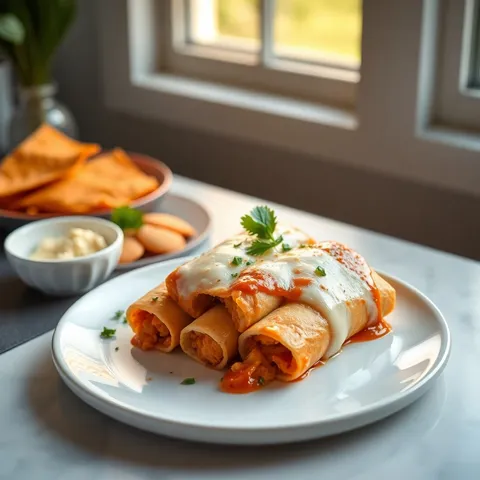 Keto Lens Verified Images are for illustrative purposes only, may be inaccurate, and do not guarantee the presence or absence of specific ingredients.
 Keto Chicken Enchiladas
Savory chicken and cheese rolled in low-carb tortillas, smothered in a rich, mild red enchilada sauce.
 Keto Lens Verified Images are for illustrative purposes only, may be inaccurate, and do not guarantee the presence or absence of specific ingredients.
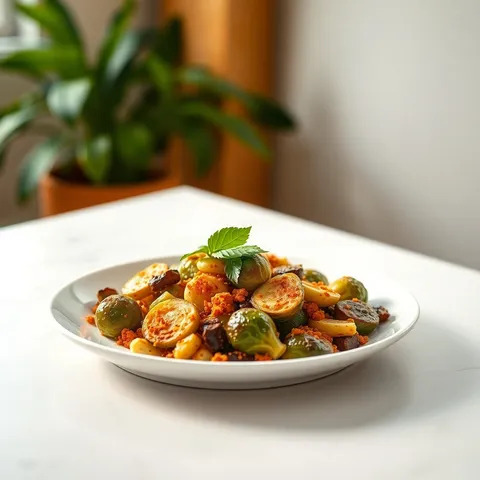
 Brussels Sprouts
Crispy oven-roasted keto Brussels sprouts with garlic and Parmesan — caramelized and golden.
 Keto Lens Verified Images are for illustrative purposes only, may be inaccurate, and do not guarantee the presence or absence of specific ingredients.
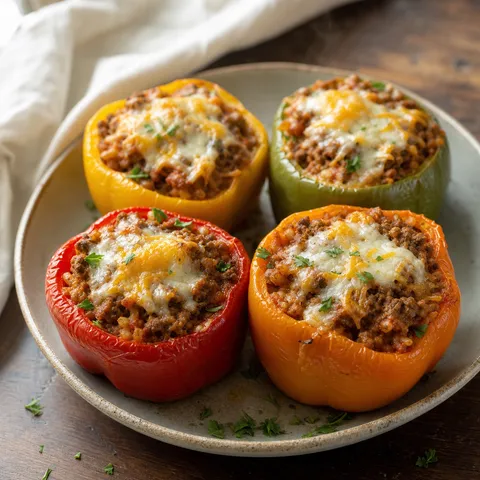
 Low-Carb Stuffed Bell Peppers
Vibrant bell peppers generously stuffed with a savory mixture of ground beef, cauliflower rice, and melted cheese.