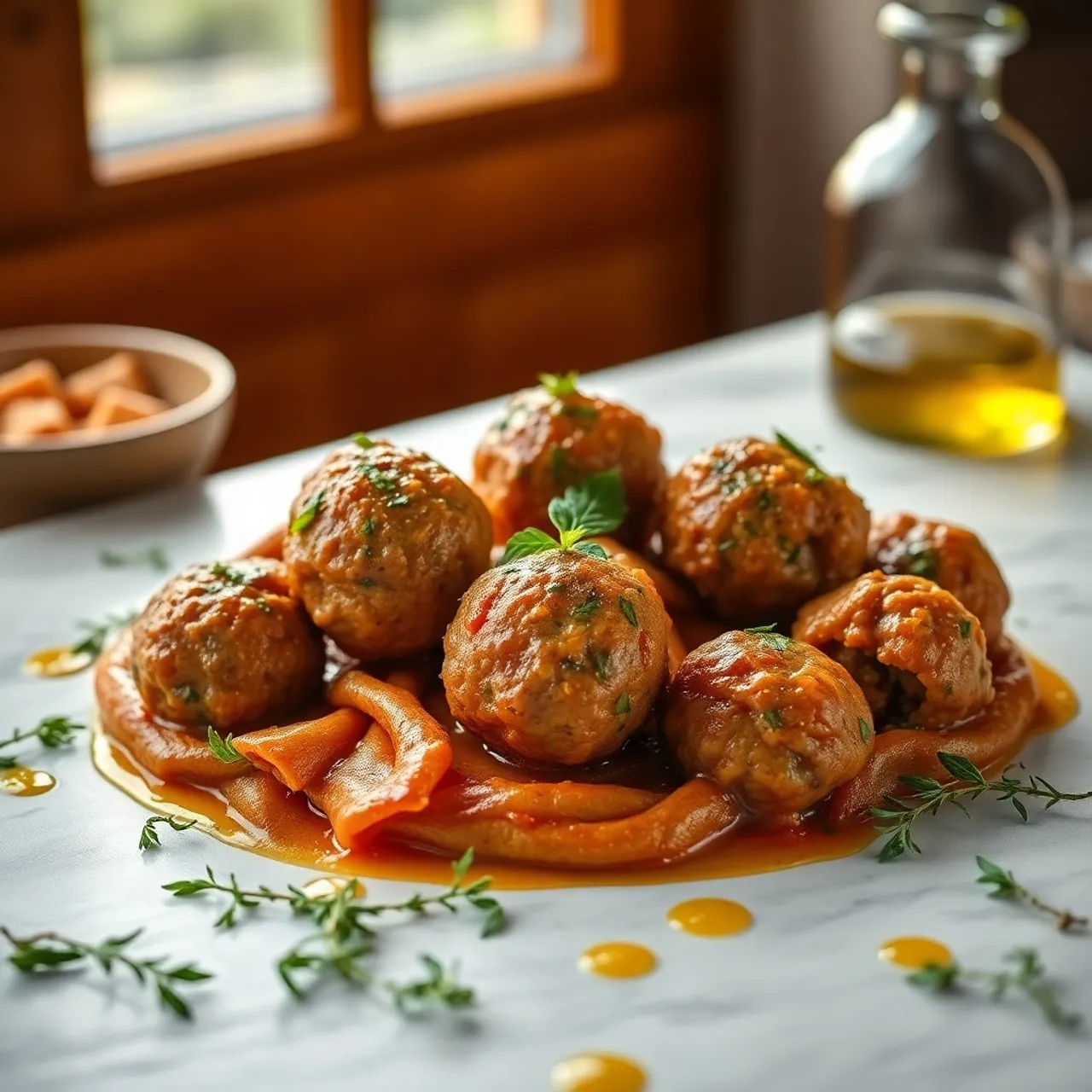
 Mediterranean Images are for illustrative purposes only, may be inaccurate, and do not guarantee the presence or absence of specific ingredients.
 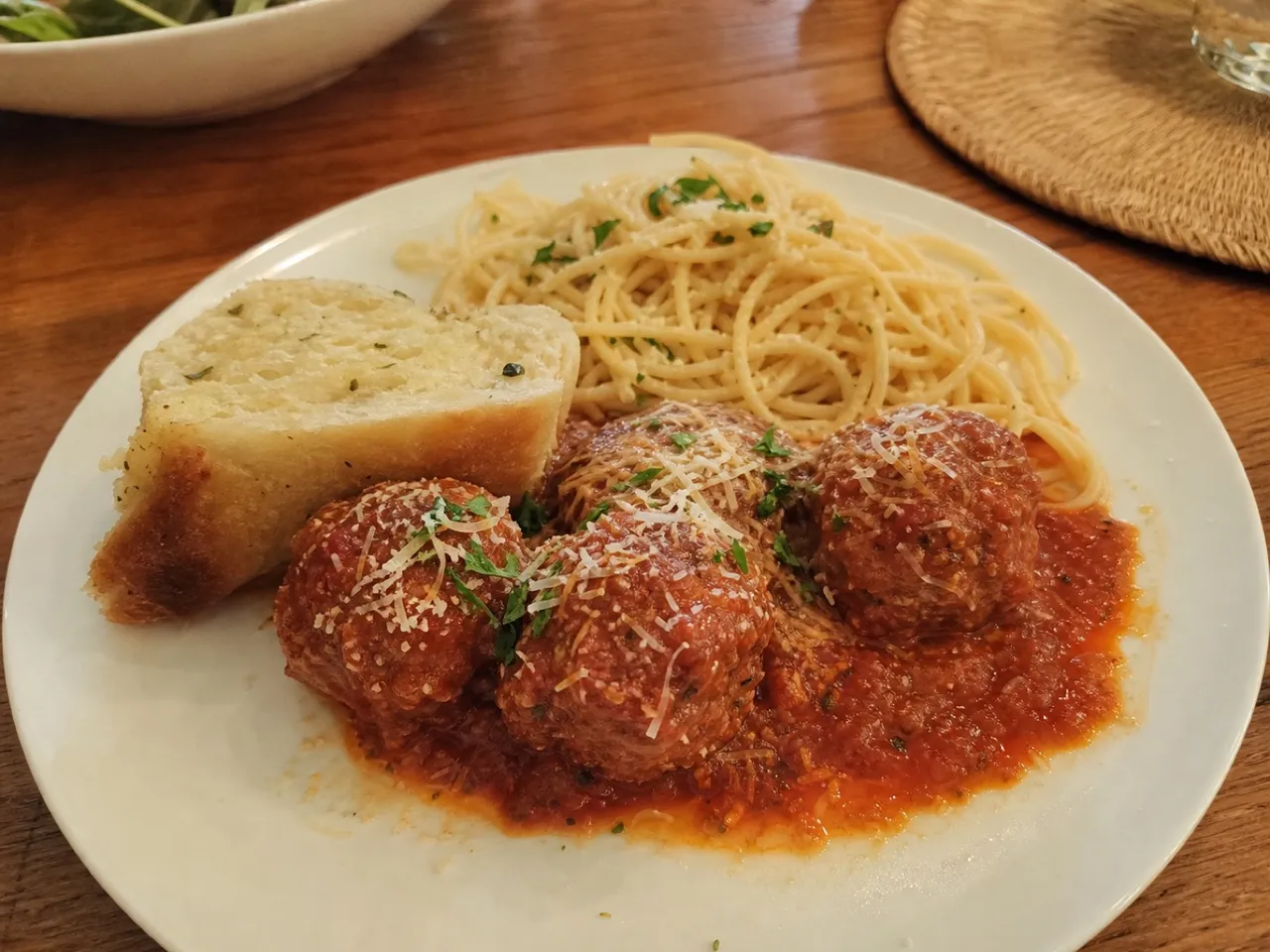 Serving Images are for illustrative purposes only, may be inaccurate, and do not guarantee the presence or absence of specific ingredients.
 Italian Meatballs (Polpette)
Tender ground meat rolled into balls and simmered in marinara sauce.
Contains common allergens
In the app, Listahan checks these against your household automatically.
Instructions
6 steps- 1
In a small bowl, combine the fresh breadcrumbs and whole milk. Let sit for 5-10 minutes until the bread absorbs the milk to create a panade (this ensures tender meatballs).
- 2
In a large mixing bowl, gently combine the ground beef, ground pork, the soaked breadcrumbs (squeeze out excess milk), grated parmesan, egg, minced garlic, parsley, salt, and pepper.
- 3
Use your hands to gently mix the ingredients just until combined. Overmixing will result in dense, tough meatballs.
- 4
Form the mixture into golf-ball-sized meatballs (about 1.5 to 2 inches in diameter), rolling them lightly between your palms.
- 5
Heat the olive oil in a large skillet over medium-high heat. Add the meatballs in batches and brown them on all sides (about 5-6 minutes). They don't need to be fully cooked inside.
- 6
Pour the marinara sauce into the skillet with the meatballs. Reduce heat to low, cover, and gently simmer for 20-25 minutes until the meatballs are cooked through and tender. Serve over pasta or with crusty bread.
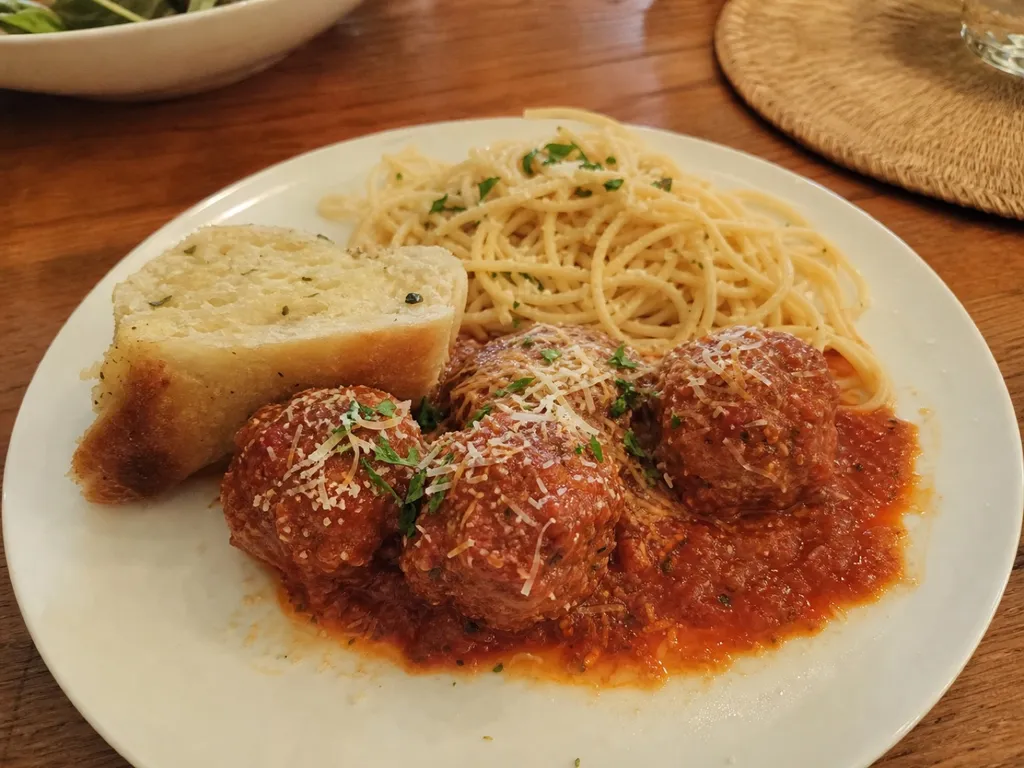 Images are for illustrative purposes only, may be inaccurate, and do not guarantee the presence or absence of specific ingredients.
 Listahan Family Score™
74/100
Good fit for most families
Score reflects how well this recipe fits a typical busy household. In the app, your Family Score is personalized to your household's allergens, kids, and pantry.
Nutrition
per serving700
Calories
51 g
Protein
41 g
Carbs
36 g
Fat
Estimated per serving. Actual values depend on the brands and portions you use.
Listahan cooking guide
Chef notes & practical guide
Technique notes, ingredient swaps, serve-alongside ideas, storage guidance, and equipment for this recipe.
Cultural context
Polpette are the Italian home-kitchen meatball, and in Italy they are usually smaller, more tender, and often served on their own or in a light sauce rather than piled on spaghetti. The defining trick is the panade, bread soaked in milk that keeps the meatballs soft and moist where a denser mix would turn rubbery. Every Italian family guards its own ratio, but the goal is always pillowy tenderness rather than tight, bouncy balls.
Listahan note
This version leans on a milk-soaked bread panade for tenderness and a gentle simmer in tomato sauce so the meatballs stay juicy. It keeps the mix barely handled so they do not turn dense.
Technique cues
- Soak torn bread in milk into a paste and mix it in, because that panade is what keeps polpette tender instead of tight and bouncy.
- Mix the meat with a light hand and stop the moment it comes together, since overworking develops protein that turns the meatballs rubbery.
- Finish cooking the meatballs by simmering them gently in the sauce so they stay moist and trade flavor with the tomato rather than drying out in the pan.
Kitchen flow
- Parallel prep
- Soak the bread and start the tomato sauce simmering while you mix and roll the meatballs, so they go straight into the waiting sauce.
- Make-ahead
- Roll the raw meatballs a day ahead and refrigerate, or cook the whole batch in sauce since it reheats beautifully.
- Leftover move
- Stuff leftover meatballs and sauce into a crusty roll with melted cheese for a meatball sub the next day.
- Cleanup rhythm
- Brown and simmer in the same wide pot so the fond stays in the sauce and you wash a single pan.
Ingredient brief
Role, handling, and swap guidance for each key ingredient.
ground beef and pork
meatball base
Purpose: A blend of beef for flavor and pork for fat and tenderness gives the classic juicy polpette.
Handling: Use a mix that is not too lean and combine gently.
Adaptation: All beef, or ground turkey with extra olive oil for a leaner version.
bread soaked in milk
panade for tenderness
Purpose: The milk-soaked bread is the secret to a soft, moist crumb rather than a dense ball.
Handling: Tear stale bread, soak in milk, squeeze lightly, and mash into the meat.
Adaptation: Breadcrumbs soaked in milk, or gluten-free bread for a celiac-safe panade.
Parmesan cheese
savory depth
Purpose: Grated Parmesan seasons the mix with salty, nutty umami that defines Italian meatballs.
Handling: Grate fine and fold in with the herbs.
Adaptation: Pecorino for a sharper bite, or nutritional yeast for dairy-free.
egg
binder
Purpose: Egg holds the meat and panade together so the balls keep their shape in the sauce.
Handling: Beat lightly and mix in last.
Adaptation: A flax egg binds an egg-free batch, though the texture loosens slightly.
garlic
aromatic
Purpose: Garlic gives the meatballs and the surrounding sauce their savory warmth.
Handling: Mince fine so it disperses through the mix without raw bites.
Adaptation: Garlic powder works in the mix if fresh is unavailable.
canned tomatoes
braising sauce
Purpose: A simple tomato sauce both cooks and flavors the meatballs as they simmer.
Handling: Crush and simmer with garlic and basil before adding the browned meatballs.
Adaptation: Passata or fresh tomatoes in season make an equally good braise.
Technique notes
- Fry one small test meatball first to check the seasoning of the raw mix before you roll the whole batch.
- Keep your hands lightly wet while rolling so the mix does not stick and you can shape tender balls without compacting them.
- Brown the meatballs only on the outside, then let the gentle simmer in sauce finish cooking them through for maximum juiciness.
Ingredient swaps
- Gluten-free direction
- Use gluten-free bread or crumbs soaked in milk for the panade so the tenderness survives without wheat.
- Dairy-free option
- Soak the bread in unsweetened plant milk and replace the Parmesan with nutritional yeast.
- Leaner direction
- Use ground turkey or chicken with a little extra olive oil to keep them moist.
Serve alongside
- Crusty bread for the sauce
- Spaghetti or polenta
- Garlicky sauteed broccoli rabe
- Simple green salad
- Chianti or Sangiovese red wine
- Sparkling water with lemon
- Italian blood orange soda
Serving suggestions only — check pairings for your household's allergens.
Storage & reheating
- Refrigerate meatballs in their sauce up to four days; they improve overnight. Reheat gently on the stovetop with a splash of water if the sauce has thickened. Cooked meatballs freeze well in sauce for up to three months and thaw best overnight in the fridge.
Equipment
- Wide heavy pot or braiser
- Box grater or Microplane
- Large mixing bowl
- Small cookie scoop for even balls
Make this household-aware
Listahan Pro checks this recipe against your household's allergens, finds pantry-aware swaps, builds the shopping list, and helps you plan the week around it.
Plan it in Listahan
Add Italian Meatballs (Polpette) to your week, check it against your household's allergens, and build the shopping list automatically.
More Mediterranean recipes
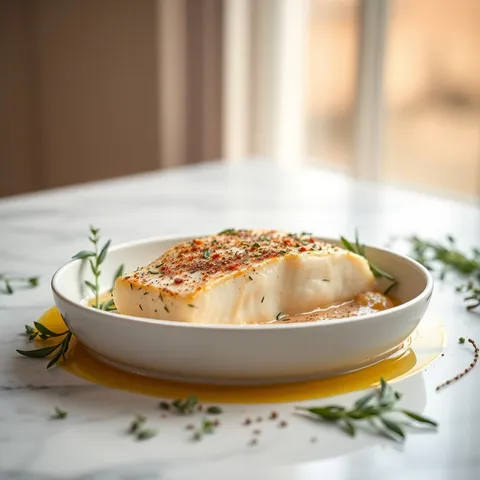 Mediterranean Lens Verified Images are for illustrative purposes only, may be inaccurate, and do not guarantee the presence or absence of specific ingredients.
 Mediterranean Baked Cod
Cod fillets baked with cherry tomatoes, Kalamata olives, and capers in garlicky olive oil, a bright one-pan Mediterranean fish dinner finished with parsley and lemon.
 Mediterranean Lens Verified Images are for illustrative purposes only, may be inaccurate, and do not guarantee the presence or absence of specific ingredients.
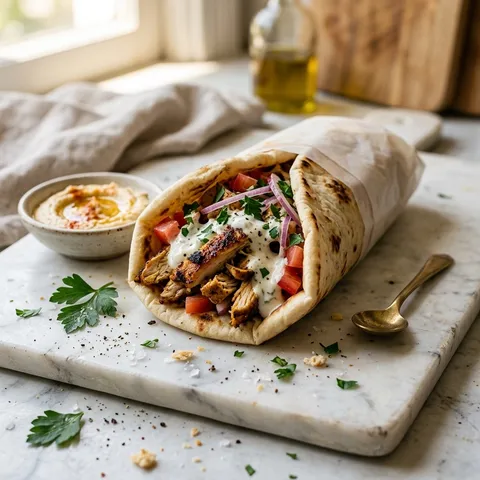
 Shawarma Wraps
Marinated, thinly sliced meat wrapped in a flatbread with vegetables.
 Mediterranean Lens Verified Images are for illustrative purposes only, may be inaccurate, and do not guarantee the presence or absence of specific ingredients.
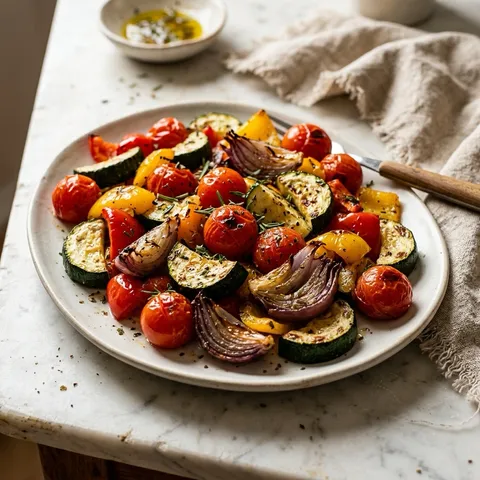
 Mediterranean Roasted Vegetables
A colorful side dish or main of caramelized oven-roasted veggies.