 Nordic Images are for illustrative purposes only, may be inaccurate, and do not guarantee the presence or absence of specific ingredients.
  Serving Images are for illustrative purposes only, may be inaccurate, and do not guarantee the presence or absence of specific ingredients.
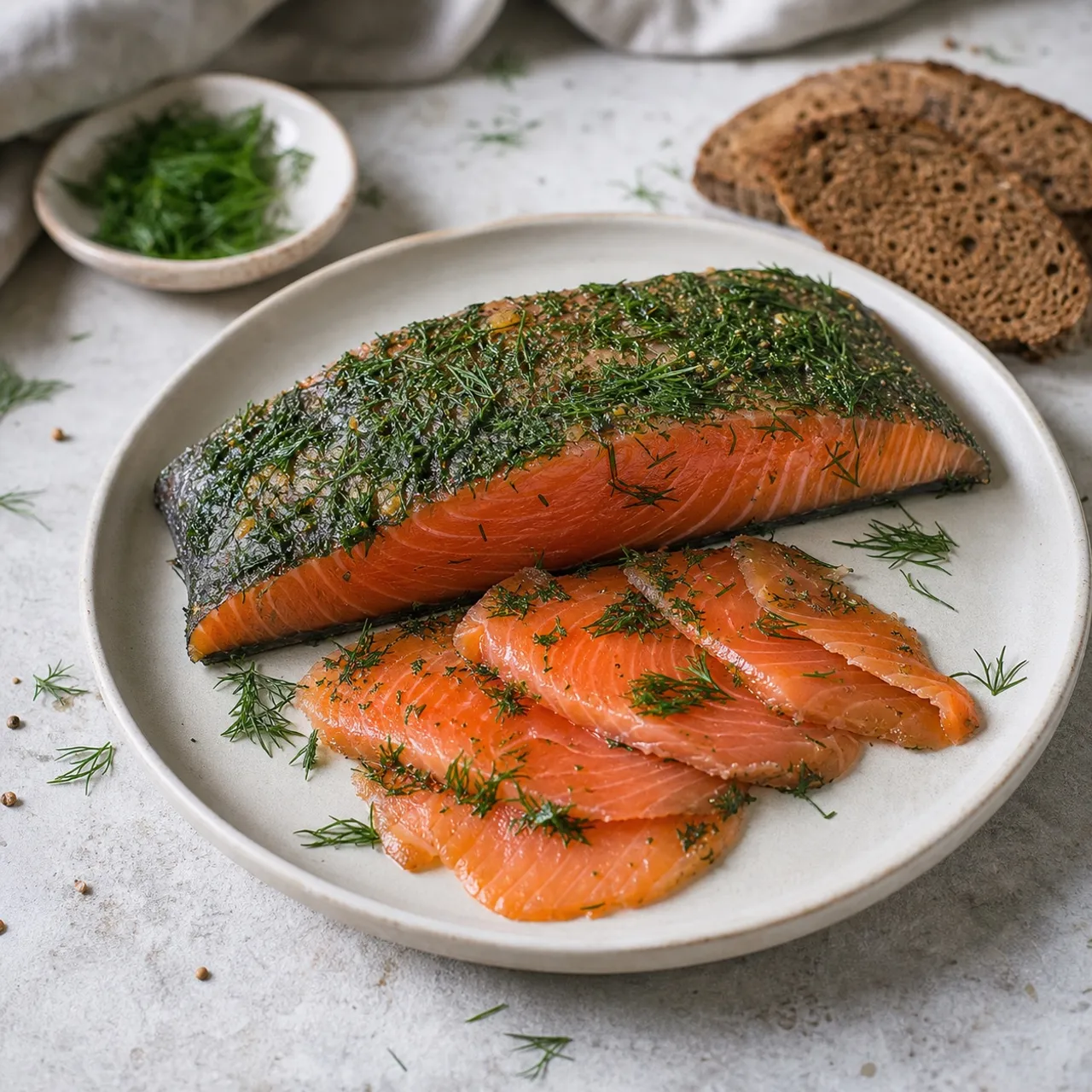
 Graavilohi
Finland's lovingly cured salmon — rubbed with salt, sugar, and a generous hand of fresh dill, then rested until silky and deeply flavored; elegant yet effortlessly simple.
Contains common allergens
In the app, Listahan checks these against your household automatically.
Instructions
6 steps- 1
Pat the salmon fillet completely dry with paper towels and place it skin-side down on a large sheet of plastic wrap.
- 2
In a small bowl, mix the salt, sugar, and crushed white peppercorns together.
- 3
Rub the salt-sugar mixture evenly over the flesh side of the salmon, then pat a thick, even layer of the chopped dill on top.
- 4
Wrap the salmon tightly in the plastic wrap and place it in a dish to catch any liquid, then set a second dish or a couple of cans on top as a light weight.
- 5
Refrigerate for 48 hours, flipping the wrapped salmon over once every 12 hours so it cures evenly.
- 6
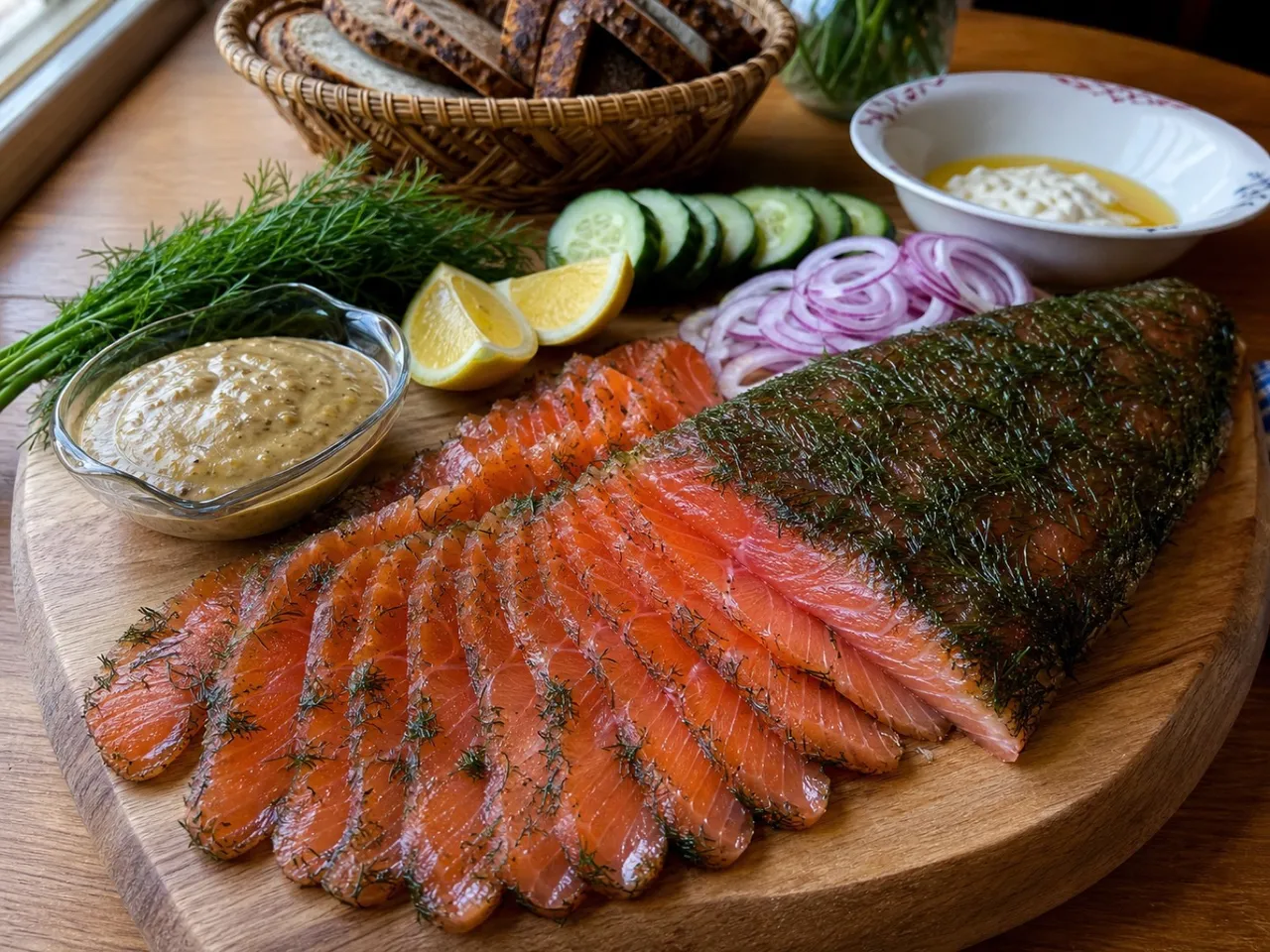
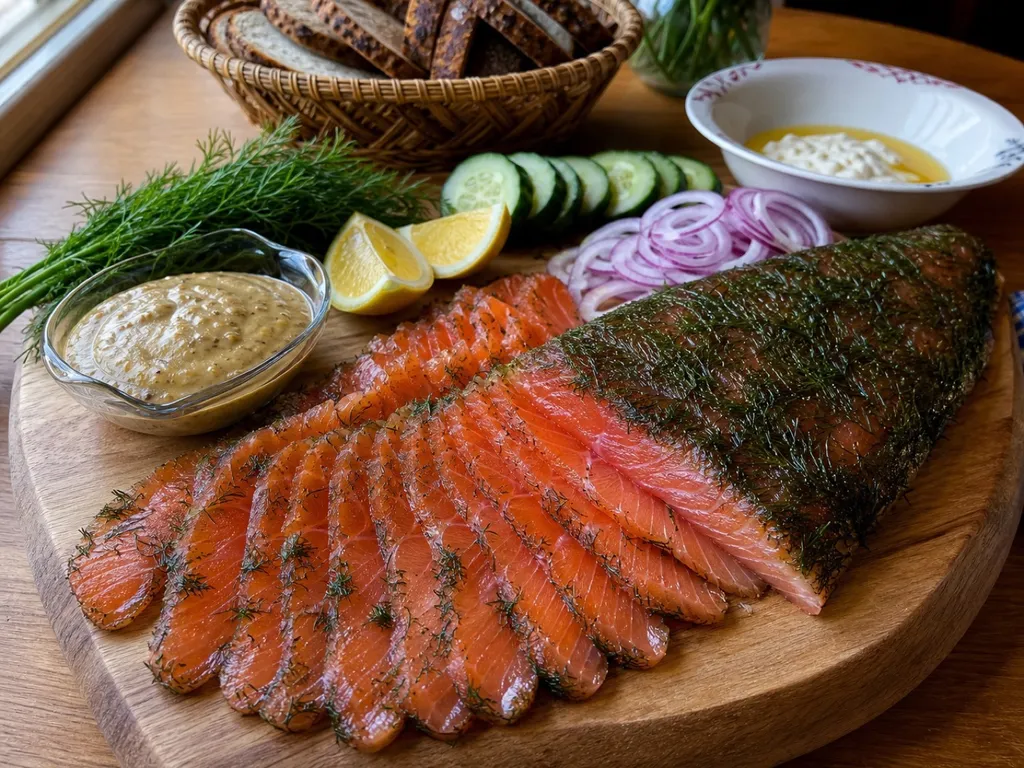
Unwrap the salmon, scrape off most of the dill and cure, and pat dry. Slice thinly on an angle, away from the skin, and serve with rye bread, mustard-dill sauce, and lemon.
 Images are for illustrative purposes only, may be inaccurate, and do not guarantee the presence or absence of specific ingredients.
 Listahan Family Score™
64/100
Works for many families
Score reflects how well this recipe fits a typical busy household. In the app, your Family Score is personalized to your household's allergens, kids, and pantry.
Nutrition
per serving380
Calories
34 g
Protein
6 g
Carbs
22 g
Fat
Estimated per serving. Actual values depend on the brands and portions you use.
Listahan cooking guide
Chef notes & practical guide
Technique notes, ingredient swaps, serve-alongside ideas, storage guidance, and equipment for this recipe.
Cultural context
Graavilohi — Finnish and Swedish gravlax — is one of Scandinavia's oldest preservation techniques, originally used by fishermen who buried salted salmon in the ground to ferment slightly. The modern method retains the salt-and-sugar cure but eliminates the fermentation, producing a silky, mildly cured fish that is deeply embedded in Nordic holiday and celebration food. In Finland and Sweden it appears at midsummer, Christmas, and Easter tables, typically sliced paper-thin and served with a mustard-dill sauce.
Listahan note
This version uses equal parts salt and sugar by weight, which produces a balanced cure without excessive sweetness or brine. The optional aquavit adds a subtle anise note; the recipe works beautifully without it.
Technique cues
- The cure is a dry process — no liquid is added; the salt and sugar draw moisture out of the fish and then redistribute as a concentrated brine that cures the salmon from the outside in; the fish should be pressed under a weighted plate to encourage this process.
- Curing time matters: 24 hours produces a lightly cured, still almost raw center; 48 hours gives a firmer, more evenly translucent cure throughout; 72 hours yields a very firm, deeply flavored result suitable for slicing extremely thin — choose based on preference.
- Use the freshest, highest-quality salmon you can source since this is a raw cure; sashimi-grade or previously frozen-at-sea salmon both work and the freezing step eliminates any parasite risk.
Kitchen flow
- Parallel prep
- Mix the cure while the salmon comes to a cool room temperature (about 15 minutes out of the refrigerator); curing cold fish straight from the fridge slows the process.
- Make-ahead
- Graavilohi must be made 24 to 72 hours ahead; once cured, it holds refrigerated for up to 5 days, so it can be cured up to 4 days before your event.
- Leftover move
- Slice leftovers thin and layer on cream cheese toast, fold into scrambled eggs, or top a potato salad — cured salmon works anywhere smoked salmon would.
- Cleanup rhythm
- Minimal cleanup — one pan or dish for curing; rinse the cure off the fish under cold water and pat dry before slicing.
Ingredient brief
Role, handling, and swap guidance for each key ingredient.
800g (1.75 lbs) very fresh salmon fillet, skin-on, pin bones removed
primary ingredient
Purpose: The quality of the salmon is the entire dish; fatty Atlantic salmon cures to a silky, richly flavored result that leaner species cannot match.
Handling: Remove all pin bones with tweezers before curing; leave the skin on as it holds the fillet together during slicing.
Adaptation: Arctic char or large lake trout can be cured using the same method with excellent results.
75g (1/3 cup) coarse sea salt
curing agent
Purpose: Salt draws moisture from the fish and denatures the surface proteins, transforming the texture from raw to the characteristic silky-translucent cure.
Handling: Use coarse, not fine, salt — fine salt penetrates too quickly and can over-cure the surface before the center is done.
Adaptation: Kosher salt at the same weight is a reliable substitute; do not use iodized table salt as it can impart a metallic taste.
75g (1/3 cup) granulated sugar
balance and texture
Purpose: Sugar balances the salt and contributes to a silkier texture and more appealing color in the cured flesh.
Handling: Mix with salt before applying to the fish so the cure distributes evenly.
Adaptation: Light brown sugar adds a mild molasses note; do not increase sugar beyond equal-parts-to-salt or the result becomes cloyingly sweet.
2 large bunches fresh dill, roughly chopped
aromatic cure component
Purpose: Dill is the defining flavor of graavilohi, infusing the fish during the cure with its distinctive herbal, anise-like character.
Handling: Roughly chop including the stems; arrange half on the base, place fish on top, cover with remaining dill before wrapping.
Adaptation: Tarragon can substitute for a different but complementary anise note; fennel fronds also work.
1 tbsp aquavit or vodka (optional)
aromatic enhancer
Purpose: Aquavit adds caraway and dill seed notes that deepen the herbal character of the cure; vodka adds no flavor but helps the cure penetrate.
Handling: Drizzle over the fish before applying the cure mixture.
Adaptation: Gin can substitute for aquavit and adds complementary juniper notes; omit entirely for an alcohol-free version.
Technique notes
- After curing, rinse off all the salt and dill under cold running water and pat the salmon completely dry before slicing; any residual salt on the surface will make the slices taste overly salty.
- Slice against the grain at a very low angle — almost parallel to the cutting board — using a long, thin, flexible knife; shorter, steeper cuts produce chunks rather than the translucent sheets that are the hallmark of properly sliced graavilohi.
- Store the cured, unsliced fillet wrapped tightly in plastic; slice only what you need at serving time, as sliced graavilohi dries out more quickly than the whole fillet.
Ingredient swaps
- Alcohol-free version
- Simply omit the aquavit or vodka; the cure works perfectly without it and the dill flavor is unchanged.
- Lower-sodium direction
- Reduce salt to 50g and sugar to 50g for a lighter cure; extend the curing time by 6 to 8 hours to compensate for the lower salt concentration.
- Budget swap
- Farm-raised Atlantic salmon is entirely appropriate here and is what most Scandinavian households use; wild king or sockeye salmon also works but is thinner-fleshed and cures faster.
Serve alongside
- Finnish mustard-dill sauce (sinappi-tillisose) for dipping
- thin slices of dark rye bread or Finnish crispbread
- simple cucumber salad with sour cream and dill
- boiled new potatoes with butter
- ice-cold aquavit served in frozen shot glasses
- cold dry Champagne or sparkling wine
- lager beer
Serving suggestions only — check pairings for your household's allergens.
Storage & reheating
- Keep the unsliced cured fillet tightly wrapped in plastic in the coldest part of the refrigerator; it is best within 5 days of completing the cure.
- Do not freeze after curing — the texture becomes watery on thaw; freeze before curing if needed and thaw completely before applying the cure.
- Sliced graavilohi should be consumed within 2 days; lay slices flat on a plate, cover with plastic wrap touching the surface.
Equipment
- rimmed baking dish or sheet pan for curing (with a second pan and weight on top)
- long flexible slicing knife or salmon knife
- plastic wrap for wrapping during cure
- tweezers for pin bone removal
Make this household-aware
Listahan Pro checks this recipe against your household's allergens, finds pantry-aware swaps, builds the shopping list, and helps you plan the week around it.
Plan it in Listahan
Add Graavilohi to your week, check it against your household's allergens, and build the shopping list automatically.
More Nordic recipes
 Nordic Lens Verified Images are for illustrative purposes only, may be inaccurate, and do not guarantee the presence or absence of specific ingredients.
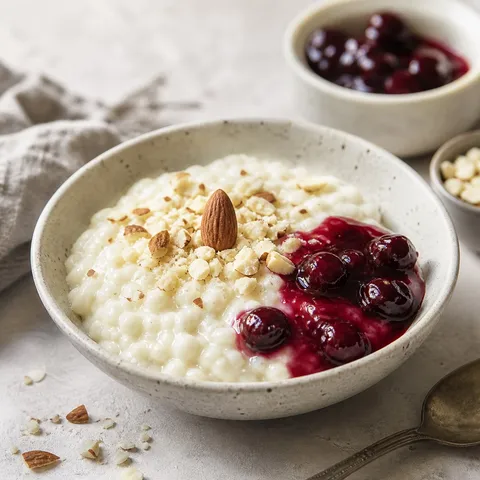
 Risalamande
A creamy Danish cold rice pudding folded with whipped cream and chopped almonds, served with a glossy warm cherry sauce on Christmas Eve.
 Nordic Lens Verified Images are for illustrative purposes only, may be inaccurate, and do not guarantee the presence or absence of specific ingredients.
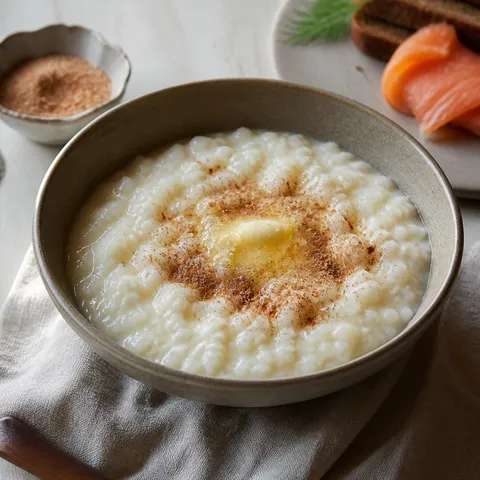
 Risgrynsgröt
Creamy Nordic rice porridge, slow-cooked until thick and comforting, scented with cinnamon and served with a pat of melting butter — Christmas morning in a bowl.
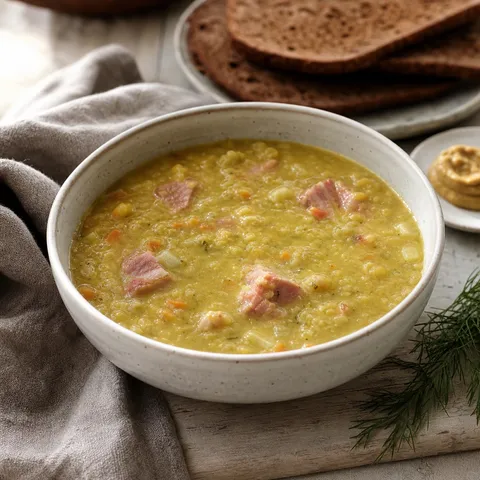 Nordic Lens Verified Images are for illustrative purposes only, may be inaccurate, and do not guarantee the presence or absence of specific ingredients.
 Hernekeitto
Finland's beloved Thursday pea soup — yellow split peas simmered with smoky ham until thick and hearty, traditionally served with a shot of Finnish mustard and pancakes.