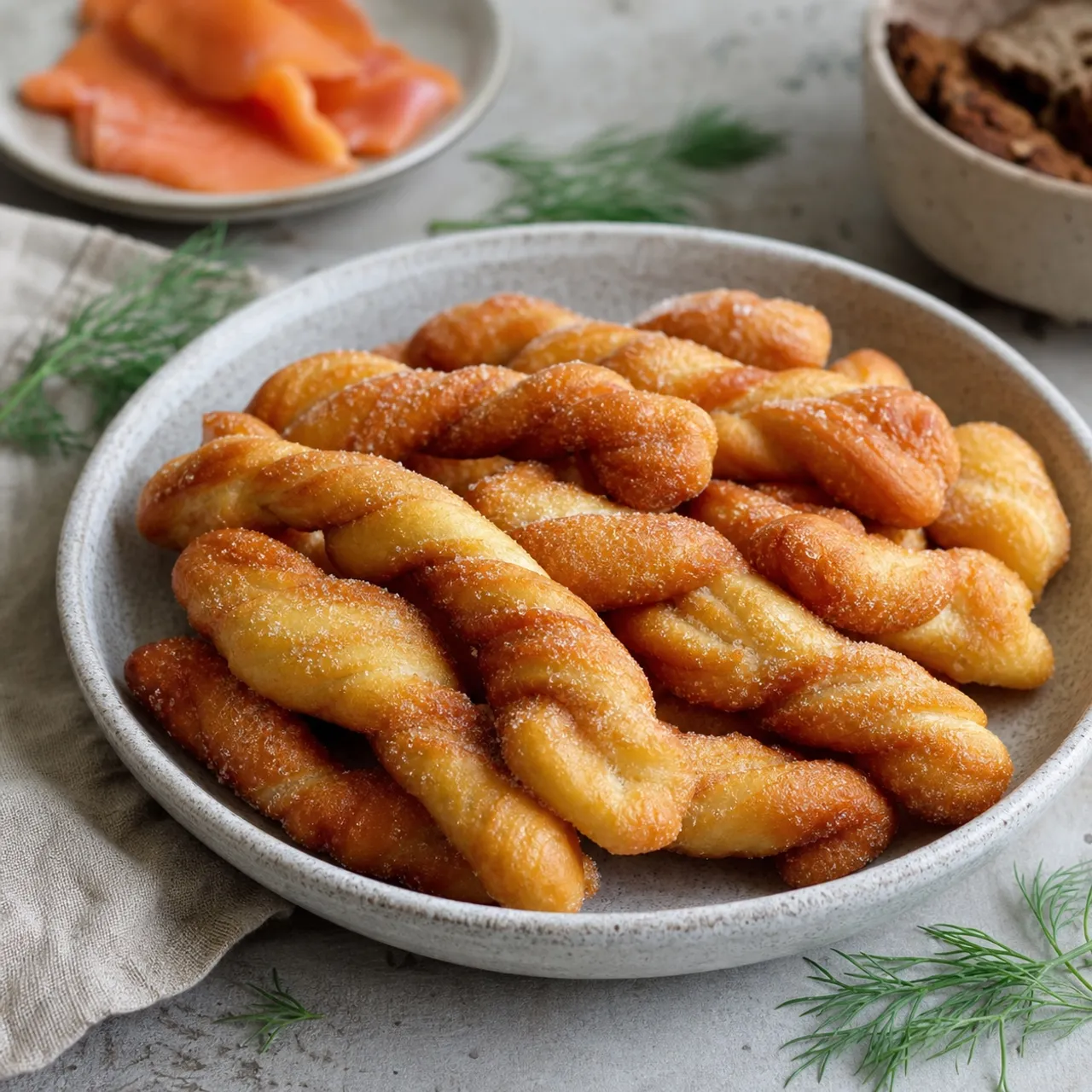
 Nordic Images are for illustrative purposes only, may be inaccurate, and do not guarantee the presence or absence of specific ingredients.
 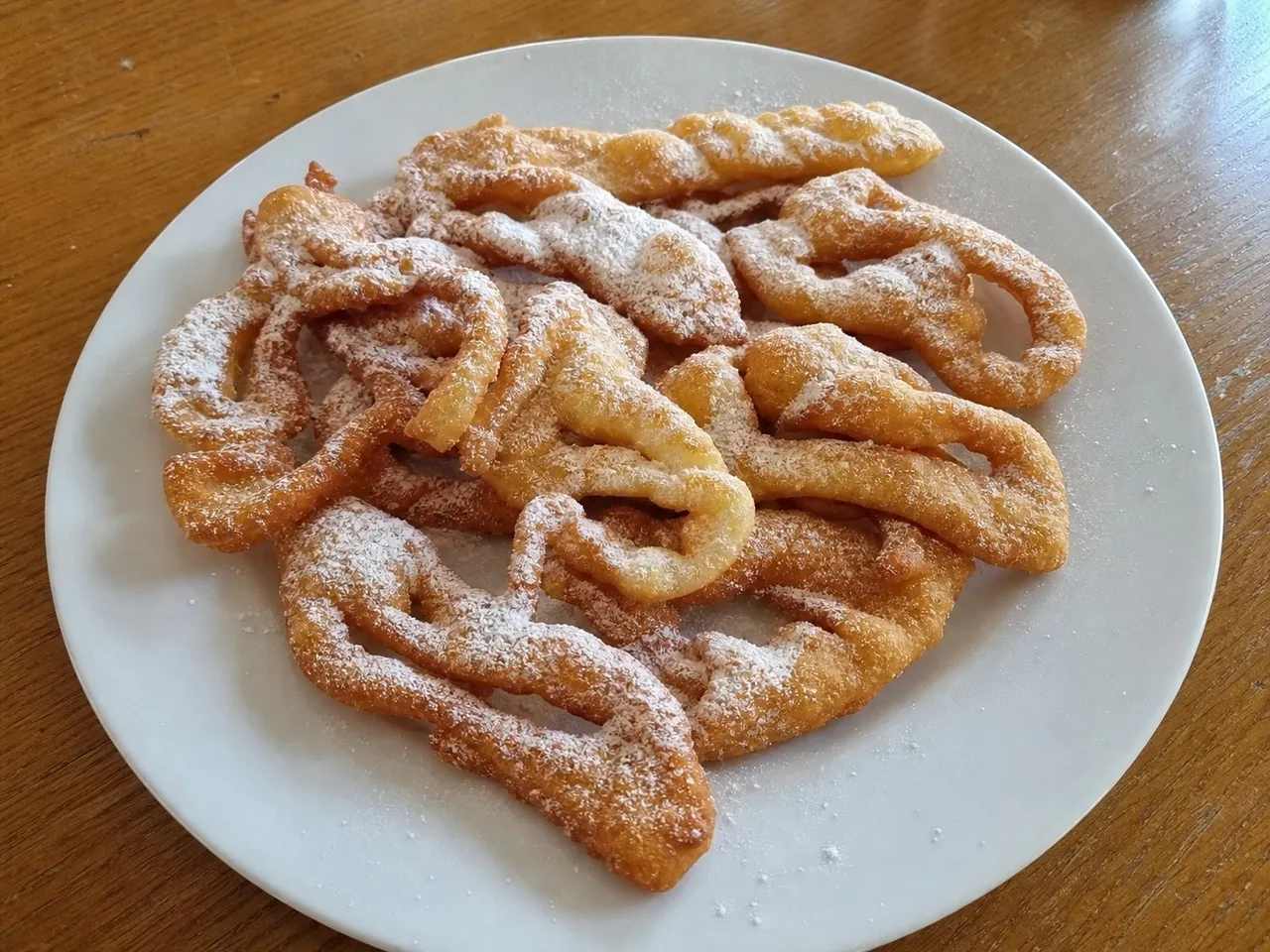 Serving Images are for illustrative purposes only, may be inaccurate, and do not guarantee the presence or absence of specific ingredients.
 Klenäter
Scandinavian fried pastry twists — light, crisp, and golden with a delicate crunch, dusted in powdered sugar; a traditional Christmas treat that disappears from the plate in minutes.
Contains common allergens
In the app, Listahan checks these against your household automatically.
Good to know
- Crispy
Matched from this dish's own ingredients and timing. Browse more: crispy recipes
Instructions
7 steps- 1
Whisk the egg yolks and sugar together until pale, then whisk in the cream, melted butter, cardamom, brandy, and salt.
- 2
Gradually work in the flour to form a smooth, firm dough that is not sticky, adding a little more flour if needed.
- 3
Wrap and rest the dough in the refrigerator for 30 minutes.
- 4
Roll the dough out thin, about 1/8 inch, and cut into strips roughly 1 by 4 inches.
- 5
Cut a slit lengthwise down the center of each strip and pull one end through the slit to form the classic twisted shape.
- 6
Heat oil to 350 F in a deep pot and fry the twists in batches for 1 to 2 minutes per side, until golden brown and puffed.
- 7
Drain on paper towels and dust generously with powdered sugar once cooled slightly.
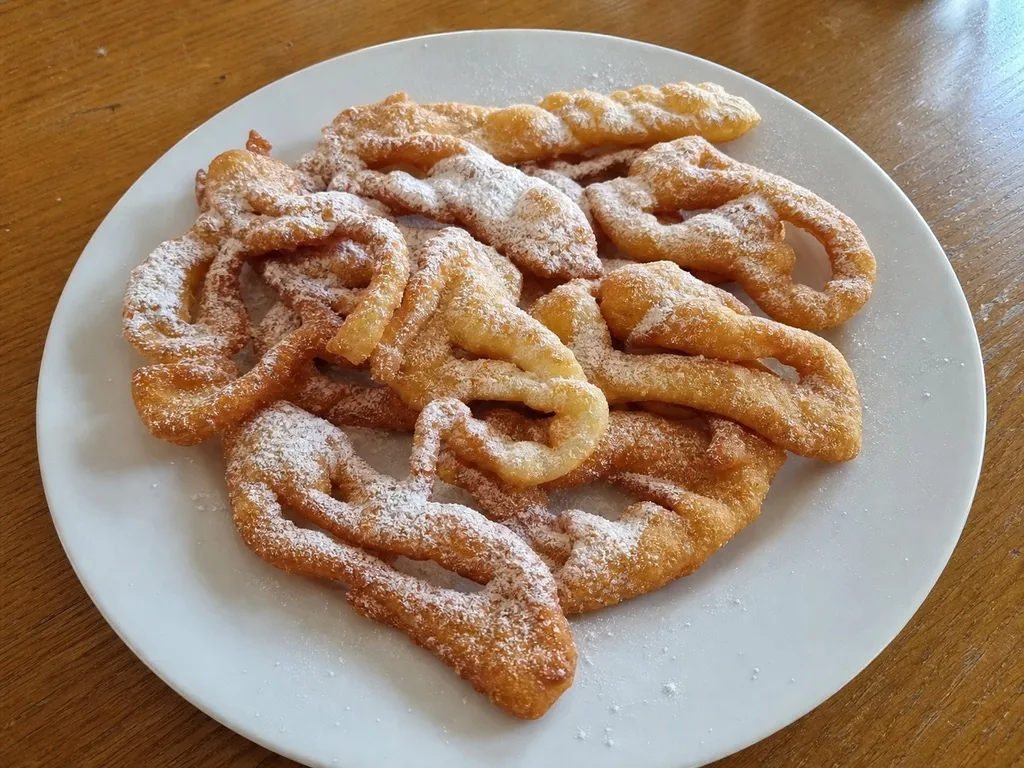 Images are for illustrative purposes only, may be inaccurate, and do not guarantee the presence or absence of specific ingredients.
 Listahan Family Score™
66/100
Works for many families
Score reflects how well this recipe fits a typical busy household. In the app, your Family Score is personalized to your household's allergens, kids, and pantry.
Nutrition
per serving405
Calories
8 g
Protein
60 g
Carbs
14 g
Fat
Estimated per serving. Actual values depend on the brands and portions you use.
Listahan cooking guide
Chef notes & practical guide
Technique notes, ingredient swaps, serve-alongside ideas, storage guidance, and equipment for this recipe.
Cultural context
Klenäter are part of the Scandinavian family of twisted fried Christmas pastries, closely related to Danish klejner and Norwegian fattigmann. The shape is practical as much as decorative: a slit in the dough lets each strip twist into a thin, crisp form that fries quickly and gives plenty of golden edges.
Listahan note
This version keeps the dough very spare, so the texture matters most: roll it thin, twist cleanly, and fry in small batches so the pastries stay light instead of greasy.
Technique cues
- Roll the dough thinner than you might for cookies. Klenäter should crisp through quickly, with a delicate snap rather than a bready center.
- Keep the twists similar in size so they fry at the same pace. Uneven pieces make it hard to pull the batch before the thinnest edges darken.
- Dust with powdered sugar after the pastries have cooled slightly. If they are too hot, the sugar melts into the surface instead of sitting lightly on top.
Kitchen flow
- Parallel prep
- Heat the frying oil while you cut and twist the last strips, but keep an eye on the temperature before the first batch goes in.
- Make-ahead
- Mix and chill the dough earlier in the day, then roll and fry close to serving for the best crunch.
- Leftover move
- Crumble a few stale pieces over vanilla pudding, rice pudding, or stewed apples for a quick dessert topping.
- Cleanup rhythm
- Clear the cutting area before frying, then set up a rack or paper-lined tray so each batch has somewhere to land immediately.
Ingredient brief
Role, handling, and swap guidance for each key ingredient.
Flour
Dough structure
Purpose: Flour gives the pastry enough strength to roll, cut, and twist without tearing.
Handling: Add it gradually if mixing by hand, stopping when the dough is firm but still rollable.
Adaptation: A small portion of cake flour can make the pastry more tender, but all-purpose flour is the steadier choice for twisting.
Sugar
Light sweetness
Purpose: Sugar seasons the dough and helps the fried edges take on a gentle golden color.
Handling: Mix it thoroughly with the yolks before adding flour so sweetness is evenly spread through the dough.
Adaptation: Use a little less sugar in the dough if you want the powdered sugar finish to carry more of the sweetness.
Egg yolks
Richness and binding
Purpose: Yolks make the dough pliable and give the fried pastry a richer, more tender bite.
Handling: Work them in before the butter so the dough hydrates evenly.
Adaptation: Whole egg changes the dough by adding more water and protein, so the pastry may fry a bit firmer.
Butter
Tender fat
Purpose: Butter shortens the dough so the finished twists feel crisp and delicate instead of tough.
Handling: Use softened or melted-and-cooled butter so it blends evenly without leaving hard pockets.
Adaptation: A neutral baking fat gives a plainer flavor and a slightly different snap.
Technique notes
- Cut a small slit in the center of each strip and pull one end through to make the classic twist; do not overwork the dough while shaping.
- Fry in small batches so the oil does not cool down too much. Pale pastries can taste heavy, while overly dark ones lose the delicate butter flavor.
- Use a slotted spoon or spider to lift the twists as soon as the edges turn golden. They continue to deepen slightly after they leave the oil.
Ingredient swaps
- Richer dough path
- Add an extra egg yolk if the dough feels dry and crumbly; it will roll more smoothly and fry with a slightly more tender bite.
- Butter adjustment
- Use melted-and-cooled butter for easier mixing, or softened butter for a dough that feels more like a tender cookie dough.
- Sugar finish
- Skip sugar in the dough only if you plan to dust generously after frying; the pastry itself will taste more restrained.
Serve alongside
- Rice pudding with cinnamon
- Lingonberry preserves
- Orange-cardamom fruit salad
- Vanilla custard
- Hot coffee
- Mulled apple cider
- Black tea with milk
Serving suggestions only — check pairings for your household's allergens.
Storage & reheating
- Avoid refrigerating if possible; cooled klenäter keep their texture better in a loose-lidded tin at room temperature for 2 to 3 days.
- Refresh briefly in a low oven until crisp again, then dust with fresh powdered sugar after cooling slightly.
- Freeze fully cooled pastries in a rigid container, thaw uncovered at room temperature, and warm briefly to bring back some crispness.
Equipment
- Rolling pin
- Pastry wheel or sharp knife
- Heavy pot for frying
- Spider skimmer or slotted spoon
Make this household-aware
Listahan Pro checks this recipe against your household's allergens, finds pantry-aware swaps, builds the shopping list, and helps you plan the week around it.
Plan it in Listahan
Add Klenäter to your week, check it against your household's allergens, and build the shopping list automatically.
More Nordic recipes
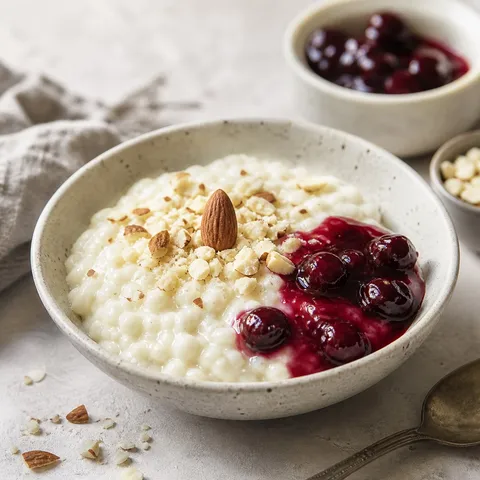 Nordic Lens Verified Images are for illustrative purposes only, may be inaccurate, and do not guarantee the presence or absence of specific ingredients.
 Risalamande
A creamy Danish cold rice pudding folded with whipped cream and chopped almonds, served with a glossy warm cherry sauce on Christmas Eve.
 Nordic Lens Verified Images are for illustrative purposes only, may be inaccurate, and do not guarantee the presence or absence of specific ingredients.
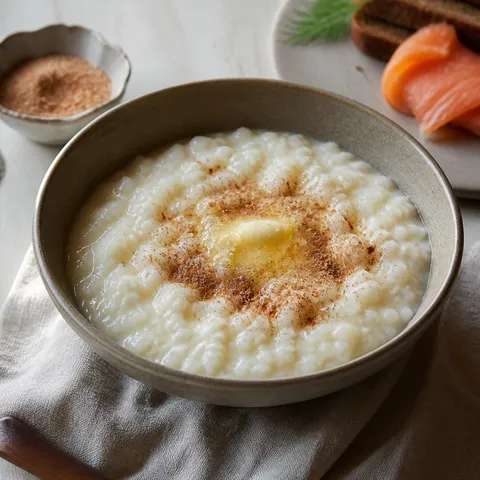
 Risgrynsgröt
Creamy Nordic rice porridge, slow-cooked until thick and comforting, scented with cinnamon and served with a pat of melting butter — Christmas morning in a bowl.
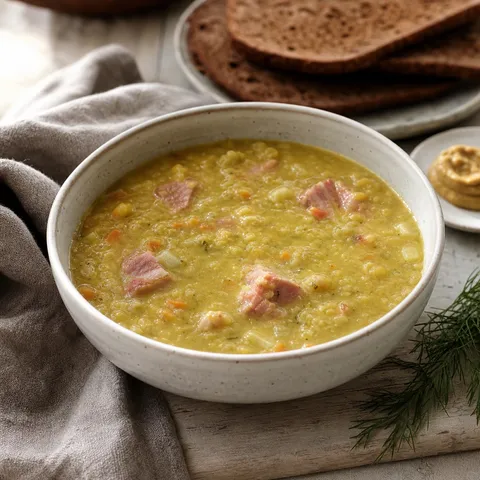 Nordic Lens Verified Images are for illustrative purposes only, may be inaccurate, and do not guarantee the presence or absence of specific ingredients.
 Hernekeitto
Finland's beloved Thursday pea soup — yellow split peas simmered with smoky ham until thick and hearty, traditionally served with a shot of Finnish mustard and pancakes.