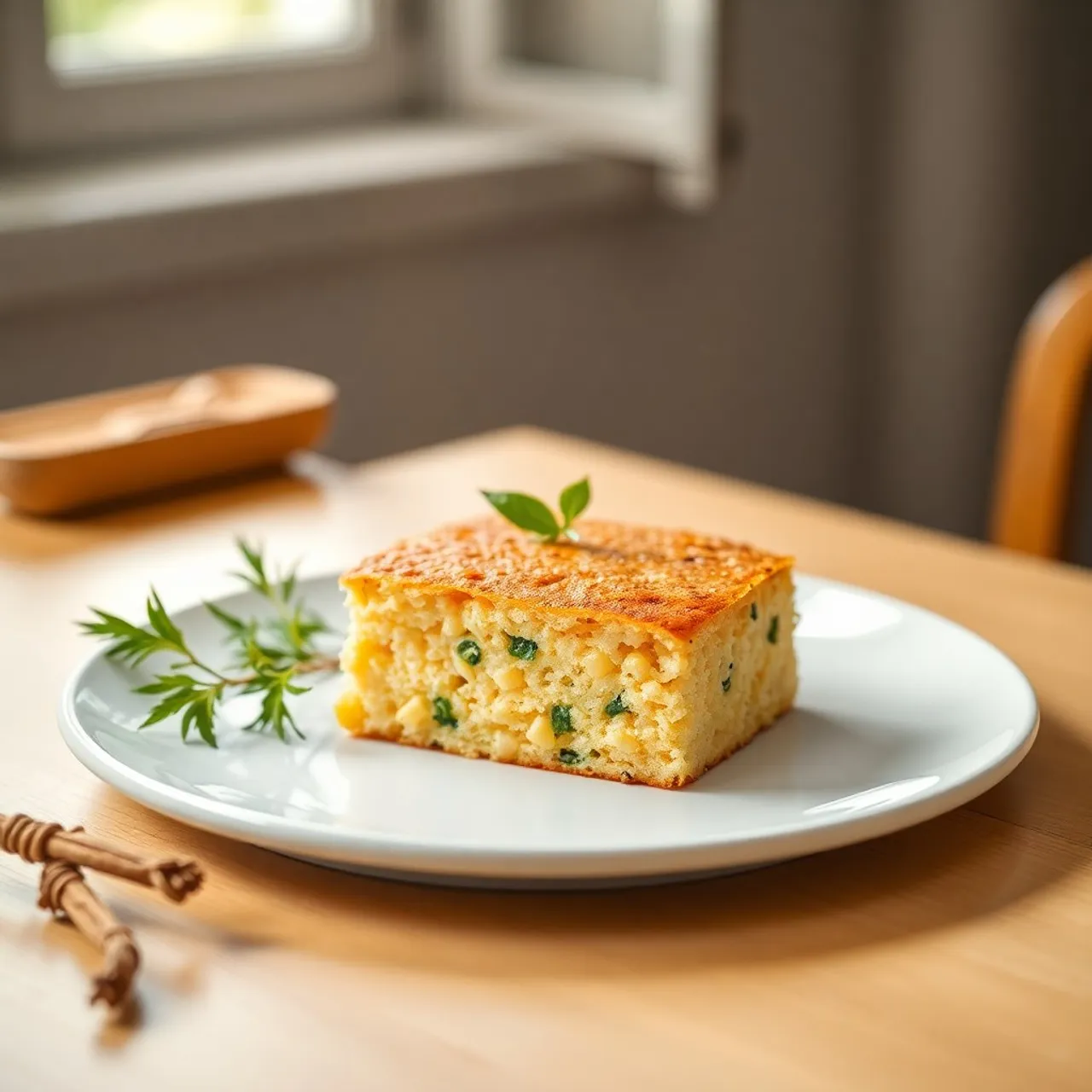
 North American Images are for illustrative purposes only, may be inaccurate, and do not guarantee the presence or absence of specific ingredients.
 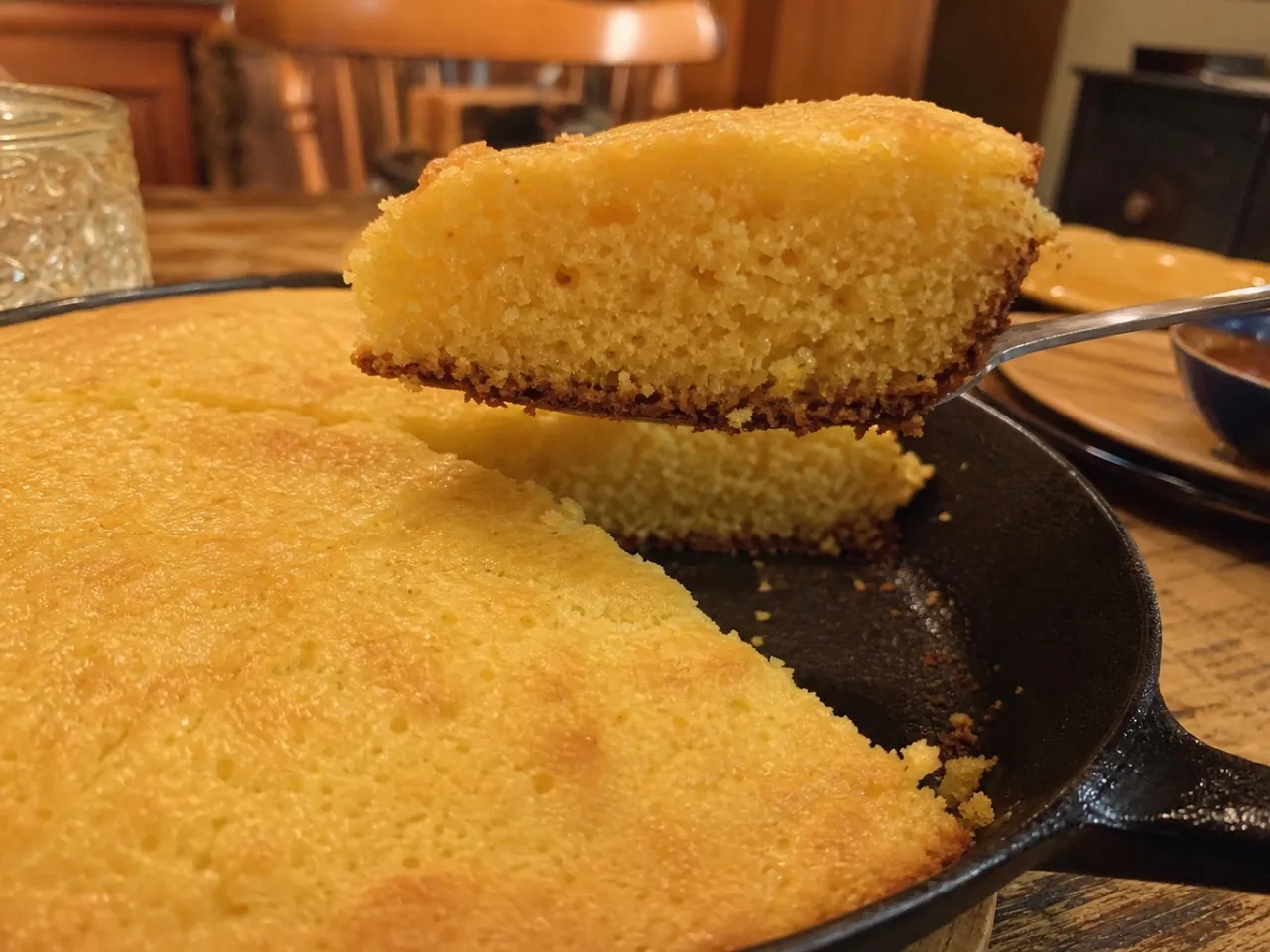 Serving Images are for illustrative purposes only, may be inaccurate, and do not guarantee the presence or absence of specific ingredients.
 Cornbread
A classic Southern-style cornbread of cornmeal and flour baked with milk, eggs, and melted butter into a tender, lightly sweet loaf.
Contains common allergens
In the app, Listahan checks these against your household automatically.
Good to know
- Ready in under 30 minutes
Matched from this dish's own ingredients and timing. Browse more: 30-minute meals
Instructions
6 steps- 1
Preheat your oven to 400°F (200°C). Generously grease a 9-inch cast-iron skillet or a square baking pan with a little butter or cooking spray.
- 2
In a large mixing bowl, whisk together the dry ingredients: cornmeal, flour, sugar, baking powder, and salt until evenly blended.
- 3
In a separate smaller bowl, whisk the whole milk, eggs, and melted butter until well combined.
- 4
Pour the wet ingredients into the dry ingredients. Use a wooden spoon or spatula to stir gently just until the dry ingredients are moistened. Do not overmix; the batter should be slightly lumpy.
- 5
Pour the batter evenly into the prepared skillet or pan, smoothing the top lightly.
- 6
Bake for 20-25 minutes. It is done when the top is a deep golden brown and a toothpick inserted into the center comes out clean. Let it cool for 10 minutes before slicing into wedges.
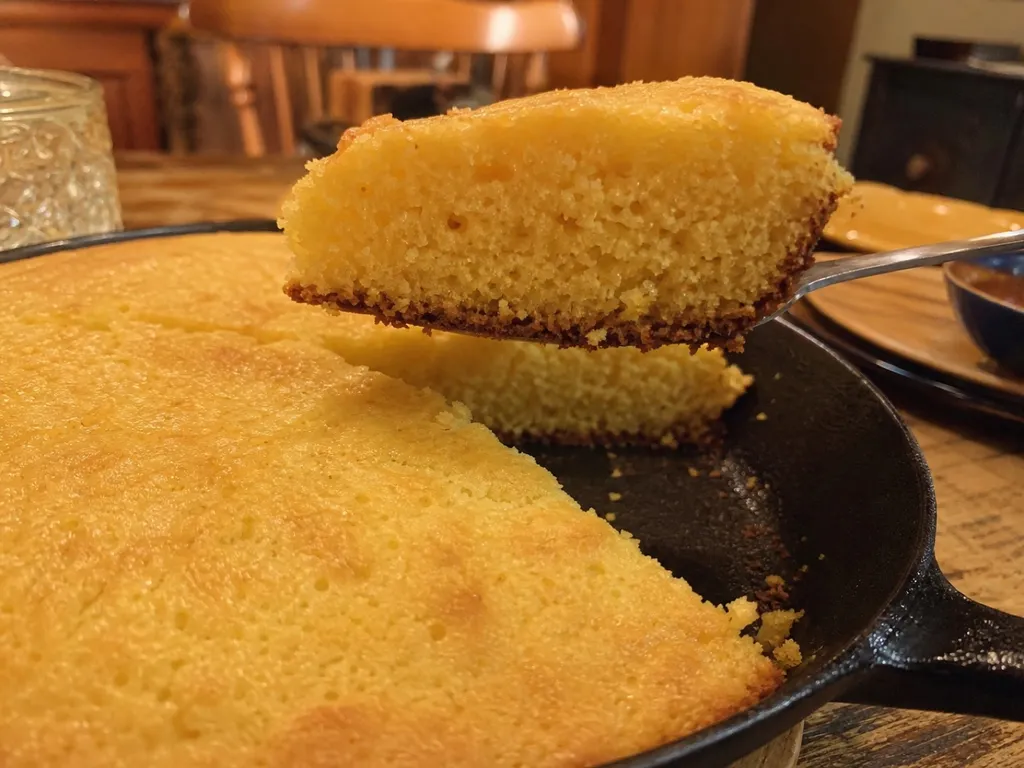 Images are for illustrative purposes only, may be inaccurate, and do not guarantee the presence or absence of specific ingredients.
 Listahan Family Score™
71/100
Good fit for most families
Score reflects how well this recipe fits a typical busy household. In the app, your Family Score is personalized to your household's allergens, kids, and pantry.
Nutrition
per serving570
Calories
11 g
Protein
69 g
Carbs
29 g
Fat
Estimated per serving. Actual values depend on the brands and portions you use.
Listahan cooking guide
Chef notes & practical guide
Technique notes, ingredient swaps, serve-alongside ideas, storage guidance, and equipment for this recipe.
Cultural context
Cornbread has roots in Indigenous cooking across North America, where ground corn was the central starch long before wheat arrived. European settlers adapted the technique, baking cornmeal batters in cast-iron over fire. The regional divide between sweet, cake-like Northern cornbread and the unsweet, crumbly Southern version reflects which grain culture dominated: wheat-familiar Northern bakers added sugar; Southern cooks kept it plain and used it as a savory table bread.
Listahan note
This version uses buttermilk for tenderness and a hot cast-iron skillet for a crackling bottom crust. The small amount of sugar is optional and left in the recipe for households that prefer a slightly sweeter crumb.
Technique cues
- The hot skillet is the technique. Pouring batter into a cold pan produces a flat, pale bottom; pouring into a smoking-hot buttered skillet gives you an immediate sizzle and a crust that no oven-only method can match.
- Buttermilk reacts with baking soda to produce a tender, open crumb. Full-fat buttermilk produces noticeably better texture than low-fat.
- Do not overmix once the wet ingredients meet the dry. Streaks of flour are fine; a smooth batter produces a tough, dense cornbread.
Kitchen flow
- Parallel prep
- Put the skillet in the oven while you mix the batter so it is screaming hot when the batter is ready.
- Make-ahead
- Cornbread is best the day it is made but can be baked 6 hours ahead and rewarmed in a 300 degree oven for 10 minutes.
- Leftover move
- Day-old cornbread is ideal for crumbling into a glass of cold buttermilk (a Southern tradition) or using as the base for cornbread dressing.
- Cleanup rhythm
- Wipe the cast-iron skillet with a paper towel while it is still warm; soap and prolonged soaking damage the seasoning.
Ingredient brief
Role, handling, and swap guidance for each key ingredient.
yellow cornmeal
Primary structure and flavor
Purpose: Cornmeal gives cornbread its characteristic texture, color, and earthy corn flavor that flour alone cannot replicate.
Handling: Use fine or medium grind; coarse-ground cornmeal can produce a gritty texture depending on the brand.
Adaptation: White cornmeal works and is traditional in parts of the South; the flavor is slightly less pronounced.
full-fat buttermilk
Tenderizer and lift
Purpose: The acid in buttermilk activates the baking soda and relaxes gluten, producing a moist, fine crumb rather than a dense one.
Handling: Use at room temperature if possible; cold buttermilk can cause the melted butter to seize and create lumps.
Adaptation: Mix 1.5 cups whole milk with 1.5 tbsp white vinegar and let stand 5 minutes; the result is slightly less tangy but close.
unsalted butter
Fat and crust builder
Purpose: Butter in the batter adds richness; butter in the hot skillet creates the signature crispy bottom crust.
Handling: Melt the batter butter and cool slightly before adding so it does not scramble the eggs when combined.
Adaptation: Bacon drippings in the skillet instead of butter is the traditional Southern choice and adds a savory depth.
large eggs
Binder and lift
Purpose: Eggs provide structure so the cornbread holds together when sliced and does not crumble apart.
Handling: Beat lightly before adding to the wet mixture so they incorporate evenly without over-mixing the batter.
Adaptation: One flax egg (1 tbsp ground flax plus 3 tbsp water, rested) per large egg works for an egg-free version; the cornbread will be slightly denser.
Technique notes
- The butter in the hot skillet should foam and just begin to brown the moment the batter hits it. If it does not sizzle, the oven was not hot enough and the crust will disappoint.
- Pull the cornbread when a toothpick comes out with just a few moist crumbs. A completely dry toothpick means it has overbaked.
- Let it rest in the skillet for 5 minutes before cutting. Cutting too soon collapses the crumb before it has set.
Ingredient swaps
- Gluten-free direction
- Replace the all-purpose flour with a 1:1 gluten-free flour blend; the texture will be slightly more crumbly but the flavor holds.
- Dairy-free direction
- Use full-fat oat milk with 1.5 tbsp apple cider vinegar in place of buttermilk and substitute refined coconut oil for butter; the crust will be slightly softer.
Serve alongside
- Chili with kidney beans
- Collard greens braised with smoked ham hock
- Black-eyed pea soup
- Honey butter for spreading
- Sweet iced tea
- Cold whole milk
- Light amber ale
Serving suggestions only — check pairings for your household's allergens.
Storage & reheating
- Store wrapped tightly at room temperature for up to 2 days; refrigeration dries it out faster.
- Reheat individual wedges in a dry skillet over medium-low heat for 2 minutes per side to revive the crust.
- Freeze tightly wrapped slices for up to 2 months; thaw at room temperature and warm in a 325 degree oven.
Equipment
- 10-inch cast-iron skillet
- Two mixing bowls (one large, one medium)
- Whisk for dry ingredients
- Rubber spatula for folding wet into dry
Make this household-aware
Listahan Pro checks this recipe against your household's allergens, finds pantry-aware swaps, builds the shopping list, and helps you plan the week around it.
Plan it in Listahan
Add Cornbread to your week, check it against your household's allergens, and build the shopping list automatically.
More North American recipes
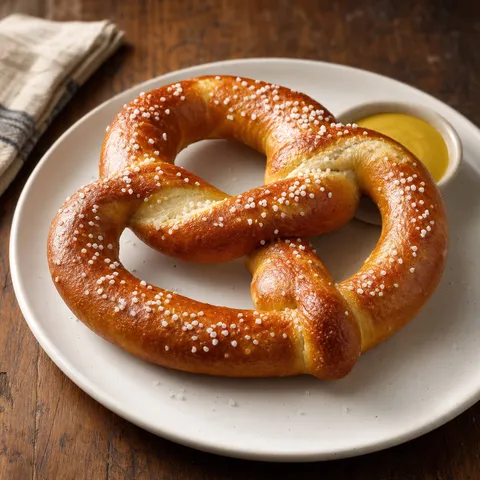 North American Lens Verified Images are for illustrative purposes only, may be inaccurate, and do not guarantee the presence or absence of specific ingredients.
 Soft Pretzels
Chewy golden mall-style pretzels with a salty crust, brushed in butter.
 North American Lens Verified Images are for illustrative purposes only, may be inaccurate, and do not guarantee the presence or absence of specific ingredients.
 Gumbo
A Louisiana-style gumbo of chicken thighs and Andouille sausage simmered with okra, the Cajun holy trinity, and a dark roux, served over rice.
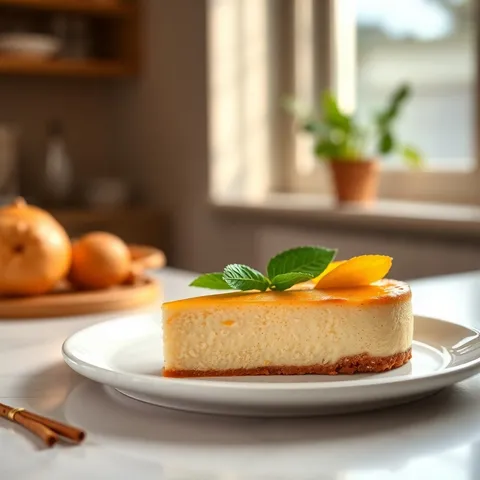 North American Lens Verified Images are for illustrative purposes only, may be inaccurate, and do not guarantee the presence or absence of specific ingredients.
 New York Cheesecake
A dense, ultra-creamy baked cheesecake with a buttery graham cracker crust and a faintly tangy, melt-in-your-mouth filling.