 North American Images are for illustrative purposes only, may be inaccurate, and do not guarantee the presence or absence of specific ingredients.
  Serving Images are for illustrative purposes only, may be inaccurate, and do not guarantee the presence or absence of specific ingredients.
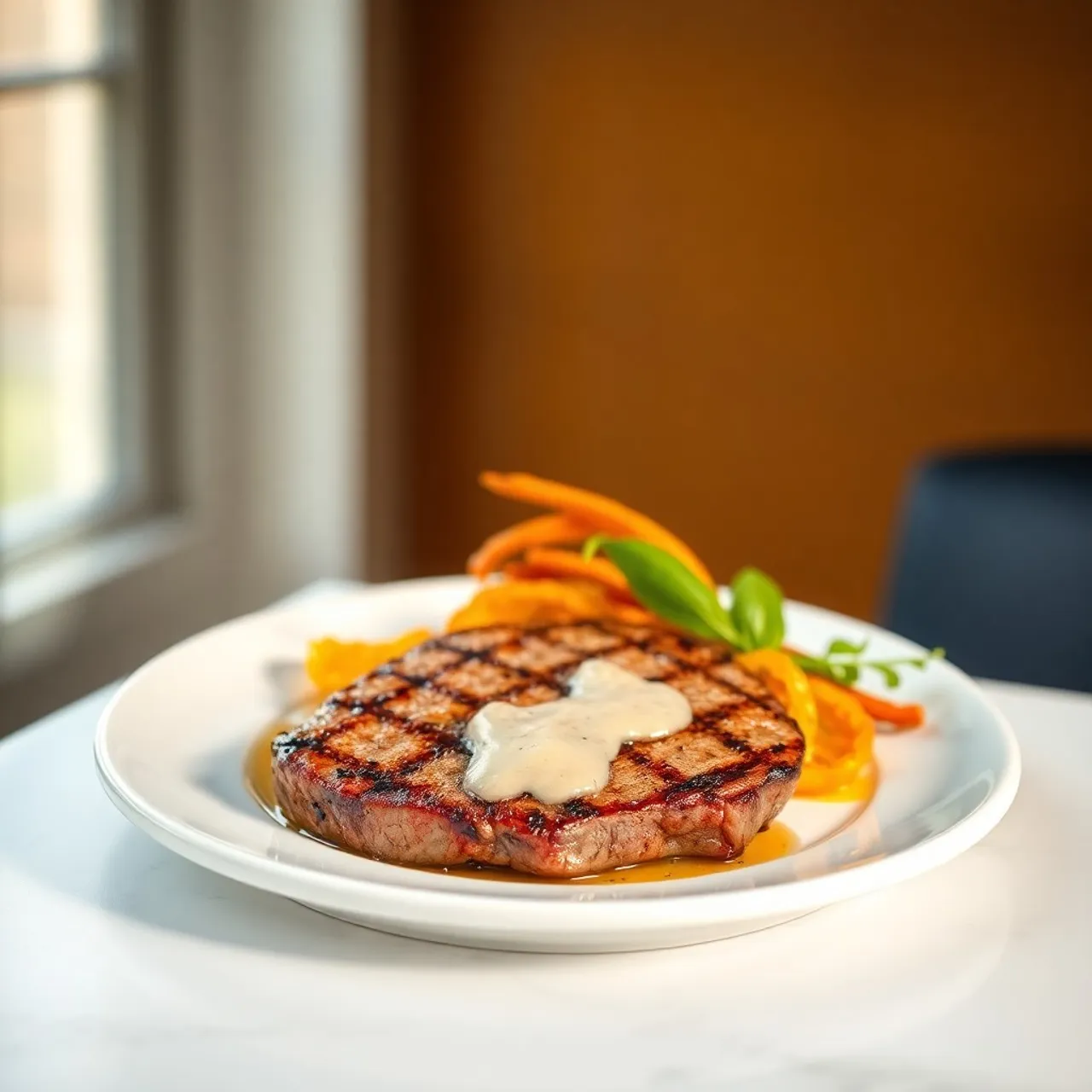
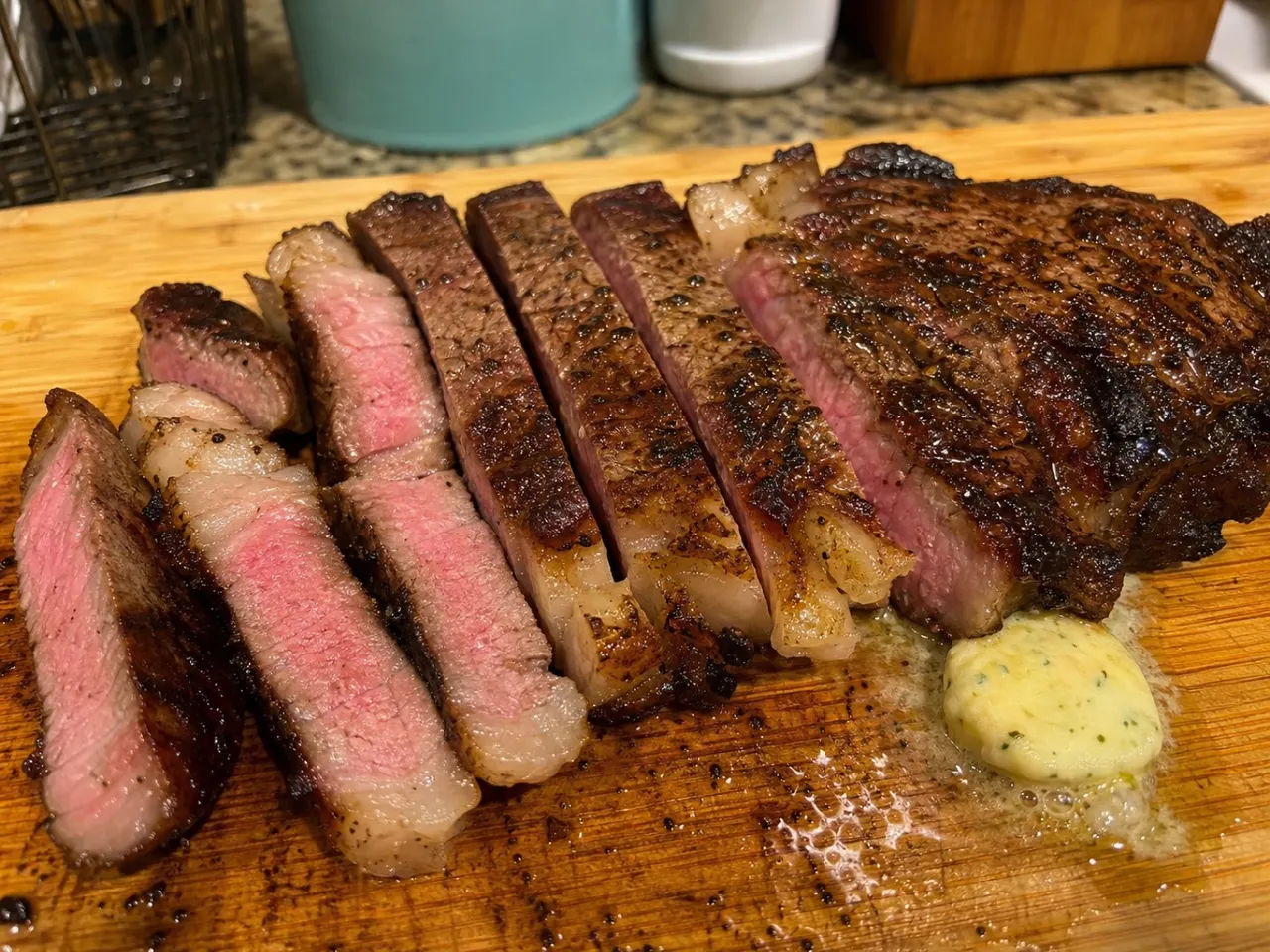
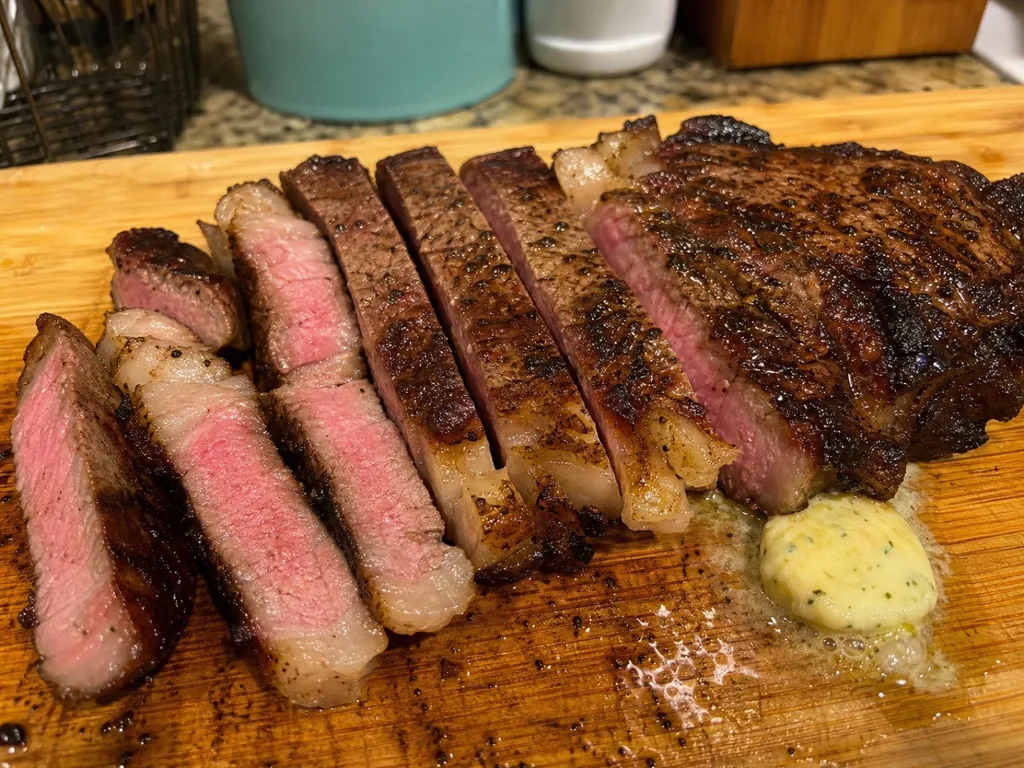
 Grilled Ribeye Steak
A well-marbled ribeye grilled to a perfect crust and basted in garlic-herb butter.
Contains common allergens
In the app, Listahan checks these against your household automatically.
Good to know
- Ready in under 30 minutes
Matched from this dish's own ingredients and timing. Browse more: 30-minute meals
Instructions
6 steps- 1
Temper: Take the steaks out 30 minutes ahead and pat dry; season generously with salt and pepper.
- 2
Heat: Get the grill or a cast-iron pan very hot and rub the steaks with oil.
- 3
Sear: Grill 3-4 minutes per side for medium-rare, depending on thickness.
- 4
Baste: Add the butter, garlic, and rosemary and spoon the foaming butter over the steaks for the last minute.
- 5
Rest: Rest the steaks 5-10 minutes so the juices redistribute.
- 6
Serve: Slice against the grain and serve with the pan butter.
 Images are for illustrative purposes only, may be inaccurate, and do not guarantee the presence or absence of specific ingredients.
 Listahan Family Score™
71/100
Good fit for most families
Score reflects how well this recipe fits a typical busy household. In the app, your Family Score is personalized to your household's allergens, kids, and pantry.
Nutrition
per serving80
Calories
0 g
Protein
0 g
Carbs
9 g
Fat
Estimated per serving. Actual values depend on the brands and portions you use.
Listahan cooking guide
Chef notes & practical guide
Technique notes, ingredient swaps, serve-alongside ideas, storage guidance, and equipment for this recipe.
Cultural context
The ribeye is a cut from the rib section of the beef, prized in North American grilling culture for its heavy marbling, which bastes the meat from within during cooking. American backyard grilling culture elevated the ribeye to a weekend centerpiece in the postwar era when suburban home ownership and outdoor grills became common. The baste-with-butter-and-herbs finish is a steakhouse technique that home cooks adopted from restaurant cooking shows in the 1990s.
Listahan note
This version emphasizes the two decisions that determine a ribeye: getting the surface bone-dry before it hits the heat, and basting with garlic-rosemary butter in the final minute rather than at the start.
Technique cues
- Patting the steak very dry before cooking is more important than any seasoning choice; surface moisture creates steam that prevents the Maillard browning that gives a good crust its flavor.
- Let the steak rest for at least 5 minutes after cooking; cutting early releases the juices that the resting period redistributes throughout the meat.
- A cast-iron pan over high heat on the stovetop can match or exceed grill temperatures and gives more control over the basting process than an outdoor grill.
Kitchen flow
- Parallel prep
- Prepare any sides while the steak tempers; starches and vegetables should be plated and ready before the steak hits the pan since it cooks fast.
- Make-ahead
- Season and dry-brine the steaks uncovered in the fridge up to 24 hours ahead; the surface dries further and browns even better.
- Leftover move
- Slice leftover steak thin against the grain and use in a steak sandwich with caramelized onions, or over a salad at room temperature.
- Cleanup rhythm
- Deglaze the hot pan with a splash of water or wine immediately after plating to lift the fond; it makes cleaning faster and gives you a quick pan sauce.
Ingredient brief
Role, handling, and swap guidance for each key ingredient.
2 ribeye steaks, about 300g each
Main protein
Purpose: Ribeye is the highest-marbled accessible steak cut; the intramuscular fat melts during cooking and keeps the meat juicy at higher temperatures.
Handling: Bring to room temperature by leaving out for 30 minutes; a cold steak cooks unevenly, with an overcooked exterior by the time the center reaches temperature.
Adaptation: Strip steak (New York strip) is leaner and slightly firmer; T-bone includes both strip and tenderloin but requires different timing for each side of the bone.
2 tbsp butter, 2 cloves garlic, 1 sprig rosemary
Basting mixture
Purpose: Butter basting in the last minute of cooking adds richness, color, and an herbal note that penetrates the surface without the herbs burning.
Handling: Add the butter, halved garlic cloves, and rosemary to the pan only in the final minute of cooking and tilt the pan to spoon the foaming butter continuously over the steak.
Adaptation: Thyme can replace rosemary for a more subtle herbal note; sage adds an earthier quality.
Coarse salt and black pepper
Seasoning and crust builder
Purpose: Coarse salt draws a little surface moisture, then re-dissolves to season the meat and creates a slightly rougher surface that browns more effectively than fine salt.
Handling: Season generously on all sides at least 45 minutes before cooking, or immediately before if there is no time; the in-between window (5 to 30 minutes) is when the drawn-out moisture has not yet been reabsorbed.
Adaptation: Flaky finishing salt added after resting gives a different texture experience; smoked salt adds a faint campfire note without a grill.
1 tbsp vegetable oil
High-heat cooking fat
Purpose: A neutral oil with a high smoke point coats the meat and prevents sticking during the initial sear without adding off-flavors the way butter would at very high heat.
Handling: Rub the oil directly onto the steak surface rather than pouring it into the pan, which ensures even coverage and prevents pooling that causes uneven browning.
Adaptation: Avocado oil has an even higher smoke point and no flavor; grapeseed oil is another good neutral high-heat option.
Technique notes
- Do not move the steak for the first 2 to 3 minutes after placing it in the pan; constant moving prevents the crust from forming and gives you a grey, steam-cooked surface.
- Use a meat thermometer for consistency: 52C for rare, 57C for medium-rare, 63C for medium; the steak will rise another 2 to 3 degrees as it rests.
- Season aggressively with coarse salt; ribeye is a thick, rich cut and underseasoned steak tastes flat no matter how good the meat is.
Ingredient swaps
- Lower-fat option
- Substitute a sirloin or flank steak for the ribeye; marinate flank steak for 2 hours to compensate for the lower fat content, and slice thin against the grain.
- Herb variation
- Replace rosemary with thyme and add a smashed anchovy to the butter baste for an umami-forward finish that amplifies the beefy flavor.
Serve alongside
- Classic wedge salad with blue cheese dressing and bacon
- Twice-baked potato or roasted garlic mashed potatoes
- Grilled asparagus with lemon and olive oil
- Creamed spinach
- Bold Cabernet Sauvignon or Malbec
- American craft bourbon on the rocks
- Sparkling water with a wedge of lemon to cleanse between bites
Serving suggestions only — check pairings for your household's allergens.
Storage & reheating
- Refrigerate leftover cooked steak loosely wrapped in foil for up to 3 days; airtight wrapping traps moisture and softens the crust.
- Reheat gently in a 120C oven until just warmed through, then sear briefly in a hot pan for 30 seconds per side to restore the crust.
- Freeze cooked steak wrapped tightly for up to 2 months; thaw overnight in the fridge and reheat as above.
Equipment
- Cast-iron skillet or heavy grill pan that can hold and retain very high heat
- Meat thermometer for reading doneness accurately without cutting into the steak
- Tongs, never a fork, for turning the steak without piercing and releasing juices
Make this household-aware
Listahan Pro checks this recipe against your household's allergens, finds pantry-aware swaps, builds the shopping list, and helps you plan the week around it.
Plan it in Listahan
Add Grilled Ribeye Steak to your week, check it against your household's allergens, and build the shopping list automatically.
More North American recipes
 North American Lens Verified Images are for illustrative purposes only, may be inaccurate, and do not guarantee the presence or absence of specific ingredients.
 Soft Pretzels
Chewy golden mall-style pretzels with a salty crust, brushed in butter.
 North American Lens Verified Images are for illustrative purposes only, may be inaccurate, and do not guarantee the presence or absence of specific ingredients.
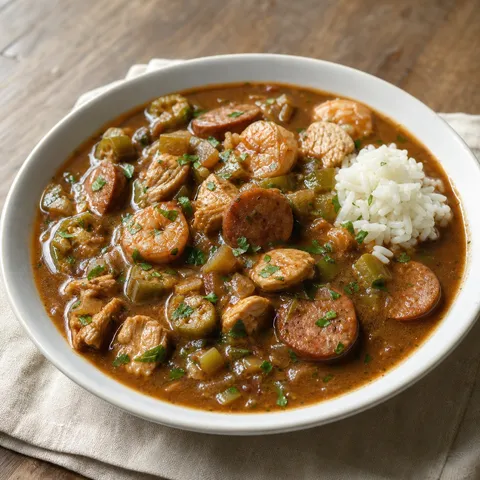
 Gumbo
A Louisiana-style gumbo of chicken thighs and Andouille sausage simmered with okra, the Cajun holy trinity, and a dark roux, served over rice.
 North American Lens Verified Images are for illustrative purposes only, may be inaccurate, and do not guarantee the presence or absence of specific ingredients.
 New York Cheesecake
A dense, ultra-creamy baked cheesecake with a buttery graham cracker crust and a faintly tangy, melt-in-your-mouth filling.