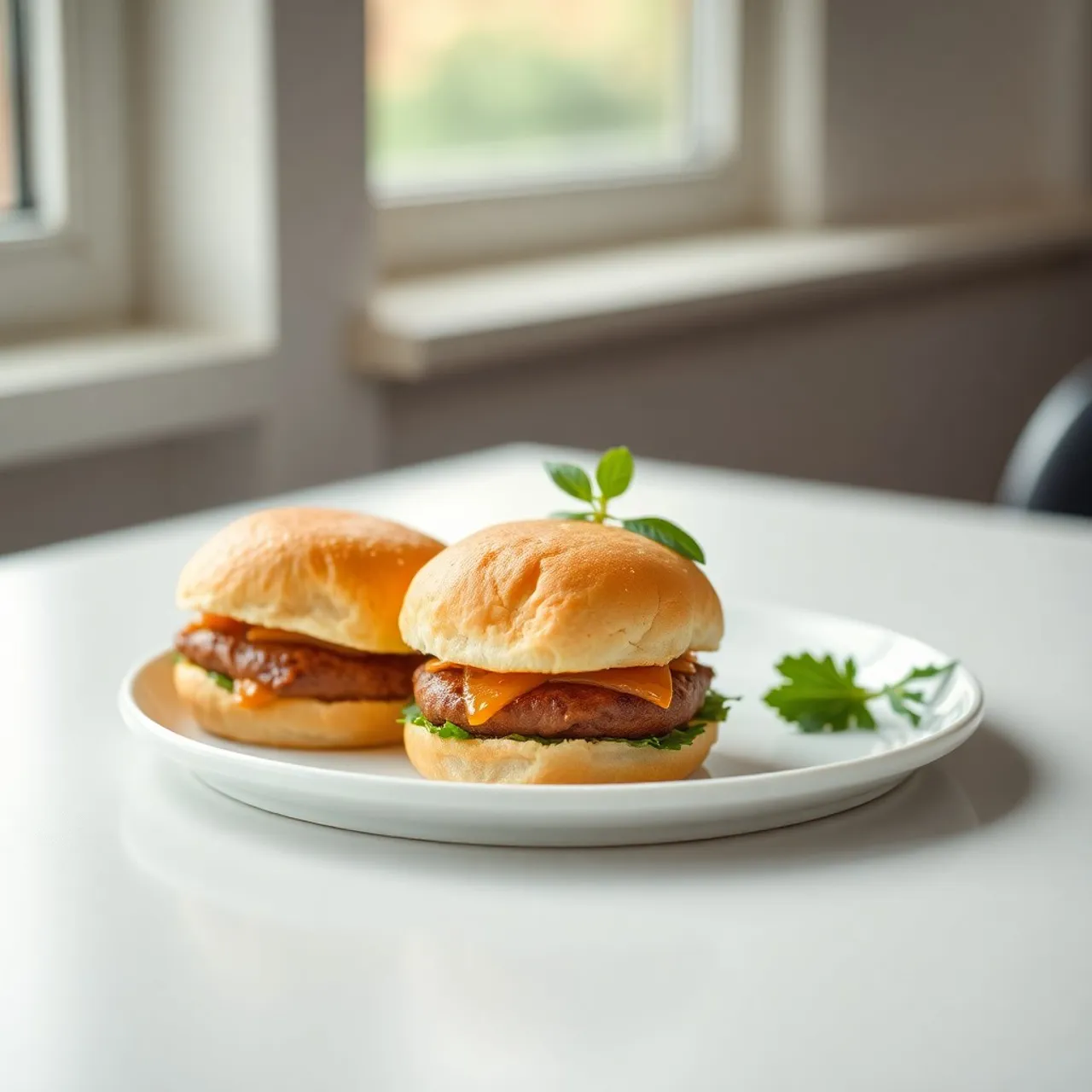
 North American Images are for illustrative purposes only, may be inaccurate, and do not guarantee the presence or absence of specific ingredients.
 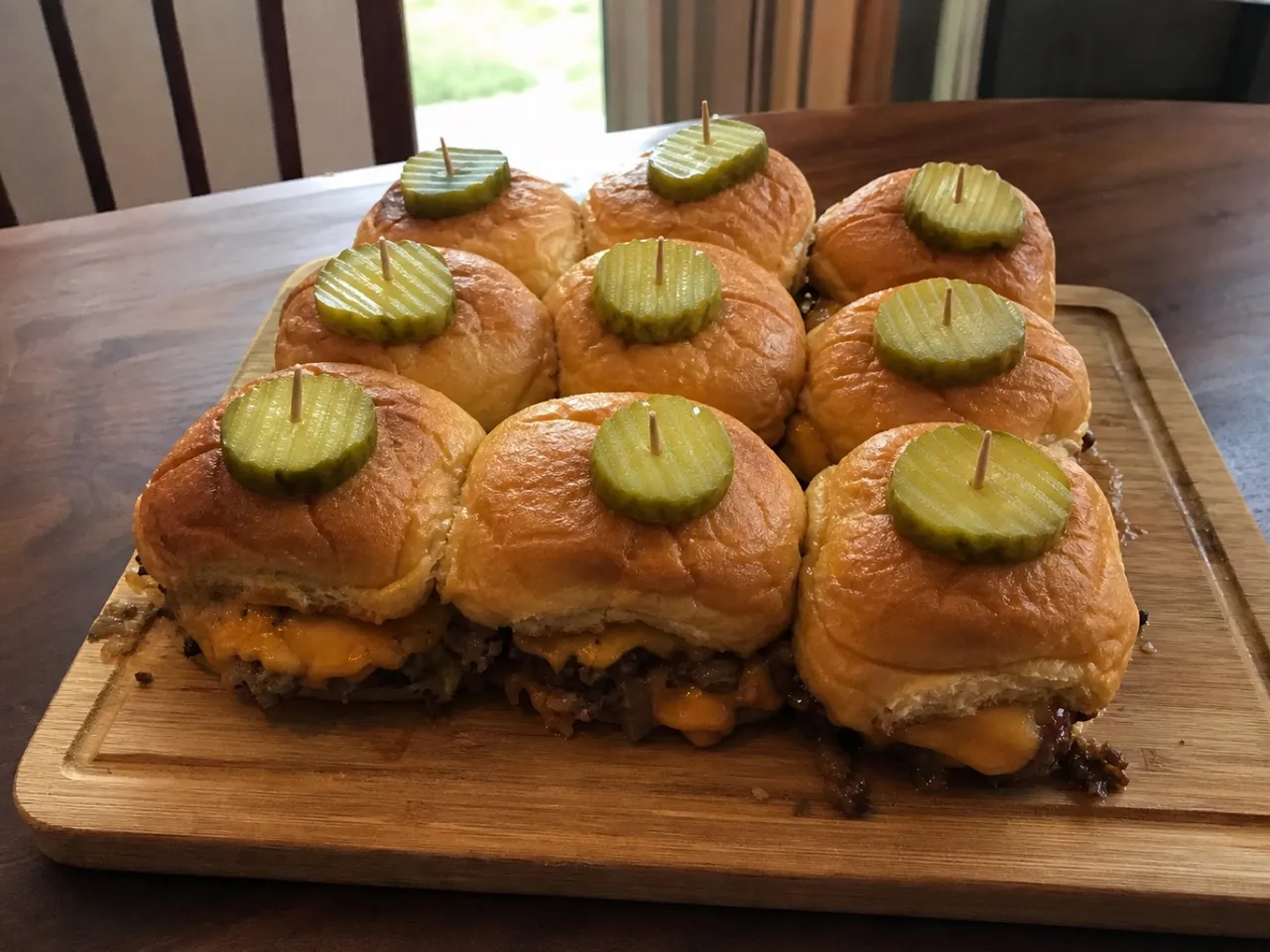 Serving Images are for illustrative purposes only, may be inaccurate, and do not guarantee the presence or absence of specific ingredients.
 Sliders
Juicy little cheeseburgers on soft slider buns — a party and weeknight crowd-pleaser.
Contains common allergens
In the app, Listahan checks these against your household automatically.
Good to know
- Ready in under 30 minutes
Matched from this dish's own ingredients and timing. Browse more: 30-minute meals
Instructions
6 steps- 1
Season: Mix the ground beef with salt and pepper and press into a thin even layer on a tray (or form 12 small patties).
- 2
Sear: Cook on a hot buttered griddle, scattering the diced onion over the patties, for 2-3 minutes per side.
- 3
Cheese: Lay a half-slice of cheese on each patty to melt.
- 4
Toast Buns: Toast the slider buns on the griddle.
- 5
Build: Sit each patty on a bun, add pickles, ketchup, and mustard.
- 6
Serve: Close and serve the sliders warm.
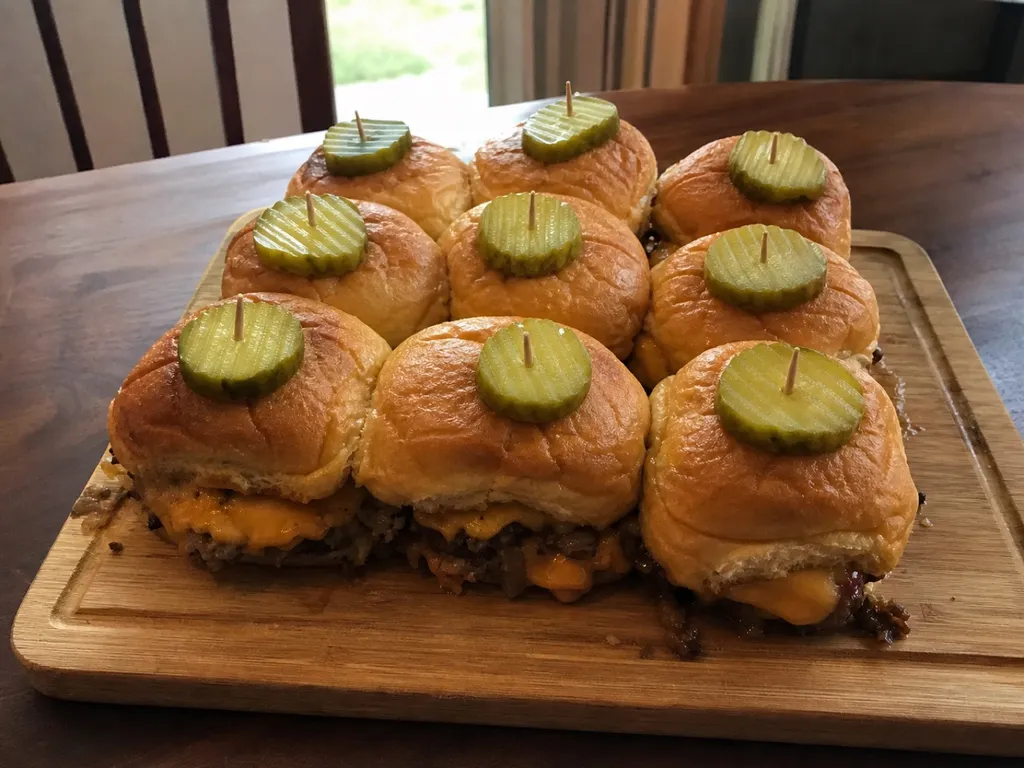 Images are for illustrative purposes only, may be inaccurate, and do not guarantee the presence or absence of specific ingredients.
 Listahan Family Score™
77/100
Good fit for most families
Score reflects how well this recipe fits a typical busy household. In the app, your Family Score is personalized to your household's allergens, kids, and pantry.
Nutrition
per serving430
Calories
44 g
Protein
3 g
Carbs
25 g
Fat
Estimated per serving. Actual values depend on the brands and portions you use.
Listahan cooking guide
Chef notes & practical guide
Technique notes, ingredient swaps, serve-alongside ideas, storage guidance, and equipment for this recipe.
Cultural context
The slider as a small steamed-onion burger belongs to White Castle, founded in Wichita, Kansas in 1921 and often credited with inventing the American fast-food hamburger. White Castle cooked beef patties thin and flat on a bed of onions so the steam rising through the meat replaced the need to flip, keeping the meat moist. The format was widely copied, and the term slider became a broad descriptor for any small burger served on a soft bun, appearing at sports bars and cookouts throughout American culture by the 1980s.
Listahan note
This version steams the diced onions directly on the patties during cooking to stay true to the original method, which adds moisture and sweetness to the meat without browning the onion separately.
Technique cues
- Cooking thin patties on a hot griddle with onions on top means the onion steams rather than fries, which softens and sweetens it in a way that raw or separately sauteed onion does not replicate.
- American cheese is deliberately specified for its melt rather than its flavor; it liquefies into the hot patty at lower temperatures than any natural cheese and creates the sauce-like coverage that holds the slider together.
- Slider buns should be soft; a crusty roll fights the small patty and forces the fillings out on the first bite. Potato rolls or classic white dinner rolls work better than any artisan bun.
Kitchen flow
- Parallel prep
- Dice the onion and set out buns, cheese, and condiments before the griddle heats; the cooking window is short and fast.
- Make-ahead
- Patties can be pressed and refrigerated on parchment for up to 4 hours before cooking; cook from cold for an extra 30 seconds per side.
- Leftover move
- Wrap leftover assembled sliders in foil and reheat in a 175 C oven for 8 minutes; the steam inside the foil keeps the patty moist.
- Cleanup rhythm
- Scrape the griddle between batches while it is still hot; the fond left from the first batch gives the second batch extra flavor.
Ingredient brief
Role, handling, and swap guidance for each key ingredient.
Ground beef
Main protein
Purpose: 80/20 ground beef has enough fat to stay juicy even in a very thin patty pressed onto a hot griddle.
Handling: Press into a thin uniform layer rather than forming individual balls first; thin patties cook through quickly and develop more crust surface area.
Adaptation: Ground turkey or a plant-based patty can be used but may need an additional binder like a little breadcrumb to hold together at this small size.
Onion, finely diced
Steam-flavoring agent
Purpose: Scattered over the raw patty, the onion releases moisture that steams the meat from above while the griddle sears it from below.
Handling: Dice as fine as possible so the pieces soften fully during the short cook time; large chunks stay crunchy and taste raw.
Adaptation: Caramelized onion used at the end provides a deeper sweetness but is a different preparation than the steam method.
American cheese
Melting layer
Purpose: Its emulsified structure makes it melt at lower temperatures than natural cheese, producing a creamy, fully melted sheet on the hot patty before overcooking occurs.
Handling: Add to the patty immediately after flipping and cover briefly to trap steam and complete the melt.
Adaptation: Mild cheddar melts at a higher temperature and may not fully melt in the short cook window; use it if you prefer flavor over perfect melt.
Slider buns
Wrapper and textural contrast
Purpose: Soft buns compress slightly against the small patty and keep the stack from falling apart on the first bite.
Handling: Toast briefly on the griddle in butter just before assembling; a warm toasted bun holds the condiments without going soggy.
Adaptation: Hawaiian rolls add a slight sweetness that pairs well with the savory patty and melted cheese.
Technique notes
- Use a heavy flat griddle or cast-iron pan rather than a sloped skillet; the flat surface ensures even contact across the thin patty.
- Do not press the patty with a spatula once it is on the griddle; pressing squeezes out the fat and moisture that keep sliders juicy.
- Cover the griddle or pan loosely with a lid or foil for 1 minute after adding the cheese; the trapped steam finishes the cheese melt and softens the bun bottom slightly.
Ingredient swaps
- Gluten-free direction
- Use certified gluten-free slider rolls or lettuce leaves to wrap; verify condiments such as soy-containing sauces are also gluten-free.
- Dairy-free direction
- Omit cheese or use a plant-based slice that melts; note that most plant-based slices require a little more heat and a covered pan to melt properly.
Serve alongside
- Shoestring fries or crinkle-cut fries
- Dill pickle spears
- Simple creamy coleslaw
- Onion rings
- Ice-cold lager or craft pilsner
- Chocolate milkshake
- Cola over crushed ice
Serving suggestions only — check pairings for your household's allergens.
Storage & reheating
- Store unassembled cooked patties in an airtight container in the refrigerator for up to 3 days.
- Reheat patties in a covered skillet over low heat with a splash of water to add steam; assemble fresh buns at serving.
- Fully assembled sliders do not store well; the bun becomes soggy quickly from the condiments and patty moisture.
Equipment
- Cast-iron griddle or flat-top skillet large enough to cook multiple patties at once
- Flat spatula for flipping without tearing the thin patties
- Lid or sheet of foil to trap steam during the cheese melt
Make this household-aware
Listahan Pro checks this recipe against your household's allergens, finds pantry-aware swaps, builds the shopping list, and helps you plan the week around it.
Plan it in Listahan
Add Sliders to your week, check it against your household's allergens, and build the shopping list automatically.
More North American recipes
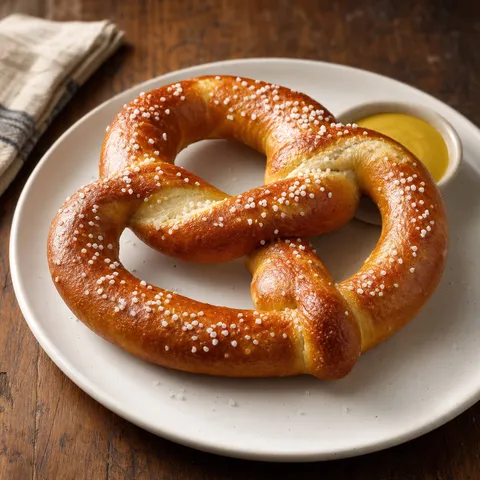 North American Lens Verified Images are for illustrative purposes only, may be inaccurate, and do not guarantee the presence or absence of specific ingredients.
 Soft Pretzels
Chewy golden mall-style pretzels with a salty crust, brushed in butter.
 North American Lens Verified Images are for illustrative purposes only, may be inaccurate, and do not guarantee the presence or absence of specific ingredients.
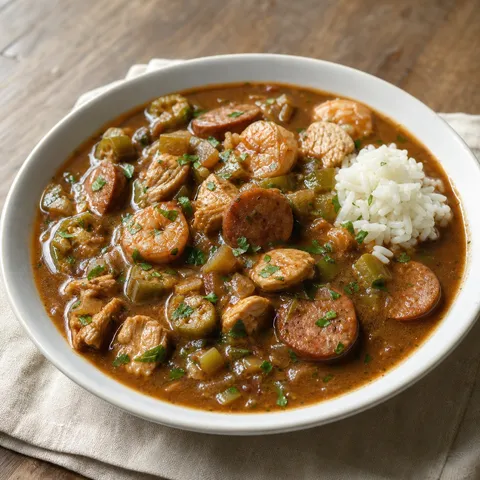
 Gumbo
A Louisiana-style gumbo of chicken thighs and Andouille sausage simmered with okra, the Cajun holy trinity, and a dark roux, served over rice.
 North American Lens Verified Images are for illustrative purposes only, may be inaccurate, and do not guarantee the presence or absence of specific ingredients.
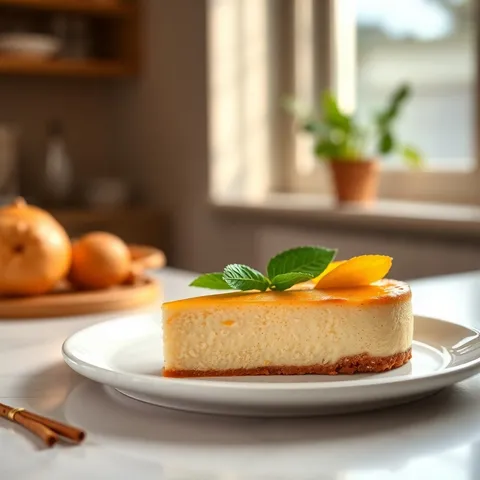
 New York Cheesecake
A dense, ultra-creamy baked cheesecake with a buttery graham cracker crust and a faintly tangy, melt-in-your-mouth filling.